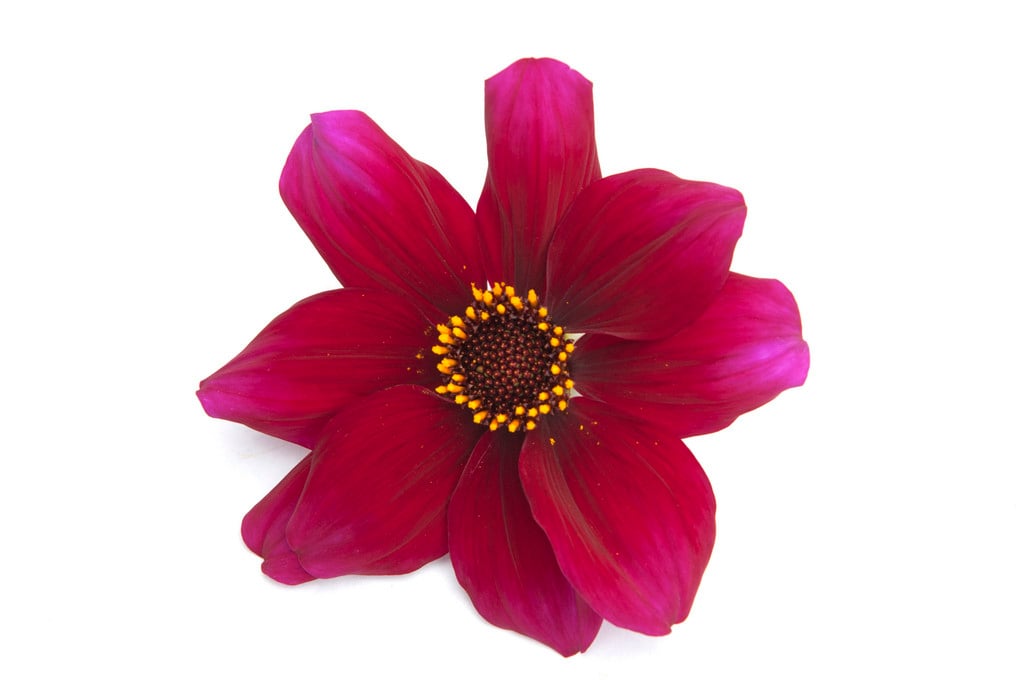
Dahlia 'Tartarus' (P)

RHS Plant Profile
dahlia 'Tartarus'
dahlia 'Tartarus' RHS
Plants for pollinators
Herbaceous Perennial

A tall, tuberous-rooting perennial that grows up to 1.6m high, with dark green leaves and peony-flowered form flowers, 16cm across, of dark red ray florets around a dark brown and gold centre, from summer to autumn

Position

Full sun

Soil Types

Chalk, Loam, Sand

Max Height

1.5-2.5 metres

Max Spread

0.5-1 metres

Size

Time to Maturity
2–5 years
Max Spread
0.5-1 metres
Max Height
1.5-2.5 metres

Growing Conditions

Chalk Loam Sand
Moisture
Moist but well–drained
pH
Acid or Alkaline or Neutral

Position

Full sun
Aspect
West–facing or East–facing or South–facing
Exposure
Sheltered
Hardiness
H3

Colour & Scent

Season Stem Flower Foliage Fruit
Spring
Summer
Autumn
Winter

Botanical Details

Family
Asteraceae
Native to GB/Ireland
No
Foliage
Deciduous
Habit
Clump forming
Genus
Dahlia are tuberous rooted perennials with pinnately divided leaves and showy flowerheads, double in many cultivars, in summer and autumn
Name Status
Accepted
Horticultural Group
Peony-flowered dahlias are a compact, rounded, colourful variety which bear a resemblance to peonies and make a fabulous cut flower

How to Grow

Cultivation

Plant tubers 10-15cm deep in fertile, humus-rich, well-drained soil, in full sun; cut back to near ground level in mid-autumn, then in mild areas and on well-drained soils leave the tubers in the ground and protect with a deep organic mulch, while in colder areas or on heavy soils lift and store the tubers and replant in late spring after all danger of frost has passed; for more advice, see dahlia cultivation and our video How to plant dahlia tubers and care tips

Propagation

Propagate by basal softwood cuttings taken in spring from shoots from stored tubers, or divide the tubers, ensuring that each division has a viable bud

Suggested planting locations and garden types

  • City and courtyard gardens
  • Cottage and informal garden
  • Patio and container plants
  • Wildlife gardens
  • Cut flowers
  • Flower borders and beds

Pruning

Deadhead to prolong flowering

Pests

May be susceptible to aphids, capsid bug, earwigs, caterpillars, slugs, glasshouse red spider mite, and onion thrips

Diseases

May be susceptible to powdery mildews, dahlia mosaic virus, cucumber mosaic virus, tomato spotted wilt virus, storage rots, leafy gall, crown gall, dahlia smut, grey moulds, fungal leaf spot, phytophthora, sclerotinia, verticillium wilts, and virus diseases