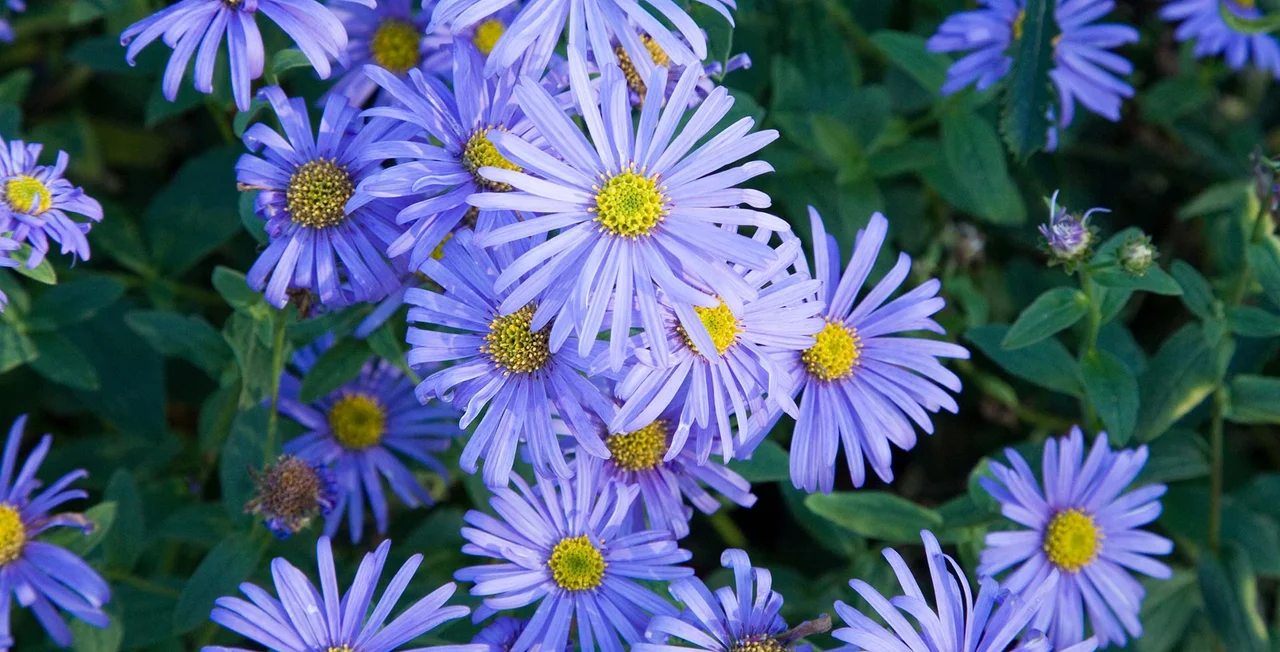
RHS / Tim Sandall

Appearance
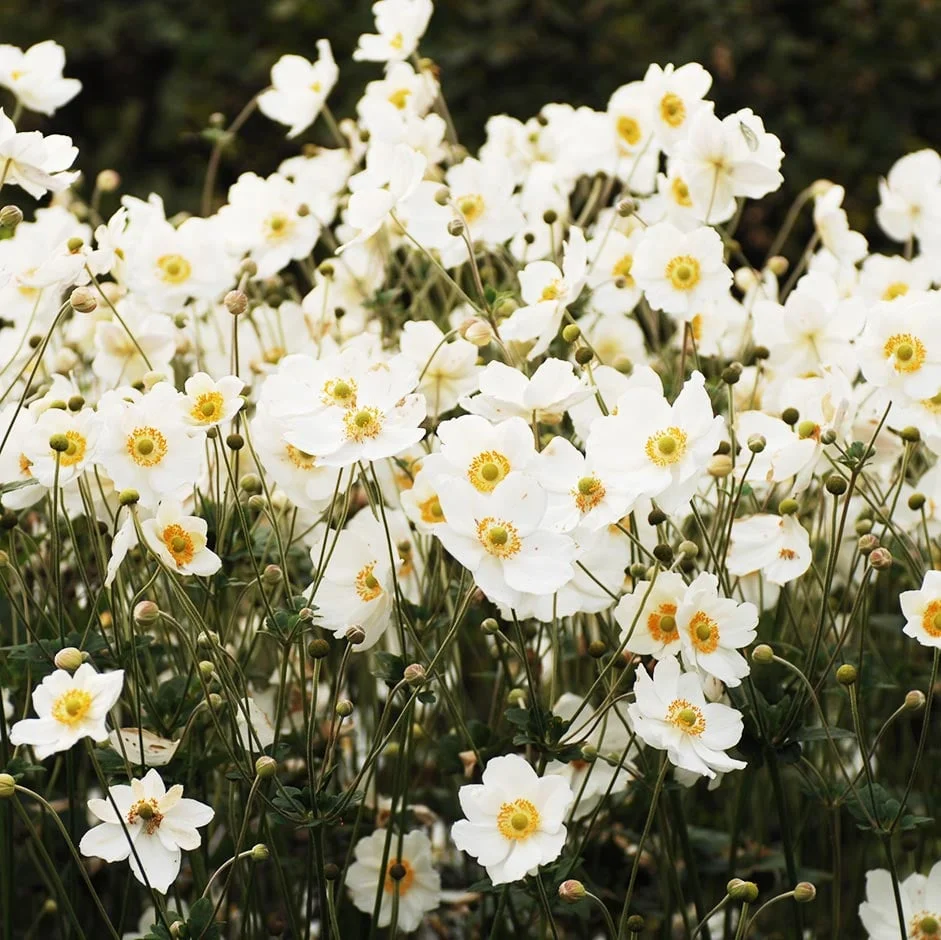
Fresh green leaves appear in spring, forming lush clumps. Thin but sturdy, upright stems rise above them, carrying usually saucer-like, white or pink flowers from late summer into autumn. Plants disappear below ground over winter.
Preferences
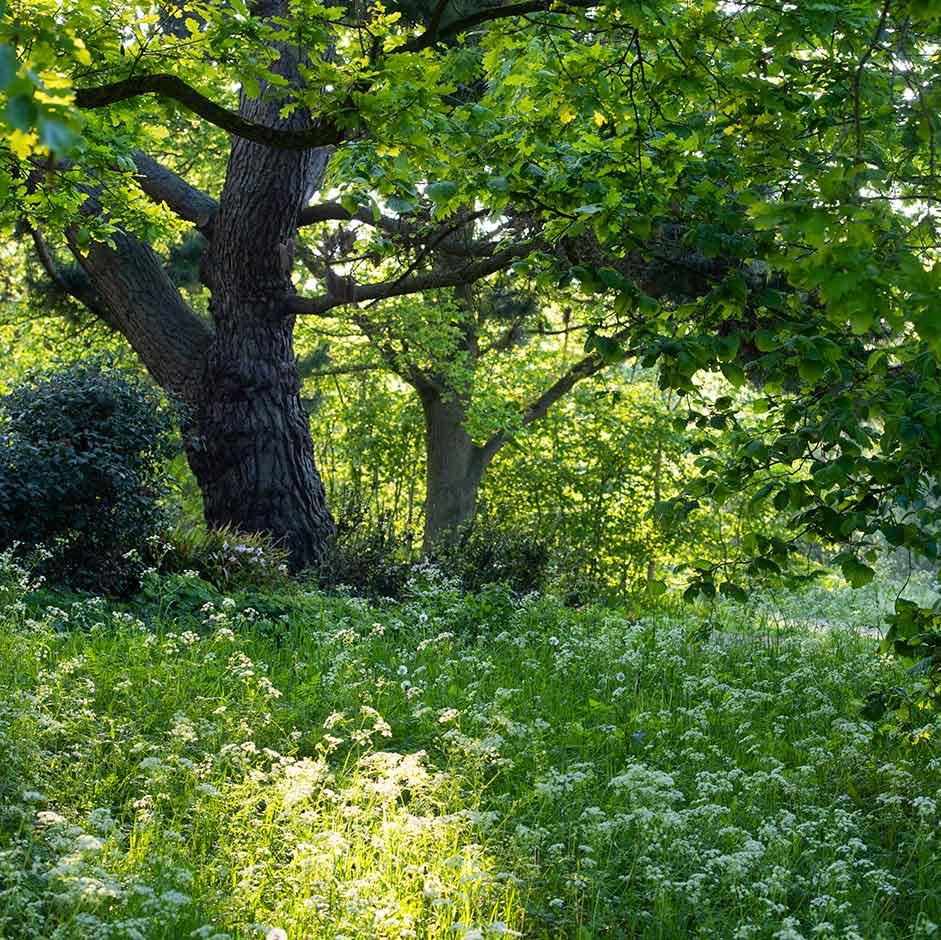
Japanese anemones appreciate reliably moist but freely draining soil in light, dappled shade or sun.
Dislikes
Perennial anemones dislike soil that is cold and wet in winter. They will not flower freely in deep shade or in very dry conditions.
Did you know?
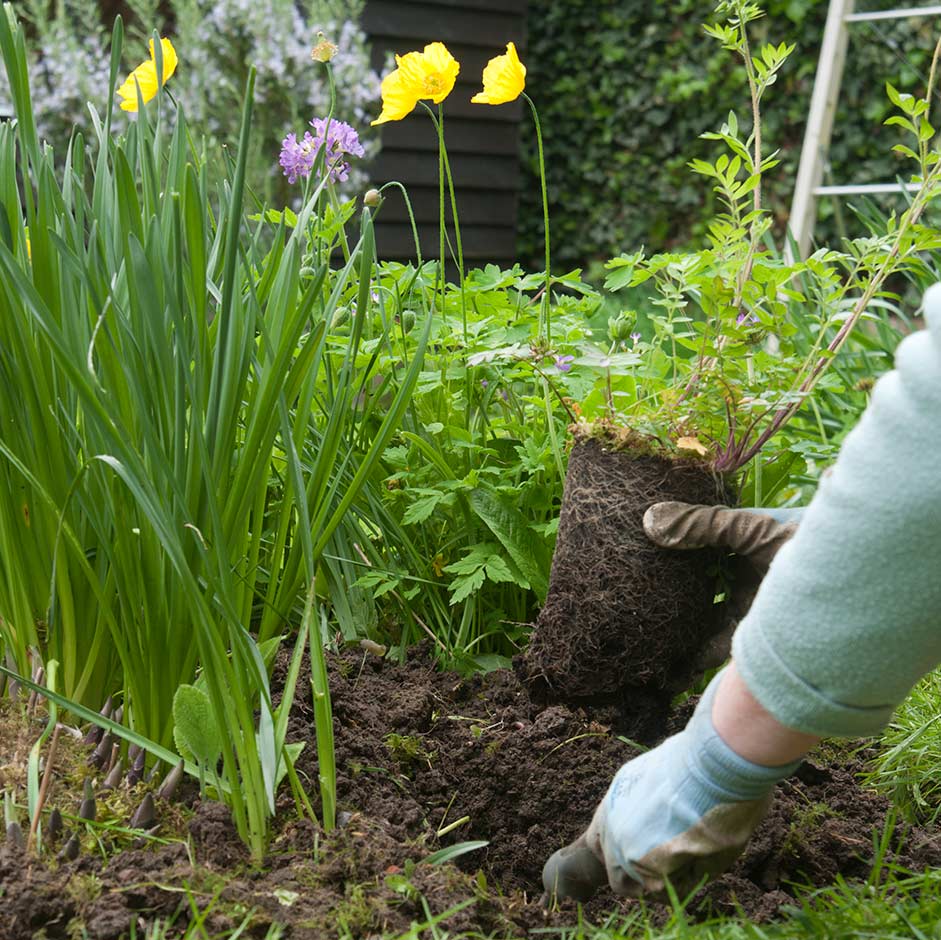
Plants spread readily over time, often wandering through borders. When transplanting, remove all traces of the roots, as any pieces left behind can produce new plants. This does, however, mean they are easy to propagate from root cuttings.
RHS Growing Guide

FREE
Read our comprehensive free RHS Growing Guide:
How to grow Japanese anemones

Introducing Japanese anemones
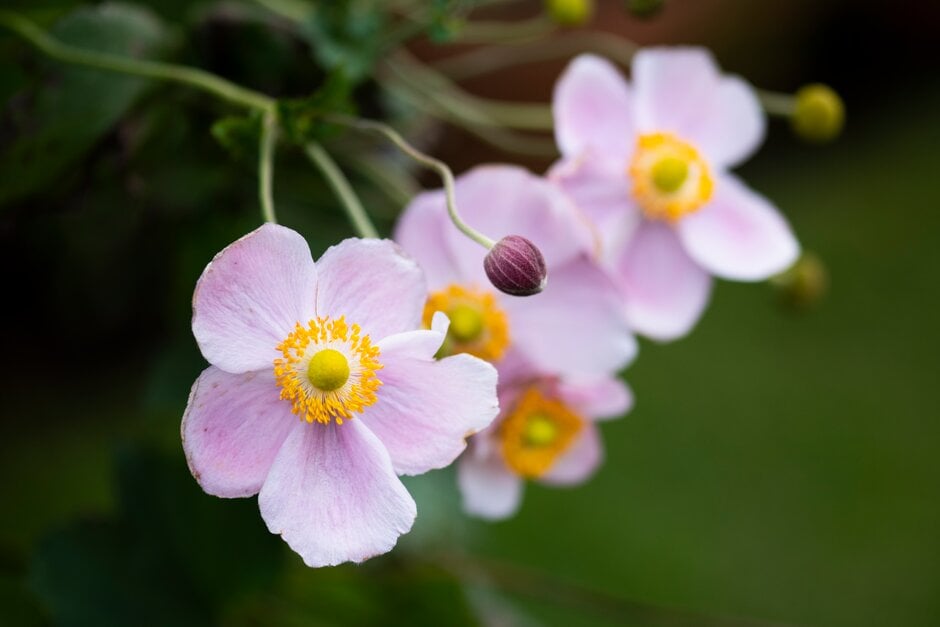
Anemone × hybrida 'September Charm'
Japanese anemone 'September Charm'
- Height
- 0.5–1 metres
- Width
- 0.5–1 metres
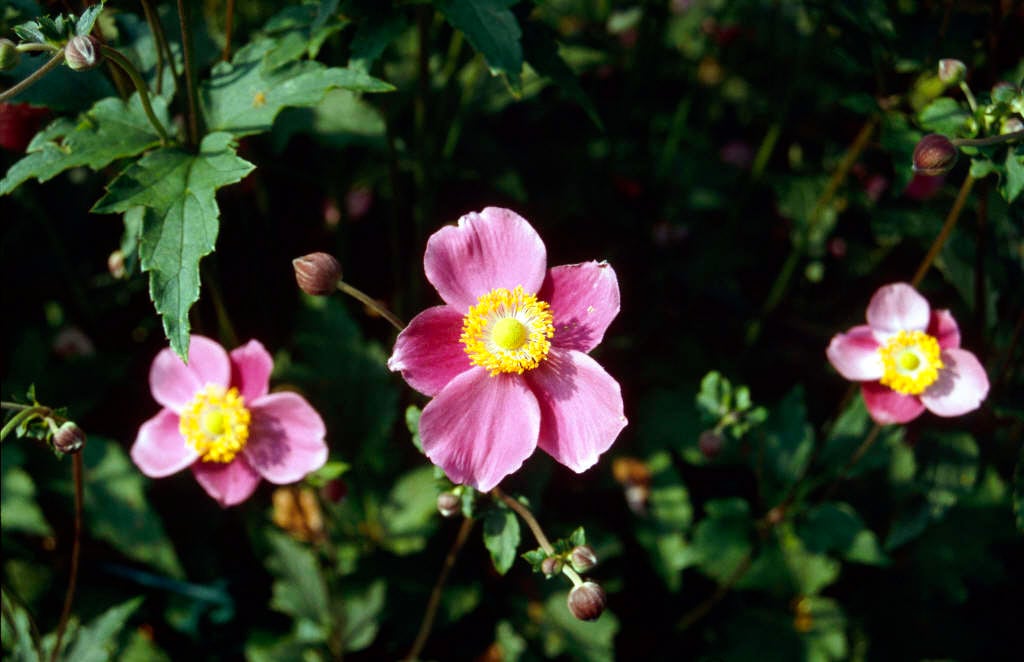
Anemone hupehensis 'Hadspen Abundance'
Japanese anemone 'Hadspen Abundance'
- Height
- 0.5–1 metres
- Width
- 0.5–1 metres
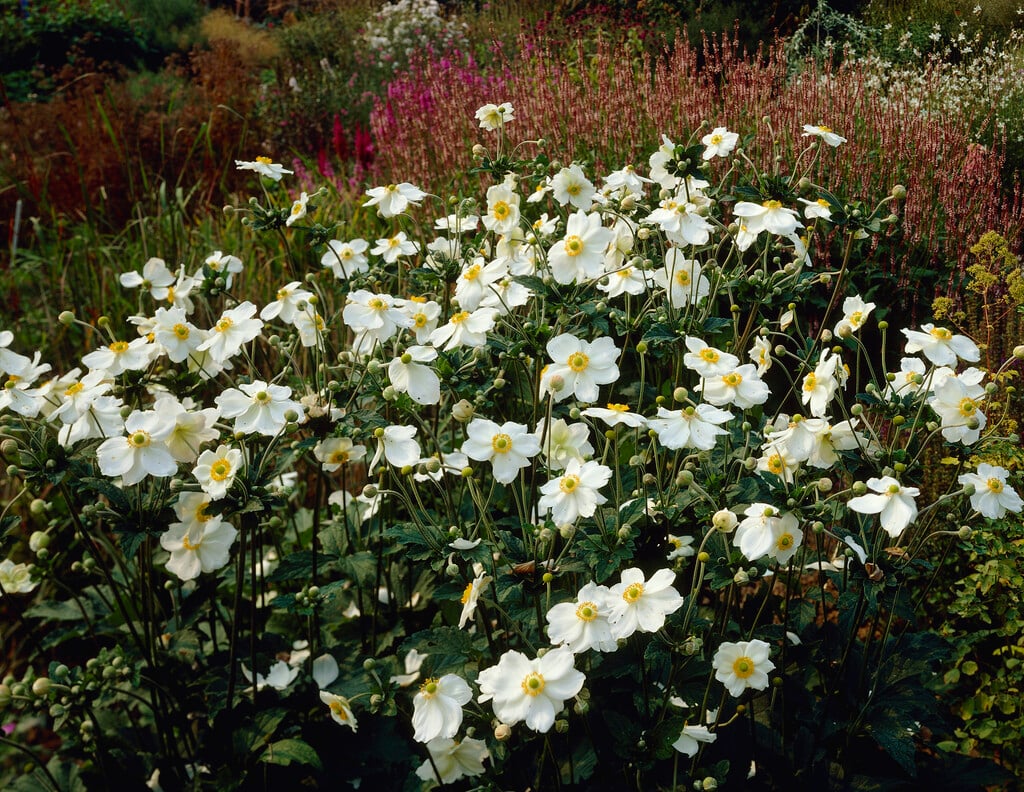
Anemone × hybrida 'Honorine Jobert'
Japanese anemone 'Honorine Jobert'
- Height
- 1–1.5 metres
- Width
- 0.5–1 metres
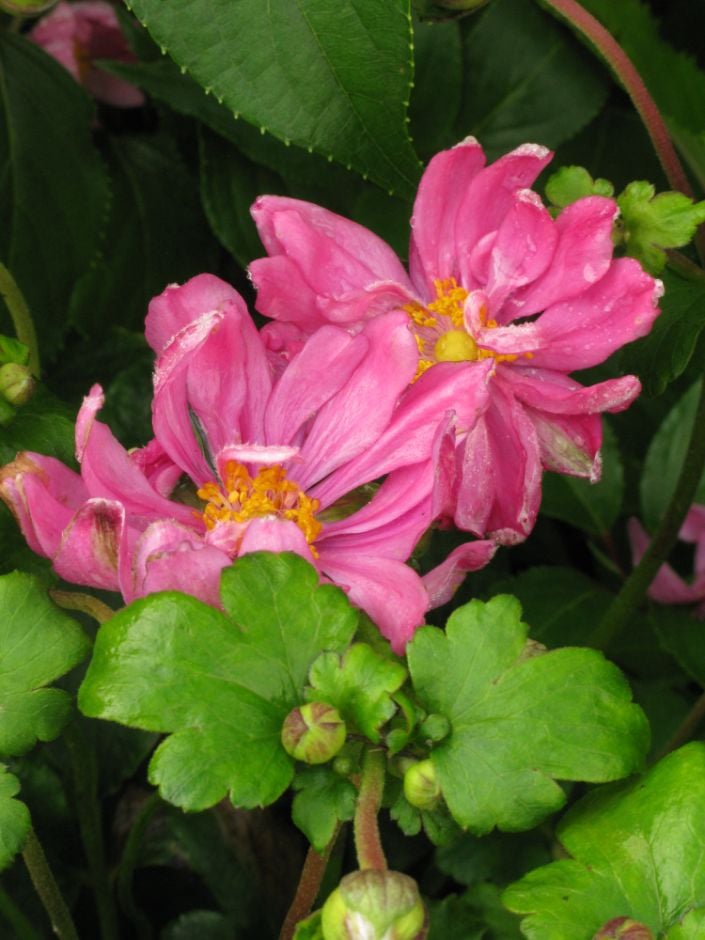
Anemone hupehensis var. japonica 'Pamina'
Japanese anemone 'Pamina'
- Height
- 0.5–1 metres
- Width
- 0.1–0.5 metres
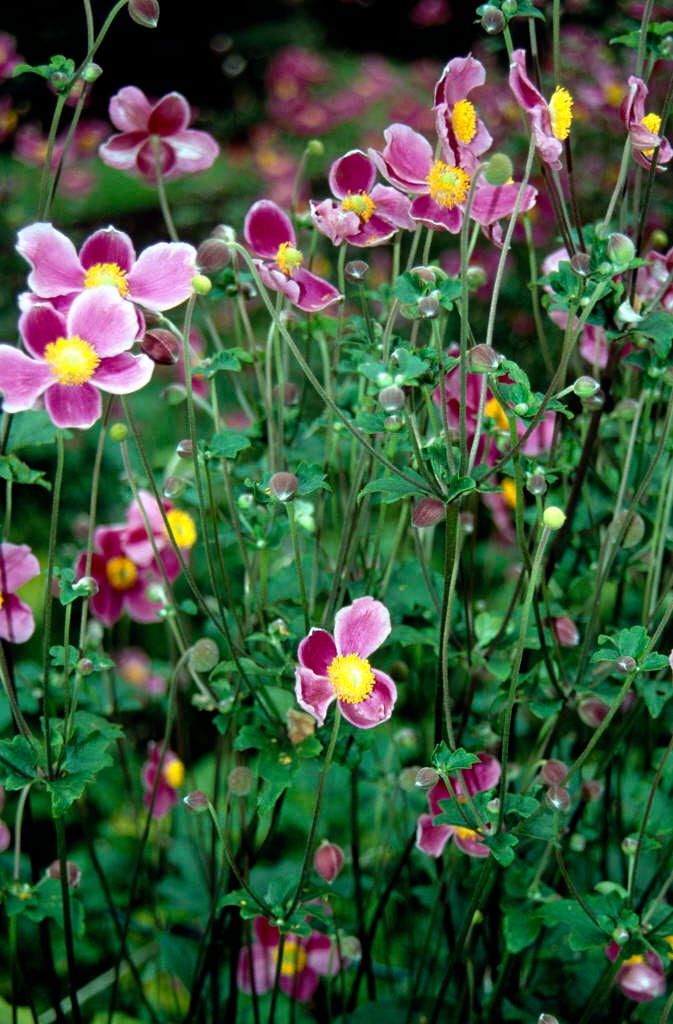
Anemone hupehensis 'Bowles's Pink'
Japanese anemone 'Bowles's Pink'
- Height
- 0.5–1 metres
- Width
- 0.1–0.5 metres
x of x
Showing
x to x
of x