Quick Facts
Easy-to-grow perennials
1
Pink or white flowers in late summer/autumn
2
Flower stems stand 50–150cm (20in–5ft) tall
3
Grow in borders, in sun or partial shade
4
Like rich soil and plenty of rainfall
5
Best planted in autumn or spring
6
Grow new plants from root cuttings
7
Have a tendency to spread
8


Before you get started
What are Japanese anemones?
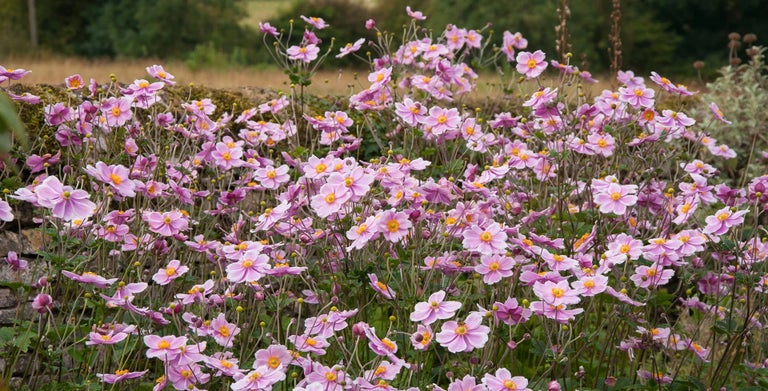
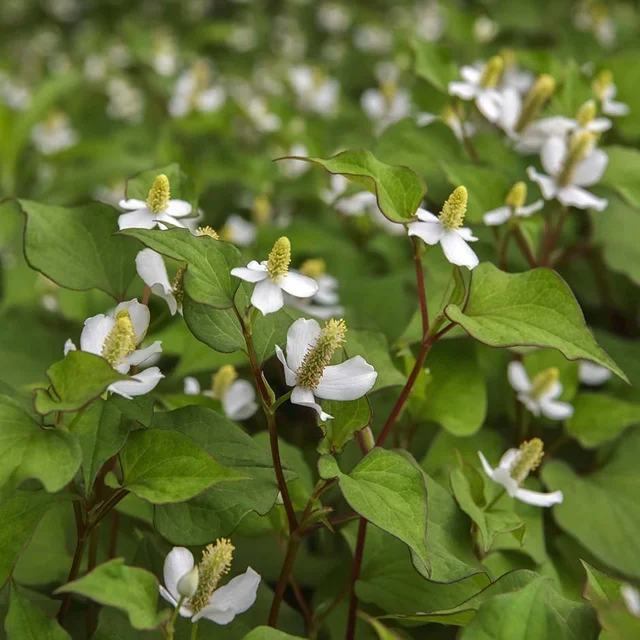
Anemone x hybrida and A. hupehensis are generally known as Japanese anemones, as they both look similar, although other names include Japanese windflower and Chinese anemone. Many cultivars are available, in shades of pink (from rich magenta to soft blush) and pure white. The saucer-shaped flowers may have a single layer of petals, or multiple layers (semi-double or double), and are about 8cm (3in) across, with a circle of bright yellow stamens in the centre.
These vigorous, easy-to-grow perennials have long been popular as border plants, adding valuable colour in late summer and autumn, right through to the first severe frosts. They are herbaceous (so die back in winter and re-sprout in late spring), and belong to the buttercup family.
Japanese anemones have a rather complicated history. They originated in China, from Anemone hupehensis, a of Hupeh Province. Having been taken into cultivation, they seem to have escaped into the wild in both China and Japan, before being introduced into Europe in the 1800s. The hybrids now available are derived not only from these plants but also white-flowered A. vitifolia, from the mountains of northern India and western China, and violet-pink A. tomentosa, from north-west China.
Choosing the right anemones for you
Most Japanese anemones are easy to grow and low maintenance, suitable for many sites, including shade. They prefer rich, fertile soil that doesn’t get really dry or become .
Once established, they can form large spreading clumps, so need plenty of space. The flower stems generally reach about 1m (3⅓ft) tall, but in fertile soils can get to 1.5m (5ft), so they are ideal for the middle or back of borders. There are a few smaller cultivars, such as ‘Pretty Lady Diana’, at only 60cm (2ft) tall, which suit smaller spaces and containers.
The flowers attract pollinating insects, so are ideal for wildlife-friendly gardens. Japanese anemones are also resistant to slugs, snails and rabbits, so are a useful choice if these thrive in your garden.
As they flower late in the season, Japanese anemones give a useful boost to borders that may be starting to flag. They combine well many other plants, including ornamental grasses and ferns. Although limited to shades of pink and white, these anemones are elegant and striking in full bloom. White-flowered cultivars in particular, such as ‘Honorine Jobert’, are useful for brightening a shady spot, and work well with most border colour schemes.
To browse photos and descriptions of Japanese anemones, go to RHS Find a Plant. You can also search by height, flower colour, growing position, RHS Award of Garden Merit, Plants for Pollinators, and more, to help narrow down your choices. Seven cultivars have an RHS Award of Garden Merit, which shows they performed well in RHS trials, so are reliable choices.

How and what to buy
Japanese anemones are widely available as young plants in spring, in 9cm (3½in) pots, or as more mature flowering plants in summer and autumn in 2–3 litre pots. They are sold by most garden centres, with a wider range from suppliers online.
They are also sold as and plants from some mail-order suppliers in spring – these are usually cheaper and smaller than potted plants, but need to be looked after indoors until they are larger and more robust. See our guide to buying by mail order for care tips.

Planting
When to plant Japanese anemones
Japanese anemones are best planted in spring or autumn, when the ground is moist and warm, so they settle in well.
Still, they can be planted at other times too, and are frequently bought in full flower, for instant colour. But bear in mind that they may be slower to get established, so will need additional watering. Avoid planting in extreme weather, especially in hot, dry conditions.
Where to plant Japanese anemones
These are vigorous plants, so they like rich, fertile soil.
Partial shade suits them best, but they will also grow in sun, as long as they don’t dry out. They like plenty of rain, but not waterlogging.
Be aware that they do have a tendency to spread, so don’t plant them in areas where this might cause problems.
How to plant anemones
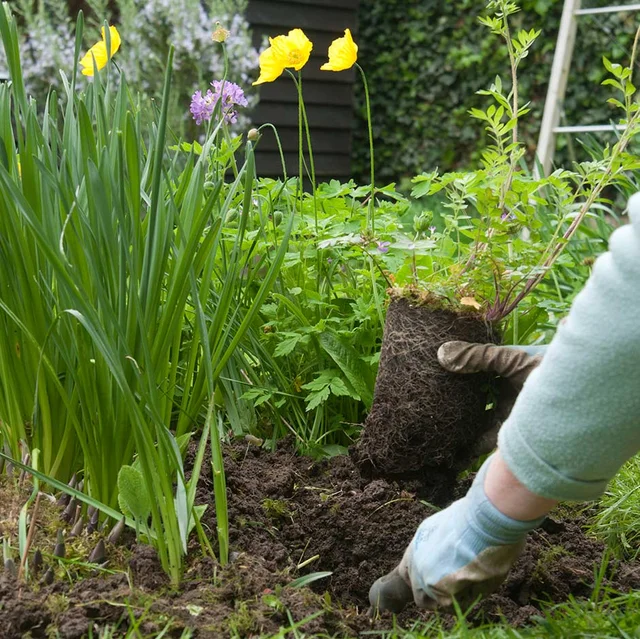
- Japanese anemones bought in pots are easy to plant, in a similar way to most perennials – see our guide below
- When bought as or plants, they first need to be potted up and looked after until they are large enough to plant into borders. See our guide to buying by mail order for care tips
Ongoing Care
Watering
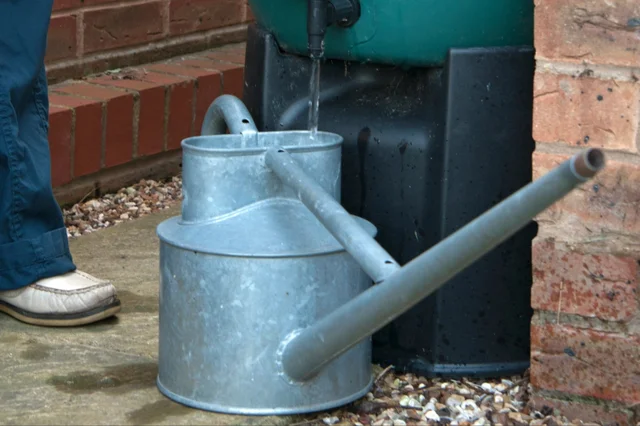
- When newly planted, Japanese anemones need watering, for at least the first summer until established
- Once established, plants in borders should only need watering in long dry spells or if growing in a dry site
- Compact cultivars growing in containers need additional watering throughout the , as the limited amount of dries out quickly, especially in hot weather
Mulching
Japanese anemones appreciate a mulch of organic matter (such as garden compost) over the surrounding soil each spring. This adds , helps to deter weed and holds moisture in the soil through summer.
Feeding
Anemones don’t generally need feeding when growing in rich soil. Regular mulching is usually sufficient.
Caring for older plants
Japanese anemones naturally spread, eventually forming clumps more than 1.2m (4ft) wide. If they get too large, you can reduce the size of the clump by digging out sections in late autumn or early spring and replanting elsewhere. Thriving clumps can be divided every three or four years – see Propagating, below.
Pruning and Training
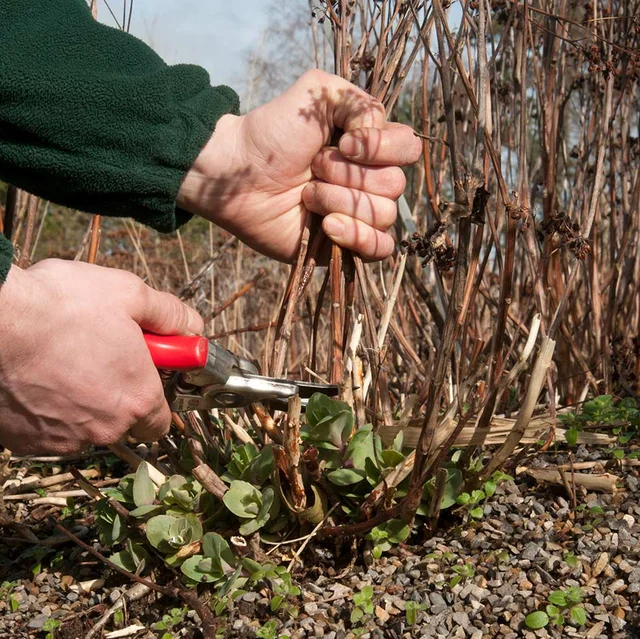
Simply snip out dead foliage and old flower stems in early spring, right at the base. Do this before new growth starts, so you don’t accidentally damage any emerging new shoots.
If possible, resist the temptation to tidy up faded growth in autumn, after flowering, as it provides valuable shelter for insects and other small creatures over winter.
Even though the flower stems grow quite tall, they are sturdy and don’t generally need staking.

Propagating
Dividing clumps
This is the easiest way to propagate well-established Japanese anemones and is best done in spring. The resulting plants will be exactly the same as the parent plant.
However, plants can be slow to recover and may take a year to start flowering again.
Taking root cuttings
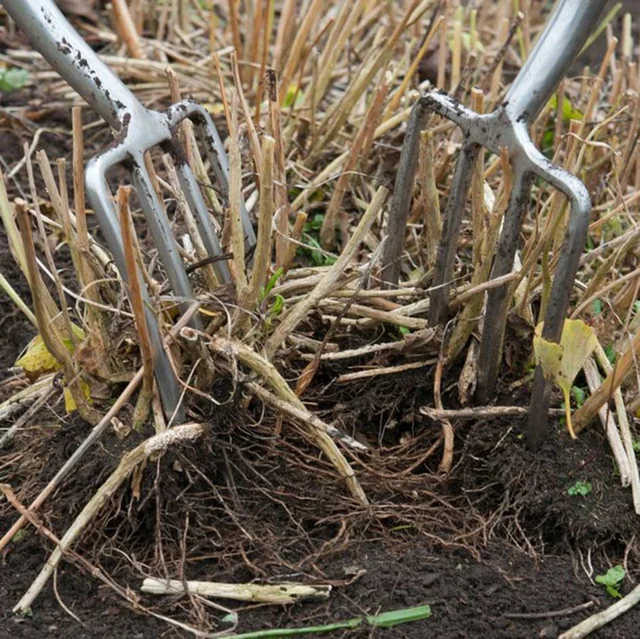
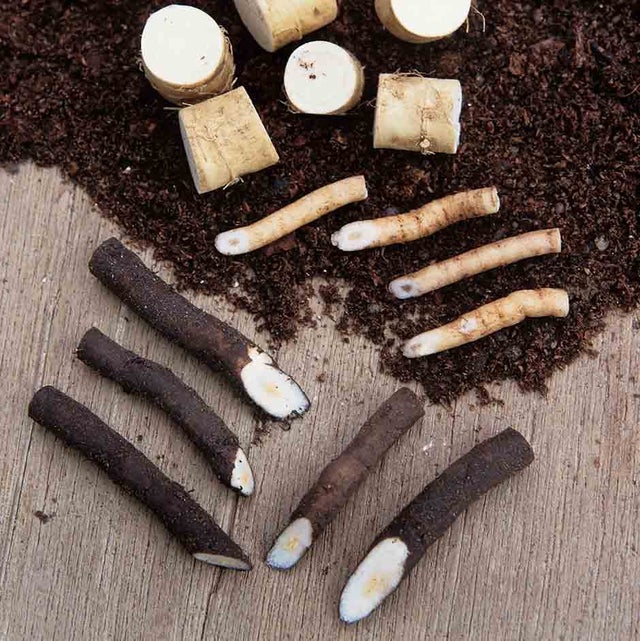
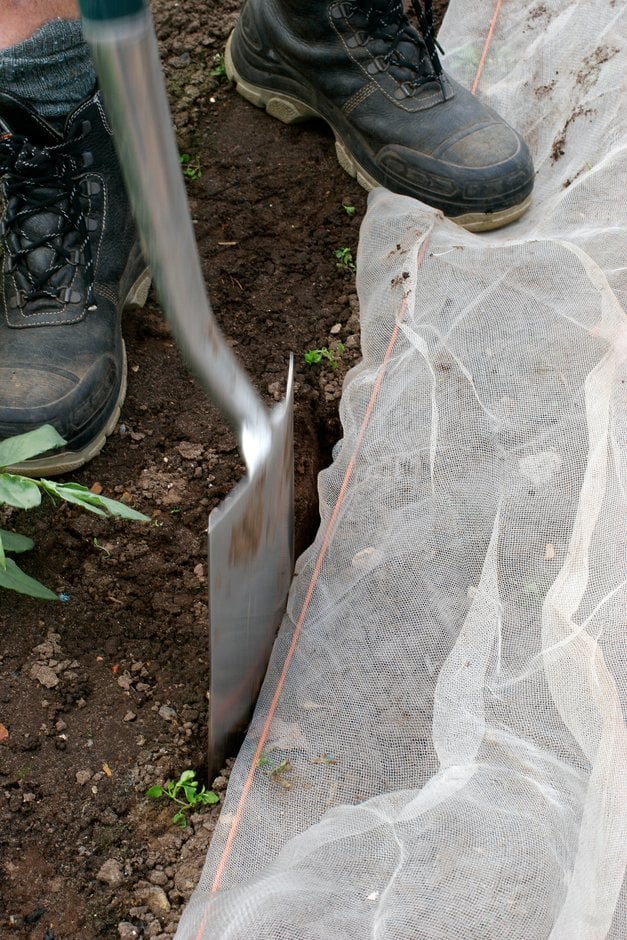
Japanese anemones grow readily from root taken in autumn. It’s best not to dig up the clump though, as this can cause a check in growth. Instead, simply dig down beside it to find a fleshy root, and snip it off.
Short lengths of root should be laid horizontally onto trays of damp, free-draining, peat-free potting , to form roots and shoots.
The resulting plants should establish well and flower in a couple of years. They will be exactly the same as the parent.
From seed
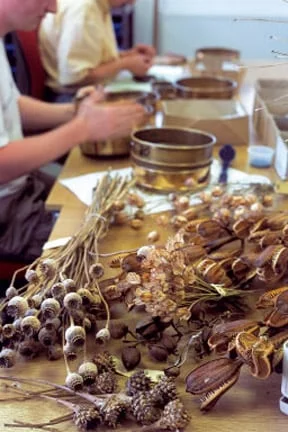
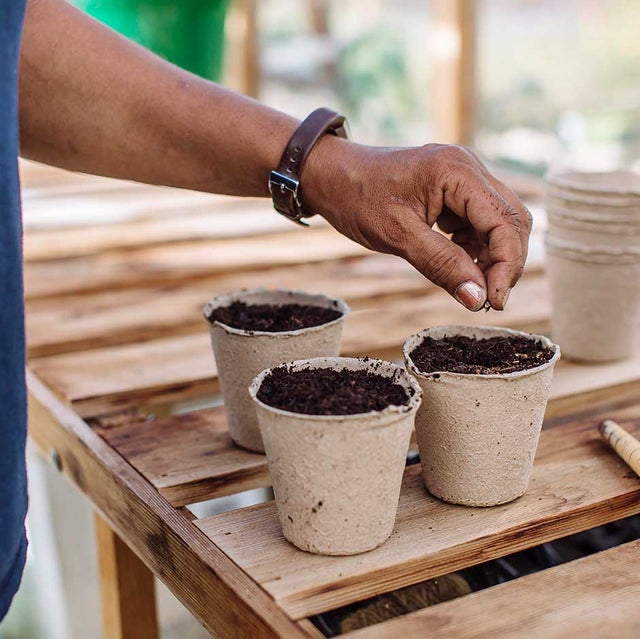
- Freshly gathered seeds of species anemones, such as A. hupehensis, should germinate well if sown in moist, gritty, free-draining, peat-free . The resulting plants will be identical to their parent
- Hybrids, such as A. x hybrida, tend to produce very little fertile pollen, and seed is rarely produced
- With packeted seeds, the choice of cultivars is very limited
- Seed-raised plants will take several years to reach flowering size
Problems
Pests and diseases
Japanese anemones are usually healthy, trouble-free plants when given the right growing conditions. They are even resistant to slugs, snails and rabbits.
However, they may occasionally be affected by:
- Powdery mildew – especially in dry conditions
- Leaf and bud eelworms – these cause small angular patches of damage on older leaves, which should be picked off and destroyed
- Yellowing or browning leaves – may be a sign of dry soil. Apply a mulch to help hold moisture in the soil
When buying plants, avoid any with distorted or discoloured leaves (they should be dark green), as this may be the sign of a viral infection.
Controlling Japanese anemones
A slight word of caution about these vigorous plants – once established, they do tend to spread and can be difficult to contain, so are not ideal if space is limited.
They can also be tricky to remove, as they will re-grow from any roots left in the ground. Persistence may be required.
Get more gardening advice
If you’re a member of the RHS, you can use our online Gardening Advice Service, via MyRHS, for any gardening problems or queries.