Shutterstock
 Appearance
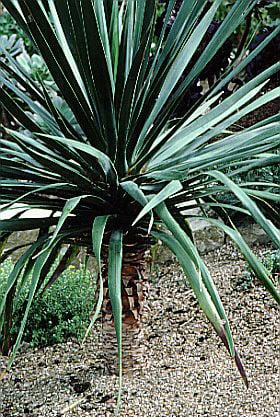
Woody dracaena plants usually have one or more sturdy stems, or canes, with a fountain of long strap-shaped leaves at the top, which are often boldly striped or variegated. Plants occasionally produce clusters of small, highly fragrant, white flowers that are pink in bud.
Preferences
Dracaenas are tropical plants, so they need warmth (at least 18°C/65°F), high humidity and bright but indirect light. When repotting, use an ericaceous peat-free compost, as they prefer slightly acidic conditions, and water with rainwater if possible, or filtered tap water.
Dislikes
Avoid using (hard) tap water, as it can reduce the acidity of the compost and its fluoride content can damage the foliage. Periods of cold (below 5°C/40°F) can harm these tropical plants, while placing them too close to a radiator in winter will cause browning of the foliage. The roots will rot if the compost is kept too wet.
Did you know?
The name Dracaena is derived from the ancient Greek word drakaina, meaning female dragon. Dracaena draco has bright red sap, known as dragon’s blood.
The Dracaena genus has recently been expanded to include the popular succulent houseplant previously called Sansevieria, or snake plant, following new DNA analysis. However, the latter have different growing requirements, so still have a separate Sansevieria growing guide.
RHS Growing Guide

FREE
Read our comprehensive free RHS Growing Guide:
How to grow dracaena

Introducing Dracaena
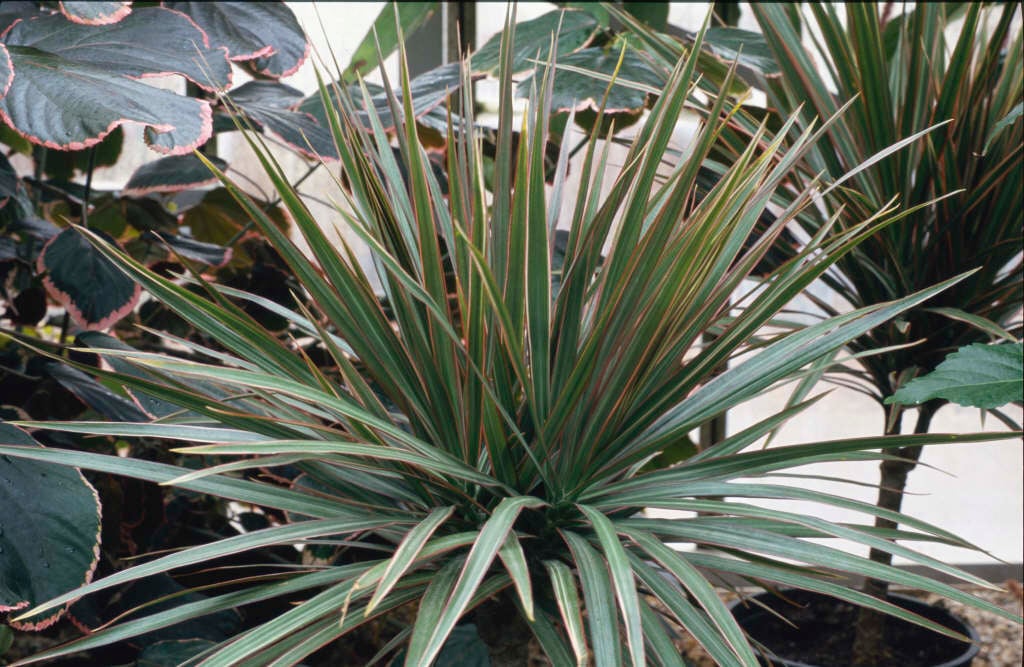
Dracaena marginata 'Tricolor' (v)
three-coloured Madagascar dragon tree
- Height
- 1.5–2.5 metres
- Width
- 1.5–2.5 metres
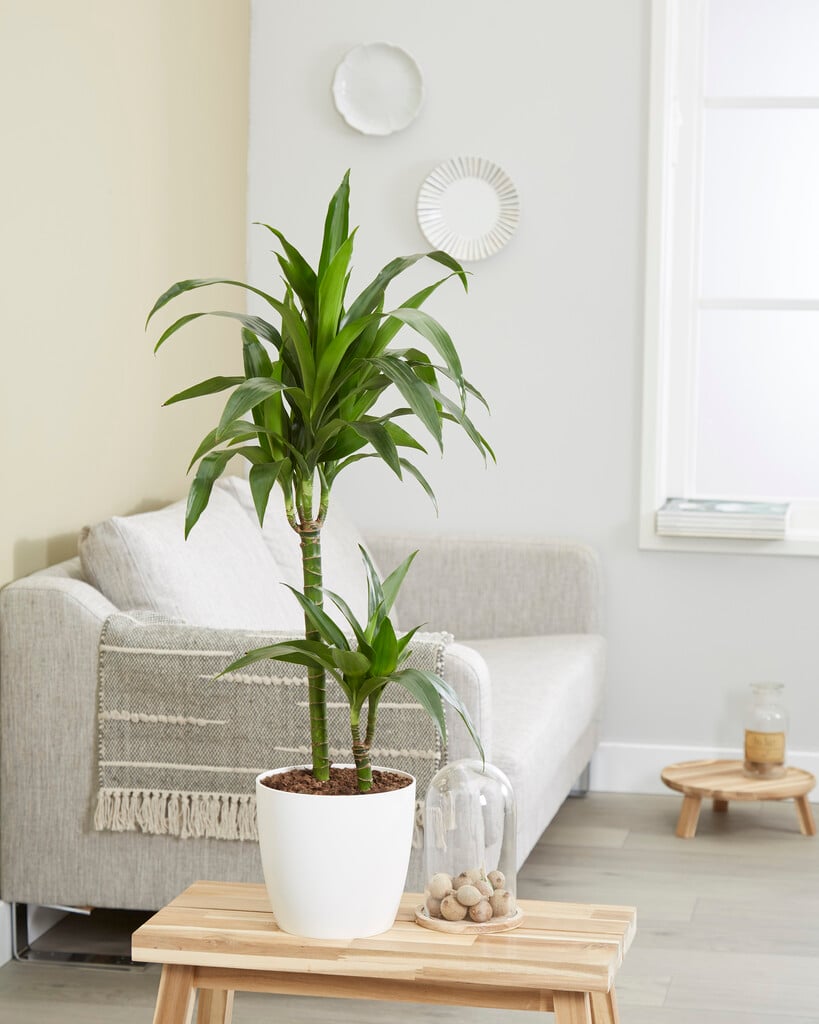
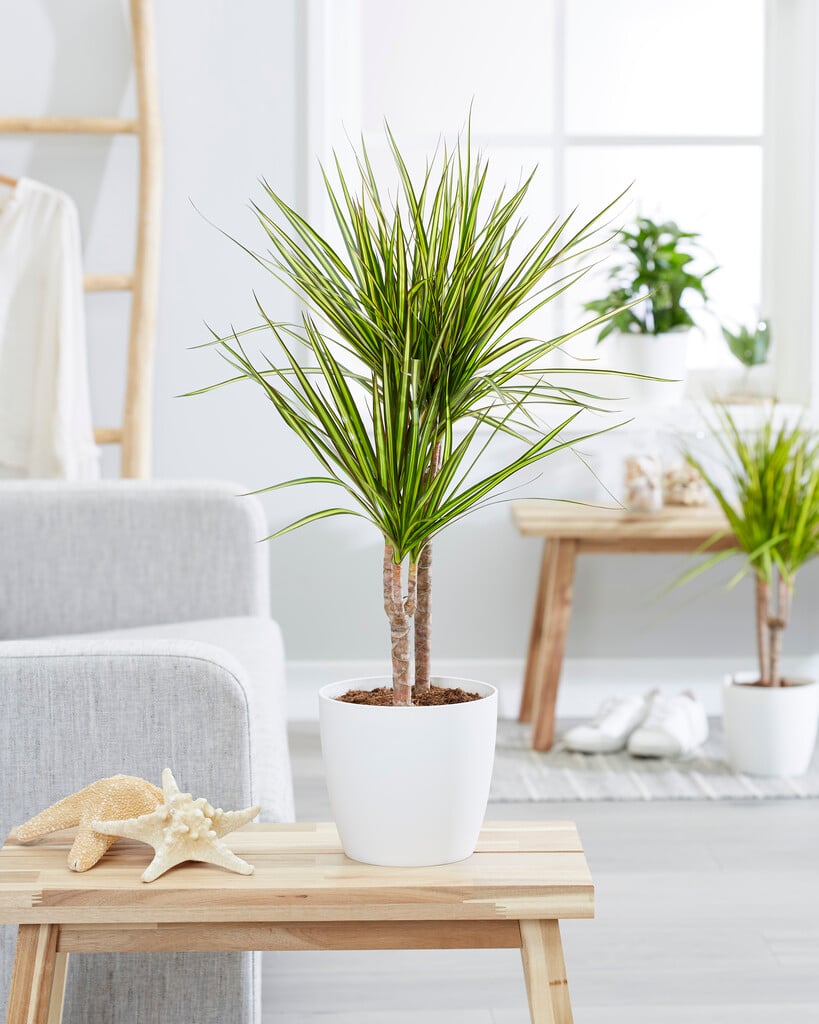
Dracaena marginata 'Sunray' (v)
Madagascar dragon tree 'Sunray'
- Height
- 1.5–2.5 metres
- Width
- 0.1–0.5 metres
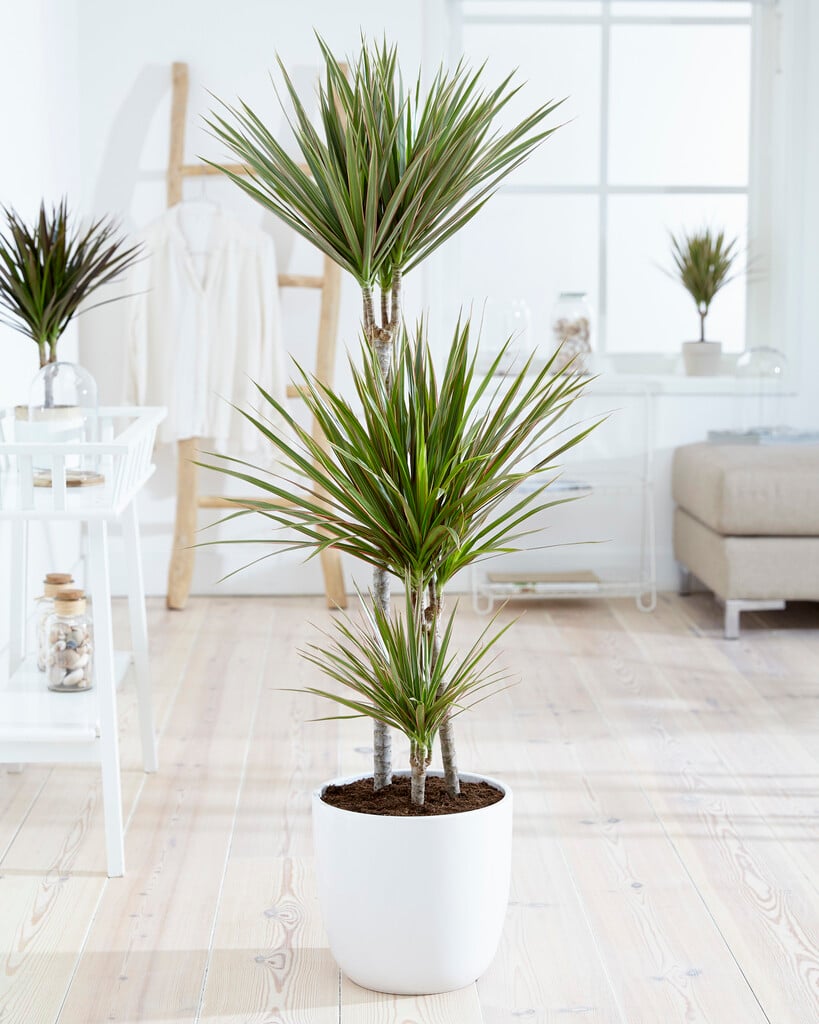
Dracaena marginata 'Bicolor' (v)
Madagascar dragon tree 'Bicolor'
- Height
- 2.5–4 metres
- Width
- 1.5–2.5 metres
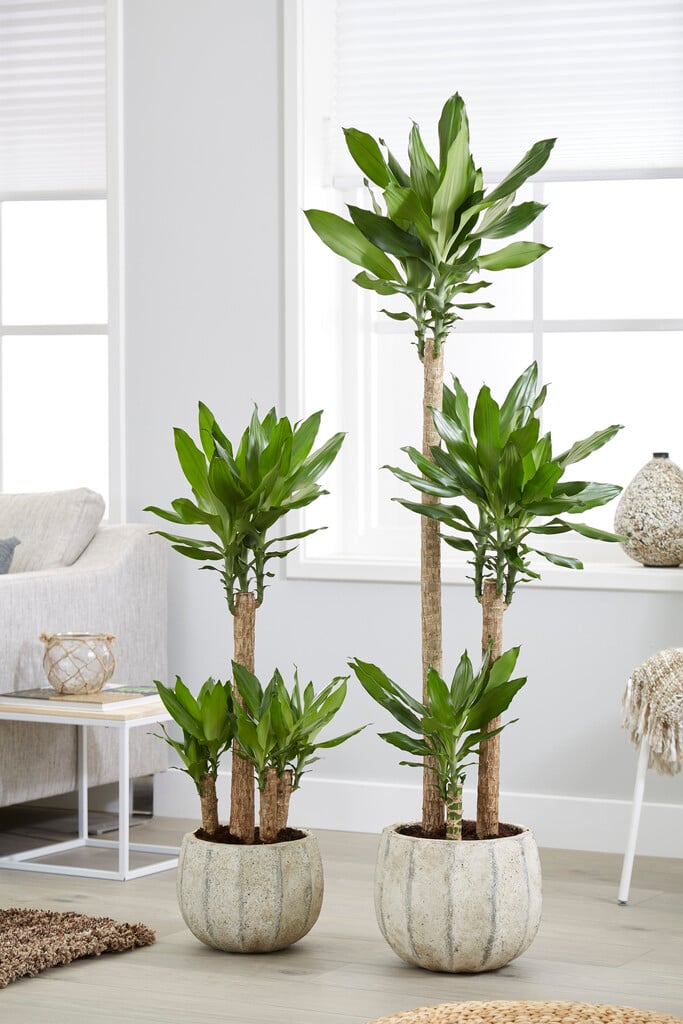
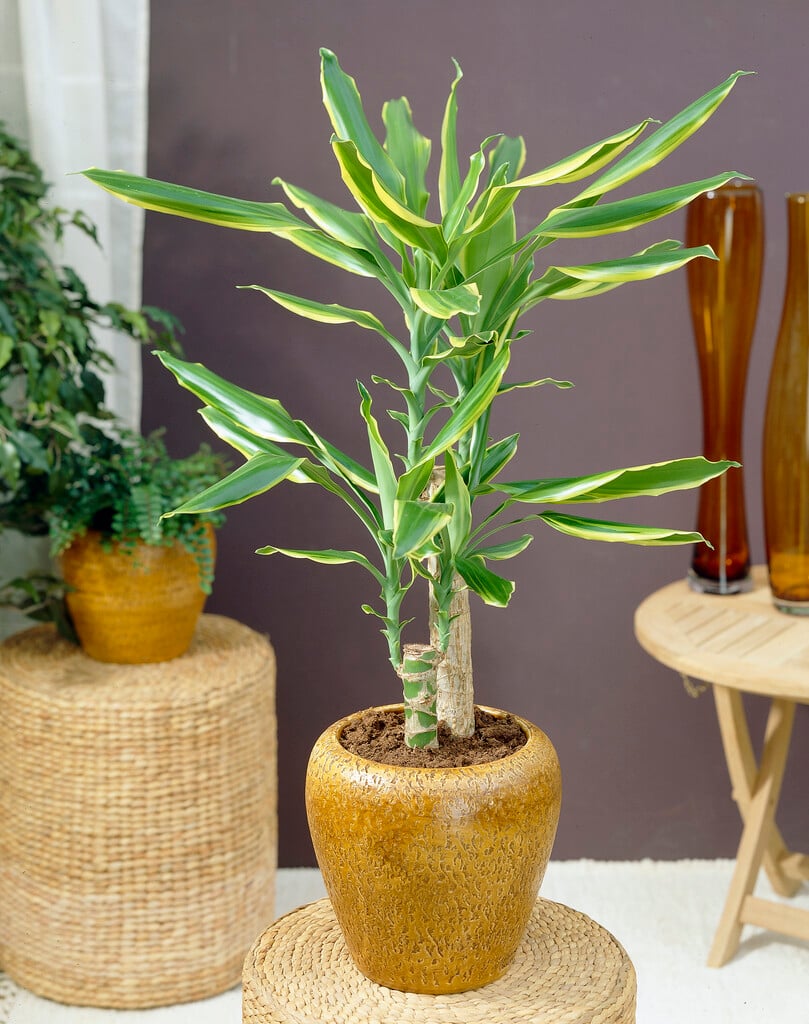
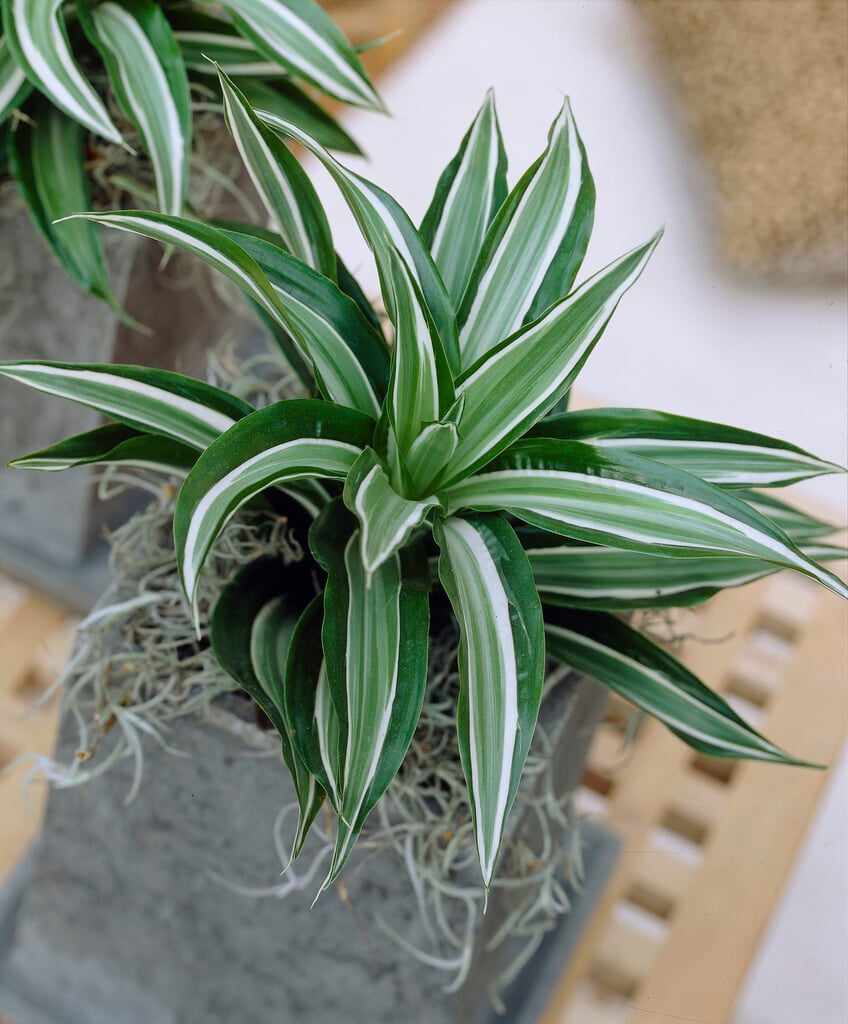
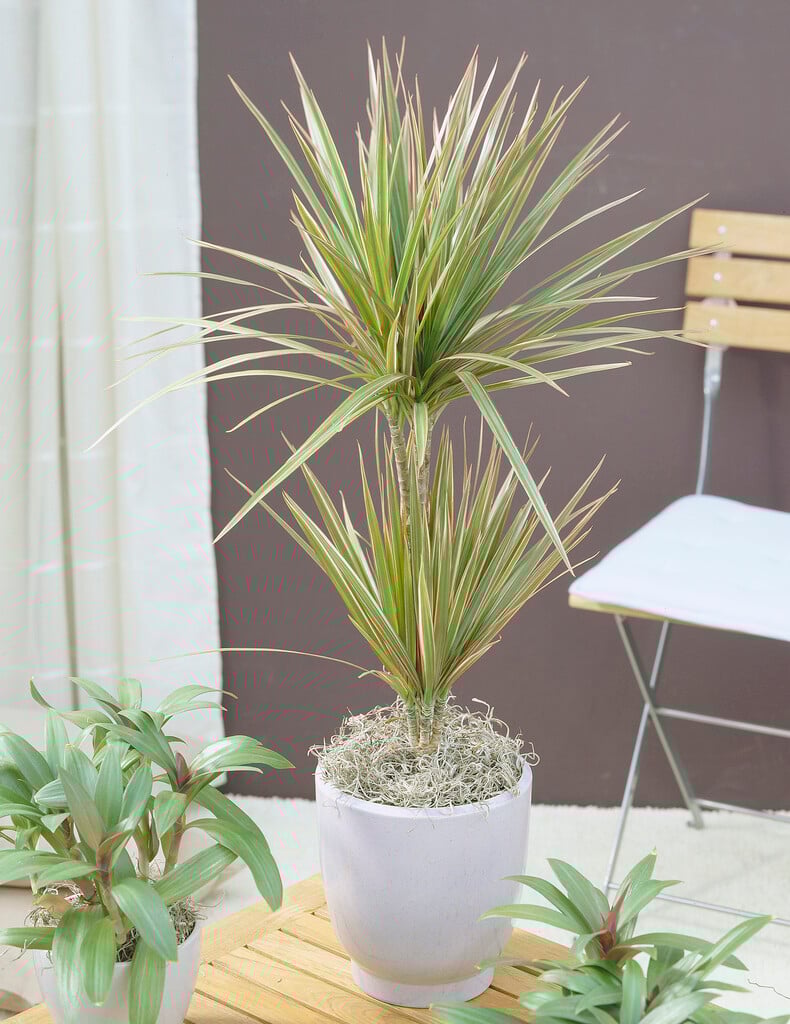
Dracaena marginata 'Colorama' (v)
Madagascar dragon tree 'Colorama'
- Height
- 1–1.5 metres
- Width
- 0.1–0.5 metres
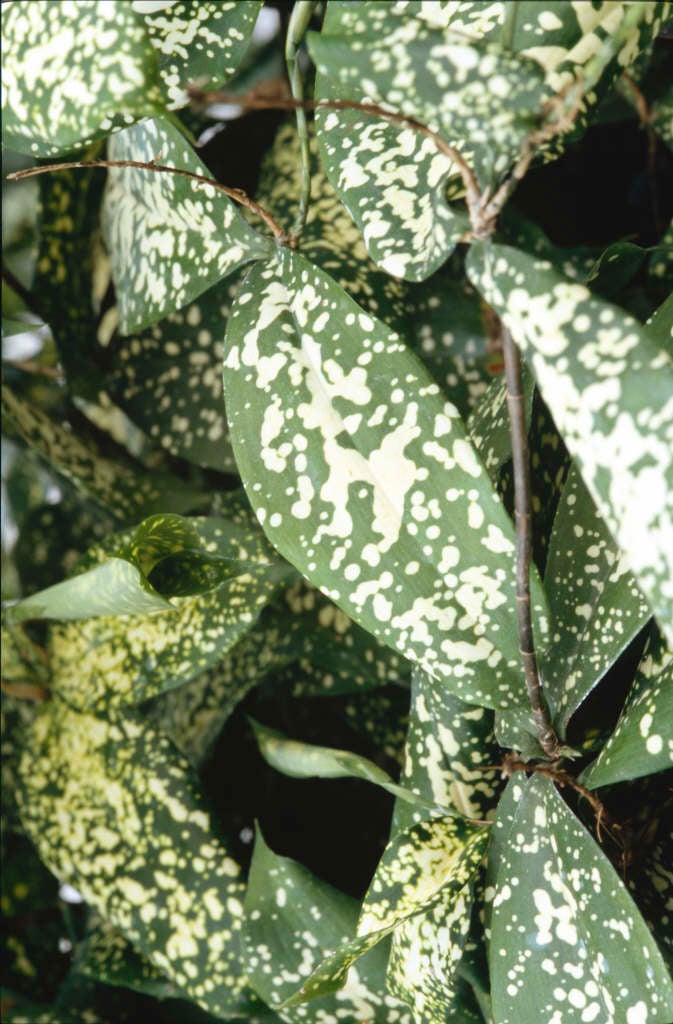
Dracaena surculosa 'Florida Beauty' (v)
spotted dracaena 'Florida Beauty'
- Height
- 0.5–1 metres
- Width
- 0.5–1 metres
x of x
Showing
x to x
of x