Quick Facts
They need year-round warmth and indirect light
1
Plants can be damaged by fluoride in tap water, so use rainwater or filtered water if possible
2
The main stem gets taller over time, potentially reaching a stately 2m (6½ft) or more
3
They occasionally produce clusters of small, white, starry flowers that perfume the whole room
4
All parts of the plant are toxic
5


Before you get started
What are dracaenas?
Dracaenas or dragon plants (usuallyDracaena fragrans and D. marginata) are very popular, easy-going and long-lived houseplants. Mostly originating in tropical areas of Africa, southern Asia and Australia, they like warmth, indirect light and slightly acidic ( ) .
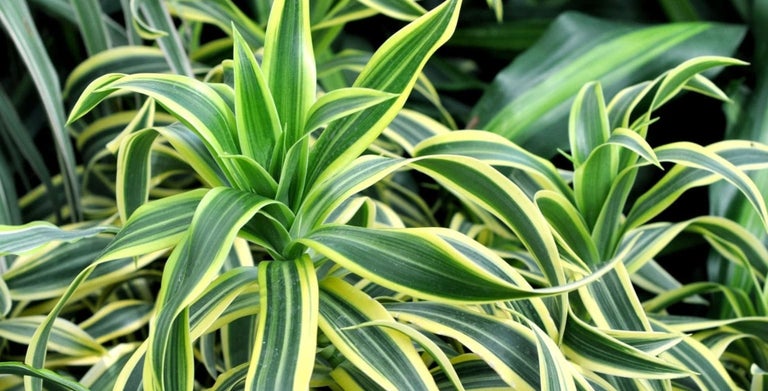
They have long, narrow, pointed leaves that are usually or boldly striped. Starting as a leafy rosette at ground level, plants develop a tall woody stem as they mature, with the leaves at the top. Older plants can reach an impressive 2m (6½ft) or more, but they can easily be pruned to keep them more compact if you wish.
Following DNA research, the Dracaena genus has been expanded to include another popular houseplant previously known as Sansevieria(snake plant), but this growing guide focuses solely on woody dracaenas.
Dracaenas are poisonous to cats and dogs, so position them carefully, out of reach of both pets and young children.
Choosing dracaenas
There are several species and many cultivars to choose from, mainly varying in the leaves, which can be different lengths, widths and colour combinations. Some of the most popular are:
- Dracaena fragrans – with glossy leaves up to 40cm (16in) long. Cultivars include ‘Lindenii’ with yellow-edged leaves, ‘Warneckei’ with long leaves boldly striped with white and grey, and with an RHS Award of Garden Merit for good performance, and ‘Lemon Lime’ with vibrant yellow and green striped leaves, and an RHS Award of Garden Merit
- Dracaena marginata– the Madagascan dragon tree, which has an RHS Award of Garden Merit, showing it’s a recommended choice. Cultivars include ‘Sunray’ with yellow-striped leaves, ‘Tricolor’ with cream-striped, crimson-edged foliage and an RHS Award of Garden Merit, and ‘Colorama’ with yellow-streaked leaves that have pink margins
Buying dracaenas
Due to their popularity, woody dracaenas are available from most houseplant retailers, with larger outlets offering the widest choice of cultivars.
Look for a plant in excellent health with unmarked leaves and no signs of browning or damage. As these are tropical plants, take care not to expose them to cold temperatures when bringing them home.


Planting
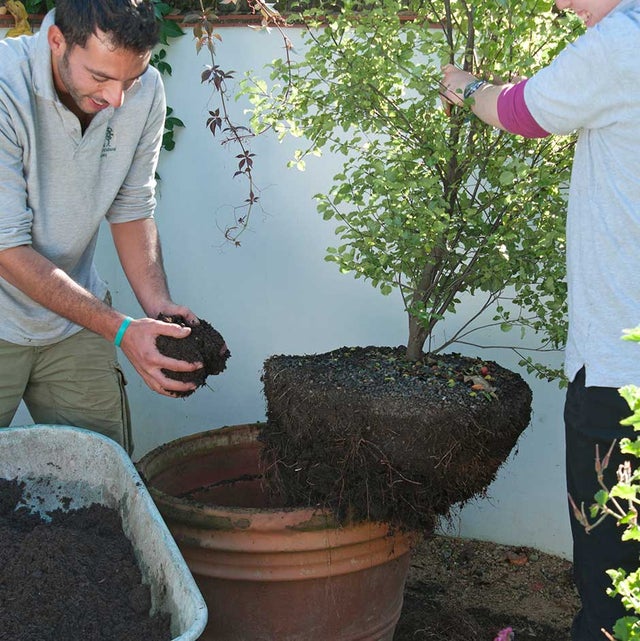
Newly bought plants can usually be kept in their original pot for several years. Once the roots become overcrowded, repot in spring into a slightly larger container – avoid using a much larger pot (known as overpotting), as the will tend to remain too wet for too long, which can cause root rot.
Use a loose, fast-draining yet moisture-retentive, ericaceous (acidic) compost that is loam-free – a suitable mix would be three parts peat-free compost, one part and one part medium-sized orchid .
Continue repotting every two to three years, into a pot one size larger, to maintain healthy growth.
See our guides to repotting houseplants for more tips:

Ongoing Care
Location
Position your dracaena in bright but indirect light, such as in a west-facing or east-facing window, or shaded by sheer curtains/blinds in a south-facing window. Keep out of direct sun in summer, which can scorch the leaves.
Temperature
Keep your dragon plant in a consistently warm location, at 18–30°C (65–86°F), for best growth. Avoid cold draughts and hot radiators.
Humidity
These tropical plants enjoy humid air, so place the pot in a saucer over a tray of moist gravel, or group several plants together, which will create a humid microclimate around them. Mist the leaves occasionally too.
Watering
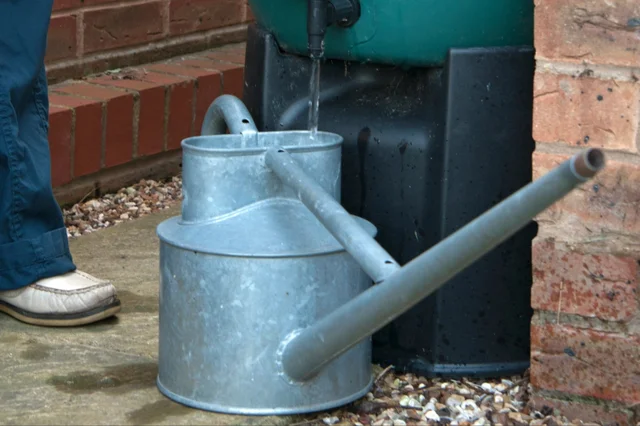
Maintain the acidity of the by only using rainwater or filtered water. Hard tap water is alkaline and will neutralise the acidity. Let the water reach room temperature before applying. The fluoride in tap water can also damage the foliage, causing the tips to turn brown.
Always check the compost before watering – only water once the top 5cm (2in) feels dry to the touch. If you keep the compost wet by watering too often or by leaving the plant sitting in water for long periods, the roots will start to rot.
Feeding
To improve growth, feed from April to October with a general liquid houseplant fertiliser. Take care not to overfeed, as this can hinder rather than help, damaging the roots and reducing the plant’s health.

Pruning and Training
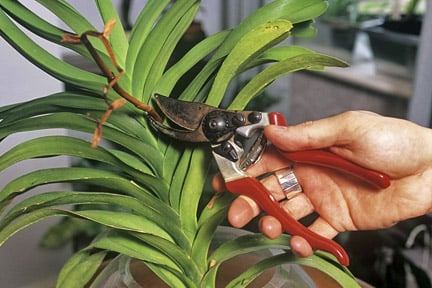
Dragon plants respond well to pruning, readily producing new shoots on the stems just below where the cut is made. This means you can easily keep plants to a manageable height if you wish.
They are attractive grown as a free-form bush or trained into a ‘standard’ form with branching and foliage atop a single stem.
Propagating
It’s easy to grow new plants from semi-ripe and hardwood cuttings in summer – provide ‘bottom heat’ by using a or a heated mat, for best results.
Alternatively, if you want more of a challenge, you can try growing from seed. If your plant flowers and produces fruits, remove the seeds and sow in a at 18–21°C or (64–70°F). Bear in mind that the resulting offspring may differ from the parent.
Problems
Dracaenas are generally robust, long-lived and tolerant plants, if given the growing conditions they need – see Ongoing care, above. But occasional problems include:
- Dying leaves or brown leaf tips – may be a sign of overwatering, underwatering, fluoride in tap water, sun scorch from too much direct light, very dry air, a cold draught or being too close to a heat source such as a radiator. Also see our video guide to light levels and our video guide to houseplant watering
- Mottled leaves or poor growth – may be caused by -sucking insects, including red spider mites,mealybugs and scale insects