Quick Facts
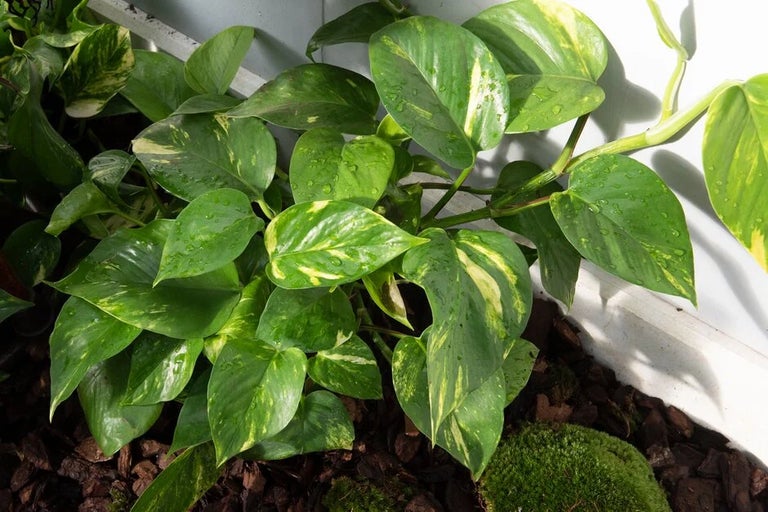
Evergreen, heart-shaped leaves, usually speckled with white or yellow
1
Long stems that trail attractively from a hanging planter or shelf
2
Can also be grown as climbers, usually up a moss- or coir-covered pole
3
Likes bright light but not direct sun, and can tolerate some shade
4
Easy and low maintenance, but avoid overwatering
5
Wear gloves when handling and keep plants away from children and pets
6


Before you get started
What are epipremnums?
These climbing evergreens originate in tropical forests across South-East Asia and Australia. Here they scramble up trees so they can access more light, using fleshy aerial roots that grip onto the tree to support their long leafy stems.
Epipremnums have long been grown as houseplants, being easy to look after and thriving in the conditions found in most homes – namely bright but indirect light, warmth and regular light watering. Just avoid full sun and deep shade. With their lush, glossy foliage and long stems, these plants add a tropical look to rooms, either trailing from a shelf or mantelpiece, or a hanging planter, or growing vertically up a moss- or coir-covered pole.
Unlike many tropical houseplants, they don’t need high , which is a big advantage. And as they’re so adaptable and easy-going, they thrive in a wide range of locations around our homes.
Just be aware that they are members of the arum family (Araceae) and like many of their relatives are toxic, so wear gloves when handling and keep plants away from children and pets.
Choosing epipremnums
There are several cultivars available, offering foliage that is either all green or has white, cream or yellow splashes or flecks. The most widely grown is Epipremnum pinnatum ‘Aureum’ (golden pothos) with green and yellow leaves. It has an RHS Award of Garden Merit (AGM), for excellent performance.
Buying epipremnums
As they are so popular, epipremnums are widely available from most houseplant retailers. Larger outlets will offer a wider choice of cultivars. You may find them still under their previous name of Scindapsus.
Small plants are relatively inexpensive, but for instant impact you may prefer a larger, well-established plant. They are often sold in hanging pots, with their long stems cascading over the sides, or climbing up a moss- or coir-covered pole (usually up to 1m or 3⅓ft tall), creating an impressive vertical focal point.
When buying, choose the healthiest-looking plant with an abundance of leaves and no signs of damage or browning. As these are tropical plants, keep them warm when bringing them home if the weather is cold.
TOP TIP
Epipremnums are easy to propagate, so you may not need to buy one – if you have a friend with a healthy plant, ask if you can take some cuttings. See the Propagating section, below.
Planting
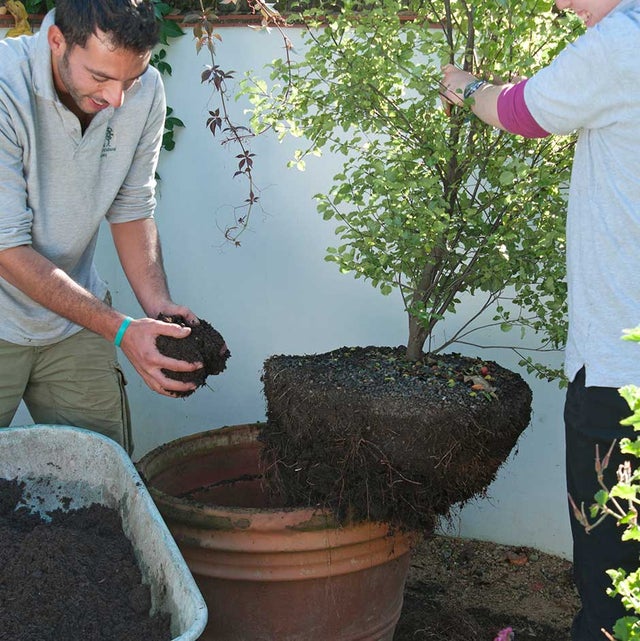
Epipremnums can be kept in their original pot for several years. Once the roots become crowded or start appearing through the drainage holes, repot in spring into a slightly larger container that comfortably accommodates the . Avoid using a pot that is much larger (overpotting), as the will remain wet for too long, risking root rot.
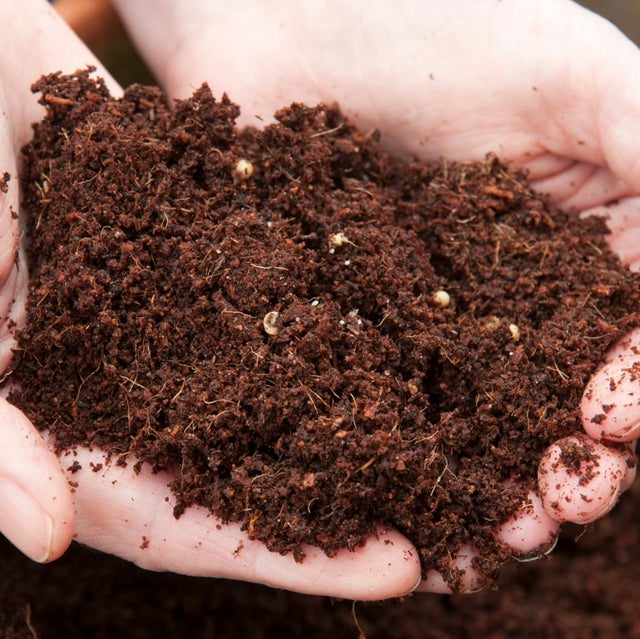
Epipremnums like an open, moisture-retentive but well-drained and slightly acidic compost. So although they will be fine in a peat-free houseplant compost, it’s better to mix your own tailor-made blend if possible, using three parts ericaceous (acidic) peat-free compost, one part grit and one part medium-sized orchid .
Repot every two or three years into a pot one size larger, to keep the roots healthy and the plant growing strongly.
See our video guides to repotting houseplants:
Ongoing Care
Location
Place the plant where it receives bright, indirect light, such as in a west-facing or east-facing window, or protected by sheer curtains or blinds in a south-facing window.
Avoid direct sun, especially in summer, as this can scorch the leaves. Too little light may cause the foliage to lose its and growth to be poor.
Temperature
For best results, keep plants between 18–30°C (65–86°F), avoiding cold draughts and positioning away from direct heat sources such as radiators.
Watering
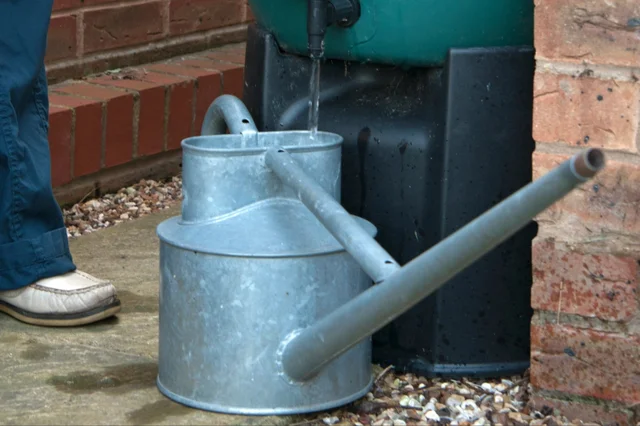
Avoid using tap water on a regular basis – especially in hard water areas – to maintain the acidity of the . Instead use rainwater or filtered water whenever possible, at room temperature.
Only water once the compost is approaching dryness – test it with your finger first. Keeping the compost too wet by too frequent watering or by leaving the plant sitting in water for long periods can cause the roots to rot.
If the plant is growing up a moss- or coir-covered pole, keep this damp so that the stems root into it and stay firmly attached.
Top tip
Wipe the leaves occasionally with a damp cloth to remove dust and help the plant absorb light efficiently.
Feeding
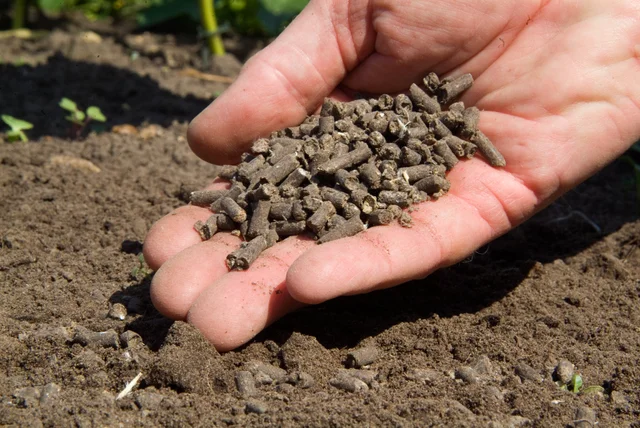
To improve growth, you can feed once a month during the , from April to October, with a general houseplant fertiliser.
Pruning and Training
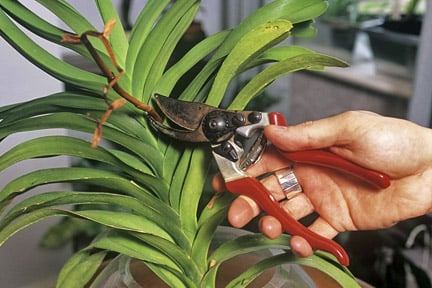
Epipremnums are usually grown either as trailing plants, with their long stems cascading from a hanging basket or a pot on a high shelf, or they are trained up a moss- or coir-covered pole, to make a striking vertical display. To ensure the stems attach themselves to the pole using aerial roots, keep the moss/coir damp. You may also need to tie on any wayward stems. The stems can also be trained up wires, trellis or similar supports, to cover a wall in greenery, but they may need tying in.
If the stems get too long, they can easily be shortened – cut them back to just above a leaf. This also encourages bushier, denser growth, as new shoots will sprout from the leaf joints. So if your plant is looking straggly, prune back the stem tips to stimulate new side-shoots. The cut ends can then be used as (see below).
Always wear gloves when handling or pruning epipremnums, as they are toxic and can irritate skin.
Propagating
Epipremnums are very easy to propagate, as the stems readily produce roots from the leaf joints. The best methods are:
- take stem – remove a section of stem, and trim just below a leaf joint. Stand the cuttings in a glass of water in a bright location until roots appear, then pot them up
- layering – simply pin down a trailing stem into pot of free-draining and roots should start to sprout from the leaf joint
Wear gloves when handling or taking cuttings, as these plants are toxic and can be a skin irritant.