 RHS / Joanna Kossak

Appearance
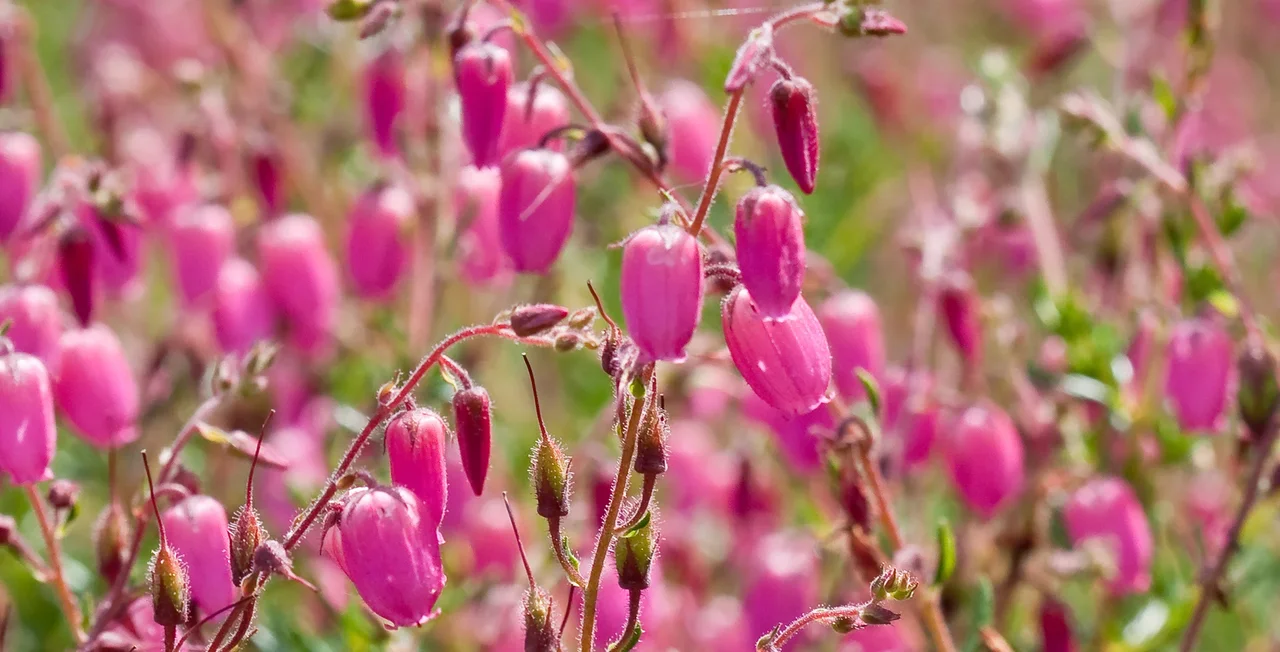
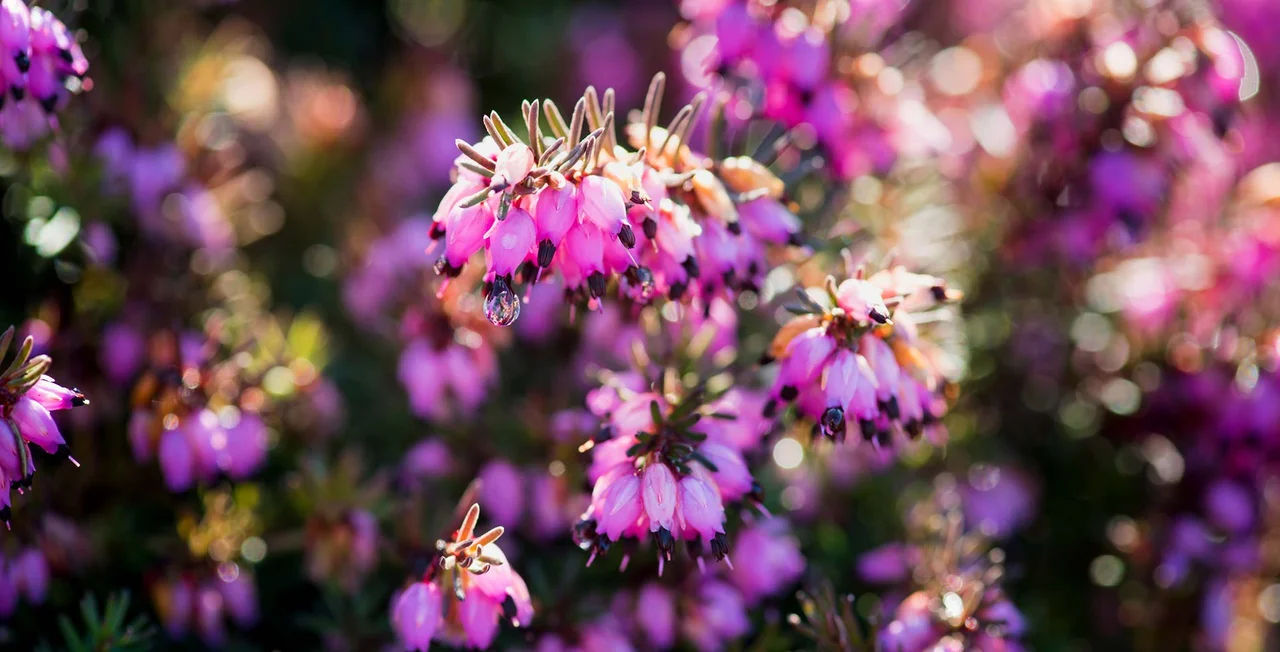
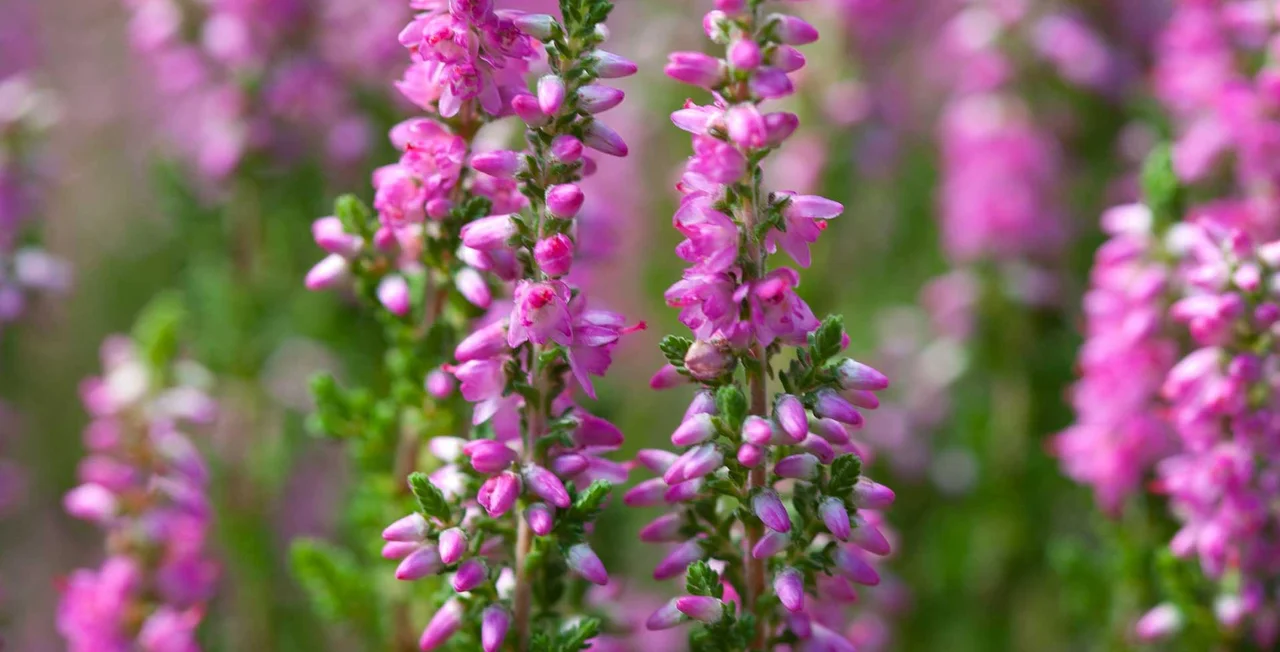
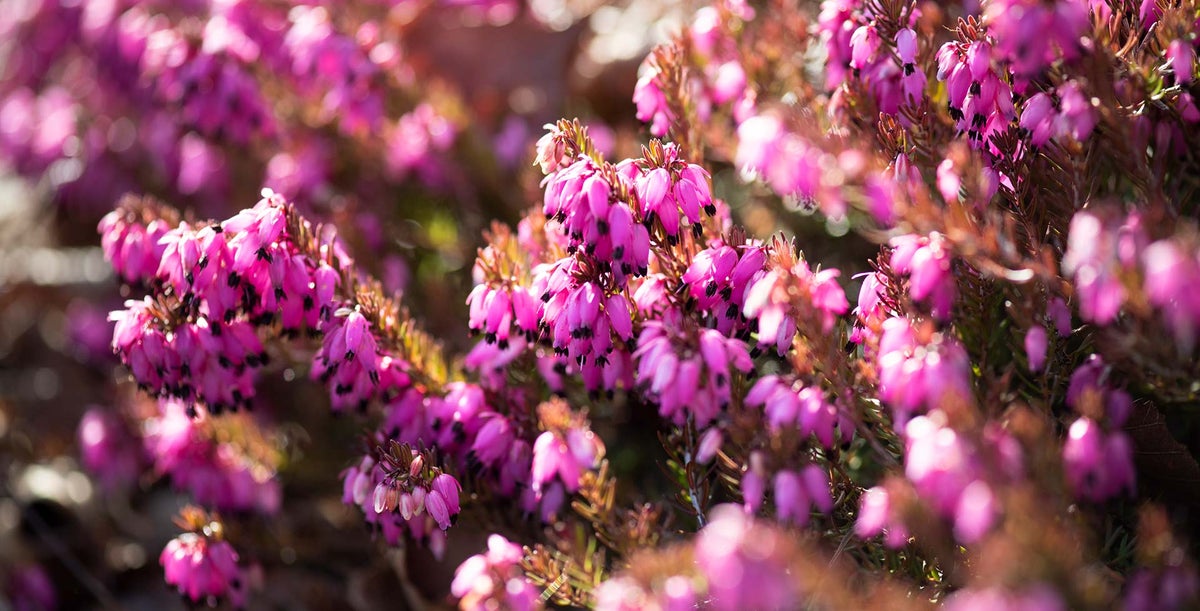
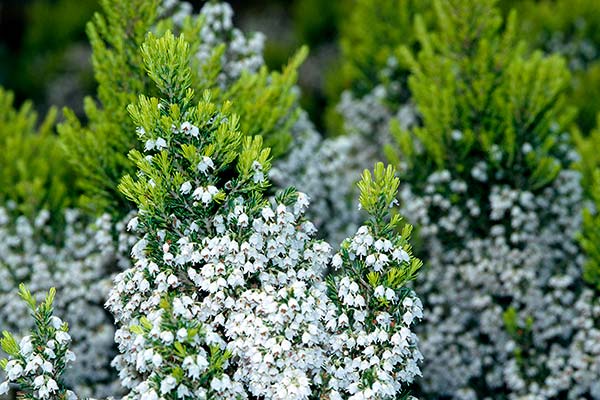
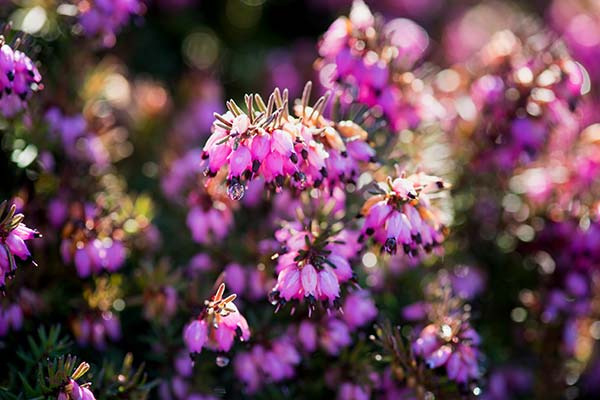
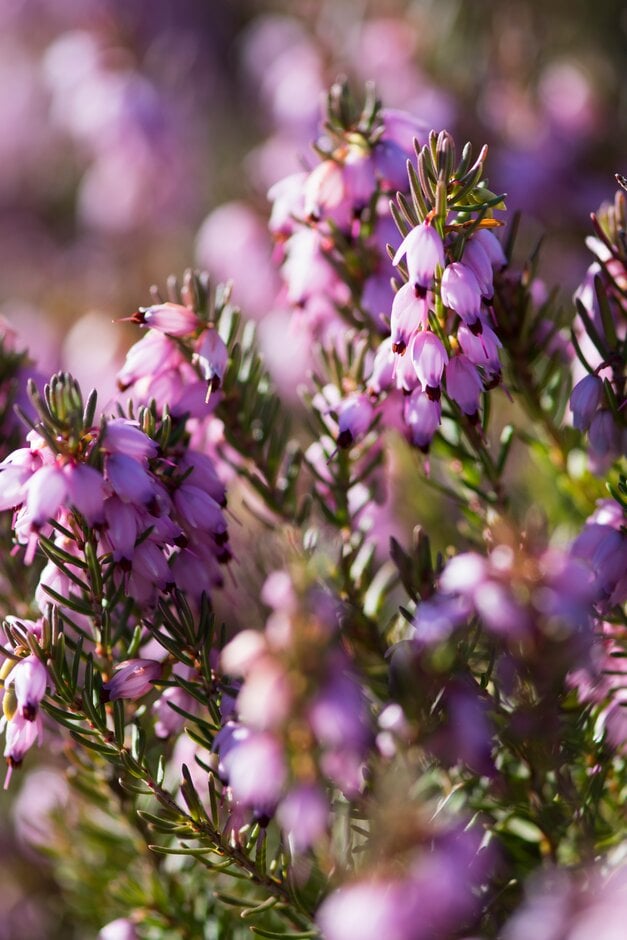
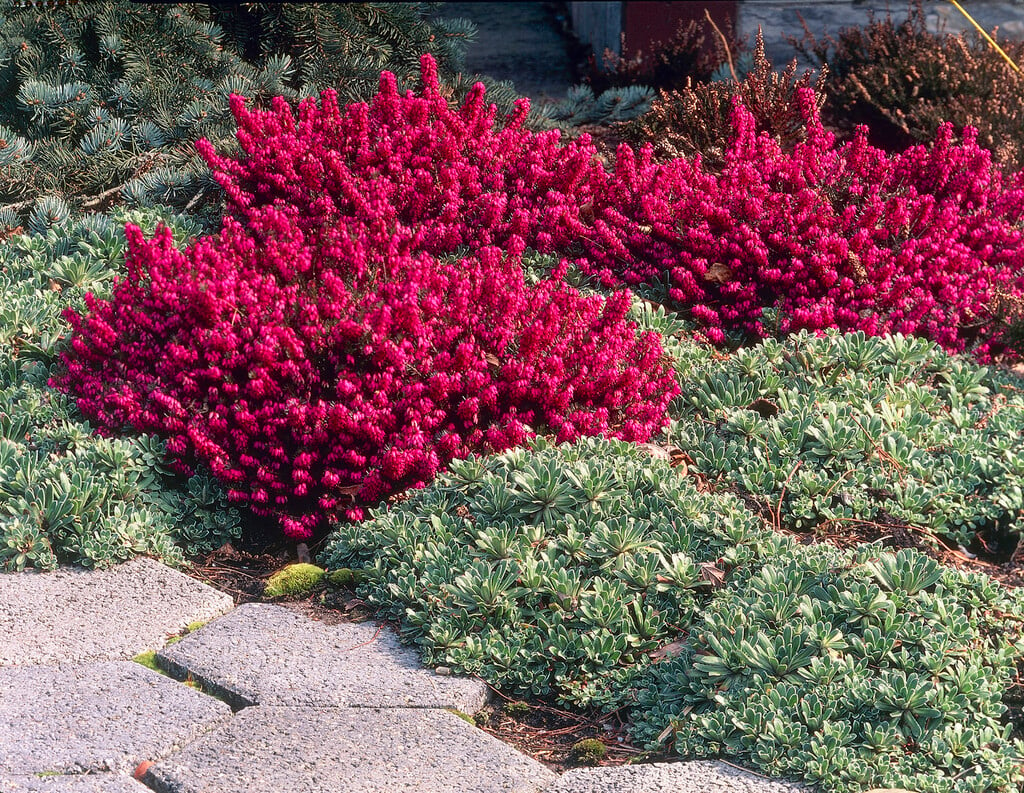
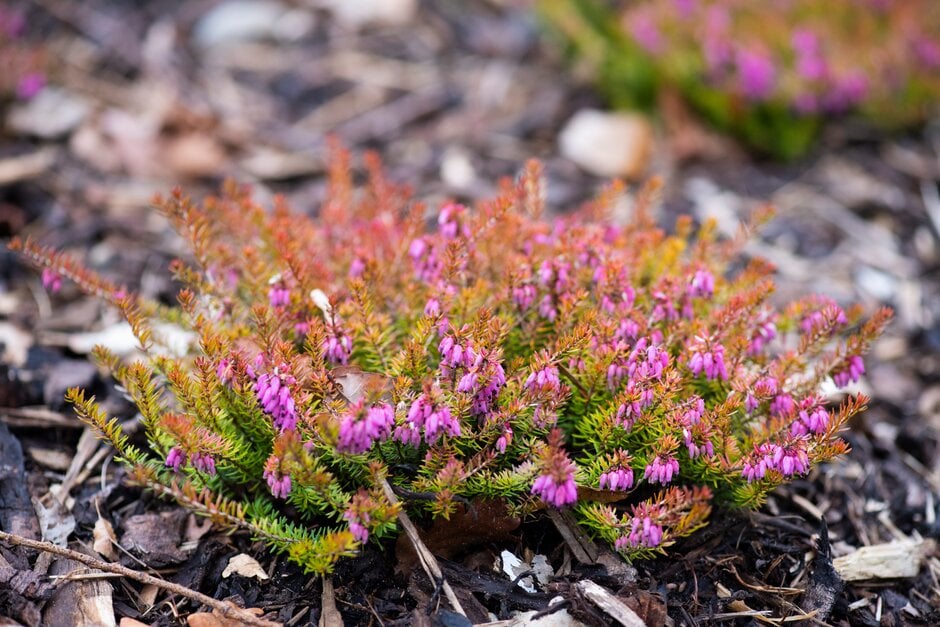
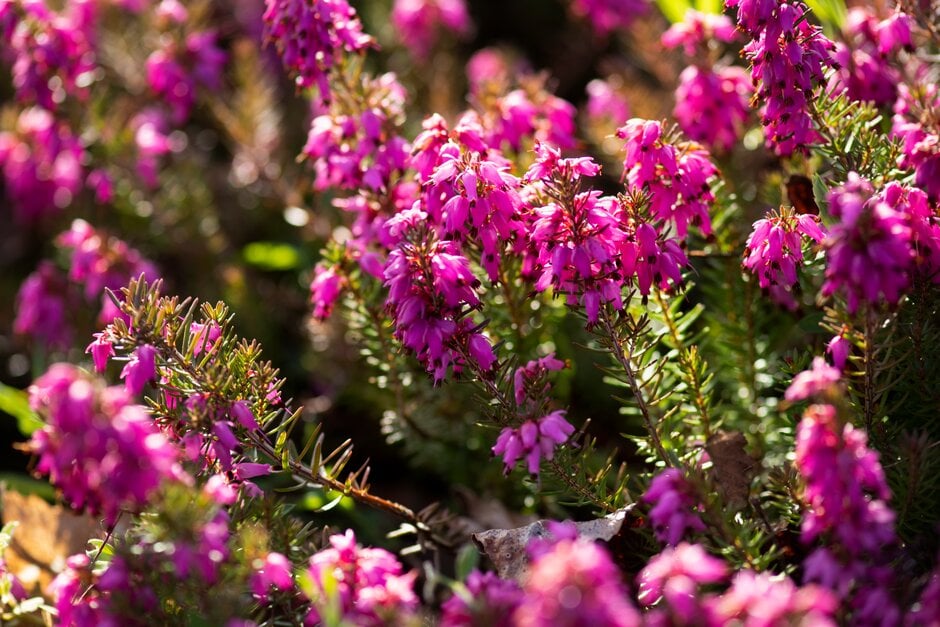
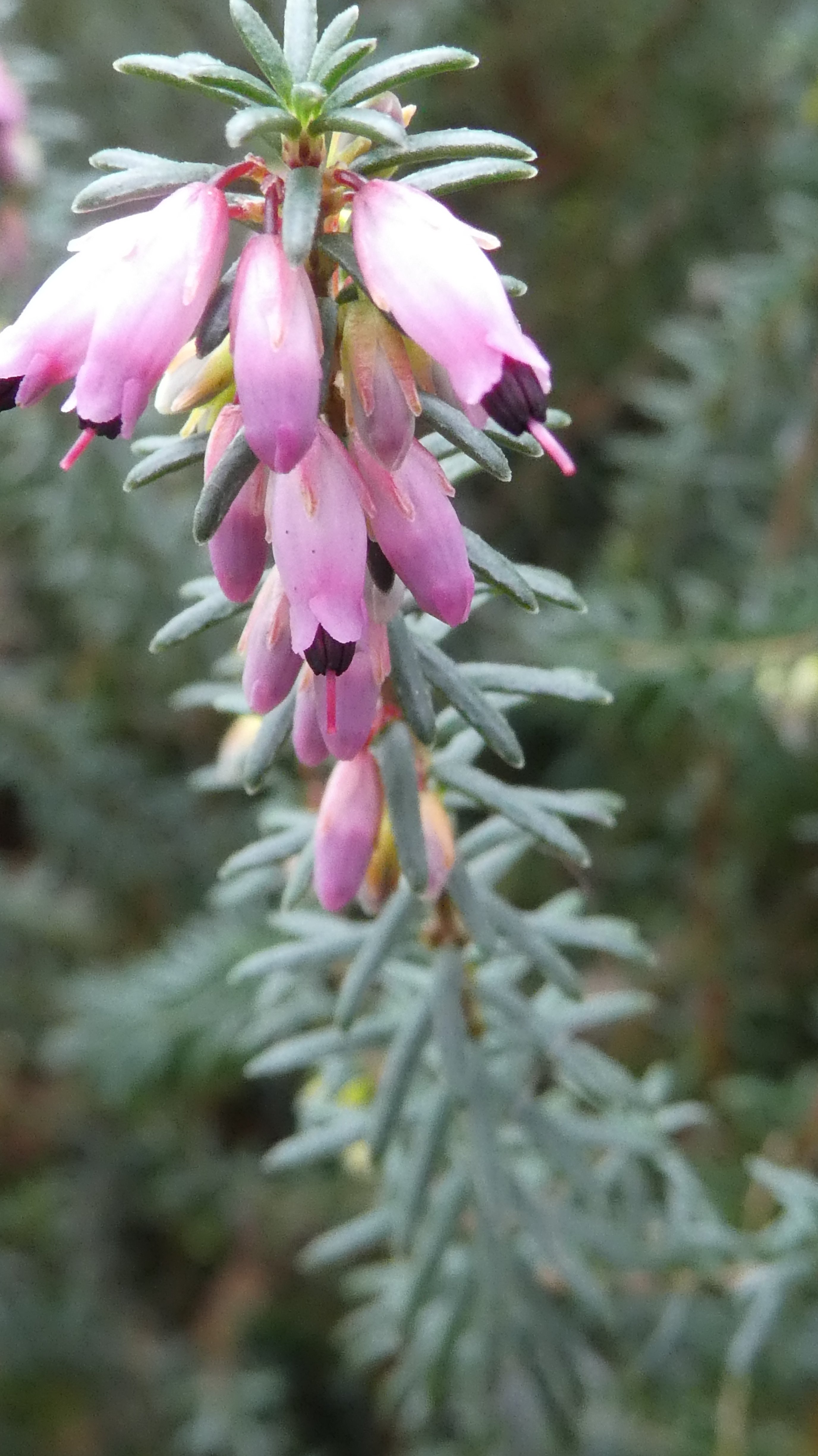
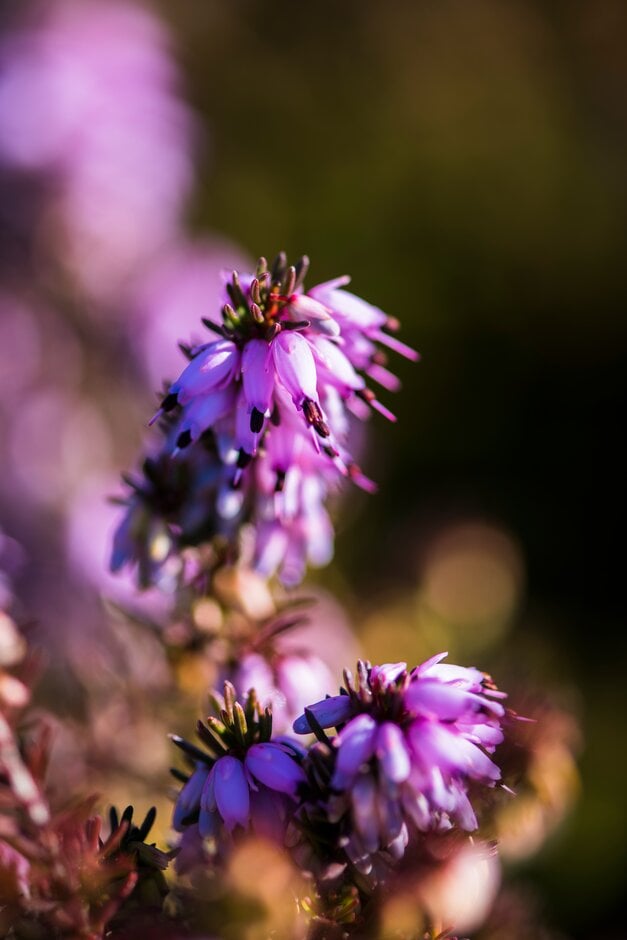
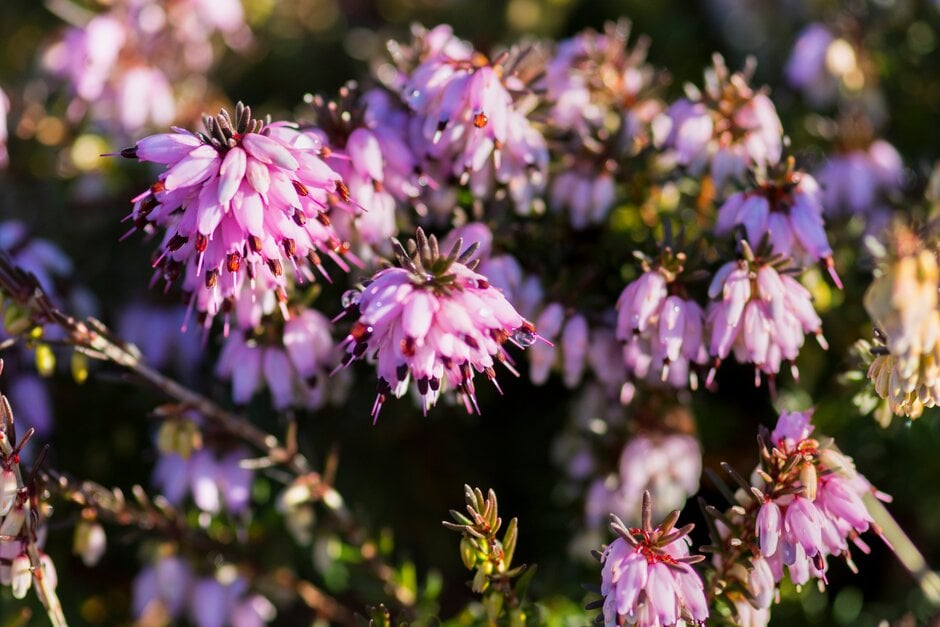
Tiny bell-shaped or tubular flowers, in shades of pink, purple, red or white, smother these usually compact shrubs at various times of year, depending on the cultivar. The fine, needle-like, evergreen foliage provides yet more colour, in various shades of green or yellow, often tinged with copper.
Preferences
They enjoy full sun or light shade, and a well-drained neutral to acidic soil. Mulch with leafmould or composted pine needles to keep the acidity up and improve the soil structure.
Dislikes
They do not grow well in shady locations, or in wet or chalky soils. They will not recover readily if pruned too hard into the older, woody stems.
Did you know?
Most ericas are heathland plants that like free-draining, acidic soil. However, there are a few that will tolerate moist, neutral to alkaline soils, such as Erica × darleyensis, E. carnea, E. vagans and E. erigena.
RHS Growing Guide
FREE
Read our comprehensive free RHS Growing Guide:
How to grow erica

Introducing Erica
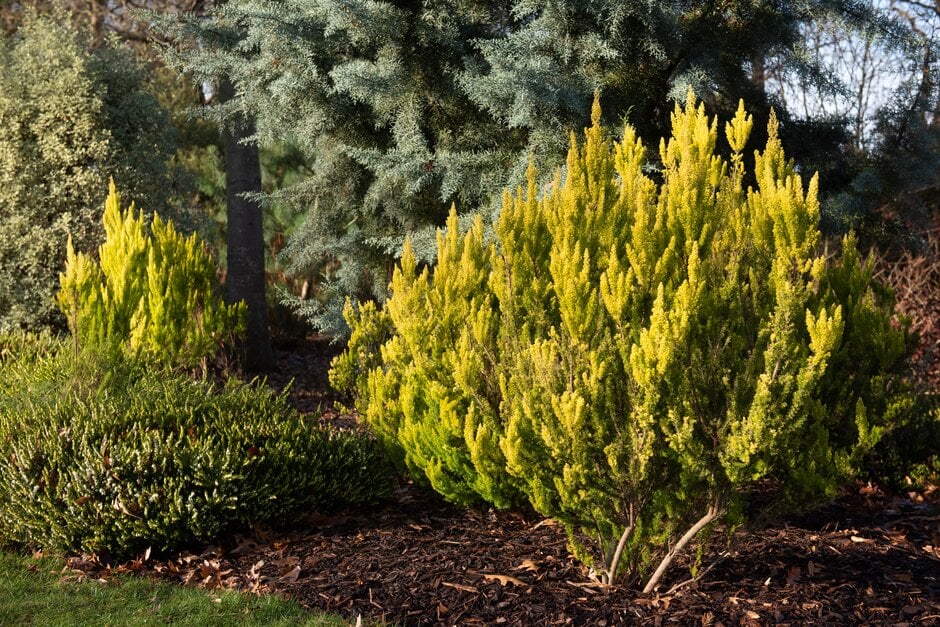
Erica arborea var. alpina f. aureifolia 'Albert's Gold'
tree heath 'Albert's Gold'
- Height
- 1.5–2.5 metres
- Width
- 0.5–1 metres
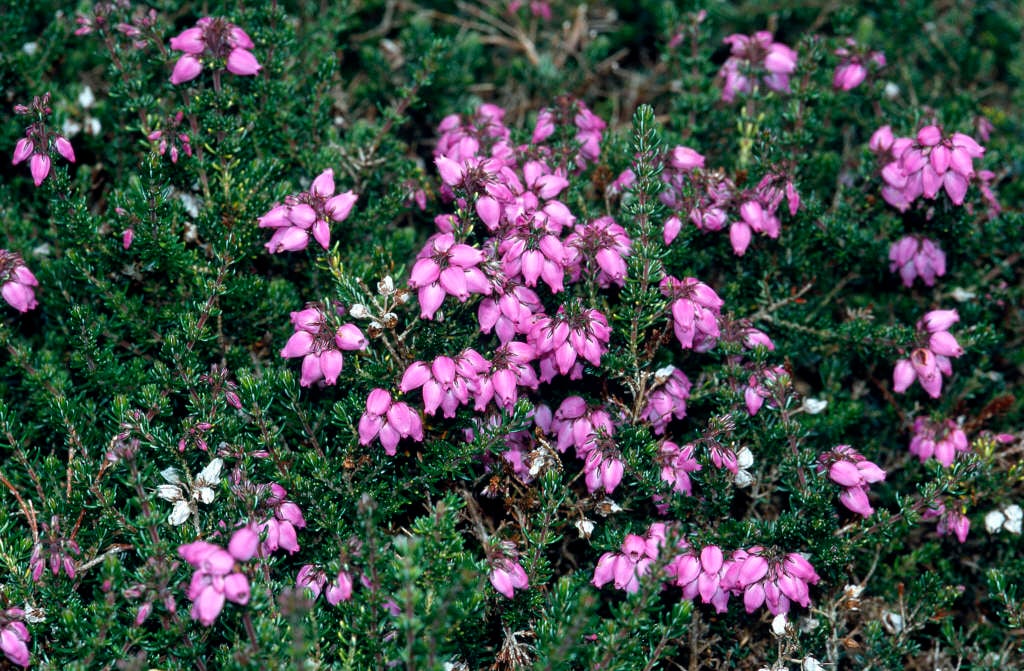
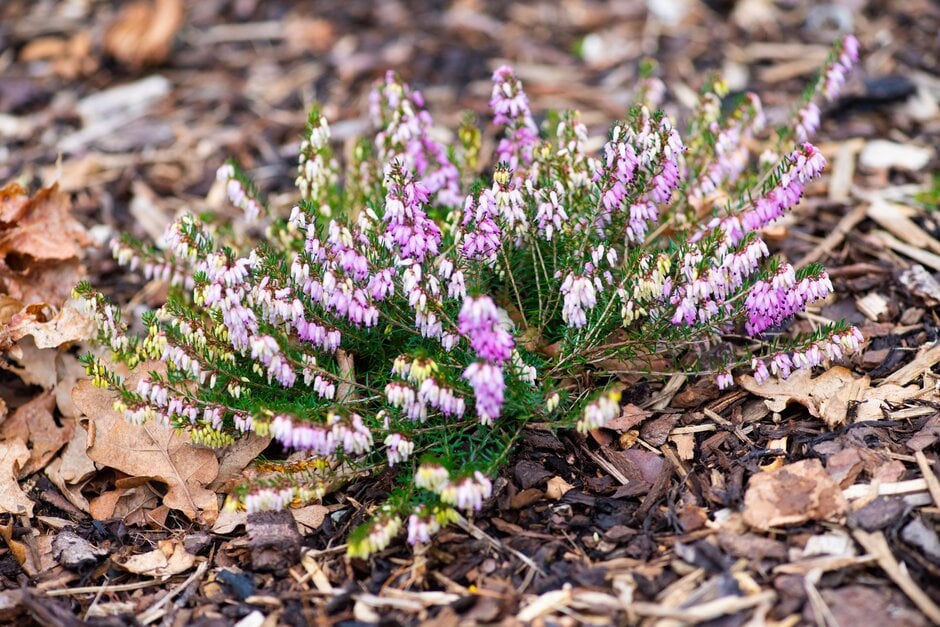
Erica carnea f. carnea 'March Seedling'
heather 'March Seedling'
- Height
- 0.1–0.5 metres
- Width
- 0.1–0.5 metres
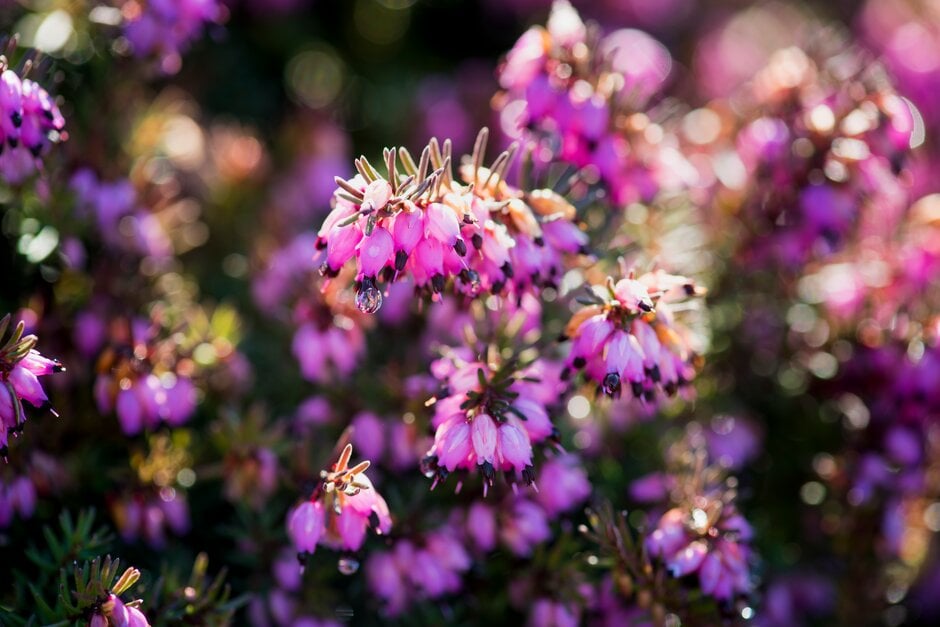
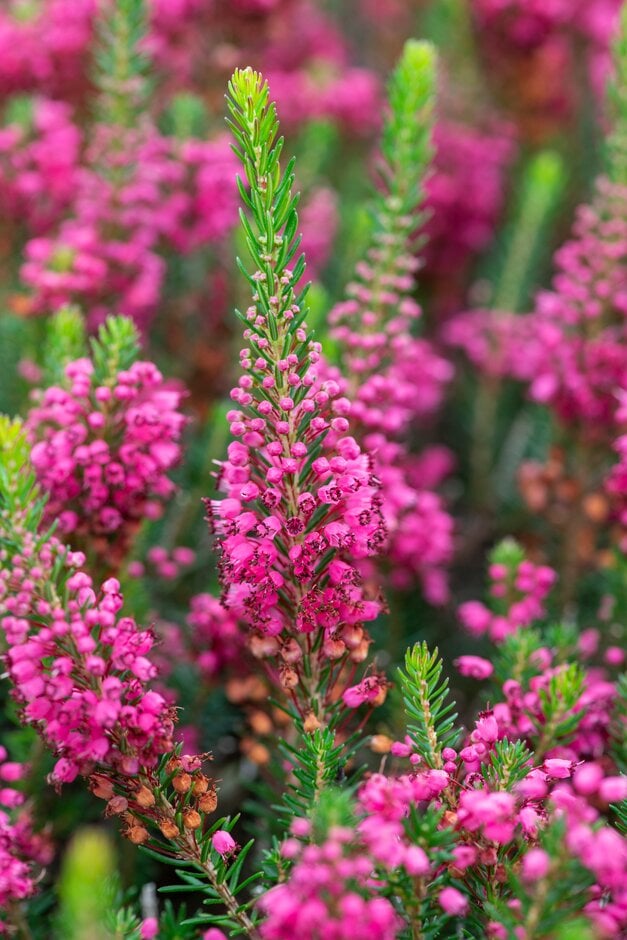
Erica vagans 'Mrs D.F. Maxwell'
Cornish heath 'Mrs D.F. Maxwell'
- Height
- 0.1–0.5 metres
- Width
- 0.1–0.5 metres
x of x
Showing
x to x
of x