Dorling Kindersley Ltd

Appearance
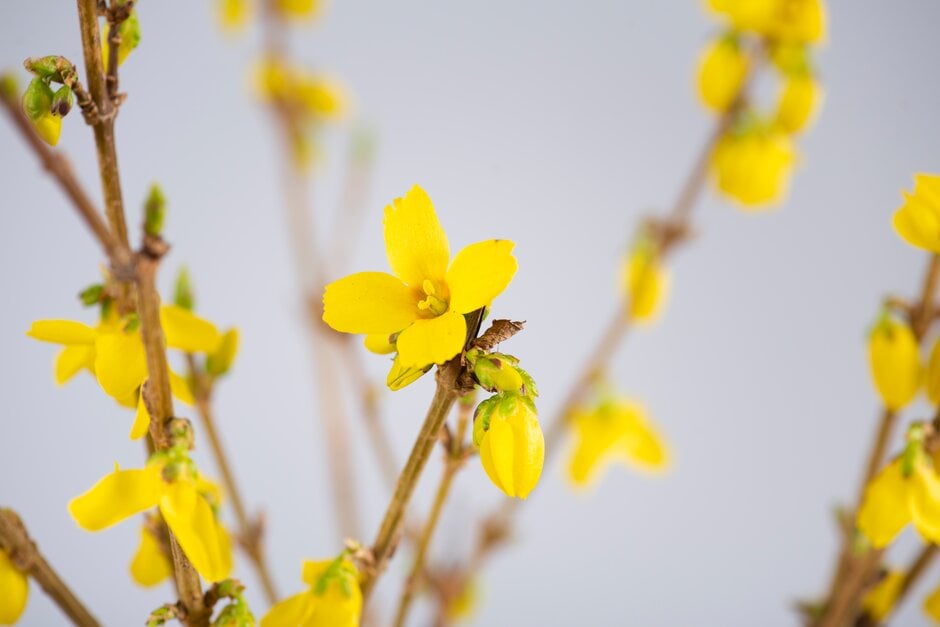
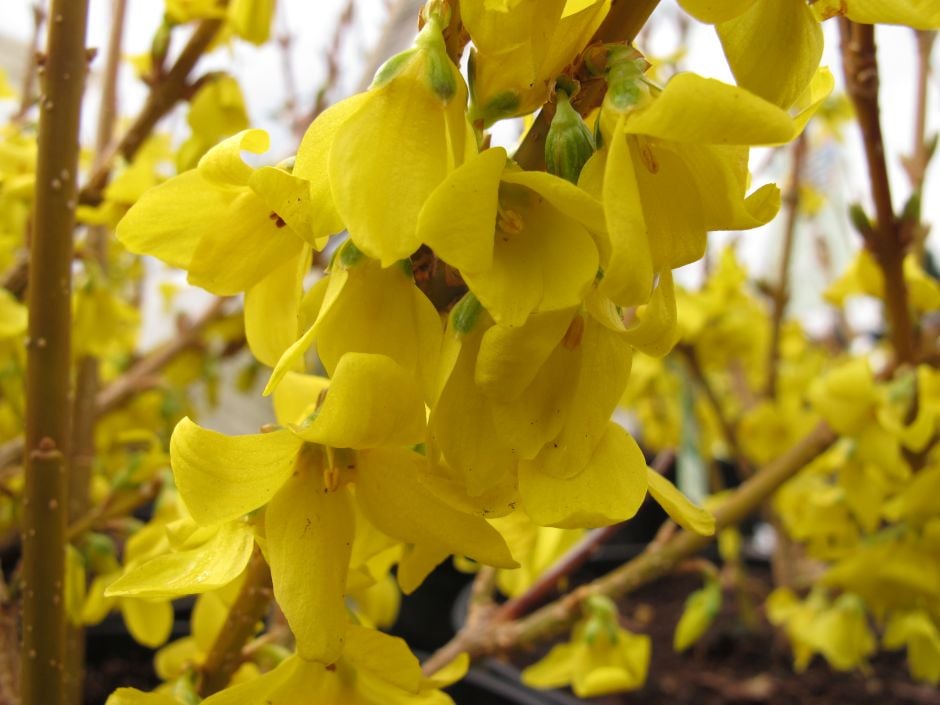
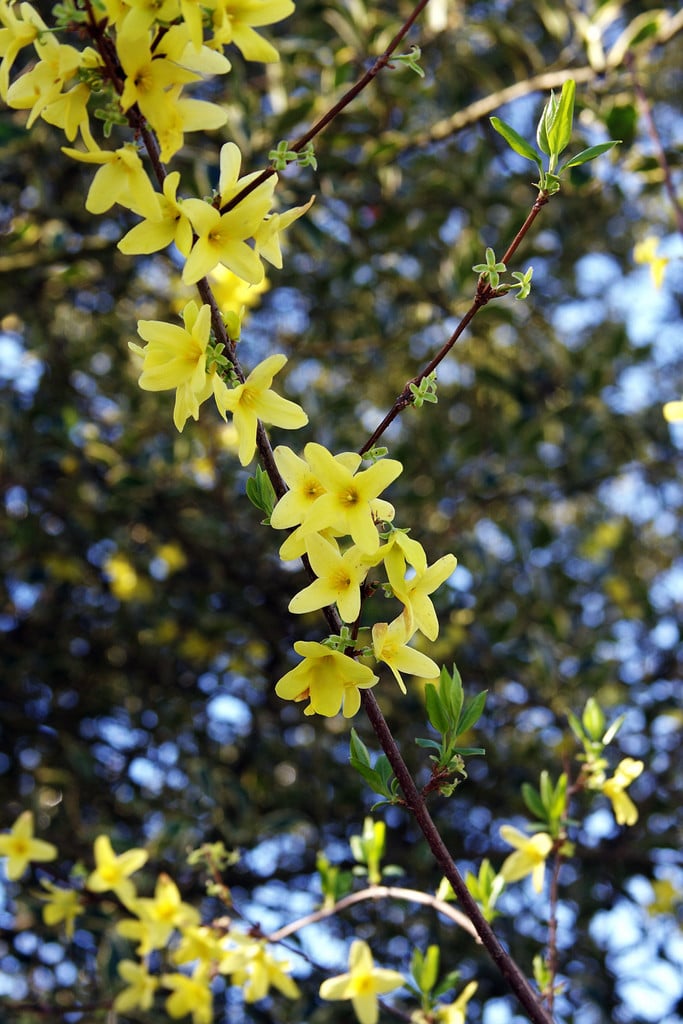
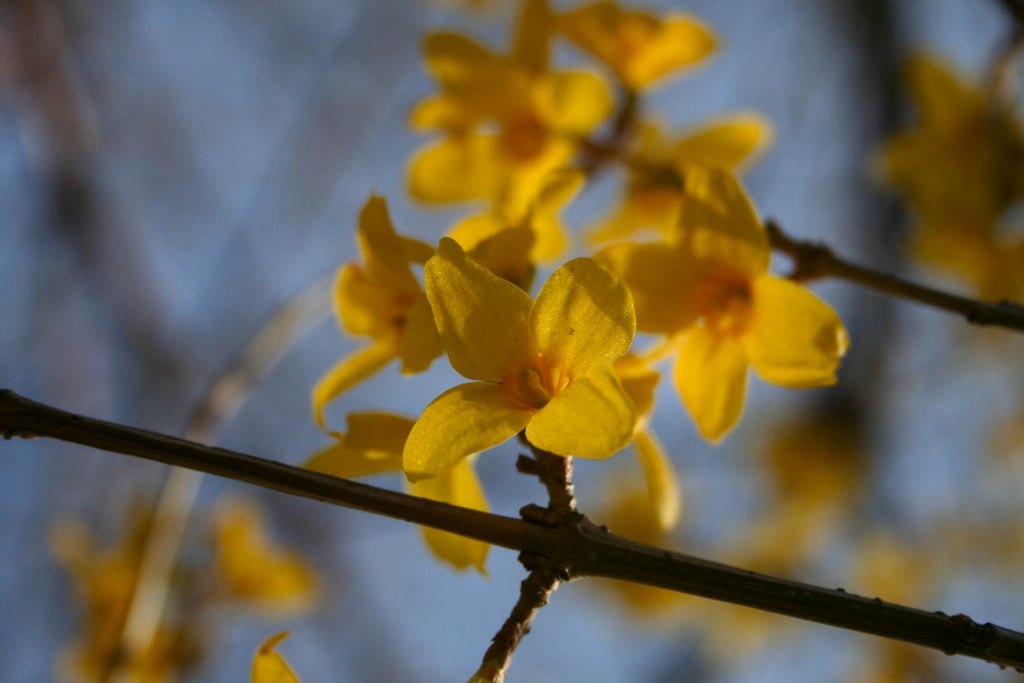
Forsythias are renowned for their vibrant yellow flowers, which appear in early spring all along the bare branches, largely before the leaves unfurl. They usually form large, upright shrubs with arching stems and are deciduous, so lose their leaves over winter.
Preferences
Forsythias are tolerant of most soil types, in full sun or light shade. They are very hardy and cope well in cold sites.
Dislikes
These shrubs will not do well in excessively dry or permanently wet soil. They flower poorly in shade, and their shape can become lopsided in a windy, exposed site.
Did you know?
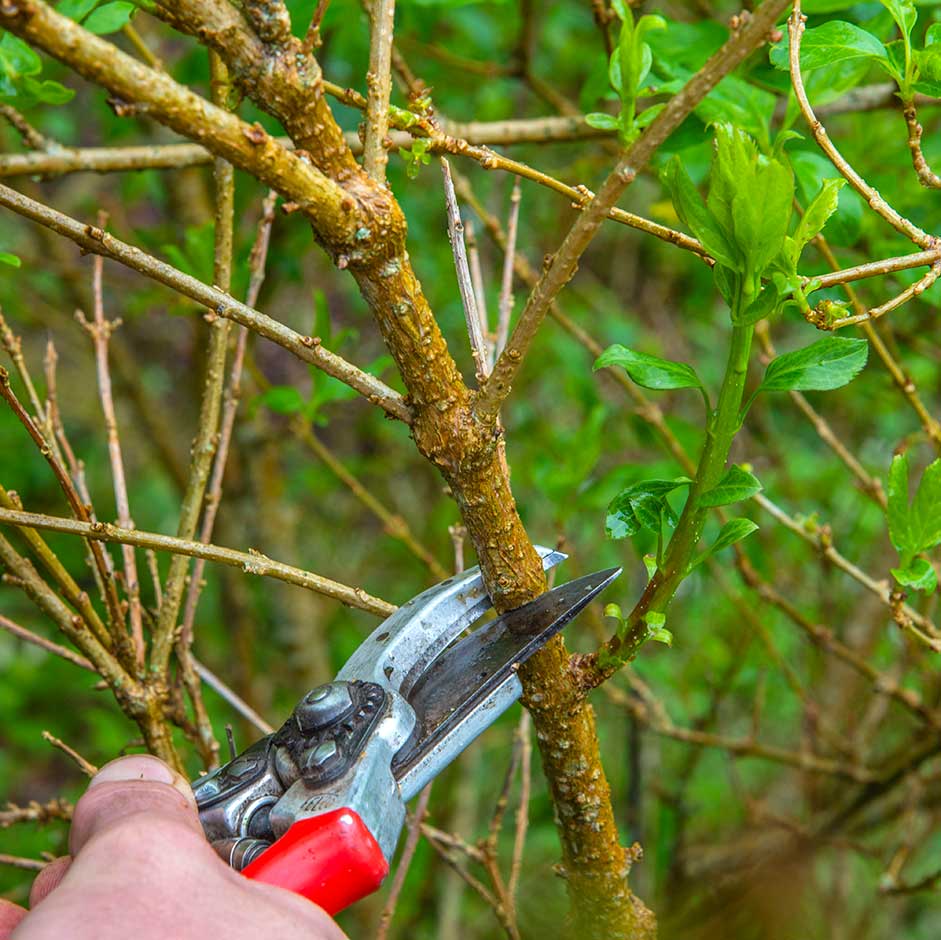
An easy way to keep forsythias from growing too large is to cut lots of flowering stems to use for display in vases indoors. Alternatively, prune out a few of the oldest stems at the base after flowering, to encourage new, strong growth.
RHS Growing Guide
FREE
Read our comprehensive free RHS Growing Guide:
How to grow forsythia


Introducing Forsythia
![forsythia [Week End]](/_image?href=https%3A%2F%2Fapps.rhs.org.uk%2Fplantselectorimages%2Fdetail%2FWSY0000526_8443.jpg&w=300&h=192)
Forsythia × intermedia [Week End] ('Courtalyn')
forsythia [Week End]
- Height
- 1.5–2.5 metres
- Width
- 1.5–2.5 metres
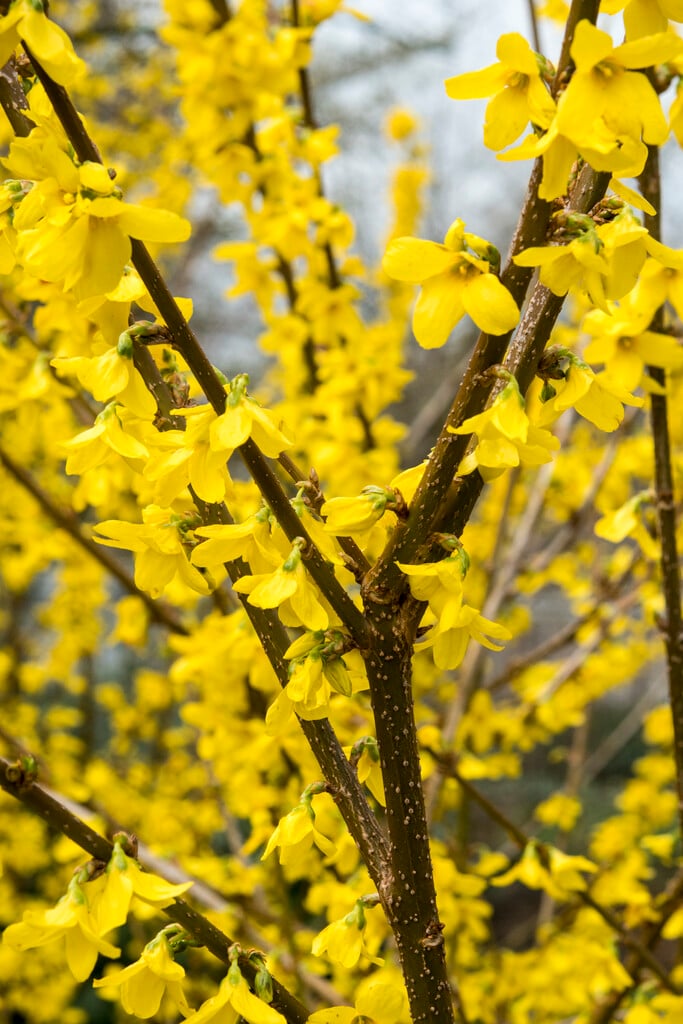
Forsythia × intermedia 'Lynwood Variety'
forsythia 'Lynwood Variety'
- Height
- 1.5–2.5 metres
- Width
- 1.5–2.5 metres
![forsythia [Marée d'Or]](/_image?href=https%3A%2F%2Fapps.rhs.org.uk%2Fplantselectorimages%2Fdetail%2FWSY0078735_5827.jpg&w=300&h=192)
x of x
Showing
x to x
of x