RHS / Mark Waugh

Appearance
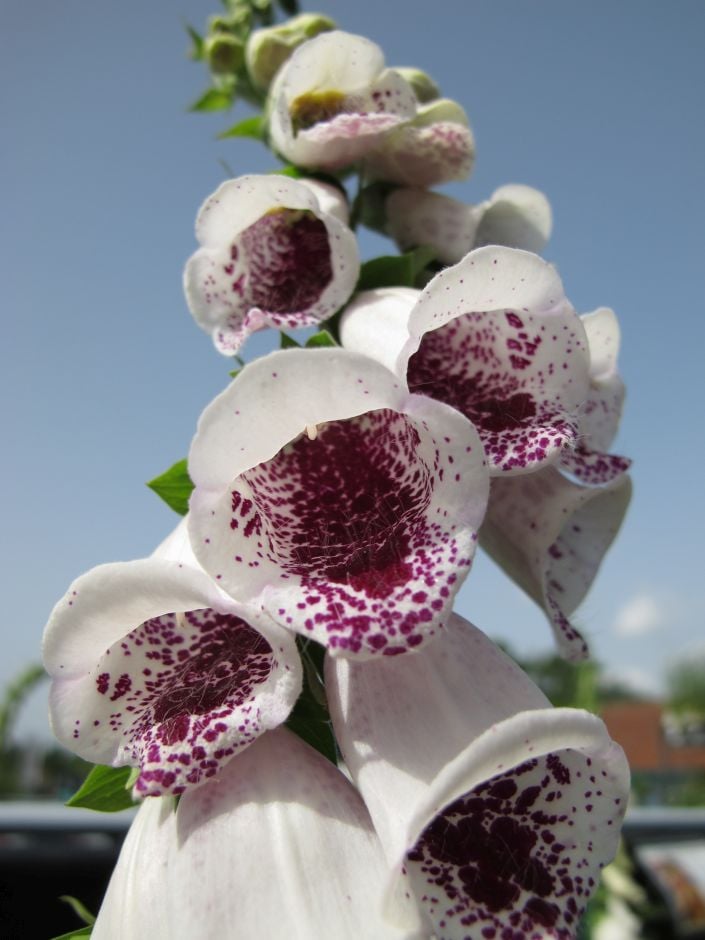
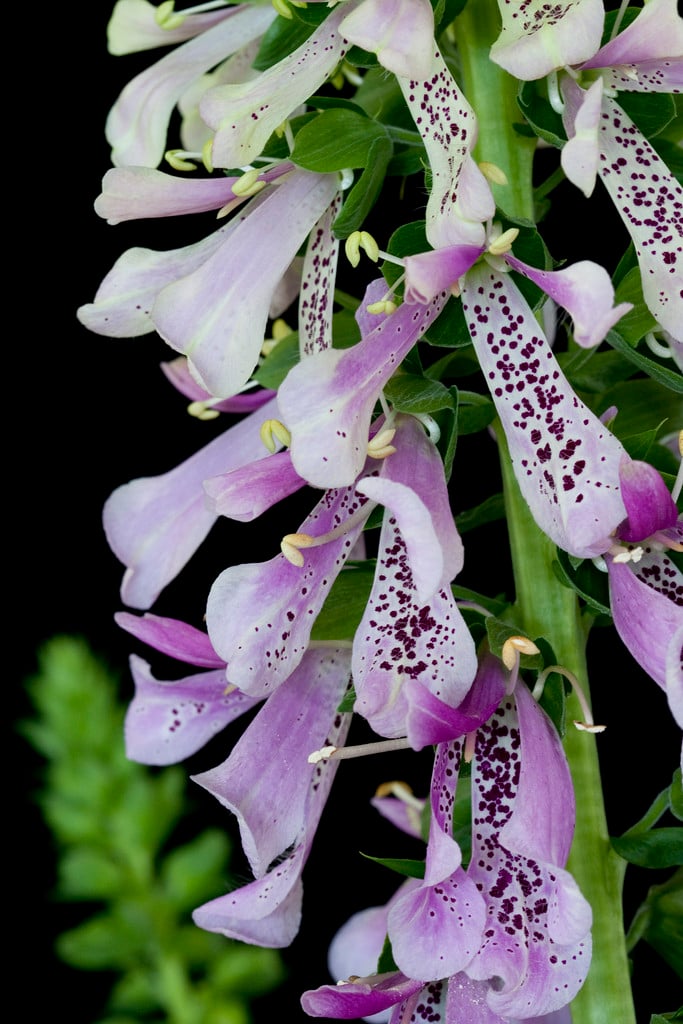
A rosette of oval, downy leaves develops in the first year of growth, then in the following spring a single spire of blooms grows up from the centre. This tall spire is clad in tubular flowers in a choice of purples, pinks, primrose yellow, cream or white.
Preferences
Biennial foxgloves are tolerant of most soil types but prefer plenty of organic matter and well-drained conditions. They like light dappled shade or a spot at the edge of a shady border.
Dislikes
Very dry soil or full sun may result in stunted growth. Deep shade will also affect the size of the flower spike and its vigour. Avoid planting in very exposed sites, as the tall flower spikes may get damaged.
Did you know?
Handle foxgloves with care, as all parts of this plant are toxic. Bumblebees aren’t affected though and love collecting pollen and nectar from them!
RHS Growing Guide

FREE
Read our comprehensive free RHS Growing Guide:
How to grow foxgloves

Introducing Biennial foxgloves
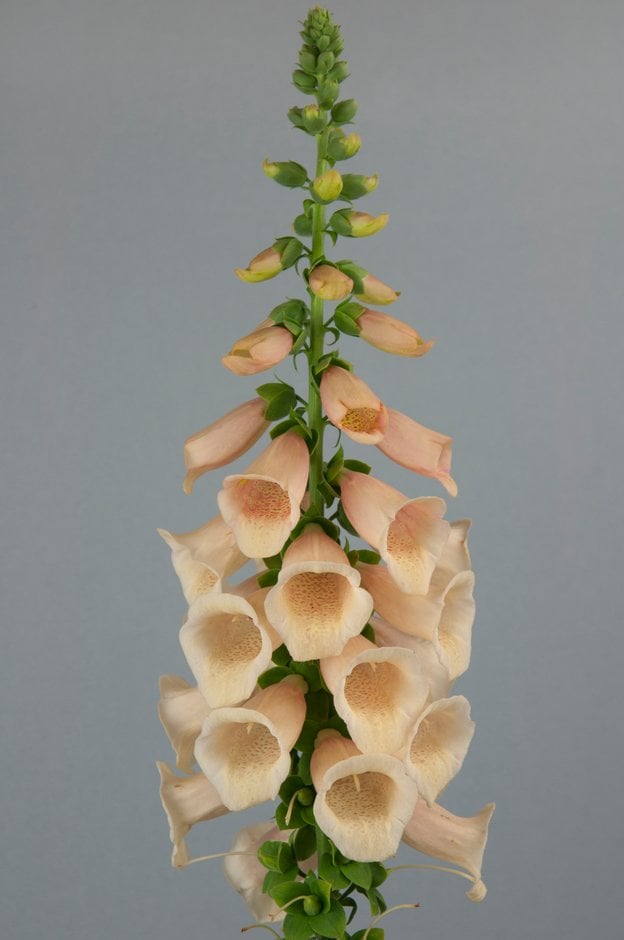
Digitalis purpurea 'Dalmatian Peach' (Dalmatian Series)
foxglove 'Dalmatian Peach'
- Height
- 0.5–1 metres
- Width
- 0.1–0.5 metres
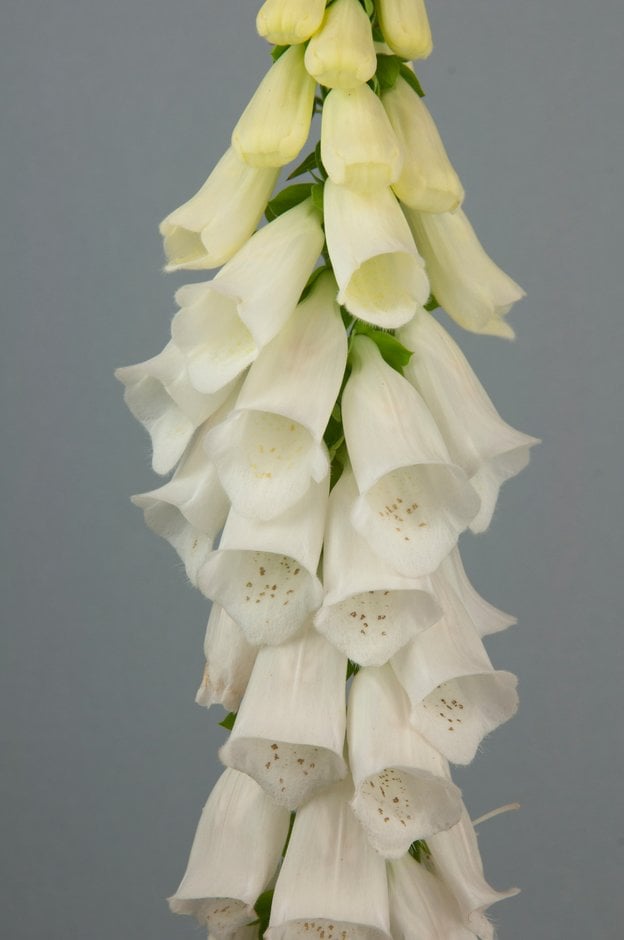
Digitalis purpurea f. albiflora (Thompson & Morgan)
white-flowered foxglove
- Height
- 1–1.5 metres
- Width
- 0.1–0.5 metres
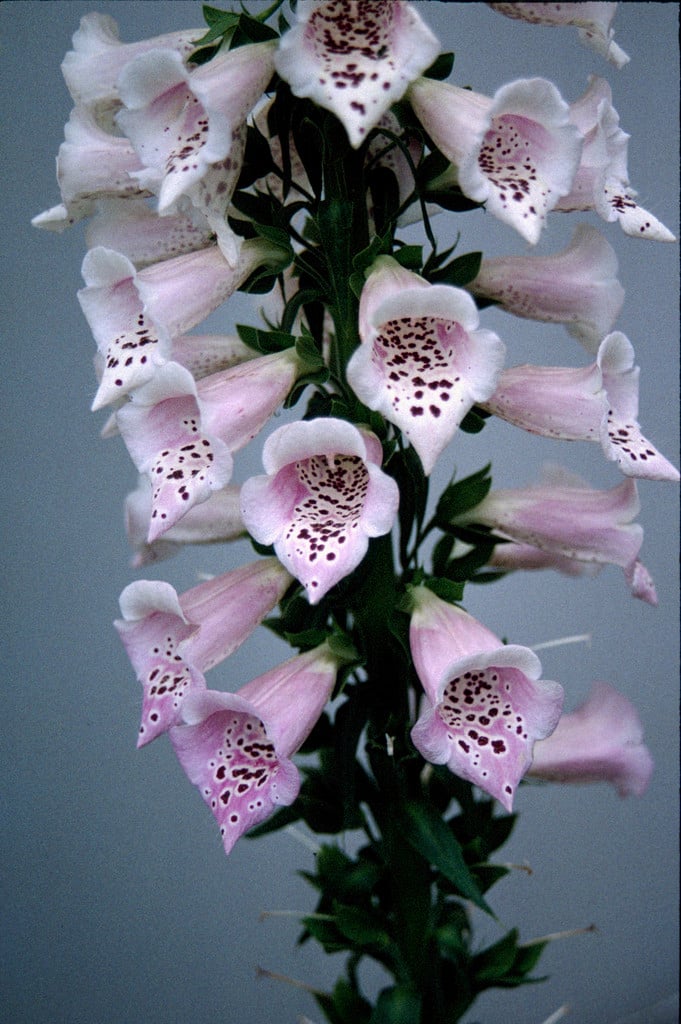
Digitalis purpurea 'Camelot Lavender' (Camelot Series)
foxglove 'Camelot Lavender'
- Height
- 1–1.5 metres
- Width
- 0.1–0.5 metres
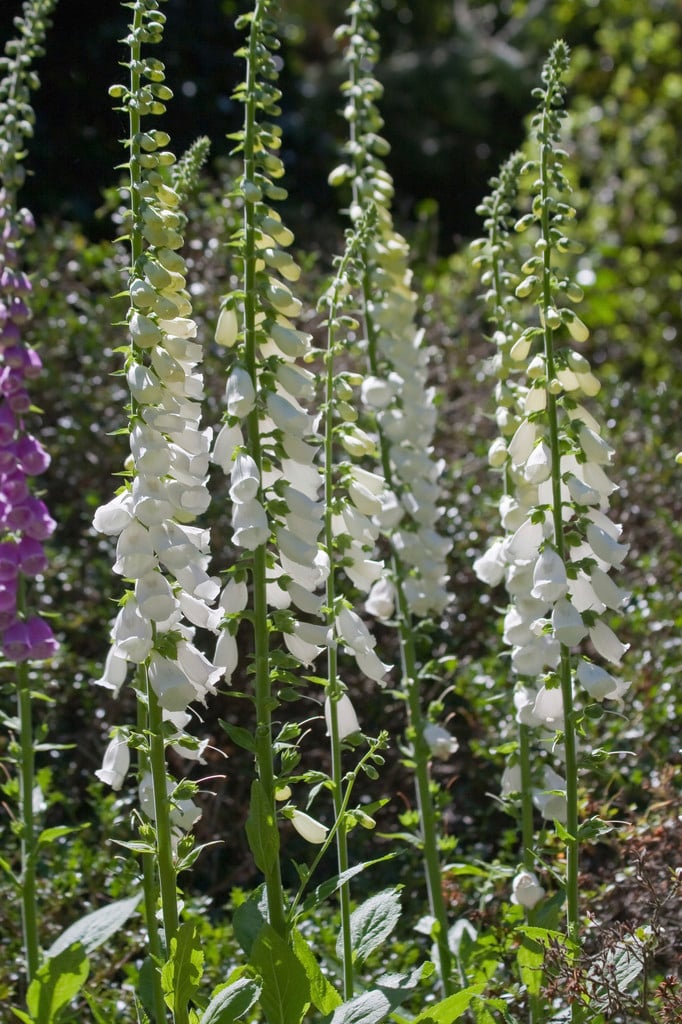
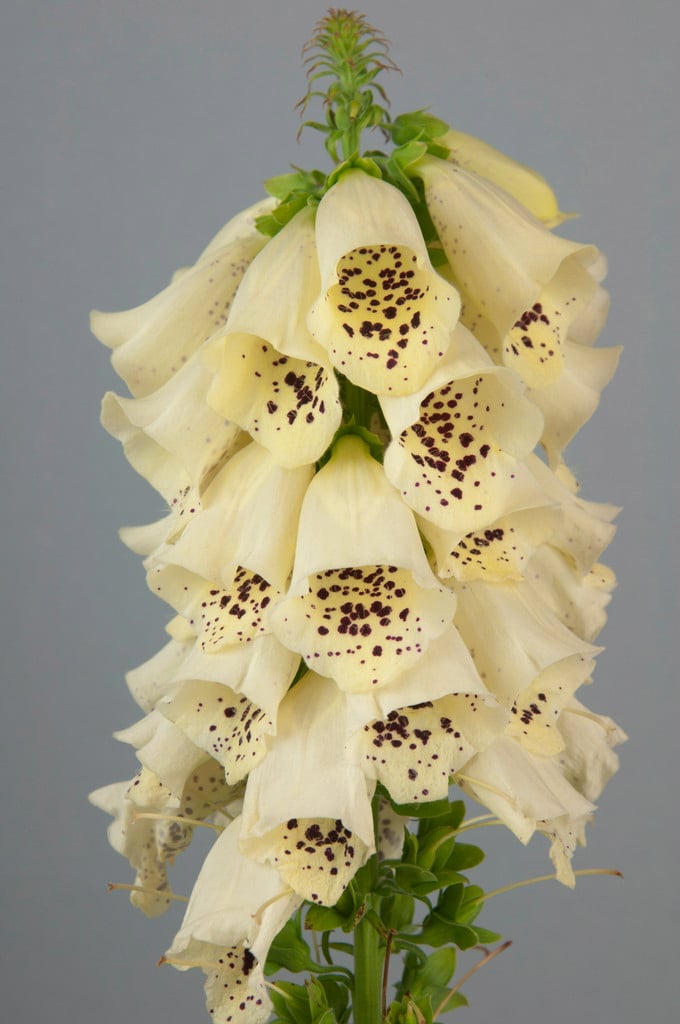
Digitalis purpurea 'Primrose Carousel' (Carousel Series)
foxglove 'Primrose Carousel'
- Height
- 0.5–1 metres
- Width
- 0.1–0.5 metres
x of x
Showing
x to x
of x