Quick Facts
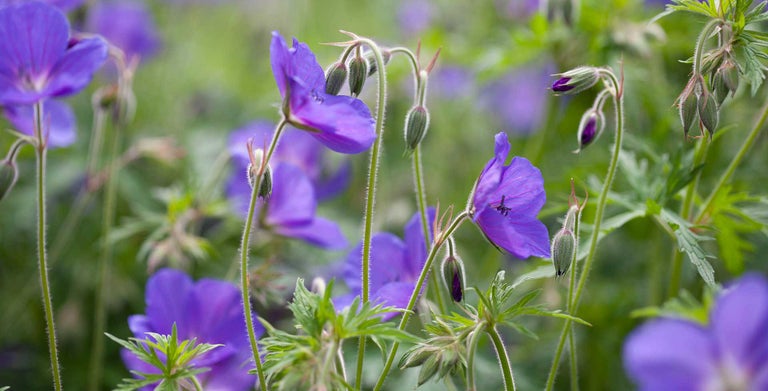
Geraniums flower generally in late spring and through summer
1
They bloom in an easy palette of pinks, whites and blues
2
The main planting season is in spring
3
Select species depending on your growing conditions
4
Most geraniums can be cut back after flowering to produce fresh foliage mounds
5
Propagation by cuttings or division varies depending on growth habit of plants. Species geraniums can be grown from seed
6
Most geraniums are hardy apart from two island species, G. maderense and G. palmatum
7


Before you get started
Choosing the right geranium
Geraniums suit all kinds of garden styles, from traditional cottage gardens to vibrant tropical borders, containers to informal gravel gardens. Geranium species also attract pollinating insects.
Hardy geraniums
These are usually easy, reliable plants for sunny borders. With a general height range of 30-50cm (1-2ft), they form clumps, mounds or produce trailing stems. You may want to select for leaf shape and flower colour.
A smaller group need special growing conditions and some are suited to difficult places, so select according to your site.
- For sunny borders try: G. pratense, G. clarkei, G. psilostemon,G. himalayense, G. renardii
- For shaded spots try: G. phaeum, G. maccrorrhizum, G.sylvaticum, G. endressii
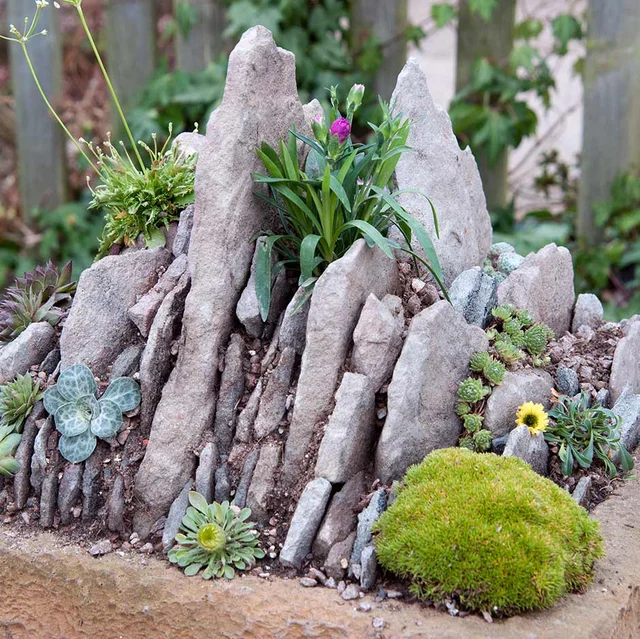
- For rock gardens and alpine containers try: G. argenteum,G. cinereum, G. dalmaticum
Tender geraniums
- For exotic gardens, cool greenhouses, conservatories and pots try: G. maderense,G. palmatum
It’s best to choose cultivars that have an RHS Award of Garden Merit, as this shows they have performed well in RHS trials.
Buying geraniums
- You will normally find hardy geraniums for sale in garden centres and a wider selection at specialist nurseries and by mail order/online. You can buy young and more established geraniums in containers – 9cm (3½in) or larger – ready for planting out
- Some nurseries may offer plants during the winter dormant season
- You can grow species from seed, for example the hardy G. endressii, G. pratenseandG. nodosum or two non-hardy species, G. maderenseand G. palmatum
To track down specific cultivars, you can use RHS Find a Plant.
If you're really keen, the Hardy Plant Society has a Hardy Geranium Group.
Planting
When to plant geraniums
- Container-grown hardy geraniums can be planted at any time if soil is not , but will establish more quickly if planted in spring
- On , early spring planting is best as plants may rot over winter after autumn planting
- If planting container-grown plants in summer, keep the soil moist until they establish
- Plant plants on arrival or pot up and grow on
Where to plant geraniums
- Hardy geraniums enjoy most garden soils so long as it isn’t waterlogged in winter
- Check if the you have can thrive in shade; some geraniums prefer a sunny place
- The small, often silver-leaved types prefer the sharp drainage of a rock garden or alpine container in full sun
- For tender geraniums, find a sheltered site in full sun if you live in a milder area. Alternatively grow them in a big pot so you can bring them into a frost-free greenhouse or conservatory in winter
How to plant geraniums
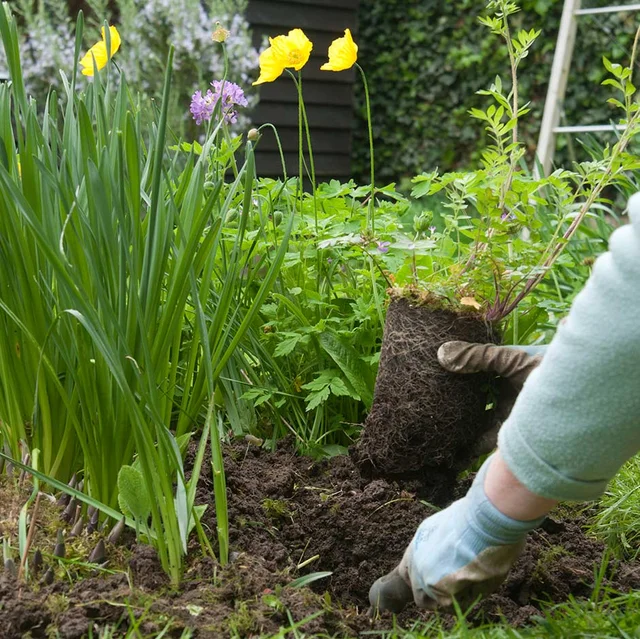
- Hardy geraniums are easy to plant, just like other herbaceous perennials
- Treat small cultivars as you would alpines in troughs
- Plant up the tender species in containers or as herbaceous perennials if you’re growing them outside. For container growing, select a sturdy pot and such as peat-free John Innes No. 2 to help prevent large plants blowing over
- To check the planting distance refer to the plant label for final width
Ongoing Care
Watering geraniums
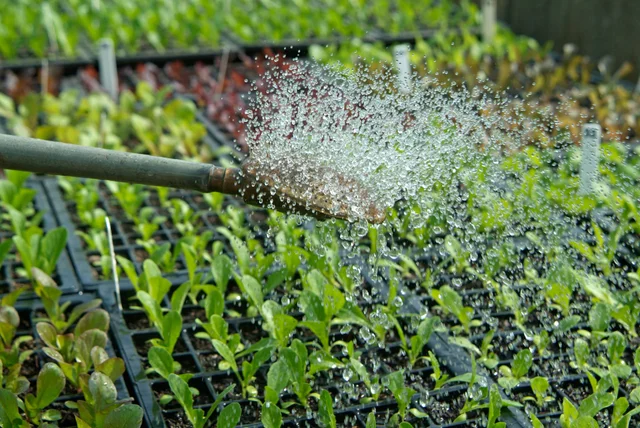
- Water new plants as the weather warms up in spring, until they establish through their first spring and summer
Top tip
If drought has set in, give plants a single, thorough soak rather than watering little and often. The latter encourages surface roots rather than deep ones, which can make plants more susceptible to drought in future.
Feeding geraniums
- Feeding is not generally necessary on most garden soils, but you can apply a fertiliserif plants are showing a nutrient deficiency
- Liquid feed container-grown tender species (G. maderenseand G. palmatum)with a general fertiliser such as a seaweed-based product from spring to late summer
Weeding
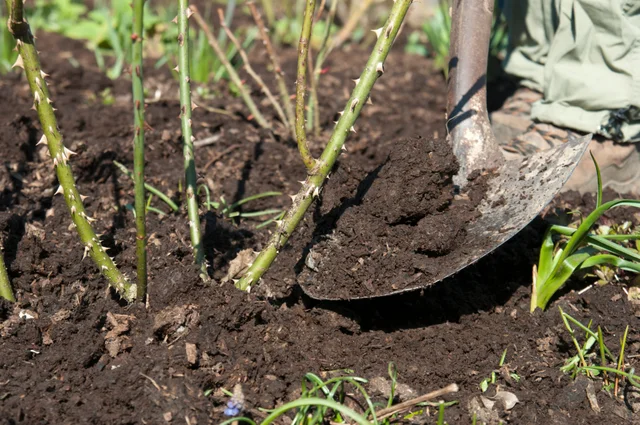
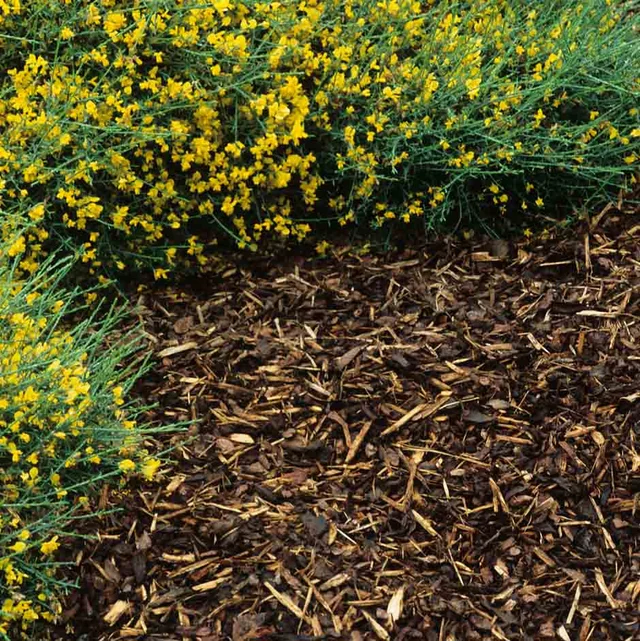
- Keep beds free from weeds. A 5cm (2in) thick layer of with well-rotted organic matter such as homemade compostor bagged manure will help here
Deadheading
- isn’t normally required in hardy geraniums. Instead, look to a mid season cut back, sometimes known as the Hampton hack. (See ‘Pruning and training’ below)
- Deadhead tender species to prolong flowering unless you want to save seed
Rejuvenation
- Species that create good groundcover, for example G. macrorrhizum, will need keeping in check by occasional division in autumn or spring
- Clump-forming cultivars can benefit from dividing to rejuvenate every few years, but generally, hardy geraniums are long-lived
Additional care tips for tender geraniums
- For growing G. maderenseand G. palmatumoutside, in spring, pot up young plants raised from seed and those that have self-seeded, into their large summer containers. Alternatively, plant out in sheltered, sunny borders
Pruning and Training
Cutting back geraniums
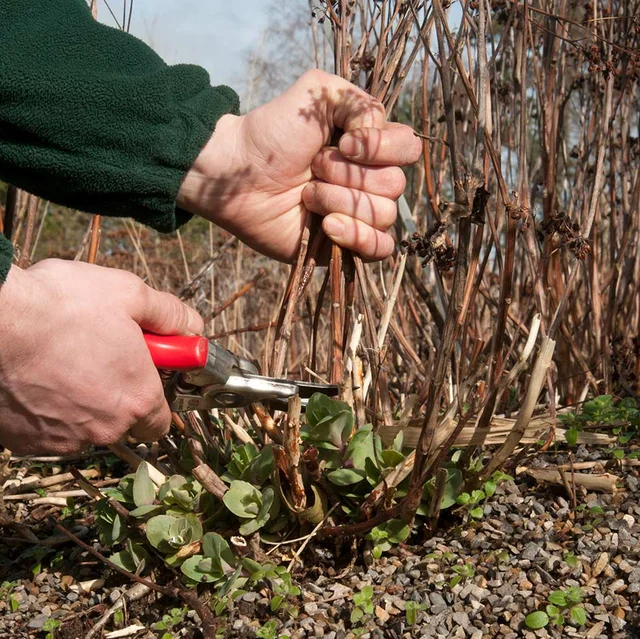
- For most hardy border geraniums that flower in summer, cut plants back to ground level after the flowering stems have finished, often in June or July (known as the Hampton hack). This will encourage fresh foliage and maybe more flowers. In dry weather, water these clumps to promote new leaves
- For spring-flowering species such as G. malviflorum that are dormant (die down) in summer, you may want to tidy away old foliage, as fresh growth will appear in autumn
- In autumn, most hardy geranium foliage in beds or alpine troughs will die down for winter. This can be tidied away ready for spring regrowth
- Don’t cut back foliage from tender geraniums on plants that have not yet flowered. Instead, overwinter the of leaves
Propagating
Depending on their habit there are a number of ways to increase your stocks of hardy geraniums:
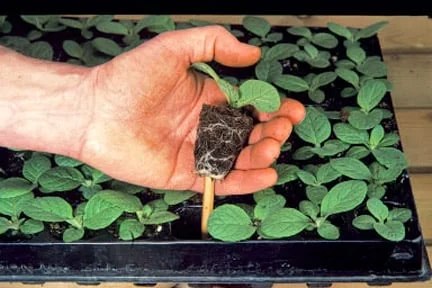
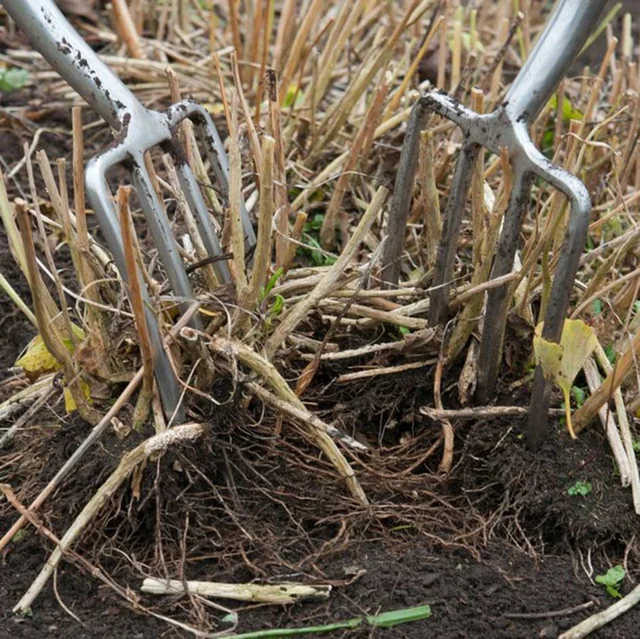
- For clump formers and creepers (the vast majority of hardy geraniums), division in spring is easiest. Replant smaller sections or or pot these up and grow on. Those with compact rootstocks may need a knife to divide the growing points, for example G. pratense
- For tuberous species, pot up small tubers in their dormant season to grow on, for example G. malviflorumand G. tuberosum
For larger quantities propagate by:
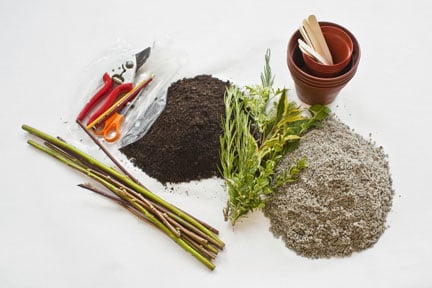
- Stem : try for G. ‘Anne Folkard’ or G. wallichianum ‘Buxton’s Variety’
- Rhizome cuttings: try for G. sanguineum or G. × cantabrigiense
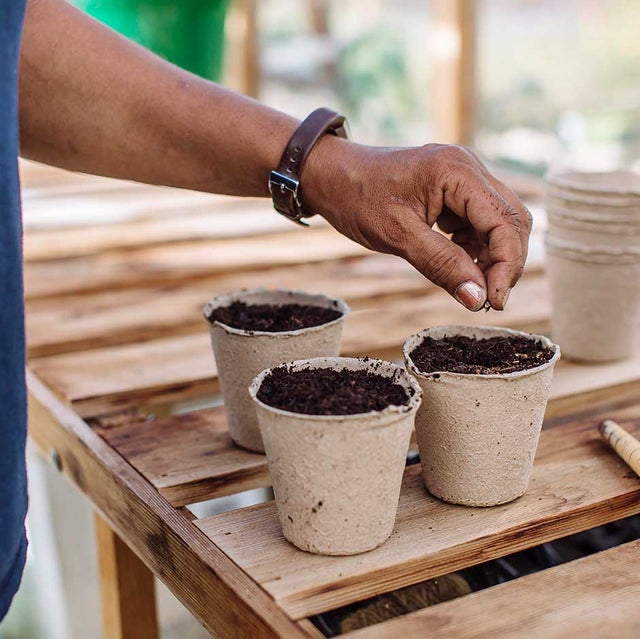
- Seed: sow species seed in spring. (Remember though that seed saved from cultivars won’t come true to type)
For tender species
- Save seed and sow in spring, in frost-free conditions. Then plant out the young plants into pots or a greenhouse border the following spring. In mild locations, they'll thrive in a sunny sheltered spot
- G. maderensemay make small offshoots on its woody stem. These can be grown on as cuttings
Problems
- Geraniums are generally robust and trouble-free
- In dry conditions they may be affected by powdery mildew
- In containers, they may be affected by vine weevil damage
- Tender species may be affected by cold winds and frost damage if not protected or overwintered in a frost-free place
If you are a member of the RHS you can use our online Gardening Advice service for all your gardening questions.