Appearance
Coming from semi-evergreen rosettes, thin stems bear saucer-shaped flowers, sometimes double, from late spring through summer, and sometimes into autumn. Flower colours range from fiery reds and oranges to pastel shades of peaches and yellows.
Preferences
Plants will grow and flower well if they are divided every few years. Most geums like a sunny spot with soil that doesn’t dry out in summer. G. rivale, and cultivars of it, thrive in moisture retentive soil. However, some need free-draining soil, such as G. montanum, the alpine avens, and the slightly taller but also yellow-flowered alpine, G. pyrenaicum.
Dislikes
Most geums available for sale in garden centres dislike dry soil conditions. Alpine species are an exception, so do check before buying, to ensure you have the right type for your garden.
Did you know?
G. urbanum (wood avens/herb bennet) is a wildflower native to the UK. Its small yellow flowers are great for pollinators and its leaves are a food plant for caterpillars of the grizzled skipper butterfly.
RHS Growing Guide
FREE
Read our comprehensive free RHS Growing Guide:
How to grow geums

Introducing Geum
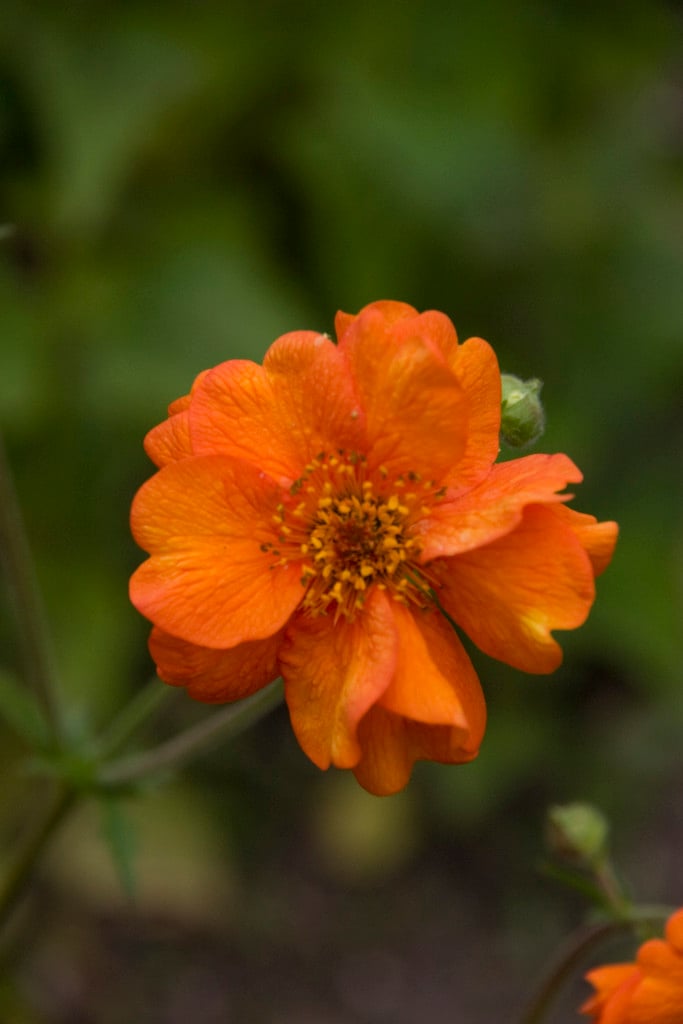
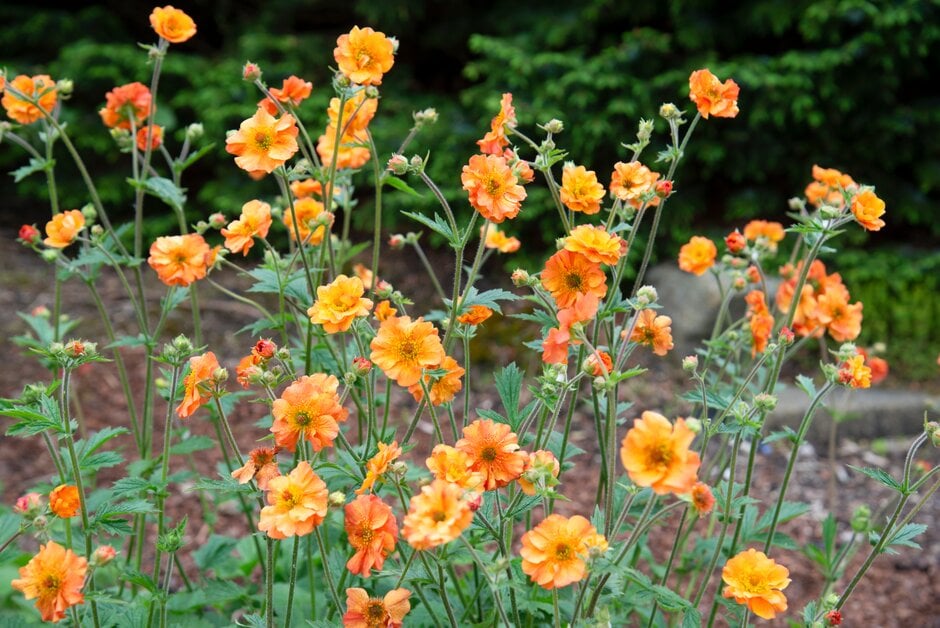
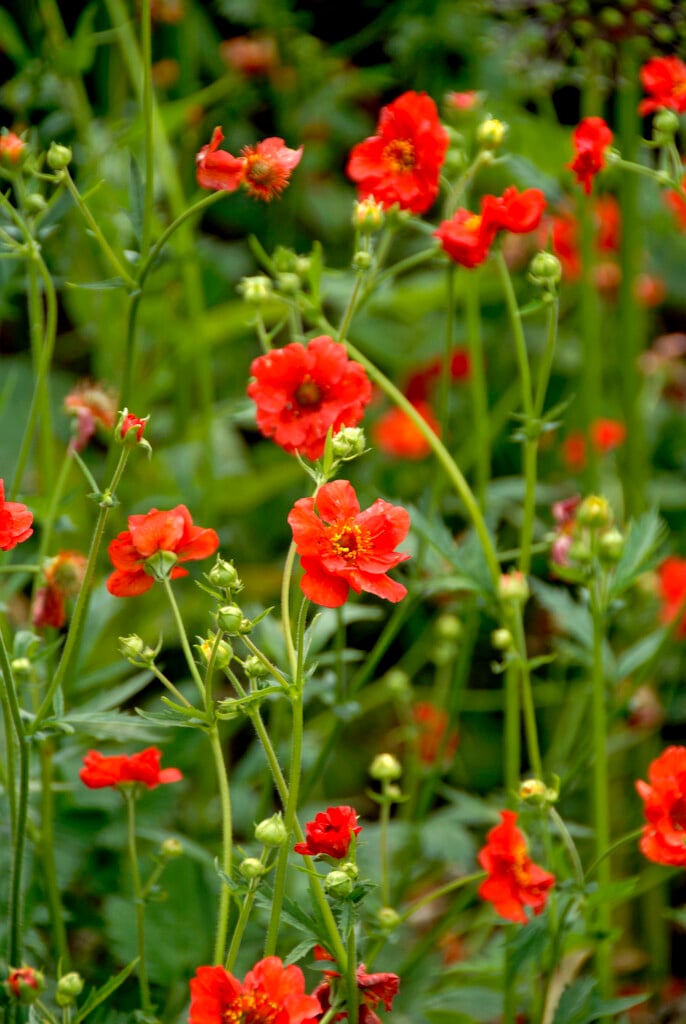
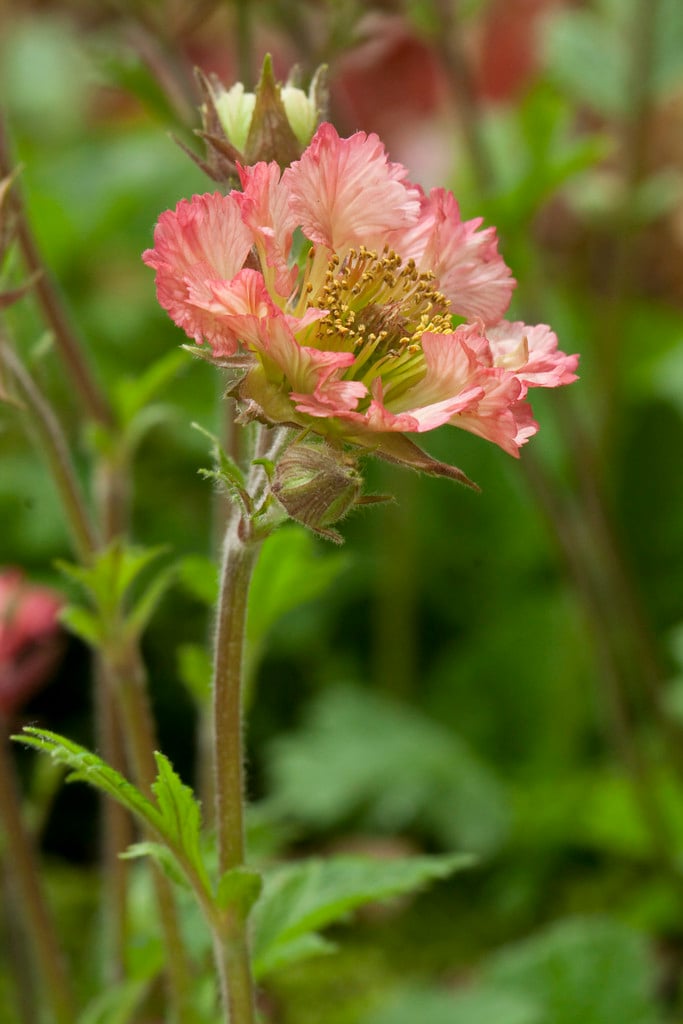
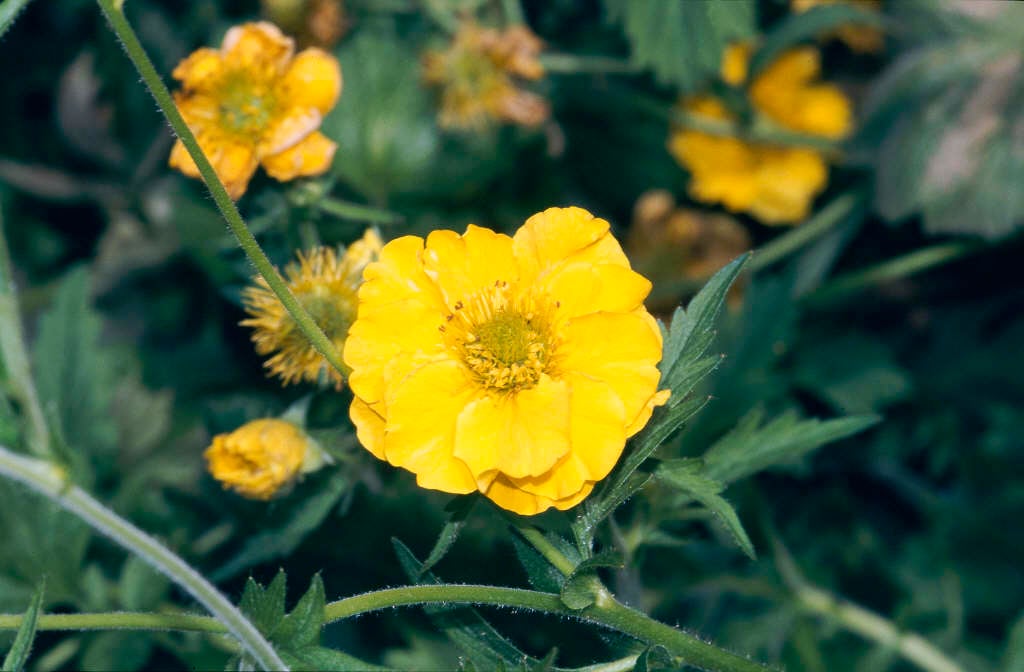
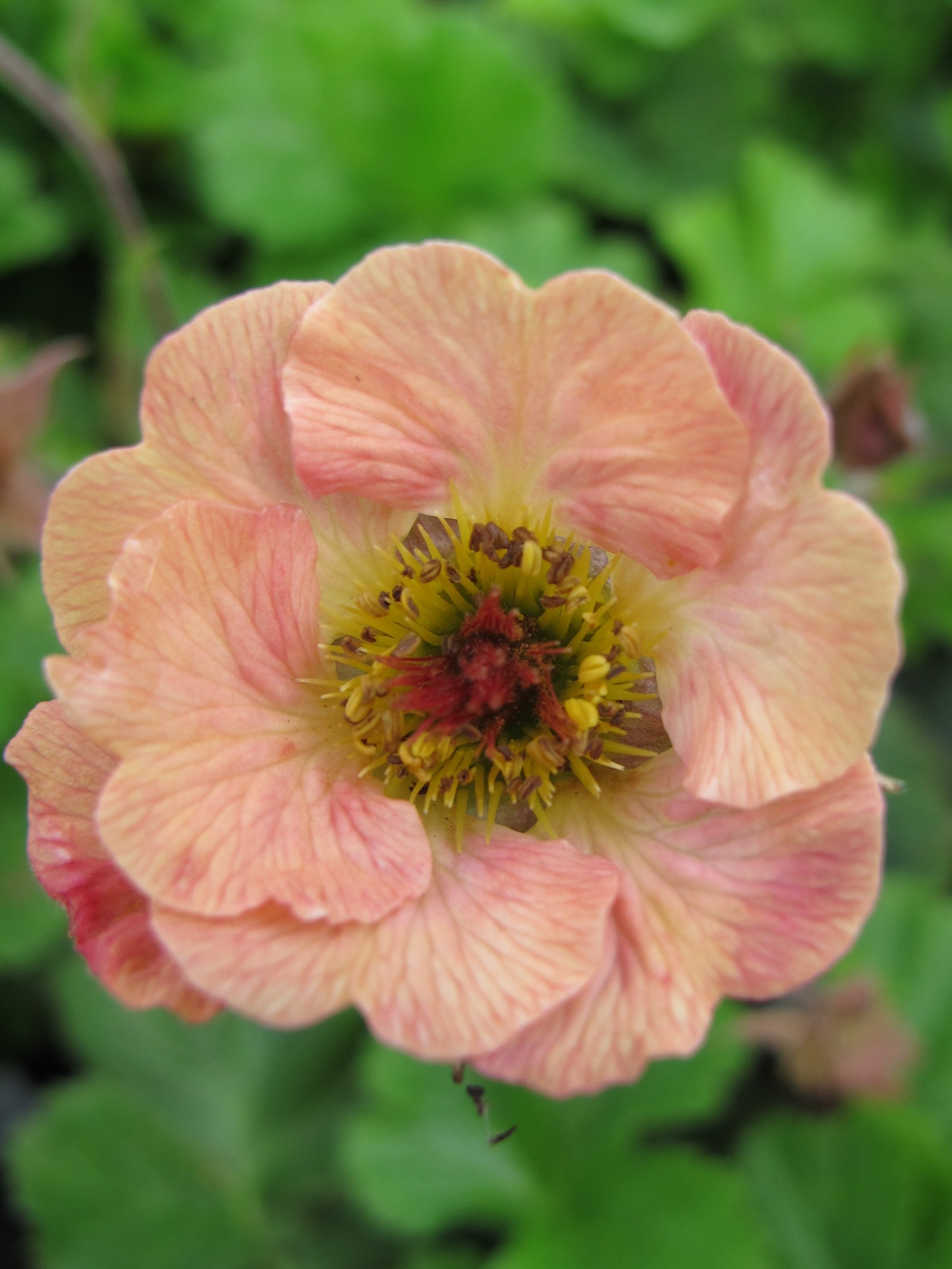
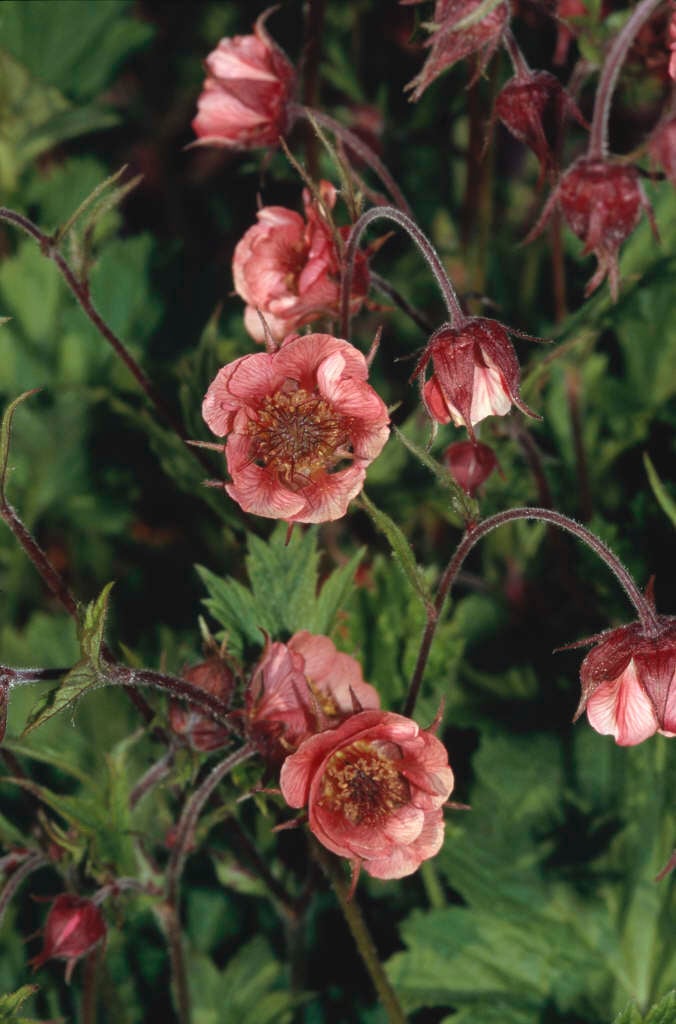
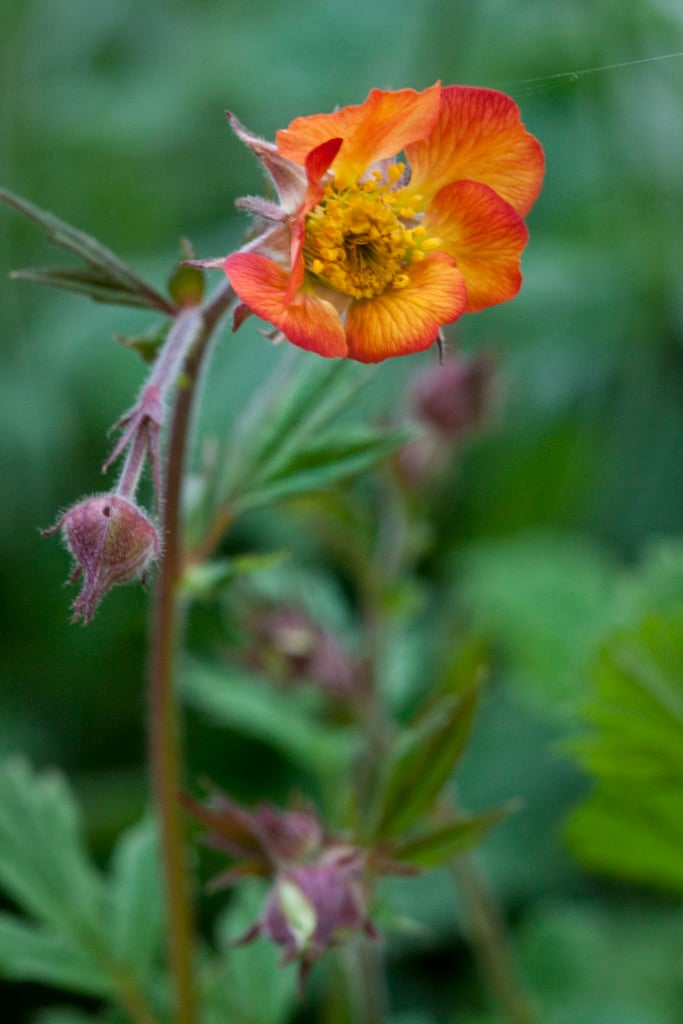
Geum rivale 'Leonard's Variety'
water avens 'Leonard's Variety'
- Height
- 0.1–0.5 metres
- Width
- 0.1–0.5 metres
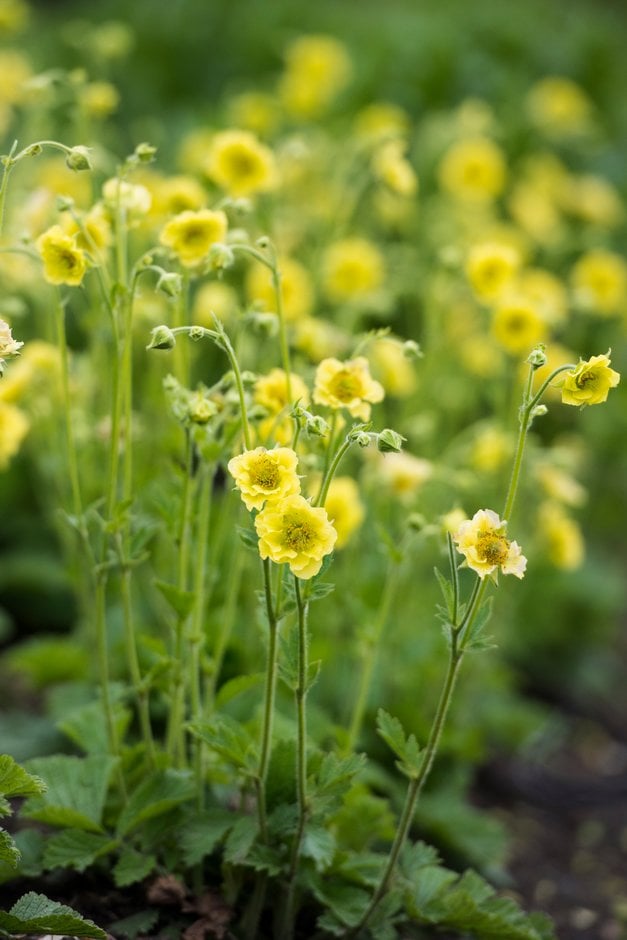
Geum 'Banana Daiquiri' (Cocktails Series)
avens 'Banana Daiquiri'
- Height
- 0.1–0.5 metres
- Width
- 0.1–0.5 metres
x of x
Showing
x to x
of x