Quick Facts
Geums are herbaceous perennials, belonging to the rose family
1
Most geums like an open sunny site that’s not too dry
2
A few are adapted to specific growing conditions, such as dry alpine sites or damp places
3
Flowering time is generally from late spring into summer, but can continue into autumn
4
Geums are best planted in spring or autumn
5
Regular deadheading will prolong flowering
6
They can be propagated by division or seed
7


Before you get started
Choosing the right geum
There are a few things to consider when choosing the right geum for your garden:
Planting position
There are many geum cultivars suited to a sunny border with a fertile, moisture retentive soil. From the bright orange Geum ‘Prinses Juliana’ or yellow G. ‘Lady Strathden’ to the more muted colours of some of the cocktail series like G. ‘Cosmopolitan’.
If you have a rock garden, select one of the alpines, like G. montanum, but if you have a damp, shady area, go forG. rivale with its nodding reddish-pink flowerheads in early summer and preference for cool, moist conditions.
Flowers
There are a wide range of flower colours to choose from, including fiery reds and oranges through to pale yellows, peachy pastels and white.
Eventual size
Generally plants are of a similar height (40-75cm) and spread (30-40cm). However, alpine species may be significantly shorter.
Buying geums
You’ll find geums for sale at garden centres and nurseries as container grown plants. They are also available from many mail order suppliers. You can use the RHS Find a Plant tool to see lists of suppliers for particular species or cultivars.



Planting
When to plant geums
Although container-grown plants can be planted at any time, spring or autumn planting is better for good root establishment.
Where to plant geums
Choose an area that's open and sunny with moisture retentive soil for border geums. Alpine species like G. montanumneed a free-draining soil, so are best in a rock garden or alpine trough, while those that prefer damp semi-shade,like G. rivale, prefer a more boggy planting site.
Most border geums flower at a height up to about 40-70cm. They'll look good at the front of a border, so their flower stems can make a see-through haze. Team with other late spring to early summer flowering plants like hardy geraniums.
How to plant geums
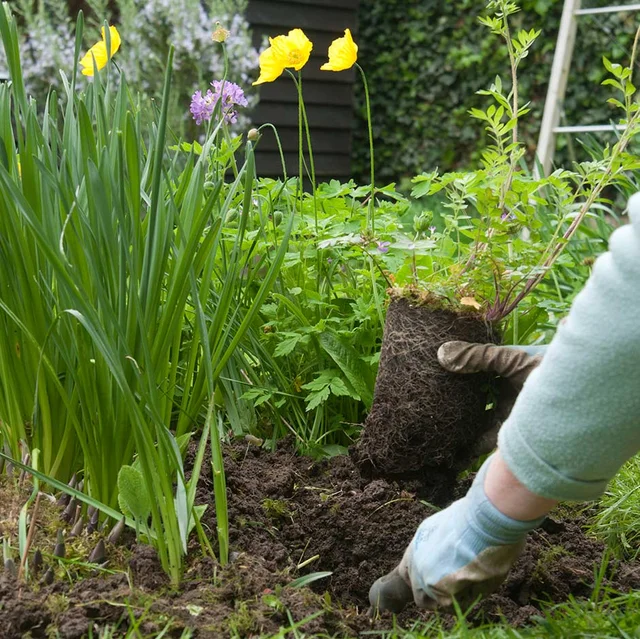
Plant as you would any other herbaceous , following our advice in the guide below. Space plants according to the recommendations on the label - as a general rule, about 30cm apart. Geums don't need staking.
Ongoing Care
Watering
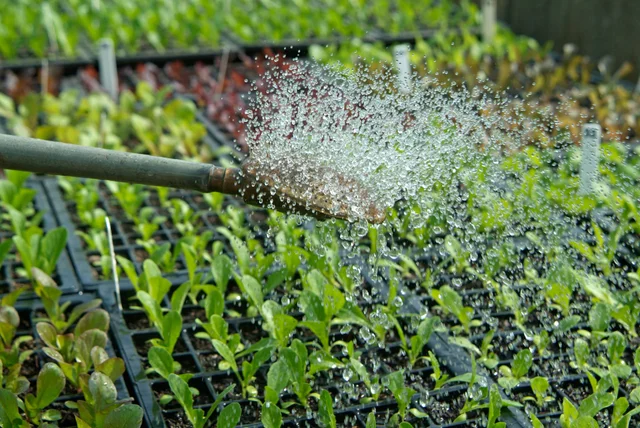
Water in dry spells especially in the first spring and summer after planting so plants establish well.
Feeding
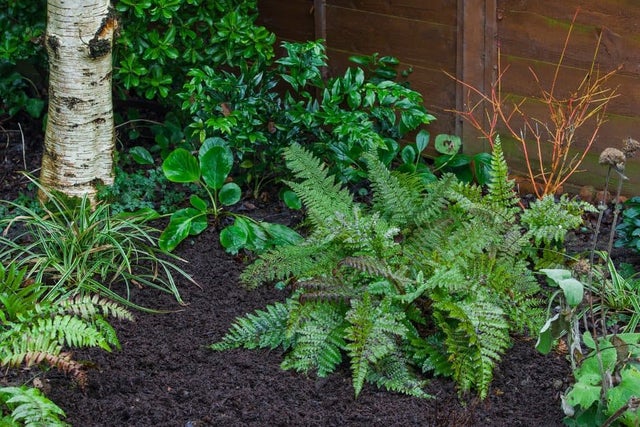
Feeding is not needed on most soils, but if your soil is poor, you can apply a general purpose fertiliser in spring to boost growth. Mulching around plants annually in late winter/early spring adds as well as improves soil structure, reduces weed growth and helps conserve soil moisture. Use a bulky organic matter such as garden .
Weeding
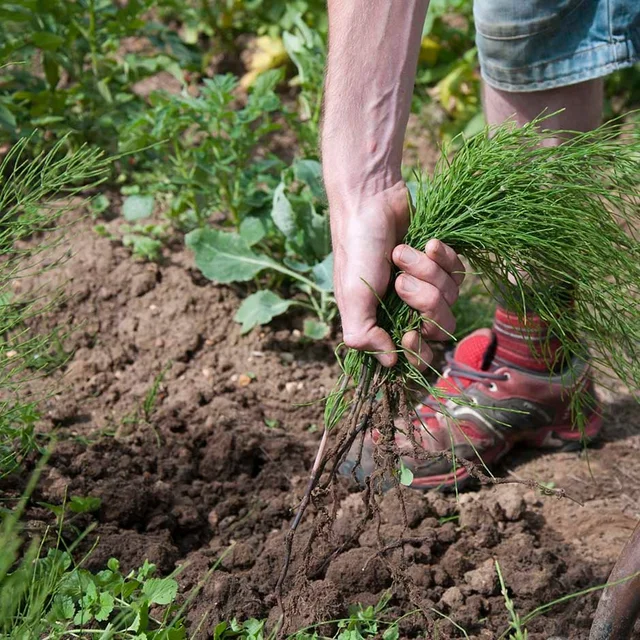
Try to keep the soil around your geums free from weeds, to reduce competition for moisture, nutrients and light.
Deadheading
Deadhead stems when the cluster of flowers fade and petals drop. Cut spent flowering stems down to the base to encourage more to grow.
Caring for older plants
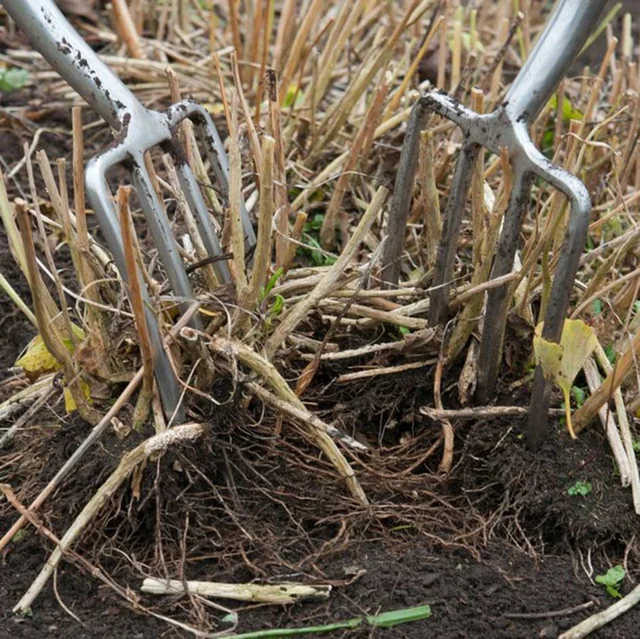
Clumps of geums tend to die out in the middle after a few years, and their flowering is reduced. When this starts to happen, divide the leafy which are linked by (underground stems), add some organic matter to the soil and replant healthy rosettes at a wider spacing. Do this in early to mid-spring.


Pruning and Training
Aside from , pruning isn't necessary, but old, tatty leaves can be tidied up in spring and autumn. Just be sure to leave a rosette of foliage to overwinter.
Propagating
The easiest way to propagate geums is by division of clumps in spring. Large with good root systems should flower the same year.
Species of geum (not named cultivars) can also be propagated by seed. Plants should be large enough to flower in year two or three.
Please be aware that some geums are protected by Plant Breeder's Rights, and you are not allowed to propagate them for sale.
Problems
Geums are generally trouble-free but in dry conditions may suffer from powdery mildew. Their leaves may also be eaten by geum sawfly and leaf miners.