Appearance
Finely pointed leaves are borne in opposite pairs. The widely grown pheasant berry (Leycesteria formosa) has small, pale flowers enhanced by showy red, purple or wine-coloured bracts, followed by purple-black fruits that are popular with birds.
Preferences
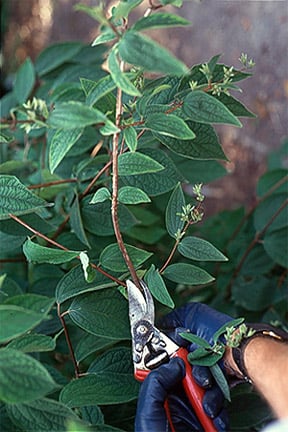
Leycesterias prefer full sun or partial shade and thrive in moderately fertile, moist but well-drained soil. They are best pruned annually to encourage fresh, young growth.
Dislikes
Wet soil over winter may cause roots to rot. Golden-leaved forms may be damaged by severe cold.
Did you know?
Leycesteria formosa may turn up unannounced in gardens as it grows quickly and easily from bird-dispersed seeds. Its rapid growth and juicy berries have also made it a popular choice for pheasant cover.
RHS Growing Guide
FREE
Read our comprehensive free RHS Growing Guide:
How to grow shrubs

Introducing Leycesteria
![Himalayan honeysuckle [Golden Lanterns]](/_image?href=https%3A%2F%2Fapps.rhs.org.uk%2Fplantselectorimages%2Fdetail%2F_80A6221.jpg&w=300&h=192)
Leycesteria formosa [Golden Lanterns] ('Notbruce')
Himalayan honeysuckle [Golden Lanterns]
- Height
- 1.5–2.5 metres
- Width
- 1.5–2.5 metres
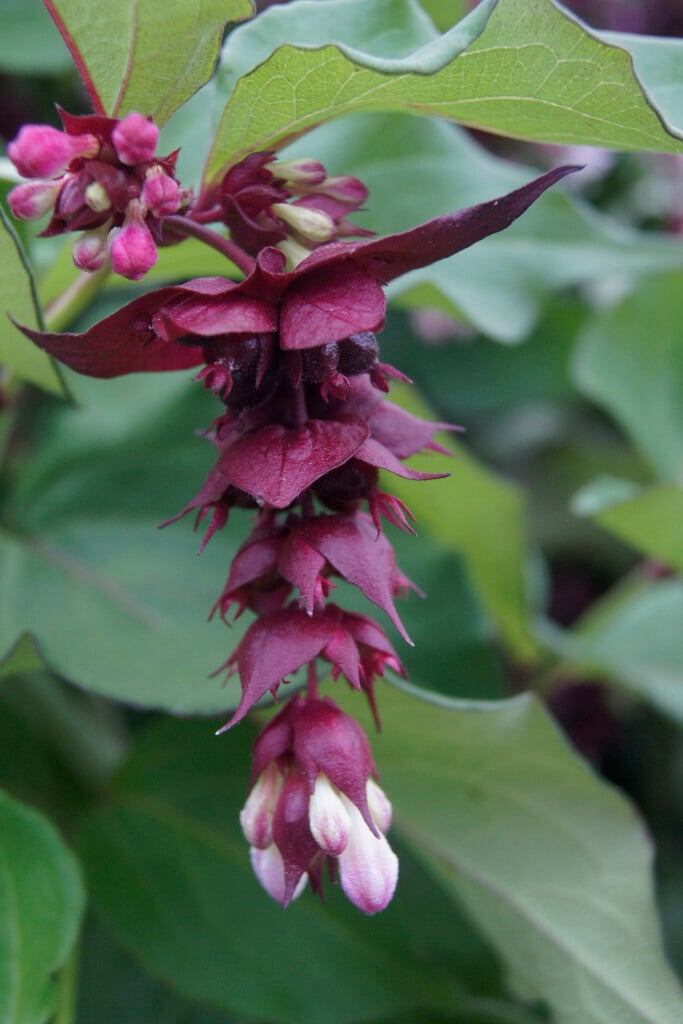
Leycesteria formosa 'Purple Rain'
Himalayan honeysuckle 'Purple Rain'
- Height
- 1.5–2.5 metres
- Width
- 1.5–2.5 metres
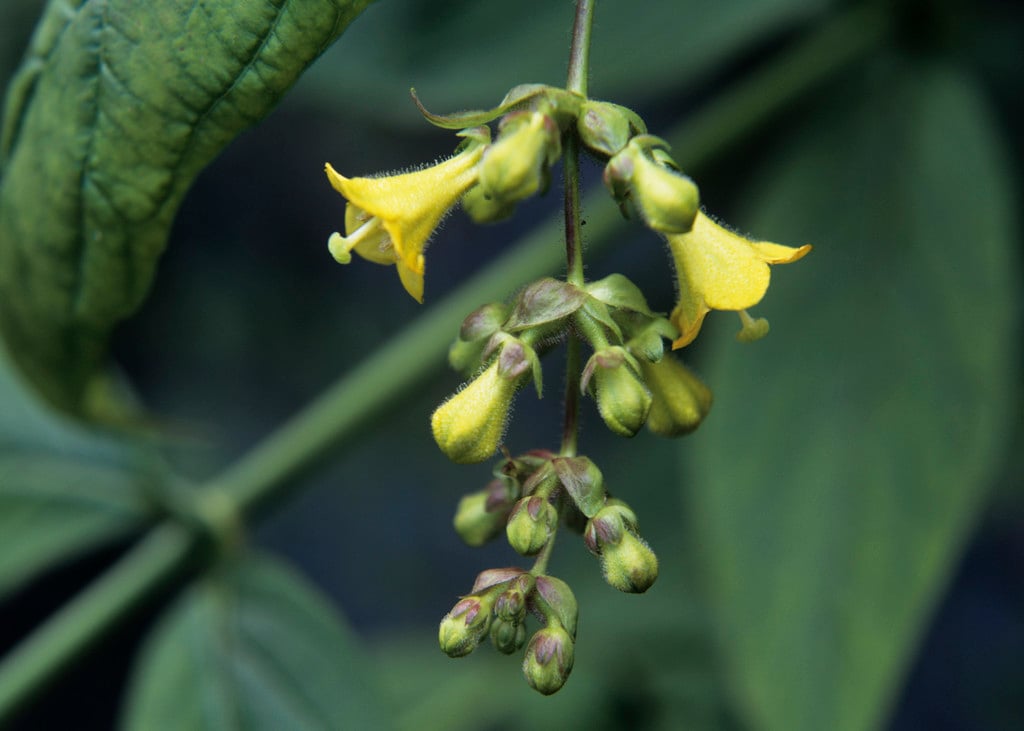
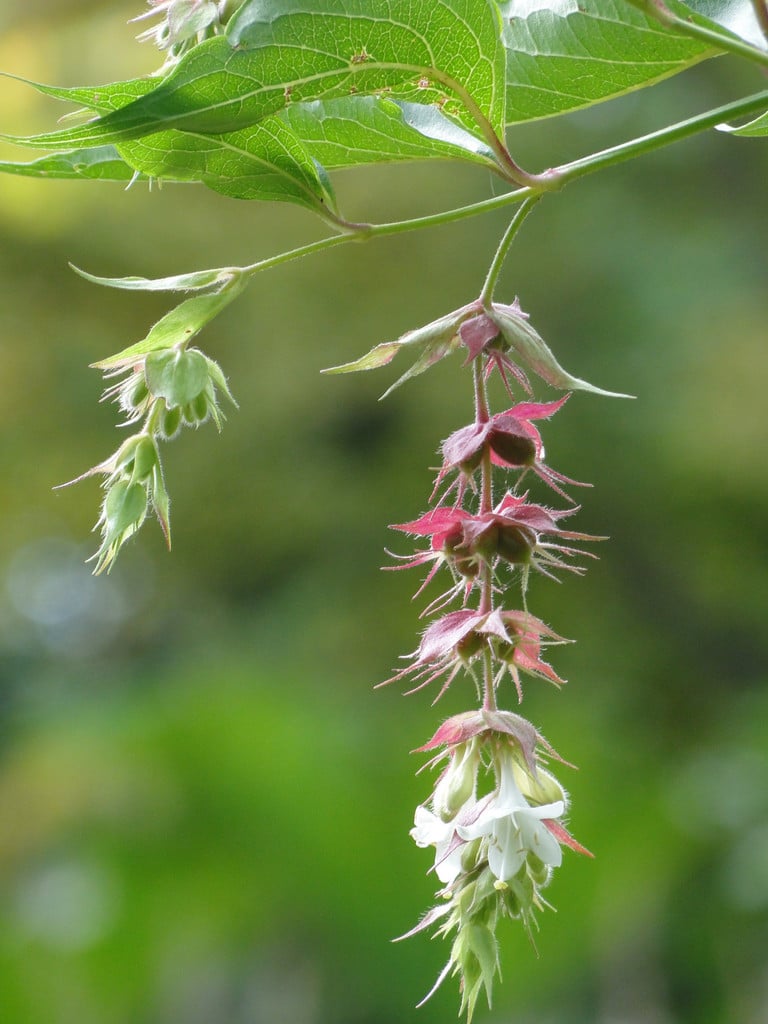
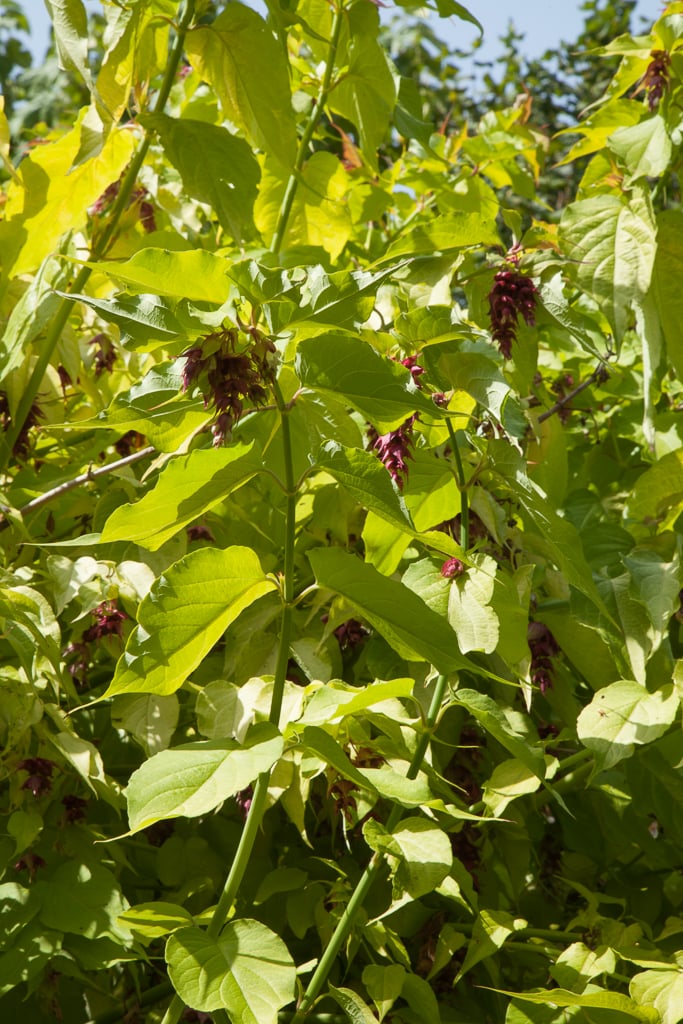
Leycesteria formosa 'Gold Leaf'
Himalayan honeysuckle 'Gold Leaf'
- Height
- 1.5–2.5 metres
- Width
- 1.5–2.5 metres
x of x
Showing
x to x
of x