Appearance
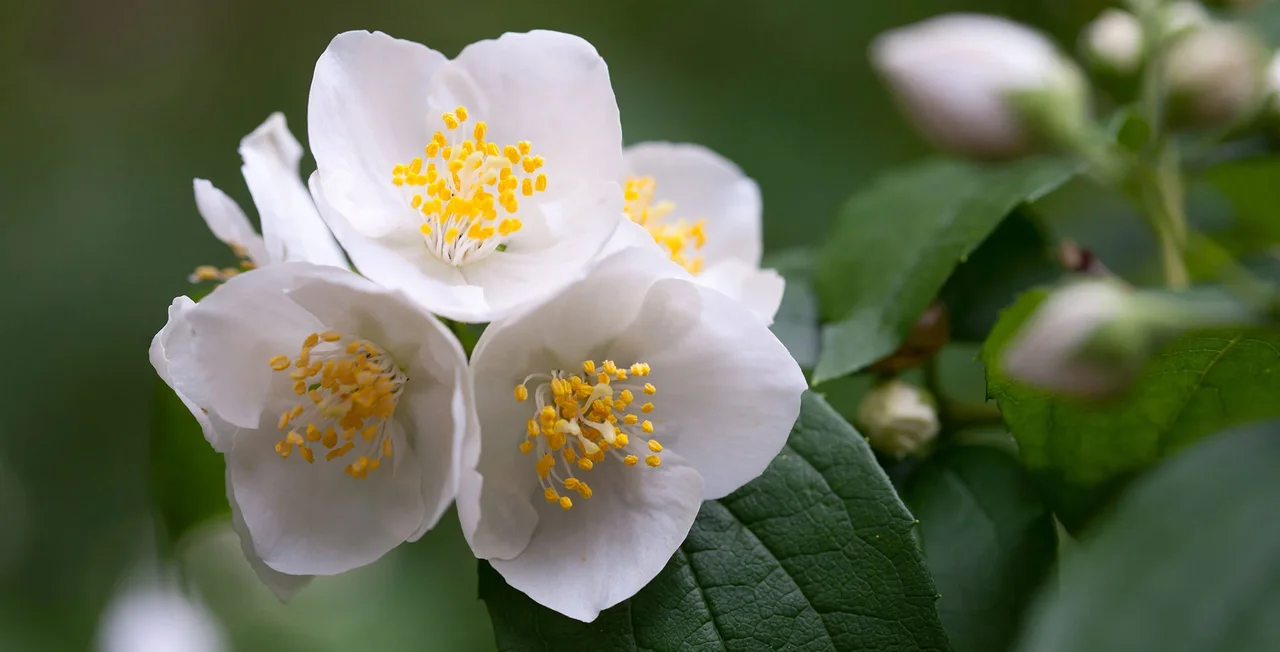
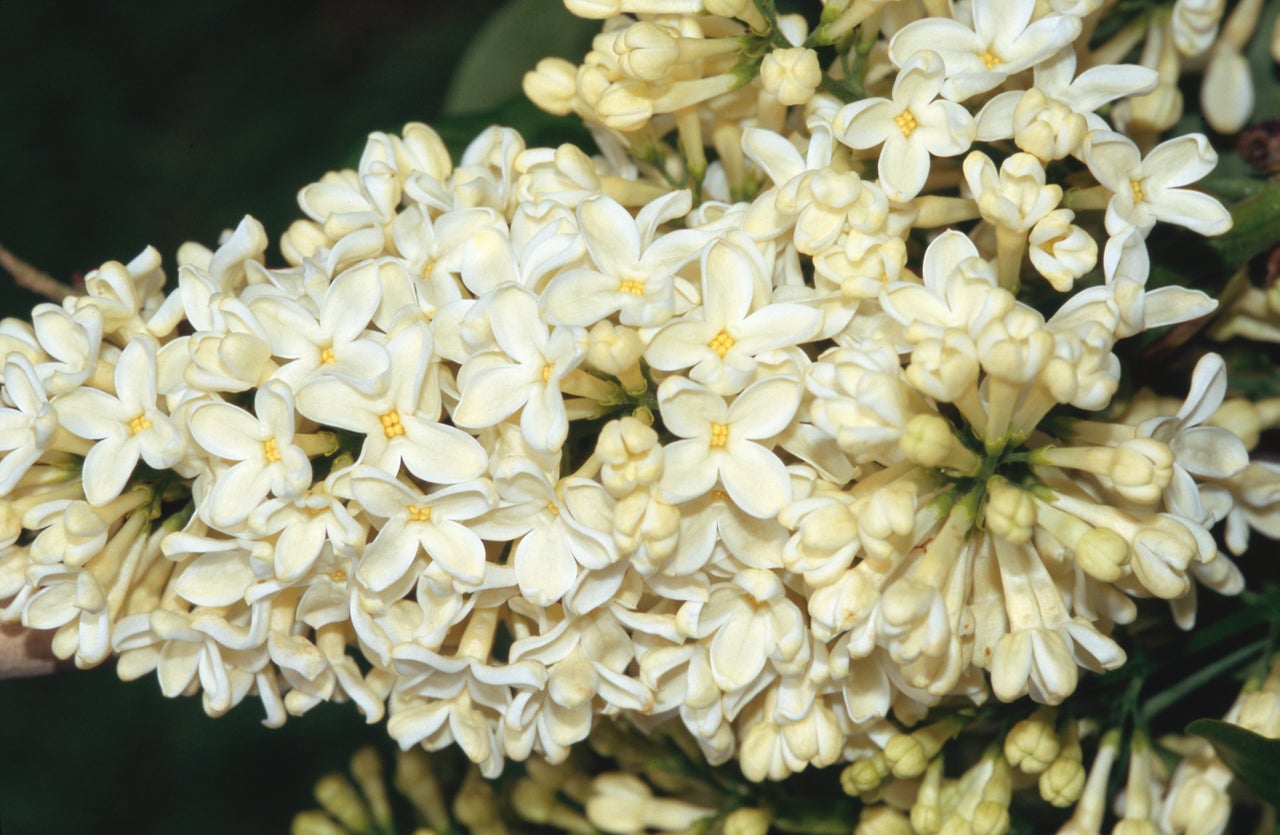
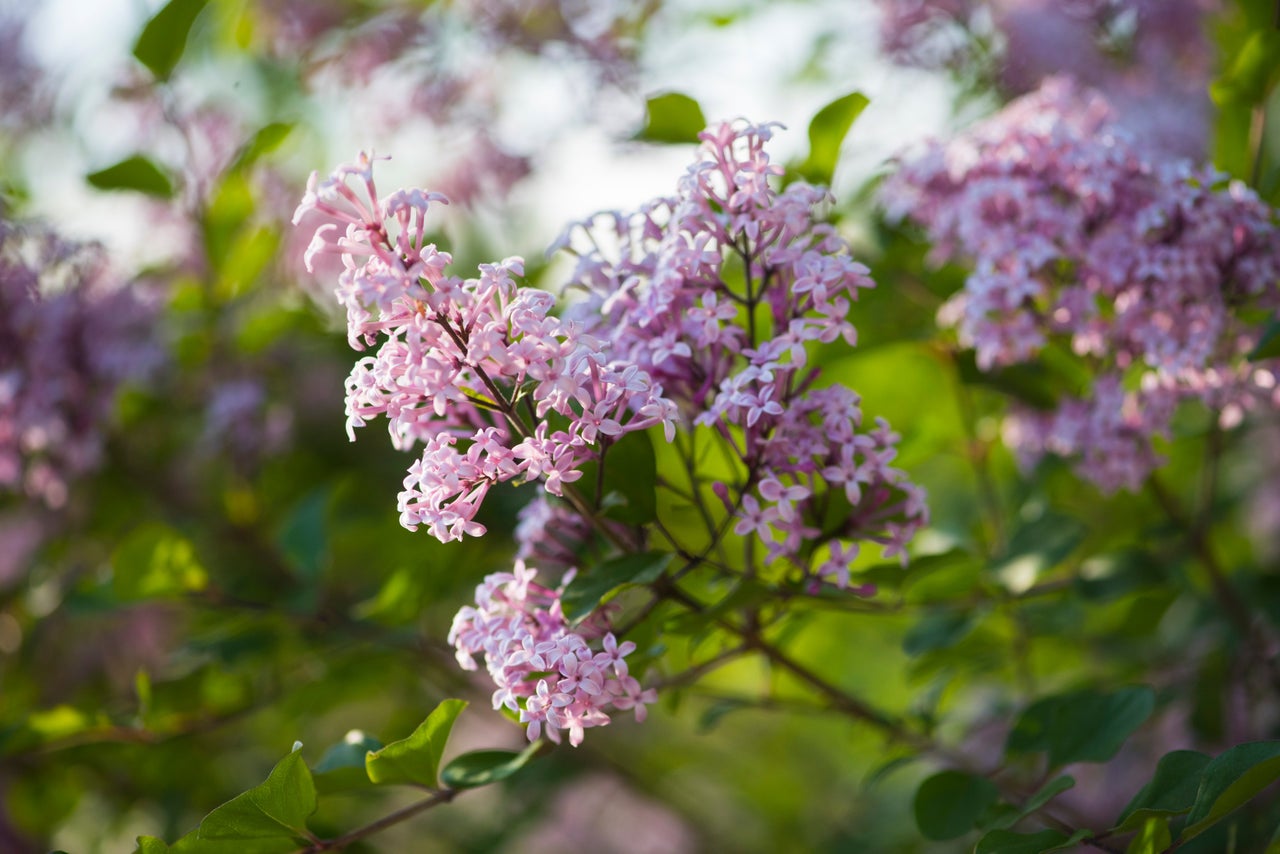
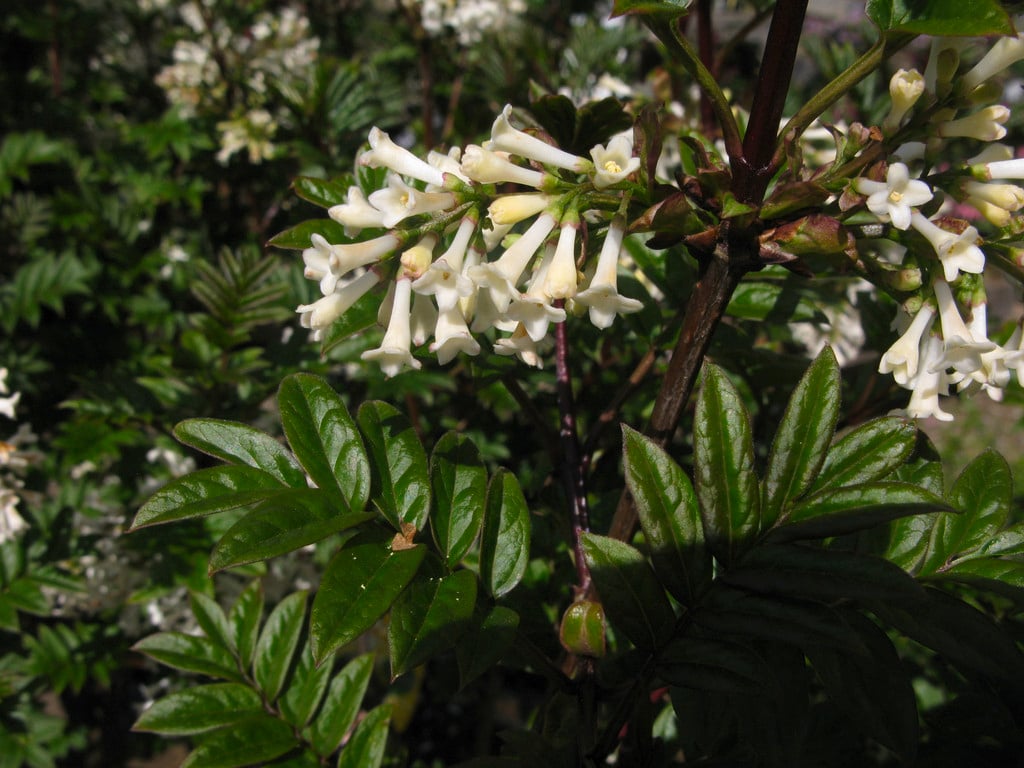
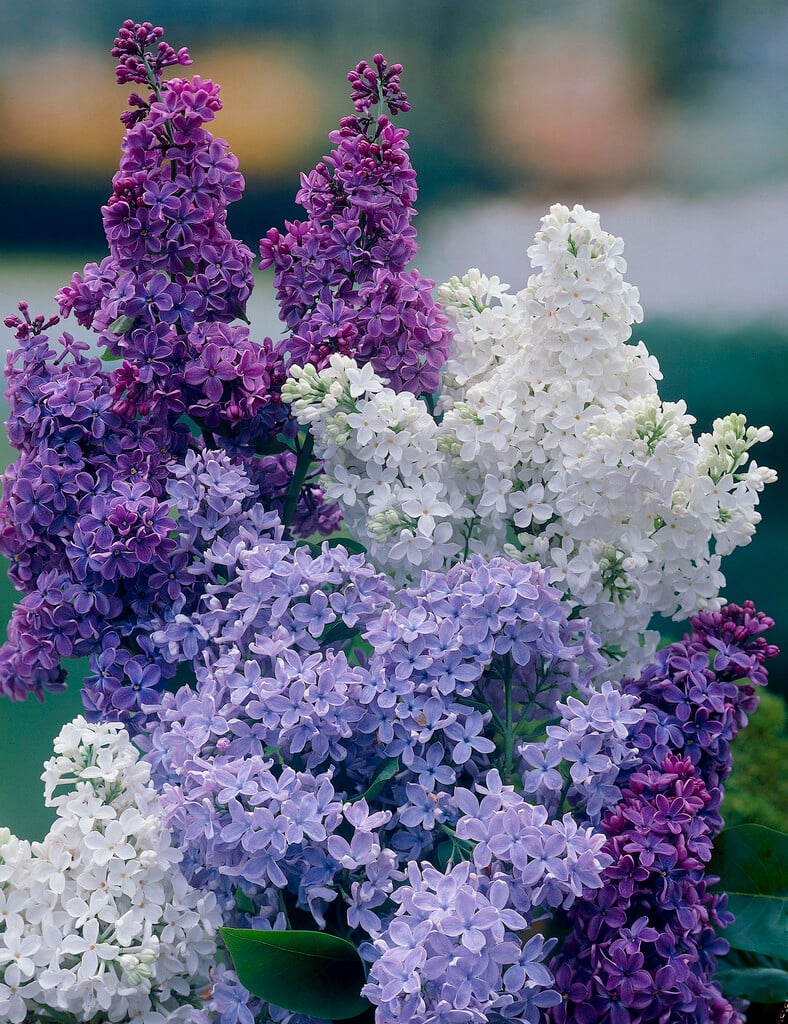
Lilacs are all about flowers and scent. The small, single or double flowers in shades of purple, mauve, pink, cream and white form dense or loose clusters. The foliage is rarely a feature, though a few develop purple leaves in autumn, and the pinnate lilac, S. pinnatifolia, has ash-like leaves.
Preferences
Most lilacs like neutral to slightly alkaline soil that is moist but well-drained. They thrive in full sun but tolerate partial shade and can cope with a windy site.
Dislikes
Lilacs don't do well in extremely dry or very wet soil. Growth will be leggy and flowering poor in shade. Late frosts can damage new growth, turning the leaves brown or black.
Did you know?
If you have lilac in your garden, you could attract the striking pink, black and cream privet hawkmoth. Lilac is one of the food plants for its large, vivid green caterpillars.
RHS Growing Guide

FREE
Read our comprehensive free RHS Growing Guide:
How to grow lilacs

Introducing Lilac
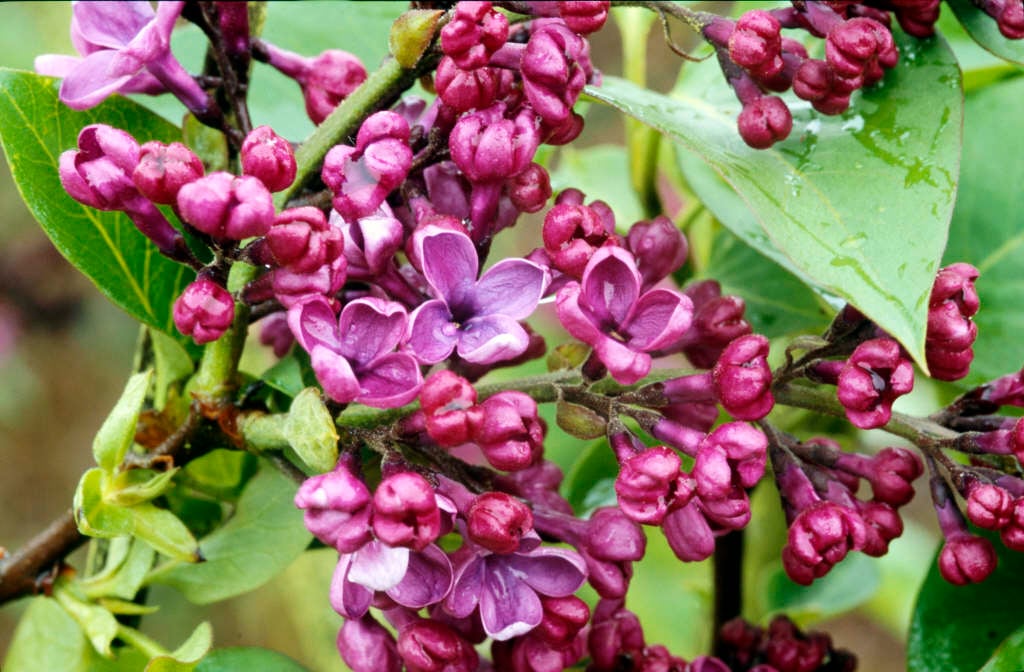
Syringa vulgaris 'Andenken an Ludwig Späth'
lilac 'Andenken an Ludwig Späth'
- Height
- 2.5–4 metres
- Width
- 2.5–4 metres
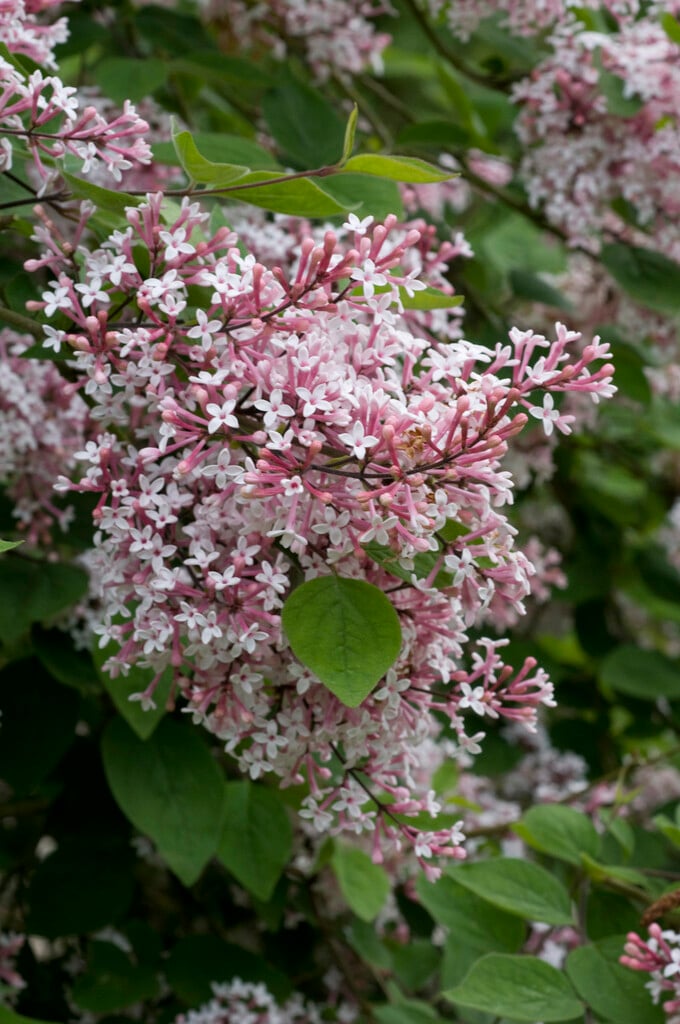
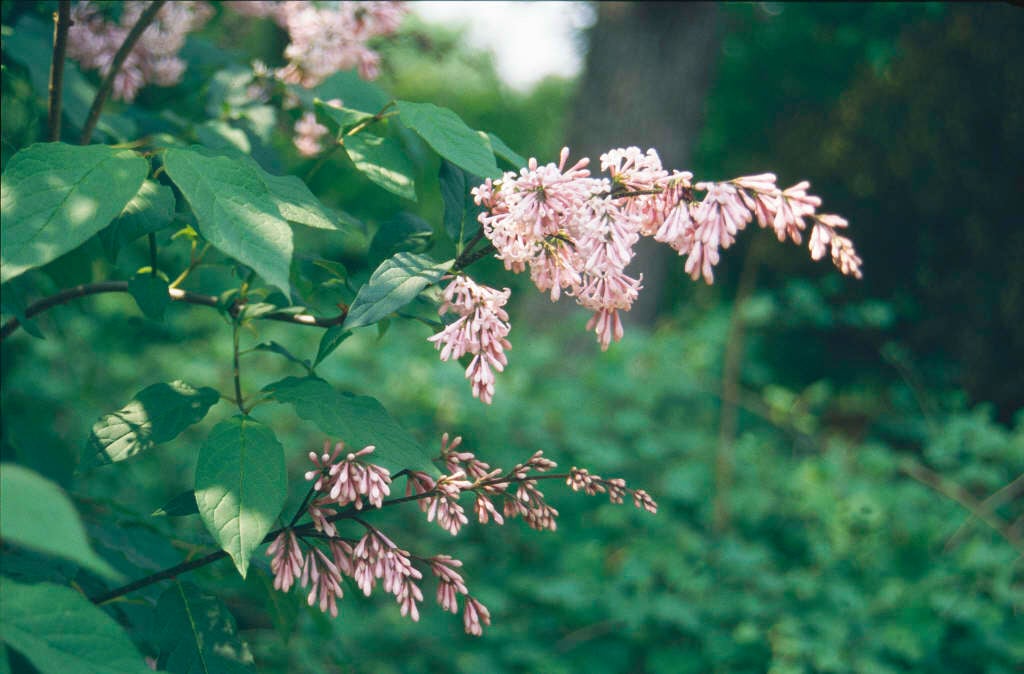
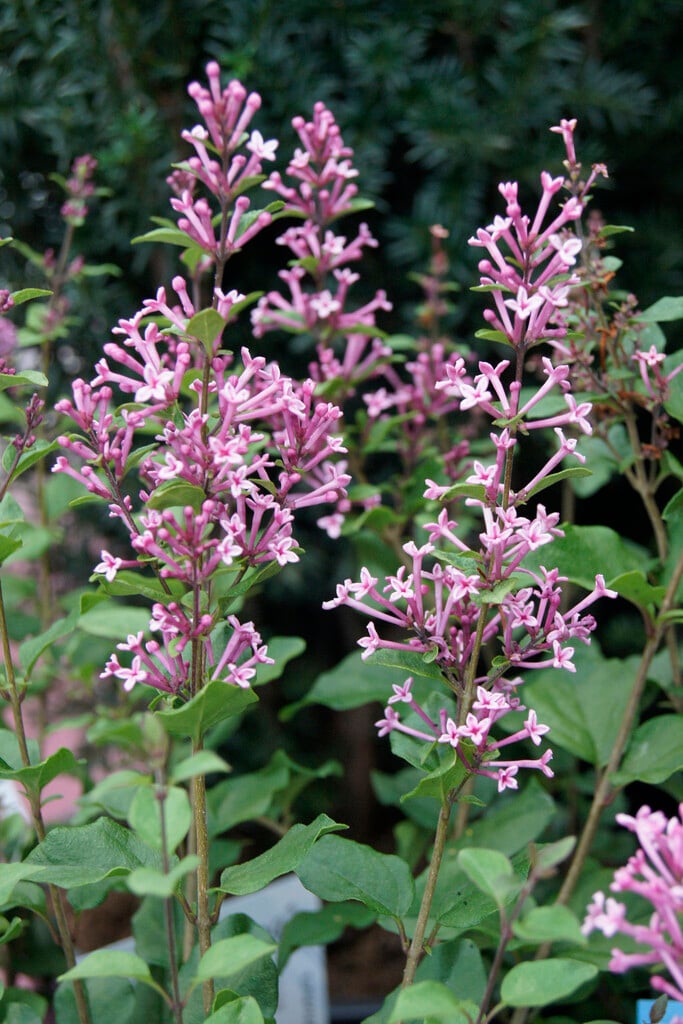
Syringa pubescens subsp. microphylla 'Superba'
very little leaf lilac
- Height
- 1.5–2.5 metres
- Width
- 1.5–2.5 metres
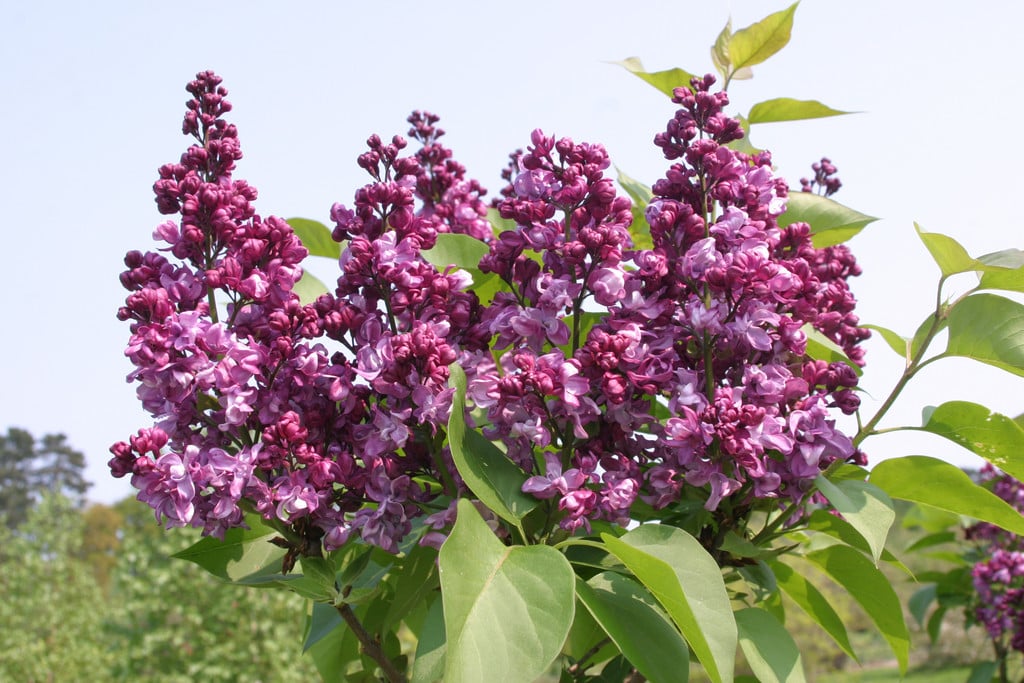
Syringa vulgaris 'Mrs Edward Harding' (d)
lilac 'Mrs Edward Harding'
- Height
- 2.5–4 metres
- Width
- 2.5–4 metres
x of x
Showing
x to x
of x