Appearance
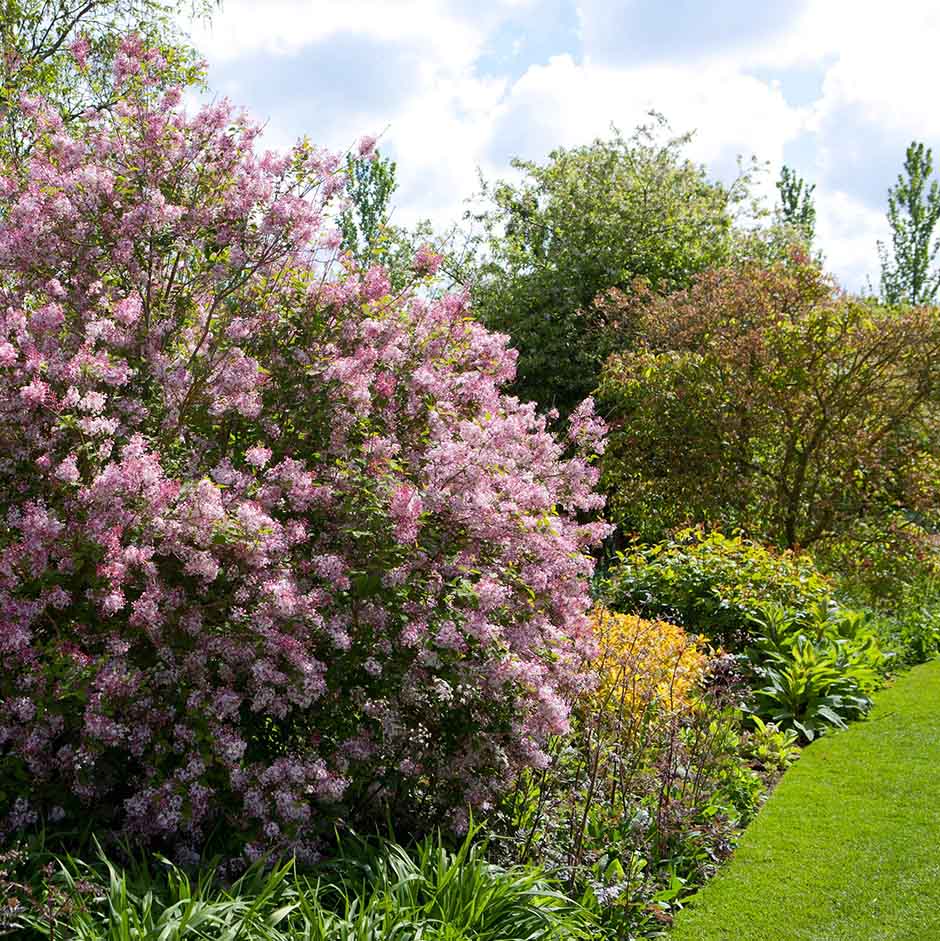
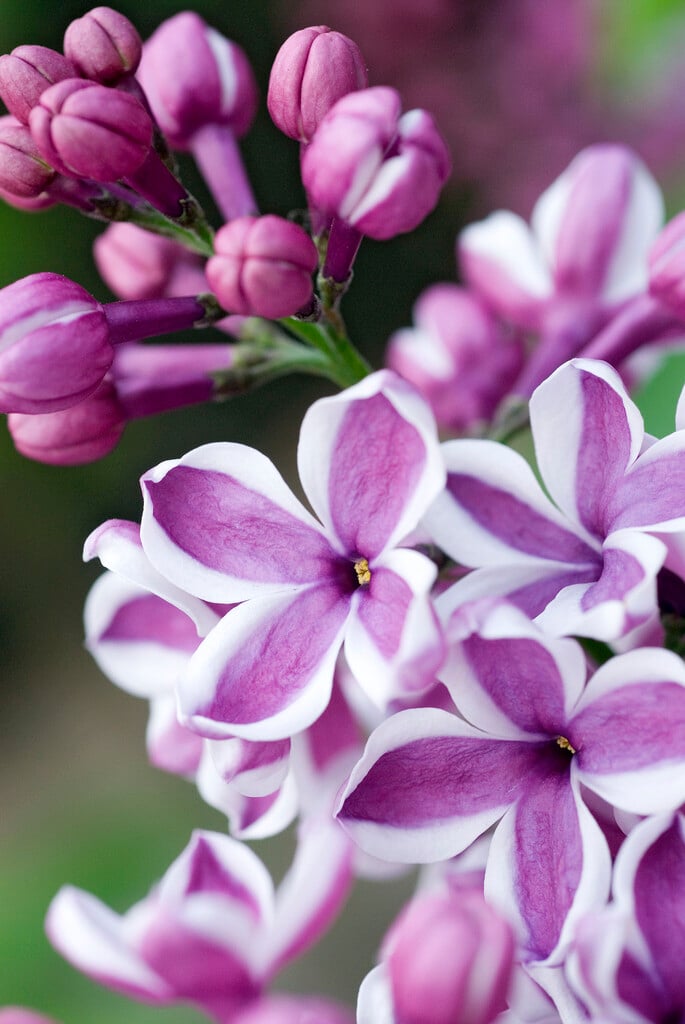
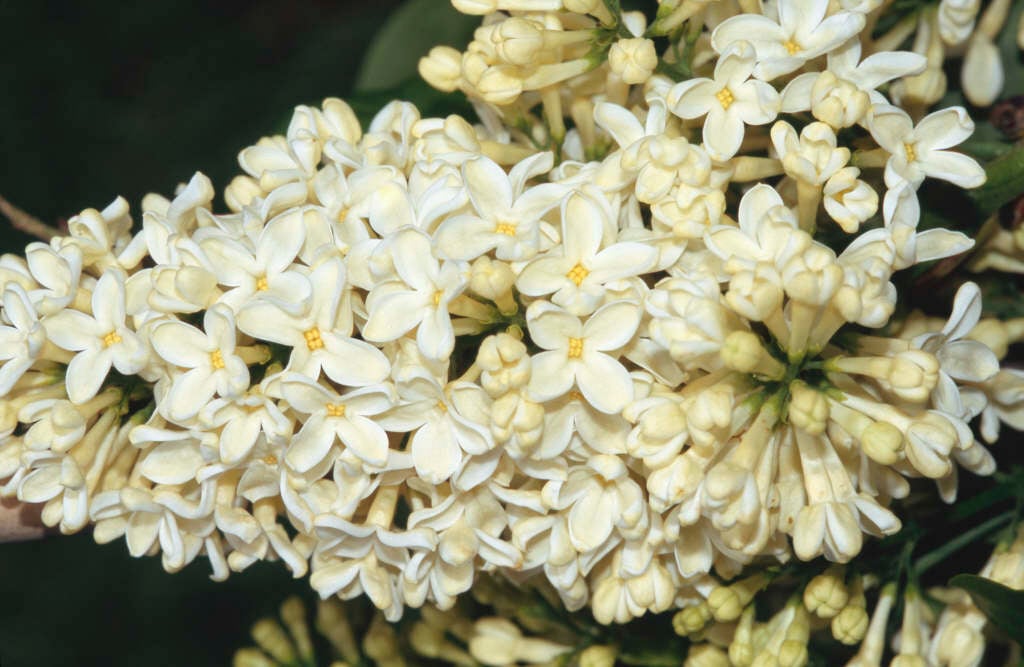
Large-flowered lilacs grow into large shrubs or small, multi-stemmed trees, generally 4-6m tall. They have smooth, heart-shaped leaves and generous sprays of flowers, some double, in white, cream, pink, dark red, and all shades of purple. S. vulgaris cultivars generally flower in May; S. × hyacinthiflora flowers from mid-April, so it can catch late frosts in cold locations.
Preferences
Most lilacs thrive in alkaline soils – those with chalk or limestone underneath – but are tolerant of neutral or slightly acid soils too. They flower best in full sun. Deadheading is worthwhile to avoid resources being used for seed production, and to keep plants looking tidy.
Dislikes
Lilacs don't do well in extremely dry or very wet soil. Growth will be leggy and flowering will be poor in shade. These large-flowered cultivars need room to spread – heavy pruning will spoil the shape and reduce flowering.
Did you know?
Common lilac originates in south-eastern Europe, but the name 'lilac' derives from a Persian word referring to a bluish-violet colour. The large, fragrant flower clusters make impressive cut flowers.
RHS Growing Guide

FREE
Read our comprehensive free RHS Growing Guide:
How to grow lilacs

Introducing Large-flowered lilacs
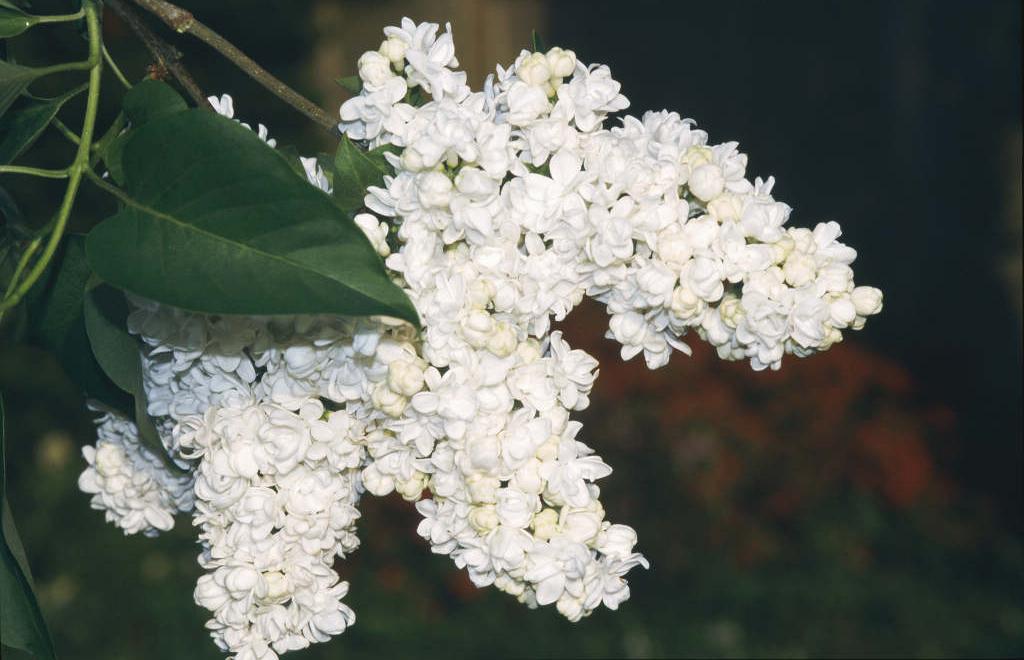
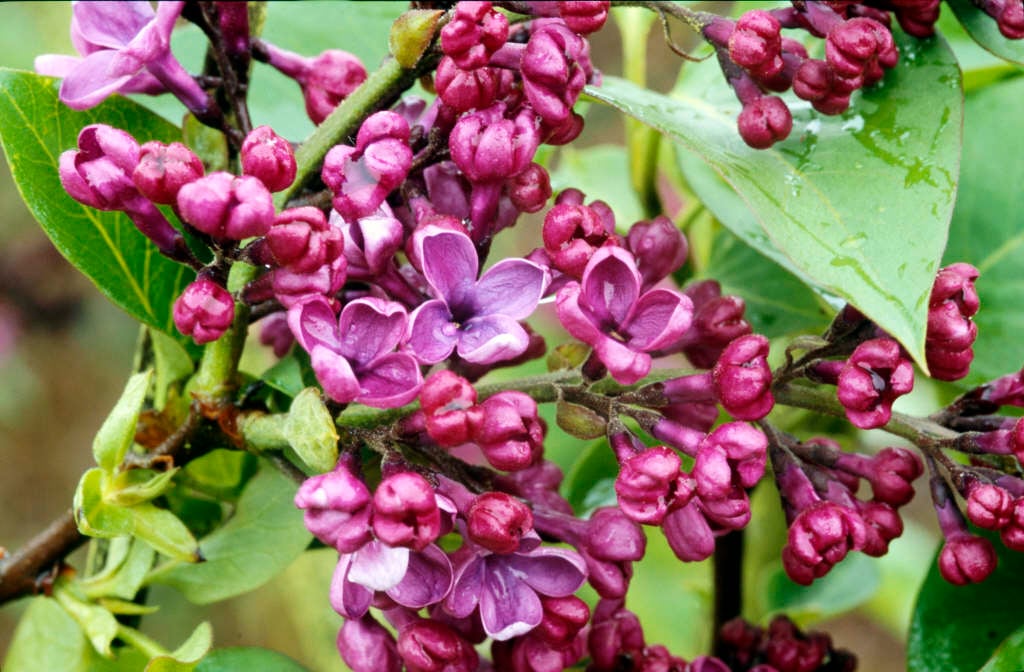
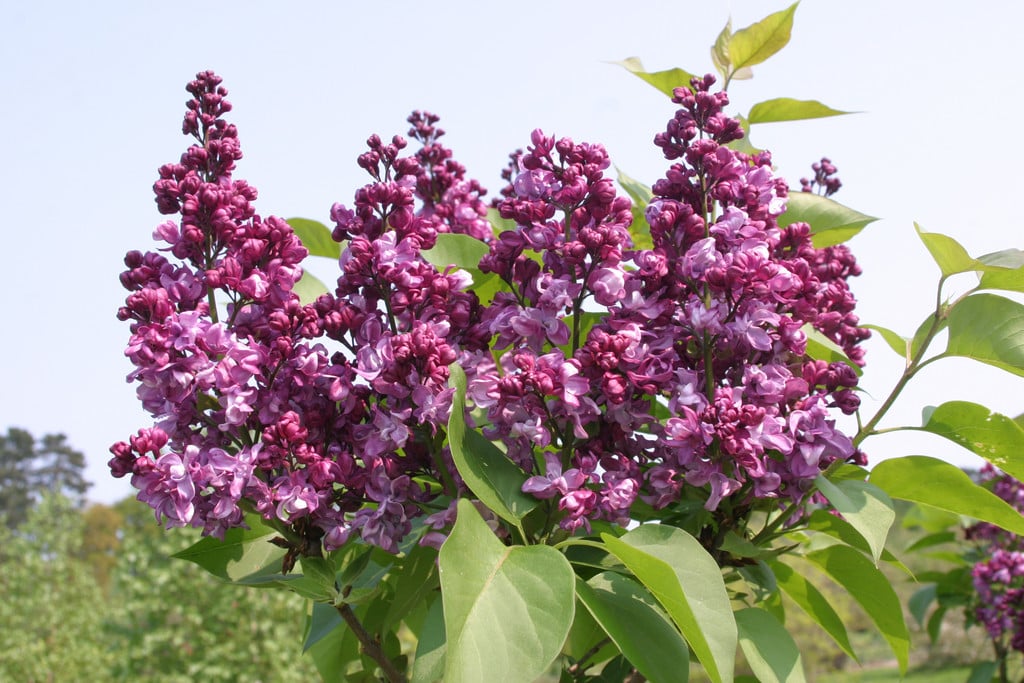
Syringa vulgaris 'Andenken an Ludwig Späth'
lilac 'Andenken an Ludwig Späth'
- Height
- 2.5–4 metres
- Width
- 2.5–4 metres
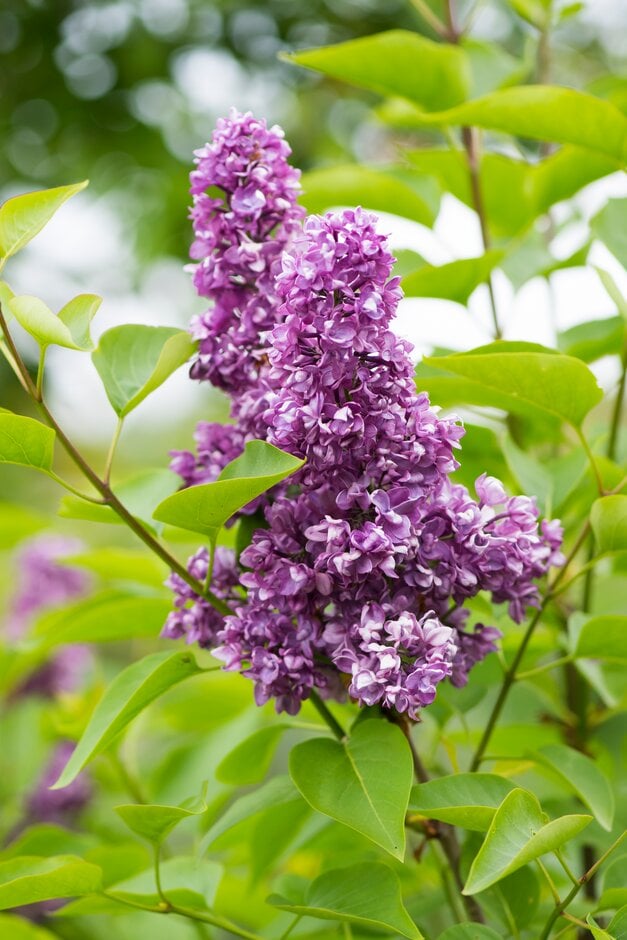
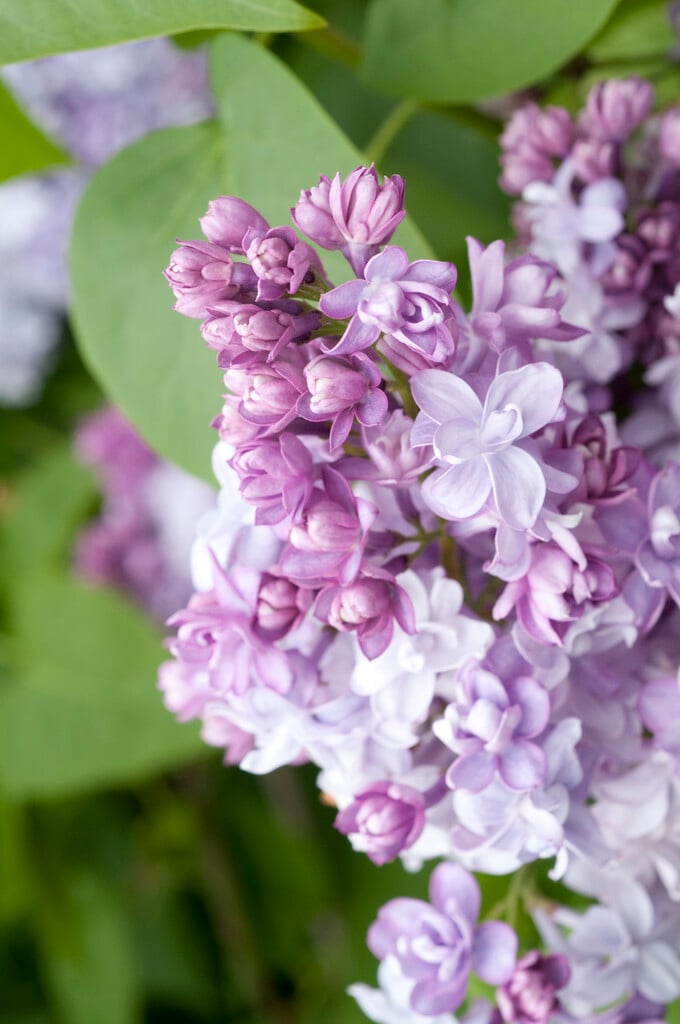
Syringa vulgaris 'Mrs Edward Harding' (d)
lilac 'Mrs Edward Harding'
- Height
- 2.5–4 metres
- Width
- 2.5–4 metres
x of x
Showing
x to x
of x