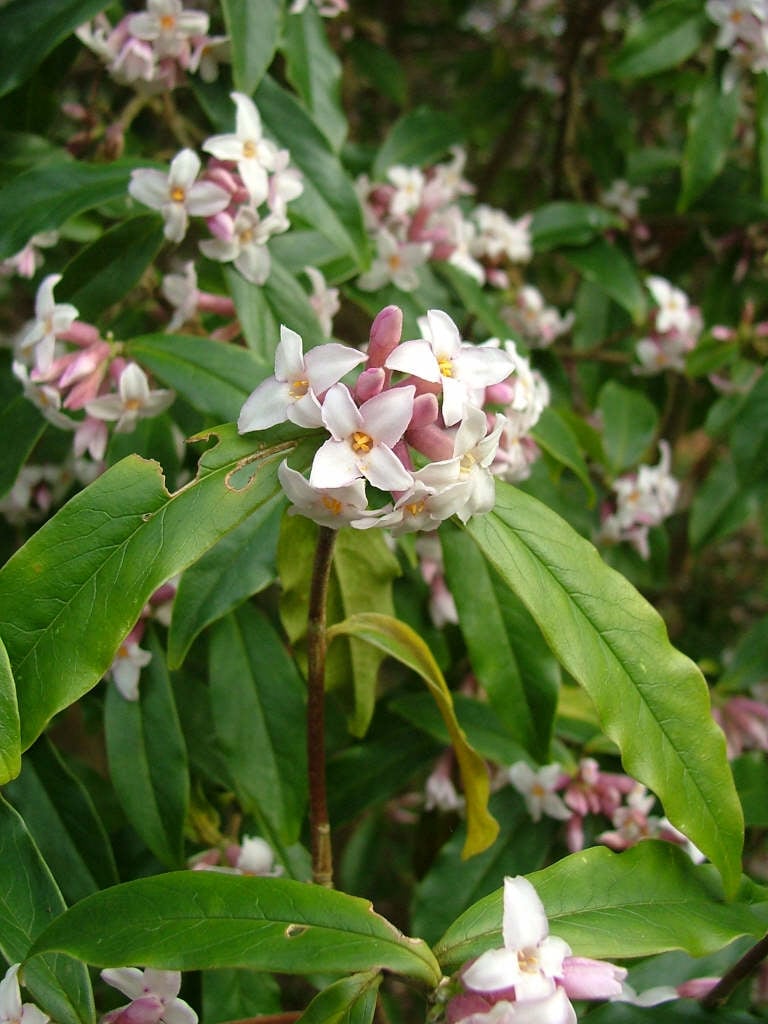
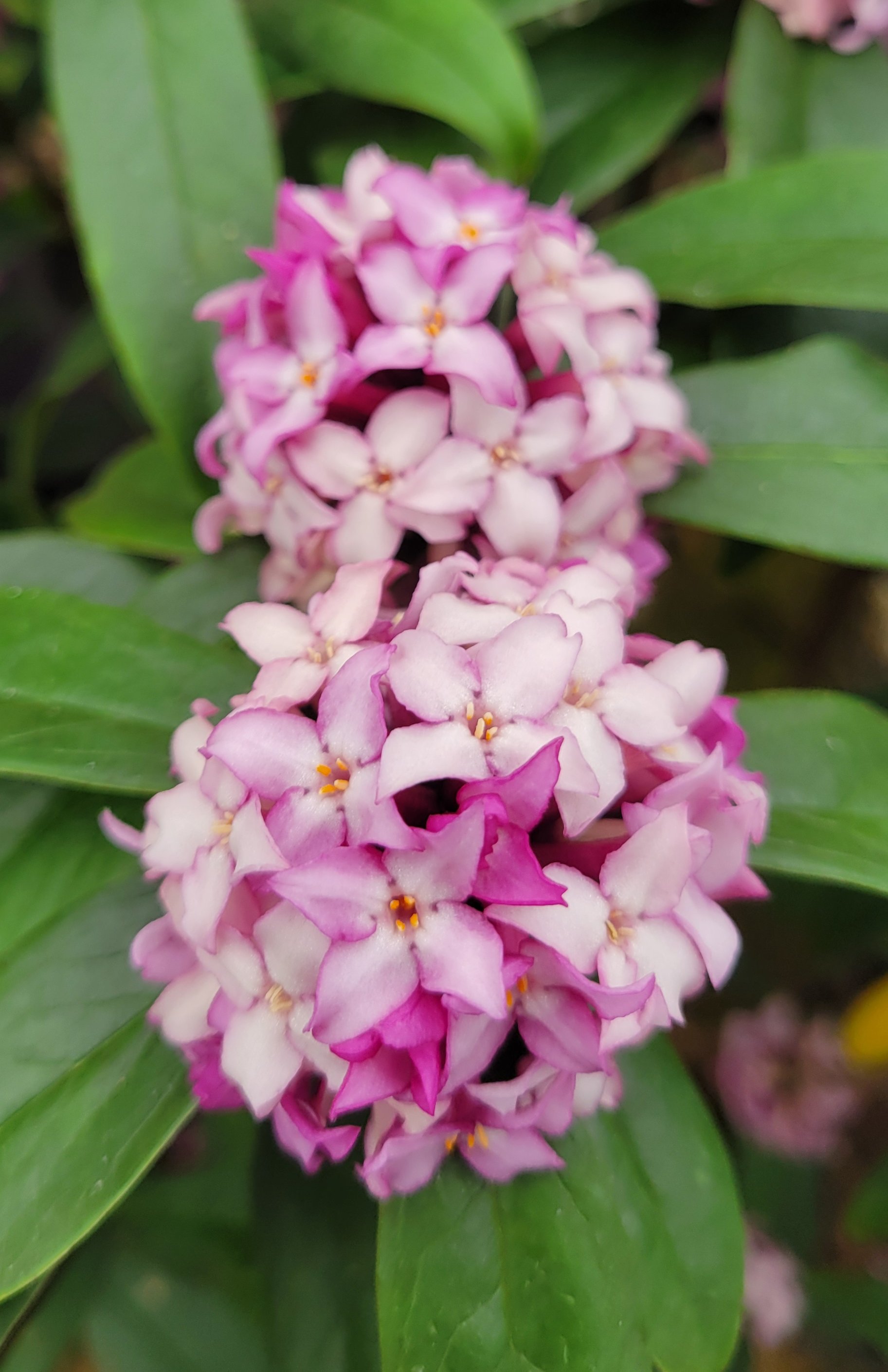
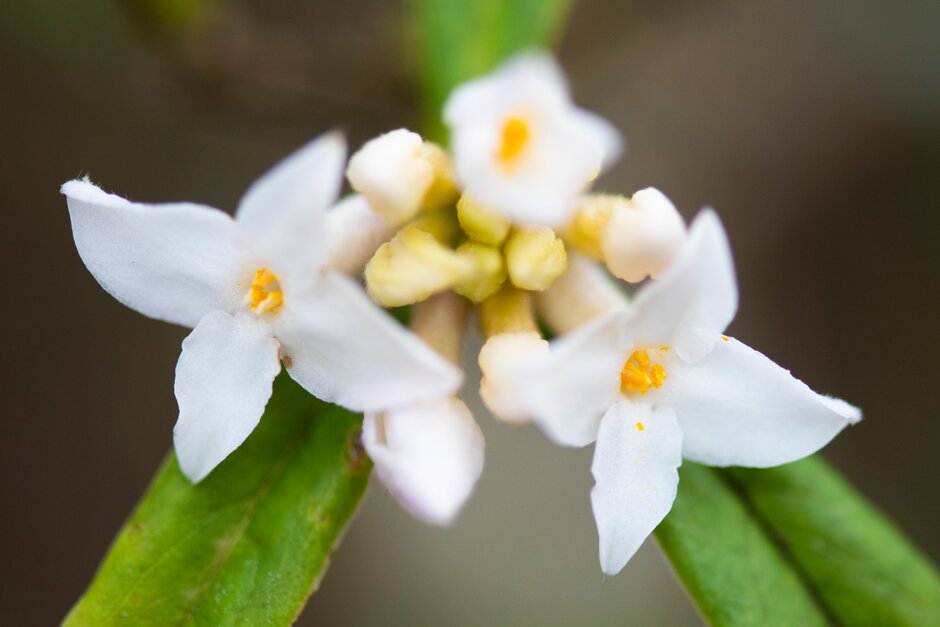
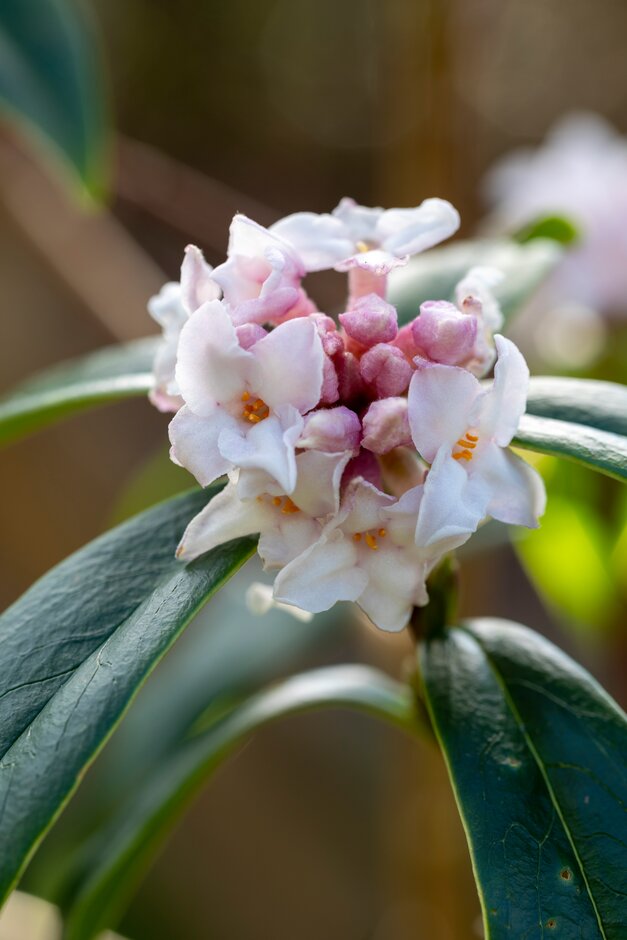
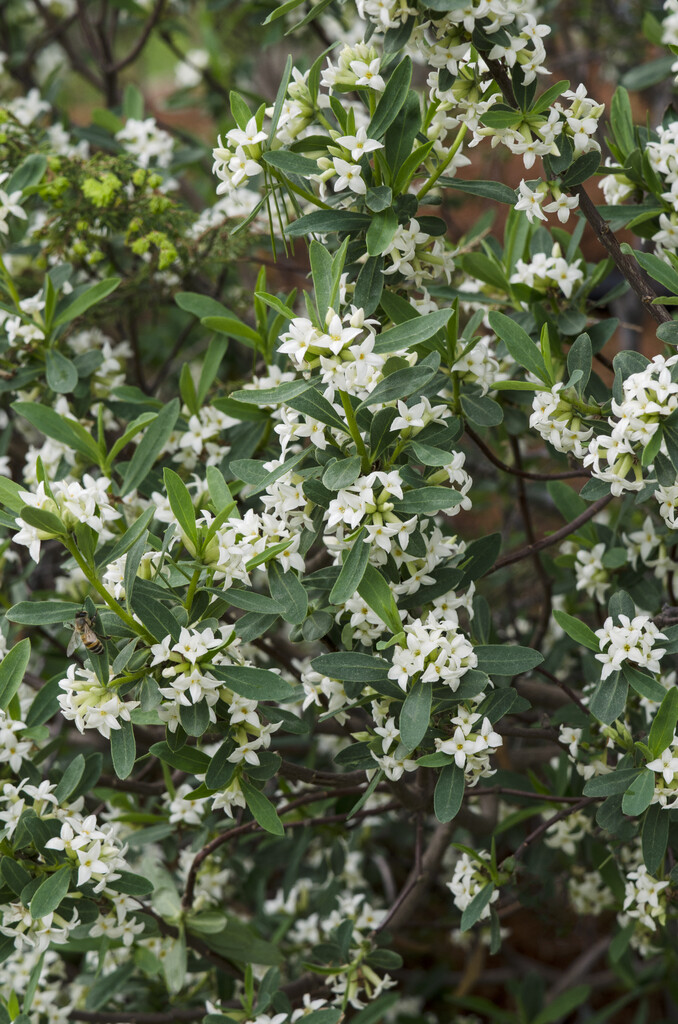
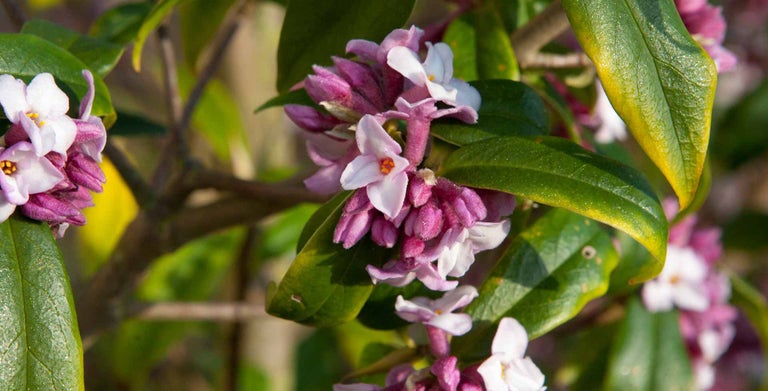
Daphnes are a classic winter-flowering shrub that add colourful blooms and wonderful rich scents to the garden. With careful choice, it’s possible to have a daphne in flower from November to April. They perform well in the woodland areas at RHS Garden Wisley and the expanding collection aims to show just how beautiful, varied and useful this genus is
Heather Greig
Associate Editor, The Garden
5-minute read
RHS Wisley’s National Plant Collection of Daphne is currently the only one in the UK and includes mature specimens and younger plants covering some 10 species and 30 cultivars. There are ongoing efforts to add to and expand the collection in order to acquire interesting variations in form and flower. They grow well in the woodland conditions of Battleston Hill , Oakwood and The Fern Glade , as well as on Seven Acres .
David Blackwell, Team Leader for Herbaceous Ornamental and the collection’s Custodian, says: “With no current collection and an unfortunately small choice of available cultivars in the mainstream garden centres, we hope to promote the cause of daphnes, highlighting them as adaptable garden plants suitable for wider use and hopefully increasing their popularity.”
Garden appeal
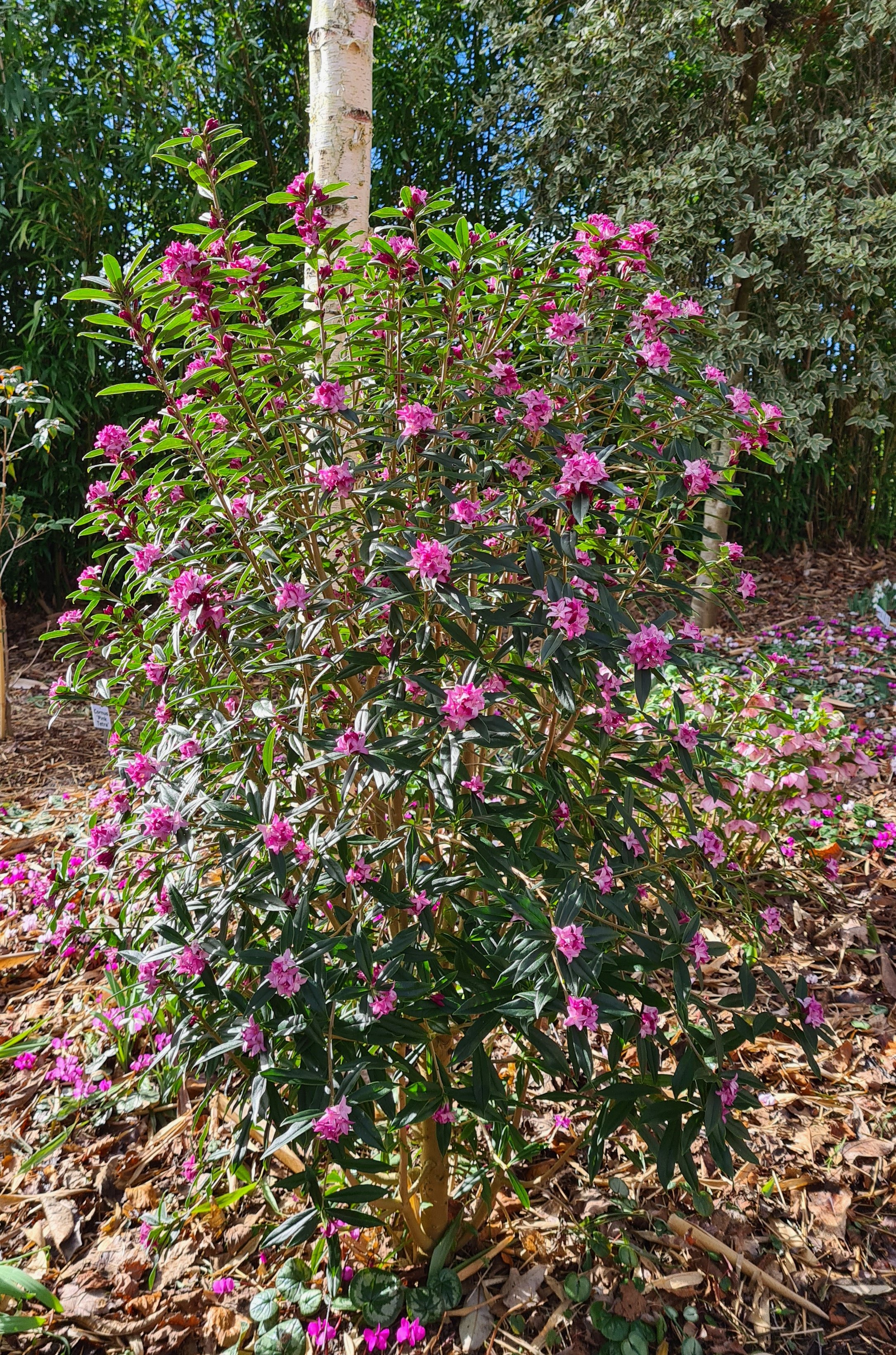
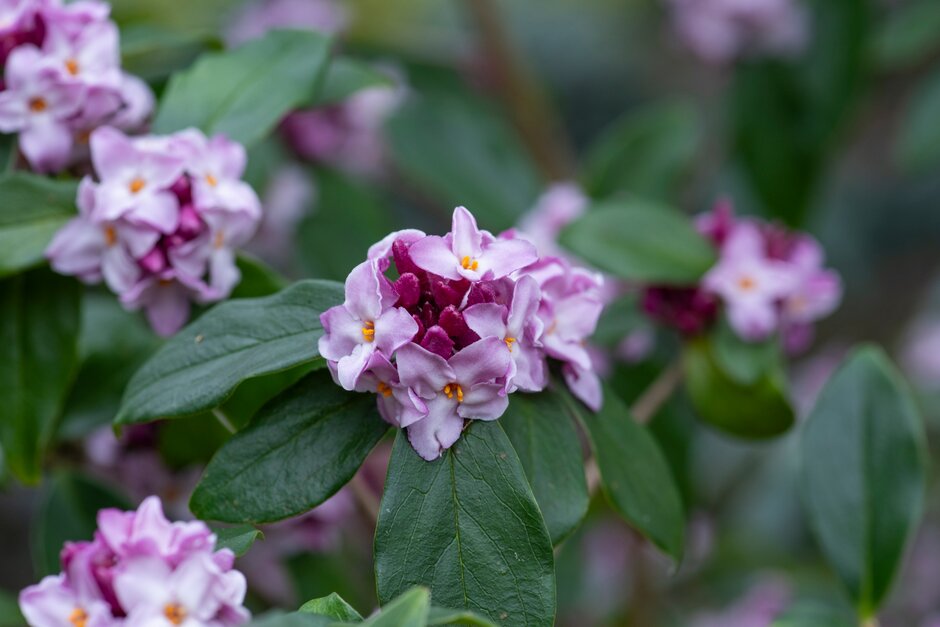
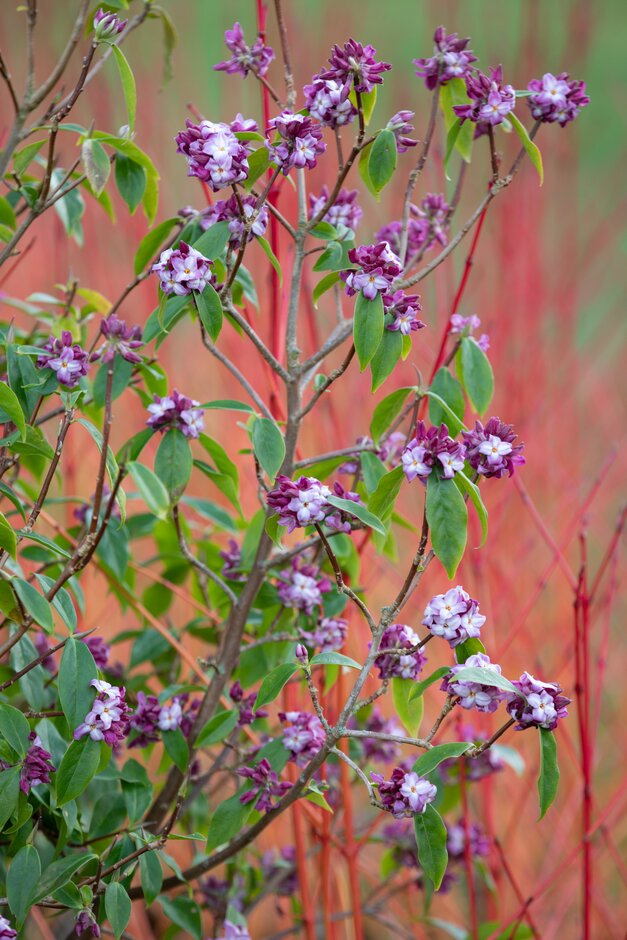
Scent is synonymous with the Daphne genus, making them a great addition to gardens. Some species such as D. x transatlanticaand its associated cultivars are reliably evergreen and offer wonderful structure in the garden. New introductions to the market such as D. ‘Cobhay Purple Clouds’ and D. bholua ‘Mary Rose’ offer a dark purple flower to extend the range of colours available, from purple through to pure white. Anecdotally, they seem to be resilient plants having tolerated extremely high and extremely low temperatures at RHS Wisley over the last few years. However, daphnes are, for the most part, quite short-lived plants, living for around 20–30 years.
"A cultivar near your front door is a perfect spot to enjoy their winter perfume."
David Blackwell, collection Custodian
Daphne bholua ‘Cobhay Snow’
Peak time to see them at RHS Wisley
Many of the cultivars start to come into flower in January and will be in full flower by February. They have a long period of interest because in cold weather the flowers tend to last well. Their peak flowering time depends on the temperature: the warmer the days the faster they will come out into full flower but will slow down if there’s a cold snap.
Daphnes have a wide geographical range with around one hundred species in total (depending on which botanist you ask!) stretching across the globe from Western Europe to East Asia. They can be split broadly into two categories: woodland and alpine. The RHS Wisley collection focuses on plants that thrive in woodland conditions with many of them beingD. bhloua cultivars and hybrids, and D. odora cultivars.
D. mezereum and D. laureola are species to the UK although they are scarce and have a preference for high levels of alkalinity in the soil. Two species, D. bhloua and D. papyracea, were historically used to make paper in the Himalayas.
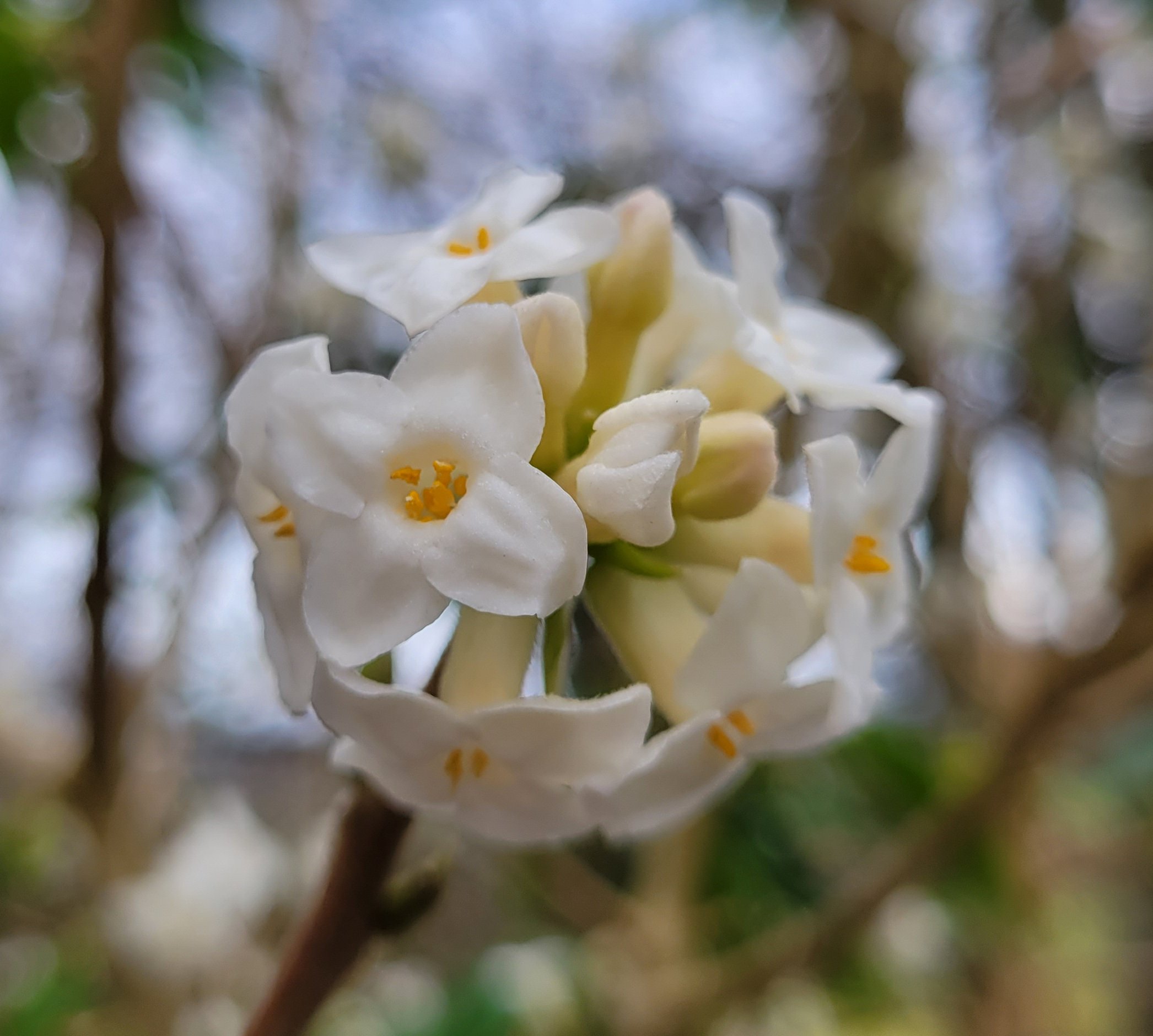
Daphne bholua ‘Hazel Edwards’
David’s top tips for growing daphnes
1. The most important thing to note is that they absolutely despise root disturbance. Someone once told me the way to handle the root ball is like a Fabergé egg and that is appropriate! Teasing the rootball like you normally would when planting most shrubs and trees will mean they will either sulk for a few years or drop dead. When selecting a daphne do your best to ensure that the plant is not pot bound otherwise the roots will never get away. To add to the jeopardy, the roots like to adhere to the sides of pots which means you can inadvertently damage them by just taking it out of the pot. Soaking the plant for fifteen minutes or so before planting should avoid this.
2. Placement is key with a daphne – as they flower in the cold months plant it somewhere that you will pass often to enjoy the scent, such as by the front door or next to where you park your car. They can be grown in a pot, though prefer the open ground.
3. Daphne bhloua and D. odora cultivars, the classic winter flowering garden shrubs, like an evenly moist soil: not too wet and not too dry. They can tolerate a range of pH levels, growing well on alkaline and acid soils. They tend to thrive in part shade, needing shelter from the hottest sun. In deep shade they can become pale and don’t flower particularly well. Most are hardy, with almost all surviving the 2022 extreme cold experienced at RHS Wisley but many will be defoliated by a harsh cold snap in an exposed area, so some shelter is desirable.
Choice cultivars
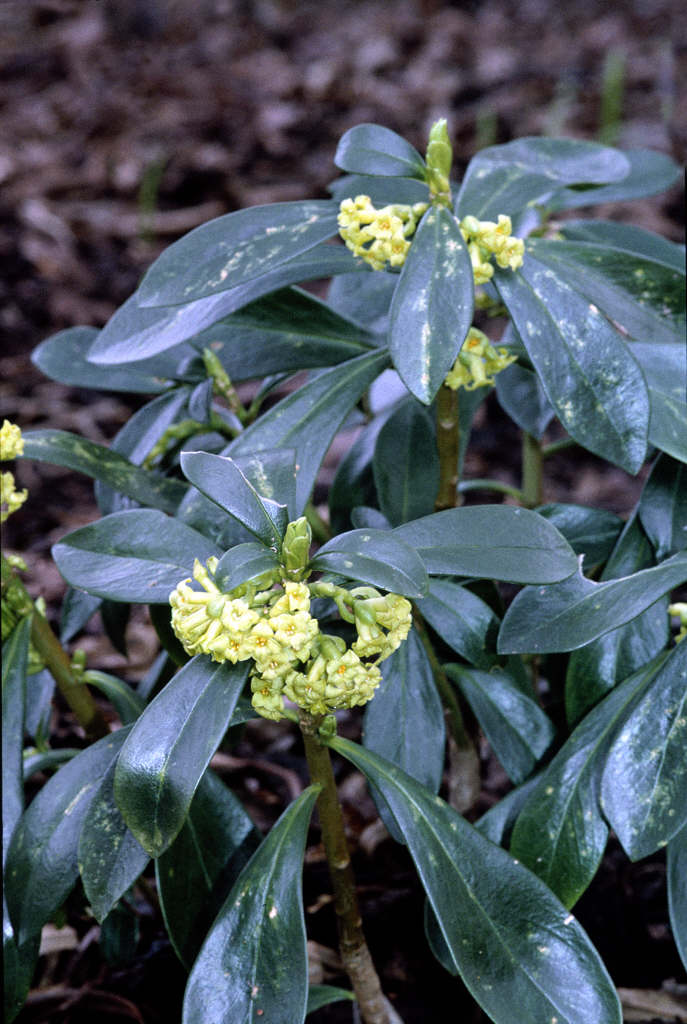
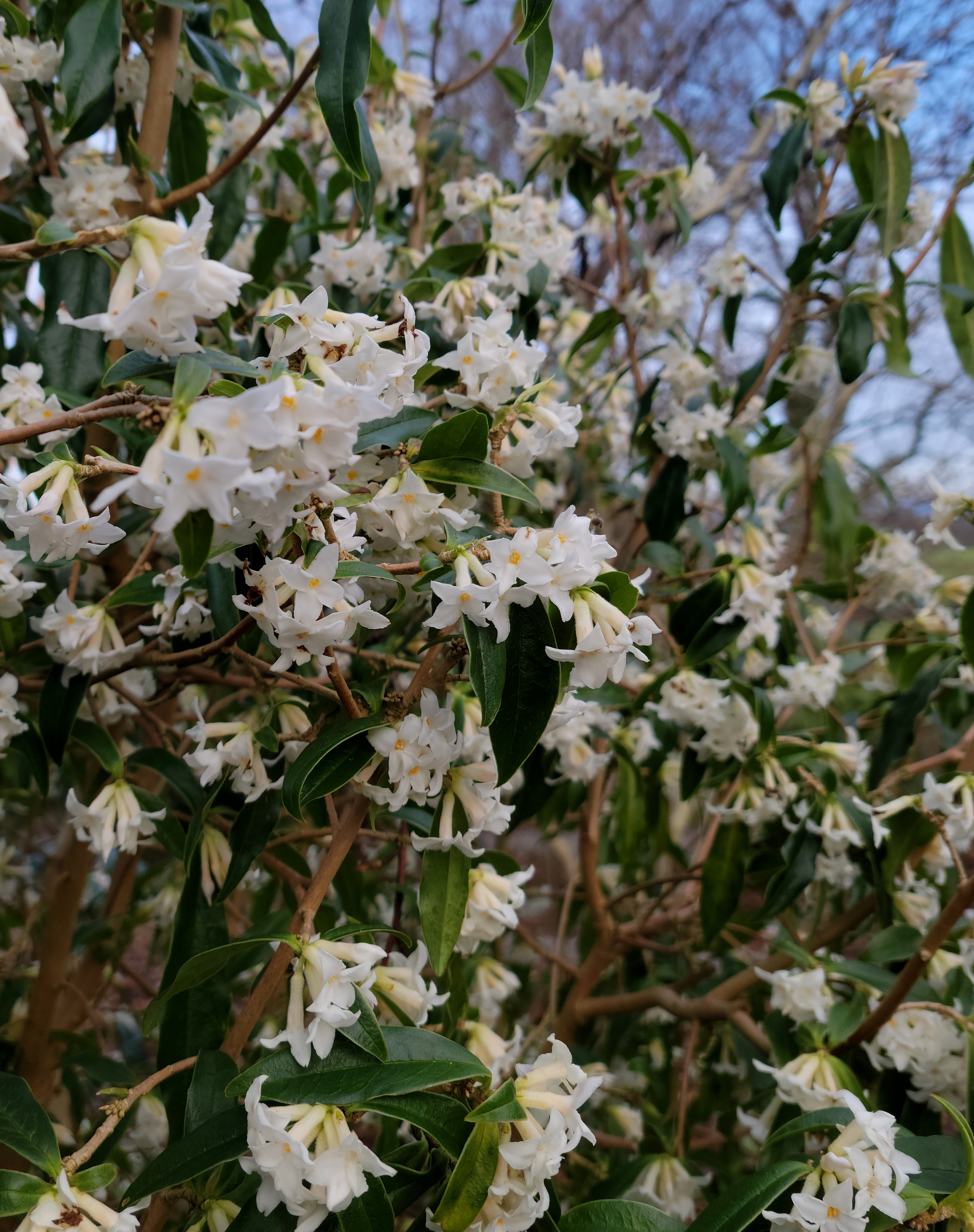
Daphne bholua ‘Jacqueline Postill’ is a fantastic plant with a well-deserved reputation but there are many others to discover that are just as good. David says: “I think ‘Peter Smithers’ is a fantastic form of D. bholua that is not as widely grown as it should be. ‘Hazel Edwards’ is pure white and flowers reliably before Christmas and as early as November in some years. ‘Mary Rose’ will flower well into spring and as well as having unusual dark flowers it has a dome-like form that is not typical of the species.
"My favourite is ‘Cobhay Purple Clouds’, a fantastic introduction from Junkers Nursery in Somerset. A cross between D. bholua and D. wolongensis, it’s a wonderful deep purple with good scent that flowers right the way down the stem creating a wonderful effect."
David Blackwell, collection Custodian
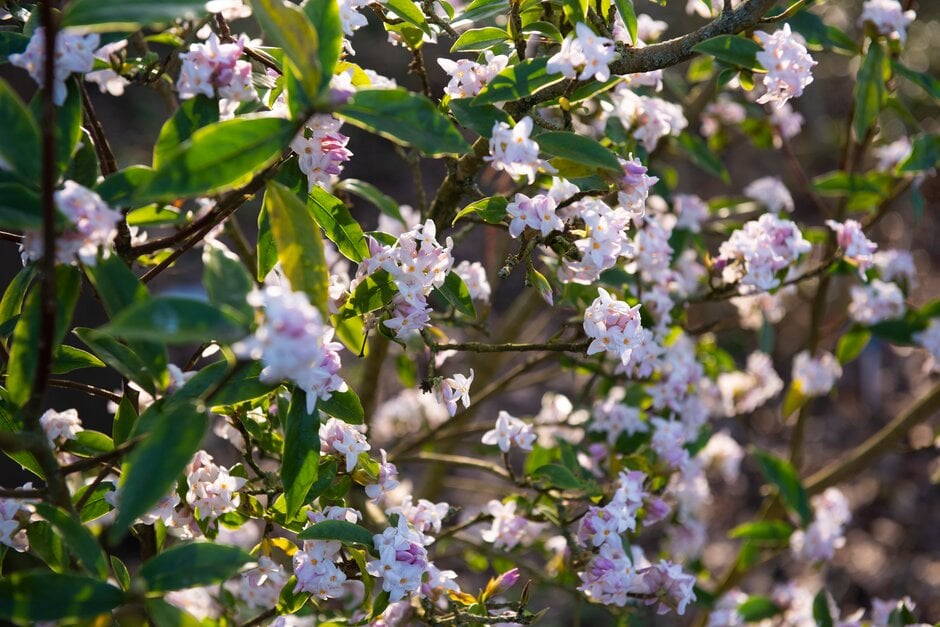
Daphne bhoula ‘Jacqueline Postill’
Future plans for the collection
Through relationships with other collection holders and growers throughout the UK, David hopes to propagate and share plant material from the collection to help safeguard the future prospects of rare and unusual cultivars. “There are many that we would like to add to the collection including ‘Tashi’, a particularly small-leaved that we used to have but it was dug up by a badger (root disturbance again!) and ‘Rupina La’, an old cultivar with larger than normal flowers that has fallen out of the trade.”