David Austin Roses
 Appearance
Long, vigorous thorny stems (thornless in a few cases) are covered in large, often richly scented flowers, held singly or in small clusters. Many flower over a long period in summer and autumn, making a spectacular display.
Preferences
Climbing roses need fertile soil, ideally improved with a mulch of well-rotted manure, in sun or light shade. Several are suitable for north-facing walls, pillars and fences. They appreciate generous watering in summer.
Dislikes
Climbing roses don't like waterlogged or very dry, poor soils. If they are planted close beside a wall (where there is usually a rain shadow) the soil will often dry out in summer, likely reducing late-season flowering and encouraging fungal diseases. Water these climbers regularly to avoid this.
Did you know?
Some Climbing roses are climbing forms (known as sports) of shrub or bush roses. 'Climbing Cecile Brunner' and 'Climbing Iceberg' are examples. For the best flowering, tie the stems of climbing roses to wires so they are as close to horizontal as possible, rather than growing upwards. Lots of flower-bearing side shoots will form.
RHS Growing Guide
FREE
Read our comprehensive free RHS Growing Guide:
How to grow roses
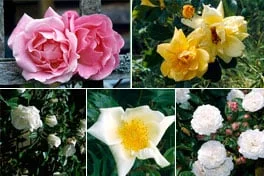
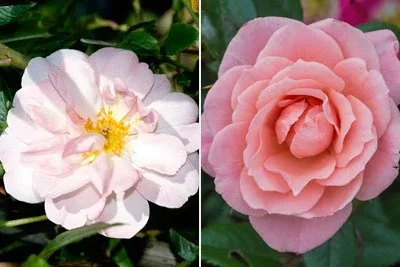
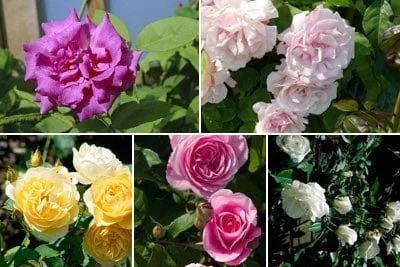
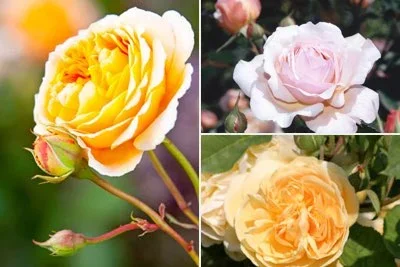

Introducing Climbing roses
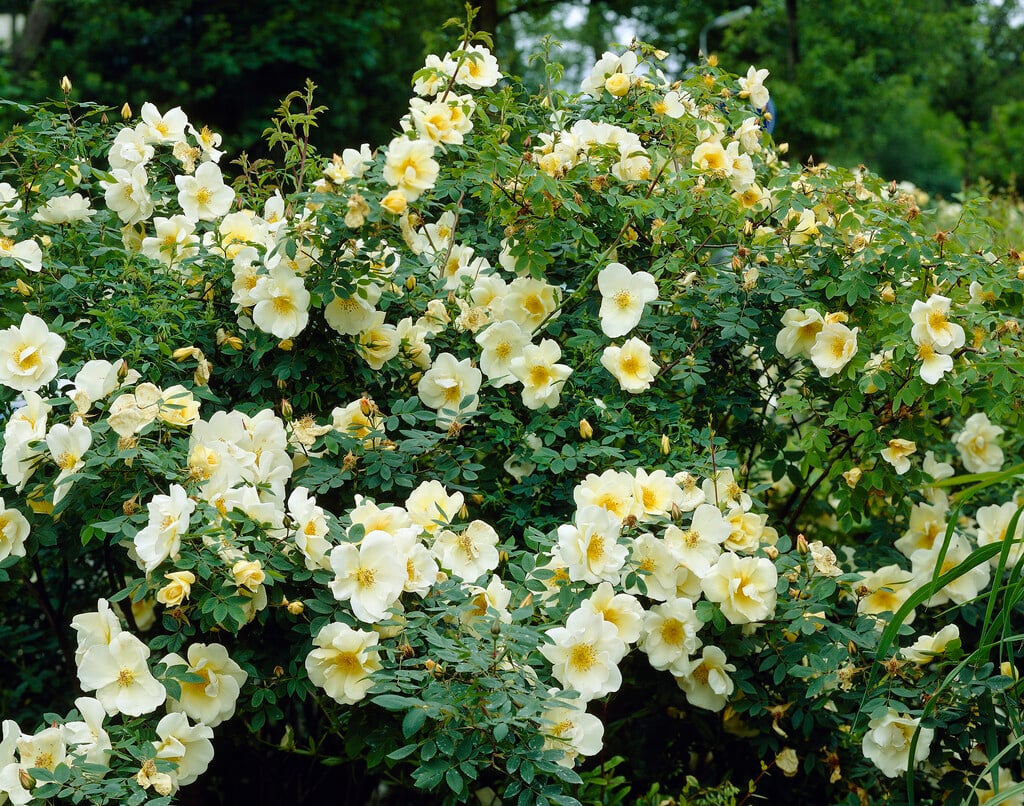
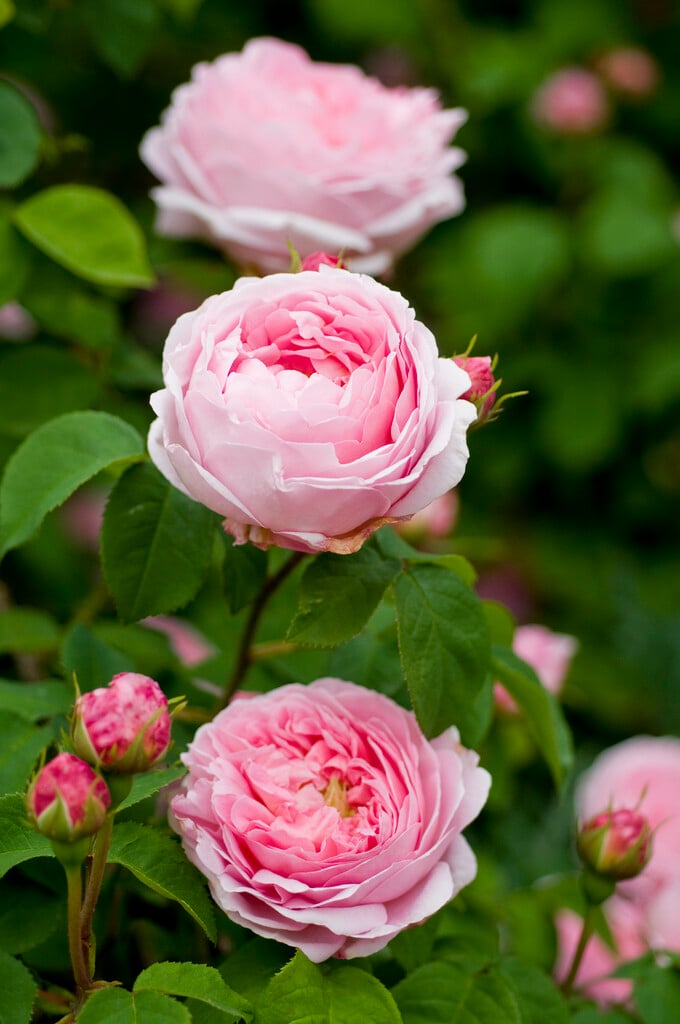
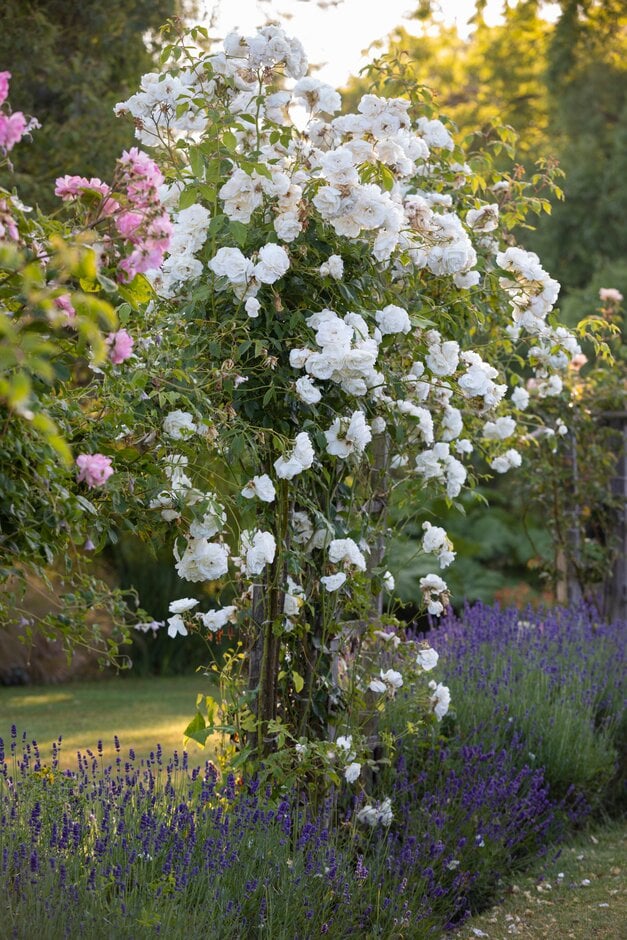
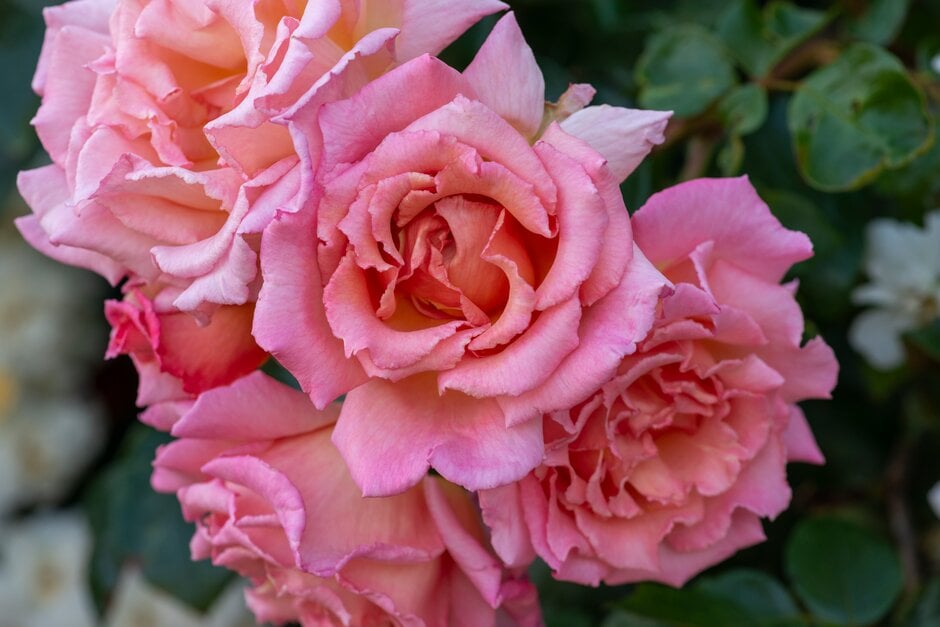
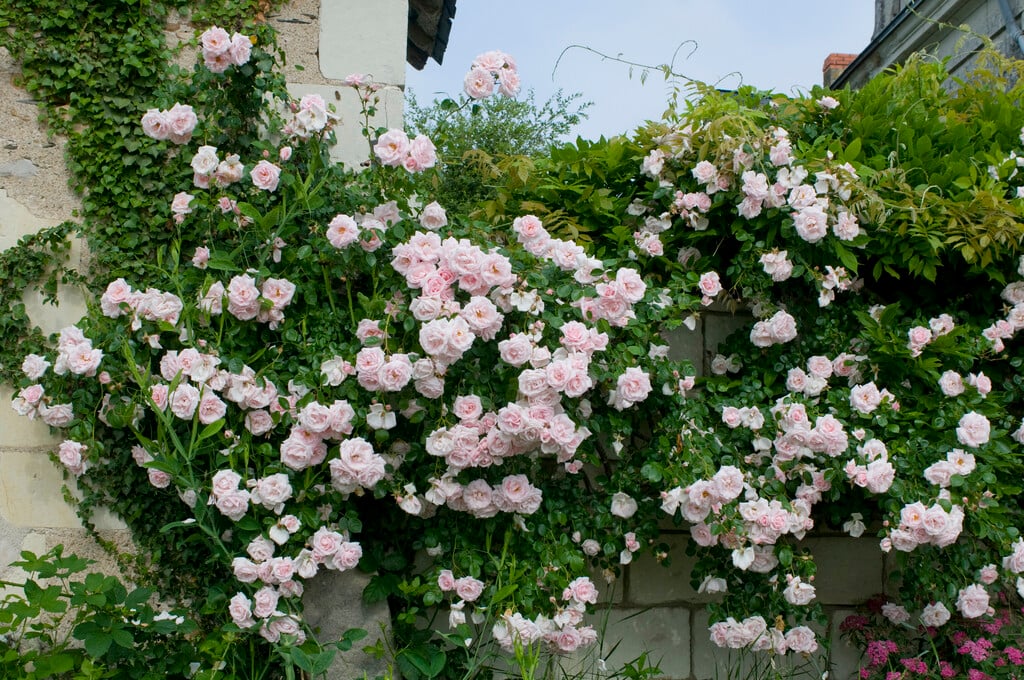
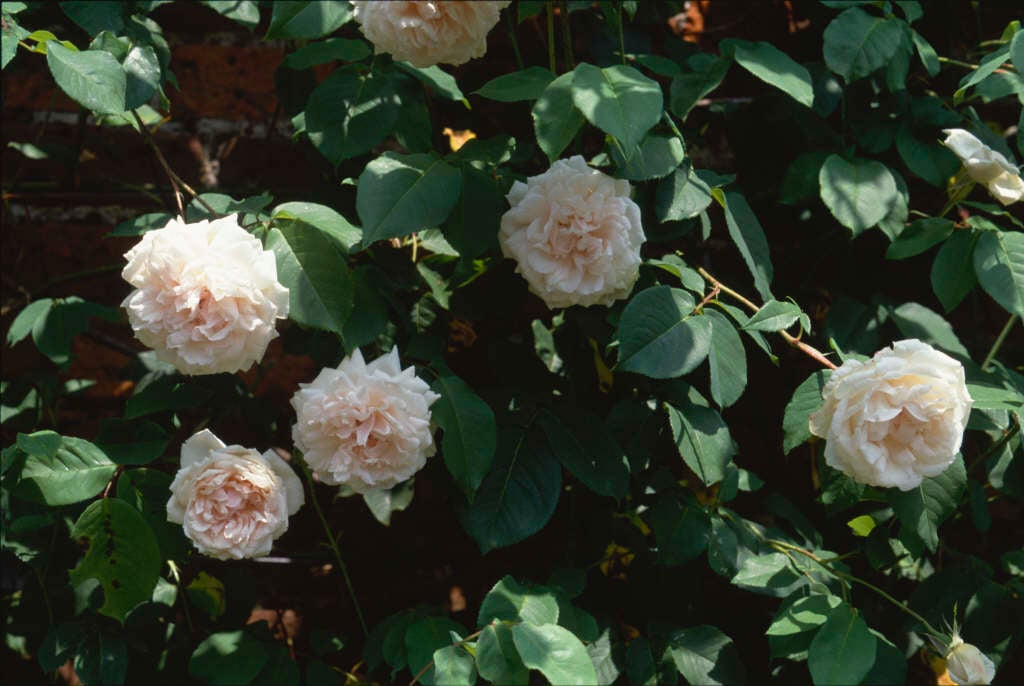
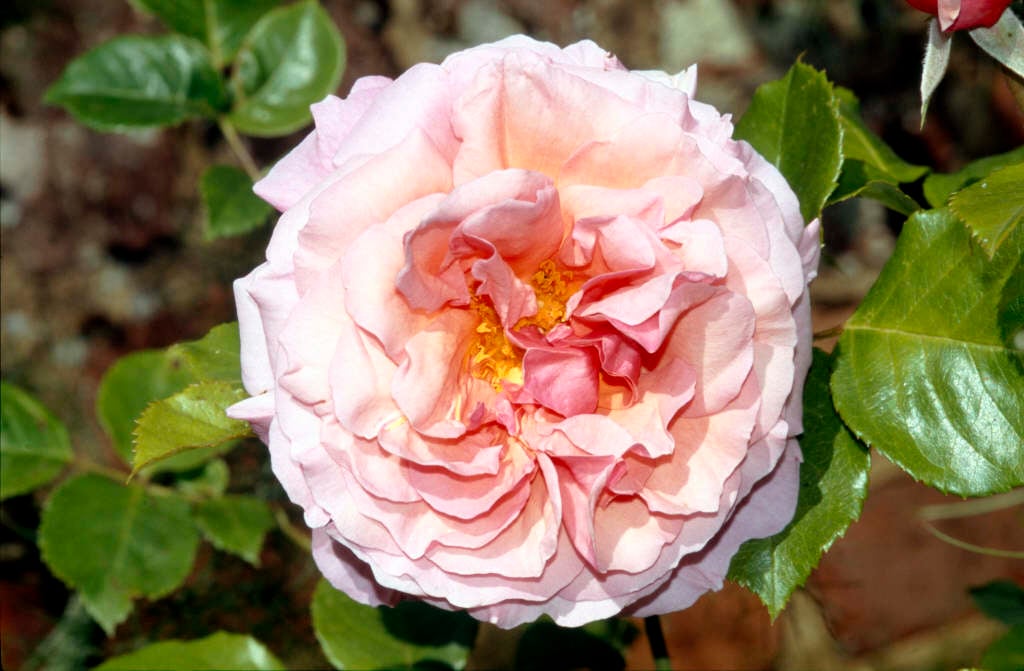
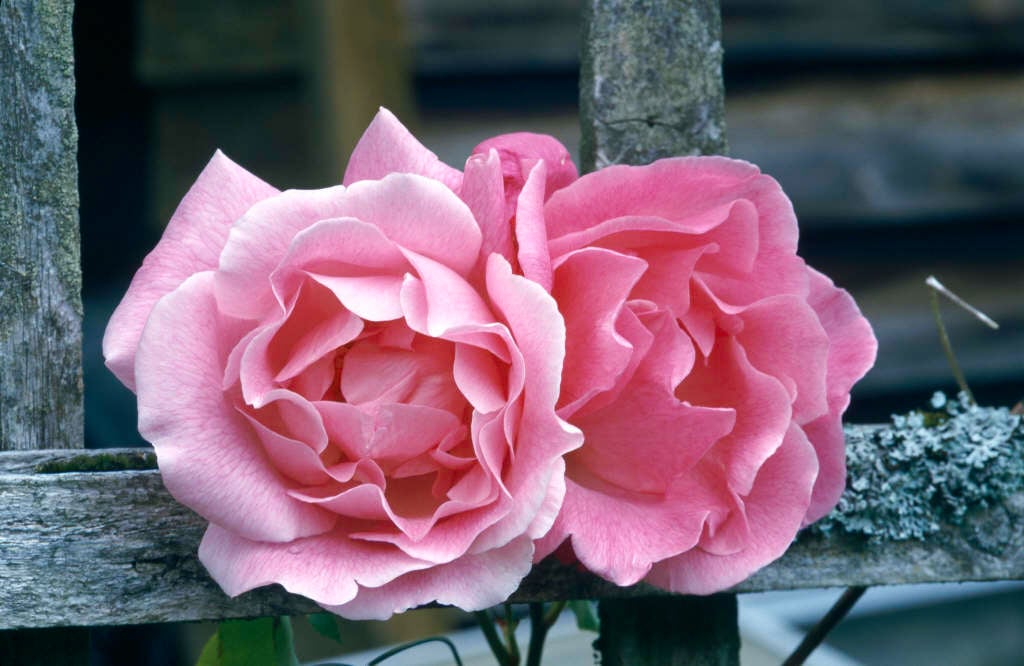
Rosa 'Madame Grégoire Staechelin' (ClHT)
rose 'Madame Grégoire Staechelin'
- Height
- 4–8 metres
- Width
- 2.5–4 metres
x of x
Showing
x to x
of x