Quick Facts
Position in a warm, sunny room or conservatory, or outdoors in summer
1
Flamboyant, long-lasting flowers in winter and spring
2
Large tropical-looking evergreen leaves on tall stems
3
Plants grow to at least 1.5m (5ft) tall and 1m (3¼ft) wide
4
Likes bright light, humidity, regular watering and feeding
5


Before you get started
What are strelitzias?
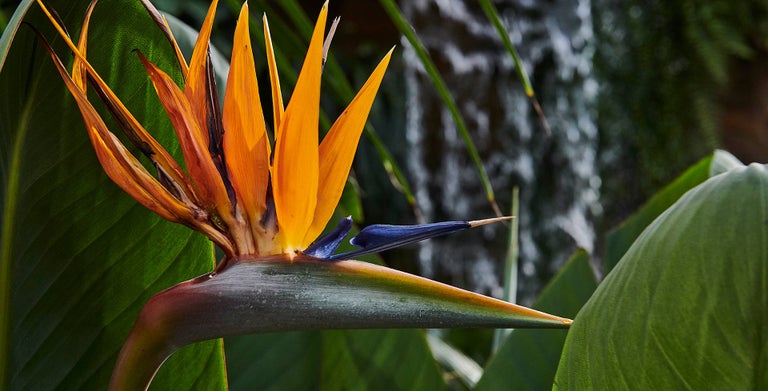
Also known as bird of paradise, these are South African plants with spectacular flowers and large paddle-shaped evergreen leaves. They are tender, so need to be grown indoors in the UK, in a conservatory or large bright room, where they’ll make a big tropical centrepiece. They can grow to at least 1.5m (5ft) tall and 1m (3¼ft) wide over time. Plants can also be moved outside over the summer to give a tropical boost to a warm, sheltered patio.
There are several species, but Strelitzia reginaeis the most popular for growing as a houseplant. It produces flamboyant orange and blue flowers in winter and spring, which stand tall above the foliage, and each one lasts up to a month. Plants usually need to be a substantial size, and five to ten years old, before they flower.
Choosing strelitzias
Strelitzia reginae is the most widely available species. With big paddle-shaped leaves on long stiff stalks, and spectacular orange and blue flowers, it will grow into a large plant 1.5m (5ft) tall or more, and well over 1m (3¼ft) wide. So make sure you have plenty of space to display this large, spectacular plant to full advantage. The ‘Kirstenbosch Gold’ produces yellow and purple flowers.
Other species may also be available from tropical plant retailers. Strelitzia nicolai produces blue and white flowers, but grows up to 10m (33ft) tall eventually, so is too big for most homes in the long term.
Buying strelitzias
Strelitzias can be bought as plants or seeds:
- Plants are available from houseplant and tropical plant suppliers, as well as from larger garden centres. They’re sold in a range of sizes, depending on their age. Buying plants that are already in flower can save a potentially long wait, but they can be quite expensive
- Seeds are available in garden centres and online. can be slow, and plants then usually take five or more years to reach flowering size. But it’s very rewarding when your own seed-raised plant eventually blooms!
Planting
Newly bought strelitzias won’t usually need repotting for a year or two, and keeping these plants slightly tends to encourage flowering. But once the roots have filled the original container, it’s time to repot. This is best done every couple of years in spring, after flowering. Choose a pot that is only slightly larger and use peat-free loam-based , such as peat-free John Innes No. 3, with added grit to improve drainage. See our guides:
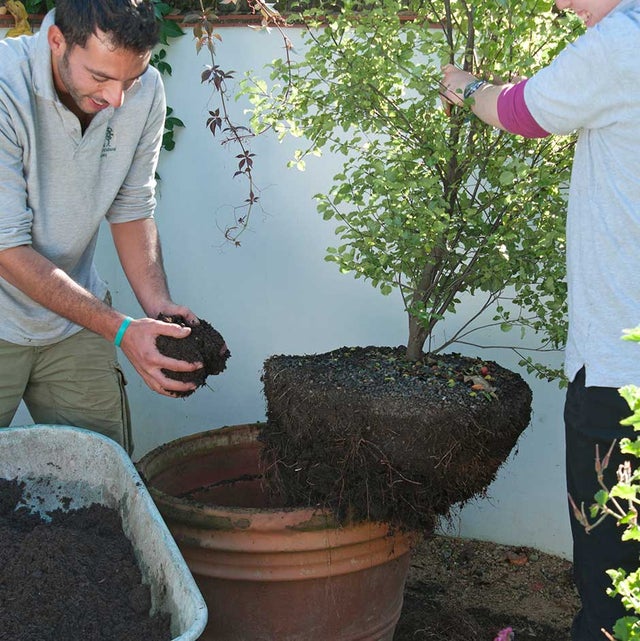
If you move your strelitzia outside for the summer, it’s easiest to keep it in its pot, rather than planting it directly into a border, as you’ll need to bring it back indoors before autumn sets in.
Ongoing Care
Location
Strelitzias need lots of bright light, so are best positioned beside a large sunny window or in a conservatory. Plants may benefit from a little shade while in flower, as strong sun can bleach the vibrant colours.
An established strelitzia needs a lot of space – the large, long-stemmed leaves arch outwards from the clump, which can reach well over 1m (3¼ft) wide.
TOP TIP
Wipe the leaves occasionally to remove any dust and ensure they get maximum light to help fuel the plant’s growth.
If you move your strelitzia outside for the summer, choose a warm, sunny, sheltered spot. Strong wind can damage the leaves and snap the stems, or even blow over this often top-heavy plant.
Temperature
Strelitzias are tender tropical plants, so they like plenty of warmth all year round, in a heated room or conservatory. Temperatures should never go below 10–12°C (50–54°F). They also like good once the temperature reaches 20°C (68°F).
Before moving a plant outside for the summer, acclimatise it gradually to outdoor conditions – see our guide to hardening off. And keep an eye on night-time temperatures towards late summer, so you can bring it back indoors before they dip anywhere near 12°C (54°F).
Watering
Strelitzias need regular and plentiful watering in spring and summer – aim to keep the constantly moist but not saturated. These plants can lose a lot of water through their large leaves, so may need daily watering in warm weather.
Watering should be gradually reduced during autumn. From the end of November, let the compost get fairly dry between waterings.
TOP TIP
Turn the pot by a quarter each time you water, to keep the plant well-shaped and prevent it leaning towards the light.
Humidity
Strelitzias prefer a humid atmosphere, but the air in our homes tends to be quite dry, so mist the leaves regularly or stand the pot in a tray of damp gravel.
Feeding
These are hungry plants and require regular feeding during the , through spring and summer. Apply a liquid houseplant feed fortnightly.
Every spring, remove the top 5cm (2in) of compost and replace with fresh, to give the plant a boost.
Pruning and Training
Simply remove any browning or tatty leaves at the base, using a sharp pair of secateurs, to keep the plant looking its best. Also remove the whole flower stalk once each flower fades.
Propagating
You can make new strelitzia plants by dividing a large clump or by sowing seeds.
Dividing strelitzias
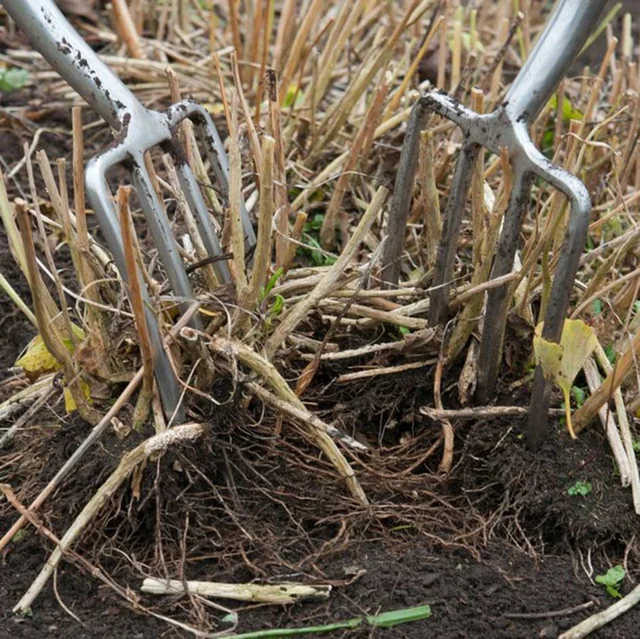
A quick and easy way to produce new strelitzia plants is by division in early spring. Mature plants tend to form new individual plants (or offsets) around the outside of the clump, each with its own set of leaves. Simply remove one or more of these offsets by cutting down through the , making sure each new plant has a healthy set of leaves and roots. Cutting through the rootball can be a tough job and will need a sturdy pair of secateurs.
Pot up the offset(s) into free-draining peat-free and water in well.
Growing strelitzias from seed
Strelitzias can be grown from seed, but this does require patience – can take several months and the resulting plants may take five or even up to ten years to reach flowering size. Seeds may be available in garden centres and are widely sold online.
The seeds have a tough coating, so won’t germinate reliably if simply sown as they are. The best method is as follows:
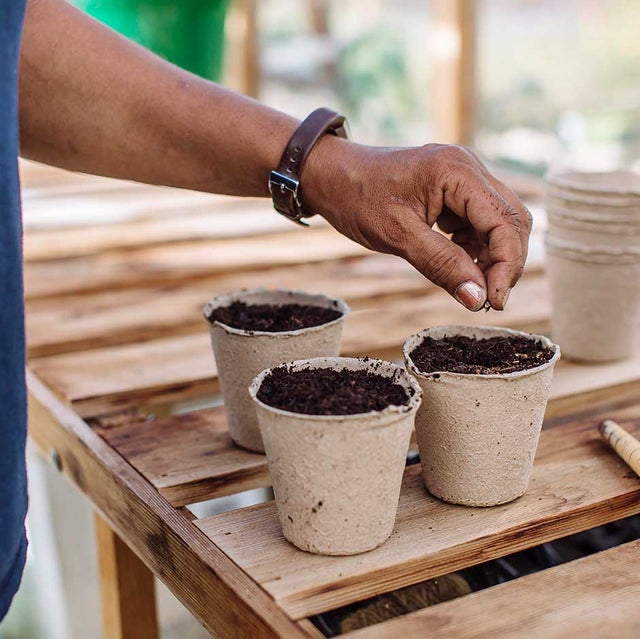
- Start getting ready to sow in early spring. First remove the orange tufts from the seeds and place the seeds in a plastic bag with a handful of fresh peat-free compost. Keep this in the fridge for two weeks
- Remove the seeds from the plastic bag and carefully nick the seed coat with a knife or scratch it with sandpaper, so that water will be able to get in. Then soak the seeds for a few hours in lukewarm water
- Sow into pots of peat-free , spacing the seeds about 2.5cm (1in) apart. Place in a at 18–21°C (65–70°F)
- Keep the compost just moist, and air out the daily by removing the lid
- Germination should take four to eight weeks
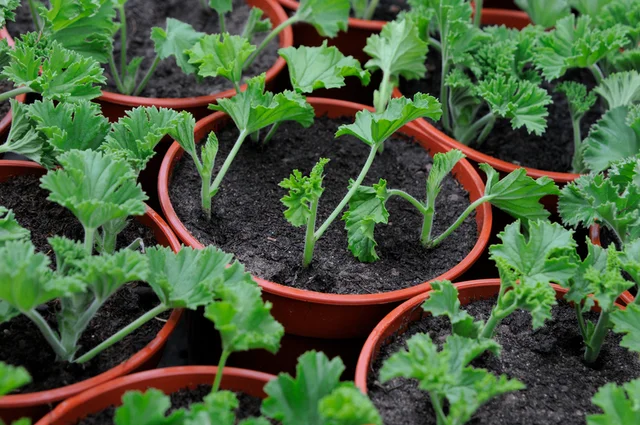
- When the have two or three leaves, carefully transplant into individual pots
- Pot on regularly as the plants grow. It may take five years or more before they are ready to flower
Problems
Strelitzias are strong, vigorous plants, but if their growing conditions aren’t suitable, plants may develop various symptoms, including:
- Brown leaf edges and no flowers – slow growth, brown leaf tips and edges, leaf deformities and failure to flower are all signs that the growing conditions aren’t correct. Ensure there is high humidity – if not, mist the leaves daily – and feed and water plants regularly
- Shredded leaves – if you move your strelitzia outside for the summer, give it a sheltered spot. In a windy location the large, tall leaves will soon become shredded and tatty
Check plants regularly for -sucking insects, including: