



10 award-winning flowering trees for small gardens
Trees give your garden structure, provide shade and make a wonderful resource for wildlife – every garden should have one

Explore our tried-and-tested honeysuckles, that garden wildlife will adore
Honeysuckleis a quiet hero for garden wildlife, offering food and shelter across the seasons. With and evergreen options, plus winter and summer flowering varieties, there’s always something on offer. Its delicately scented flowers in soft creams, yellows, oranges, pinks and lilacs, draws in bees, butterflies and other pollinators when is most needed. As the flowers fade, many Lonicera shrubs step up again to produce bright berries that fuel birds through winter or provide an early spring feast. Some varieties also offer a dense growth habit, creating safe nesting and shelter spots for small birds and insects.
Versatile and resilient, honeysuckle thrives in most soil types (especially free‑draining soils) and is happy in sun or partial shade. Most at home in a woodland-style garden, this plant proves that beauty and can go hand in hand, making it a true wildlife wonder all year round.
Each year, RHS Plant Trials are undertaken across different plant groups to identify the best plants for homes and gardens, with exceptional performers receiving the RHS Recommended: Award of Garden Merit.
Discover 10 honeysuckles perfect for your garden which have been awarded the RHS Recommended: Award of Garden Merit.

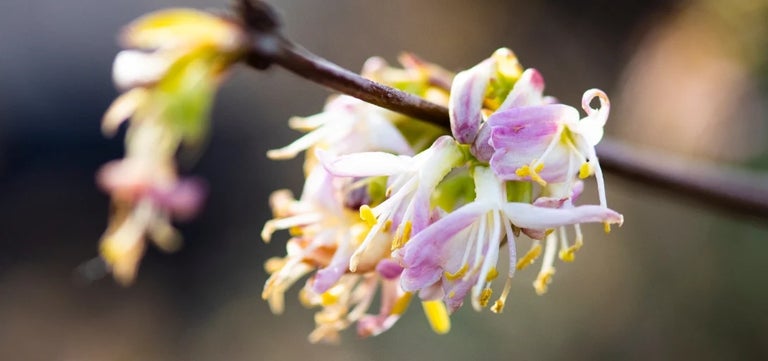
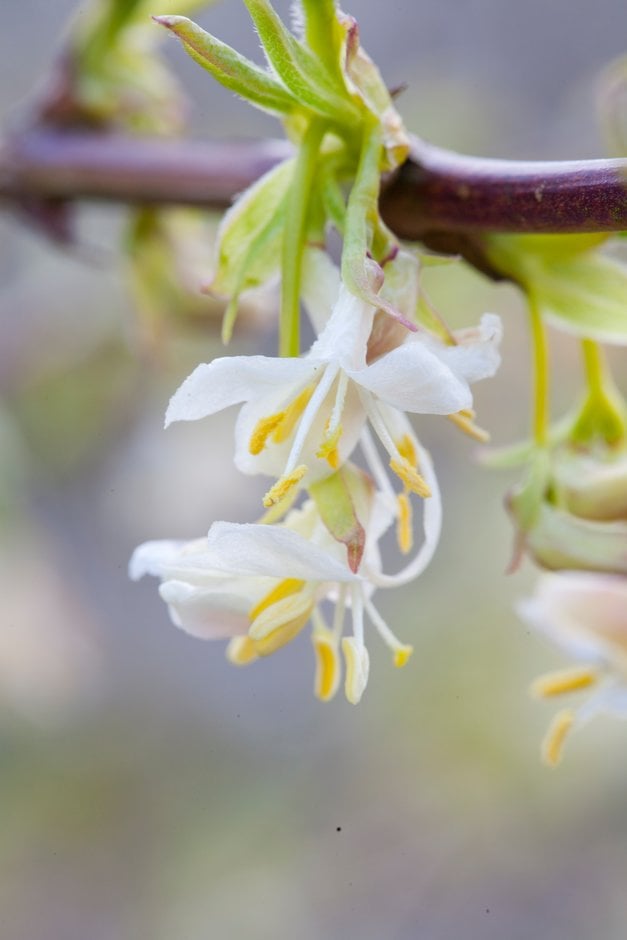
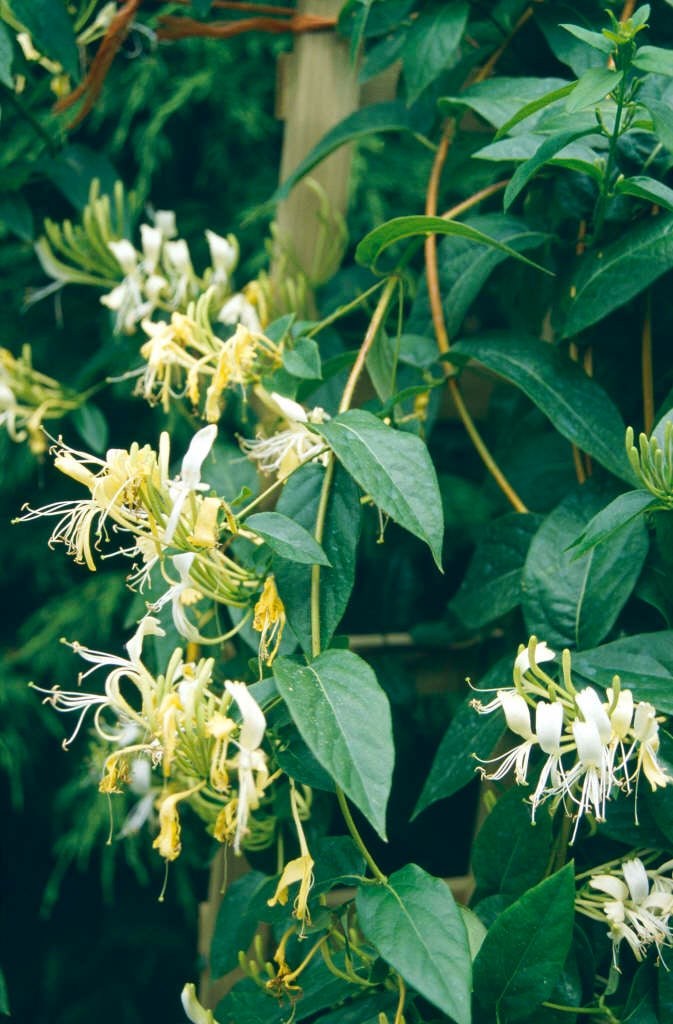
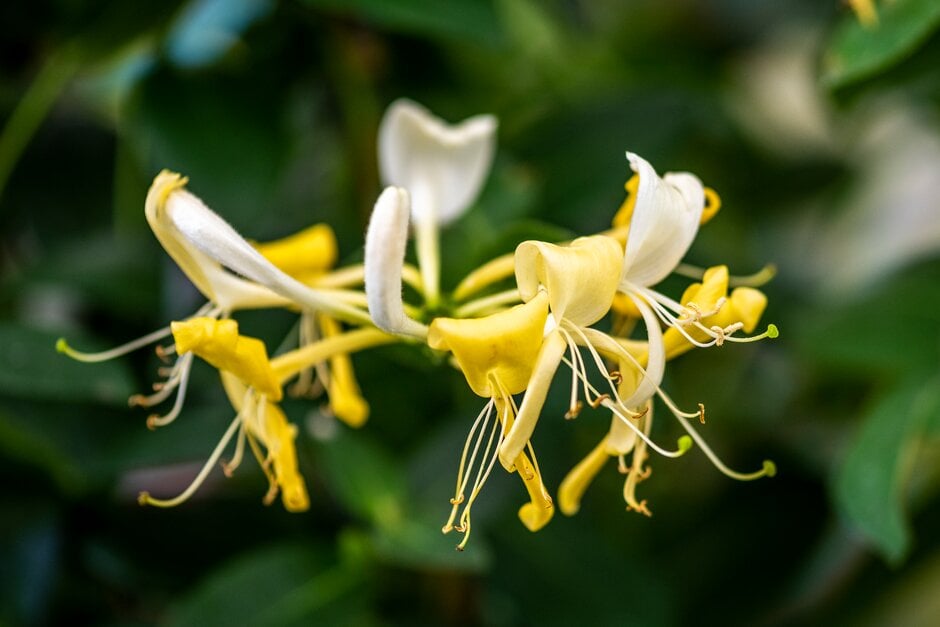
Lonicera × purpusii ‘Winter Beauty’ is among the most admired winter-flowering honeysuckles. From the coldest months through early spring, it produces an abundance of glistening white blooms tipped with bright yellow anthers. These sweet, lemon scented flowers are rich in nectar, providing a vital food source for bumblebees and other pollinators when little else is available. Occasionally, the display is followed by clusters of red berries in spring, making an irresistible treat for birds. Unsurprisingly, this exceptional plant not only holds the prestigious RHS Recommended: Award of Garden Merit, but is recognised as an RHS Plant for Pollinators. A deciduous or semi-evergreen climber that is happy in full sun or partial shade, can reach heights of 2.5m (8ft). Hardiness rating H6.

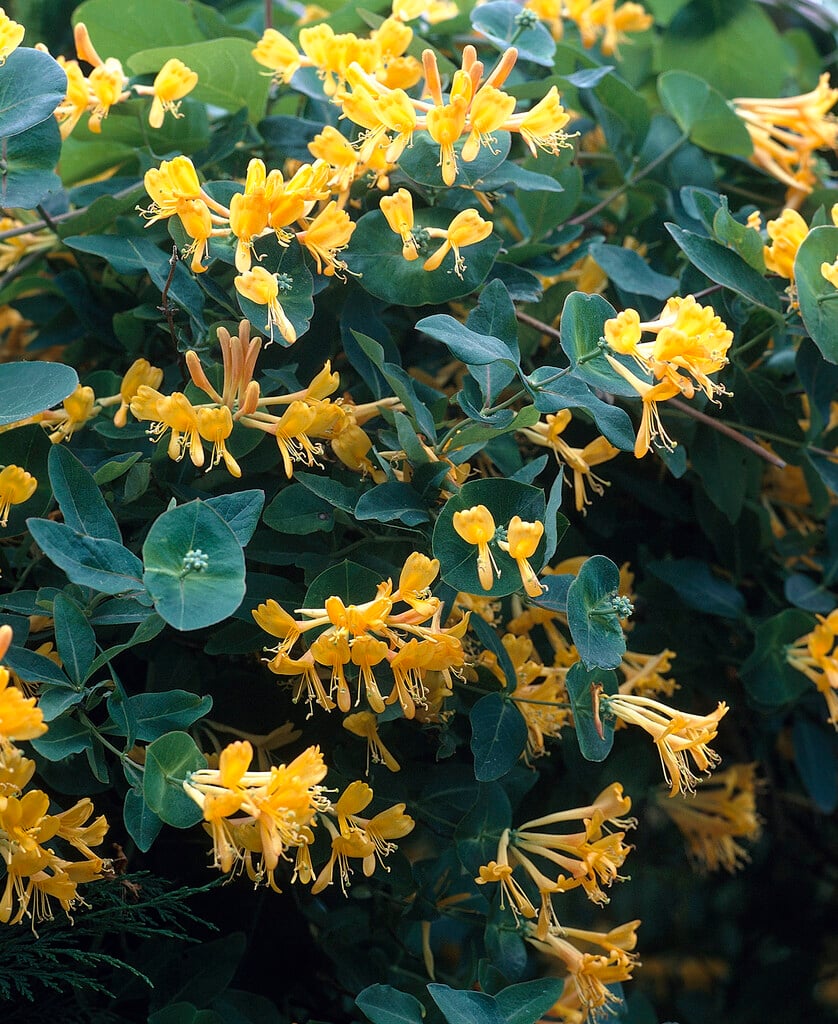
Lonicera × heckrottii 'Gold Flame' hort is an exceptionally beautiful climbing honeysuckle, which is heavily scented, strong, and fast-growing. It thrives best with support on a pergola or arch, where its tubular flowers arranged in terminal whorls can be admired. Deep pink on the outside and orange-yellow within, the flowers appear from June to August, adding a splash of vibrant colour. By day, bees, butterflies, and even ladybirds feast on its nectar, while at dusk, its fragrance intensifies drawing in moths. In hot summers, it may also produce clusters of red berries, a welcome treat for birds. A deciduous or semi-evergreen climber that is happy in full sun or partial shade can reach heights of 8m (26ft). Hardiness rating H5.

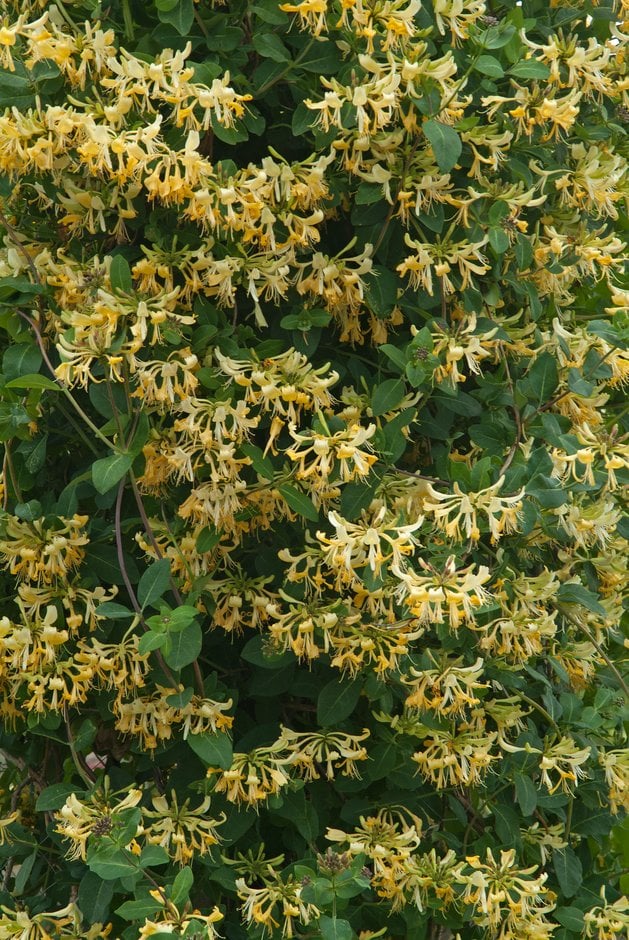
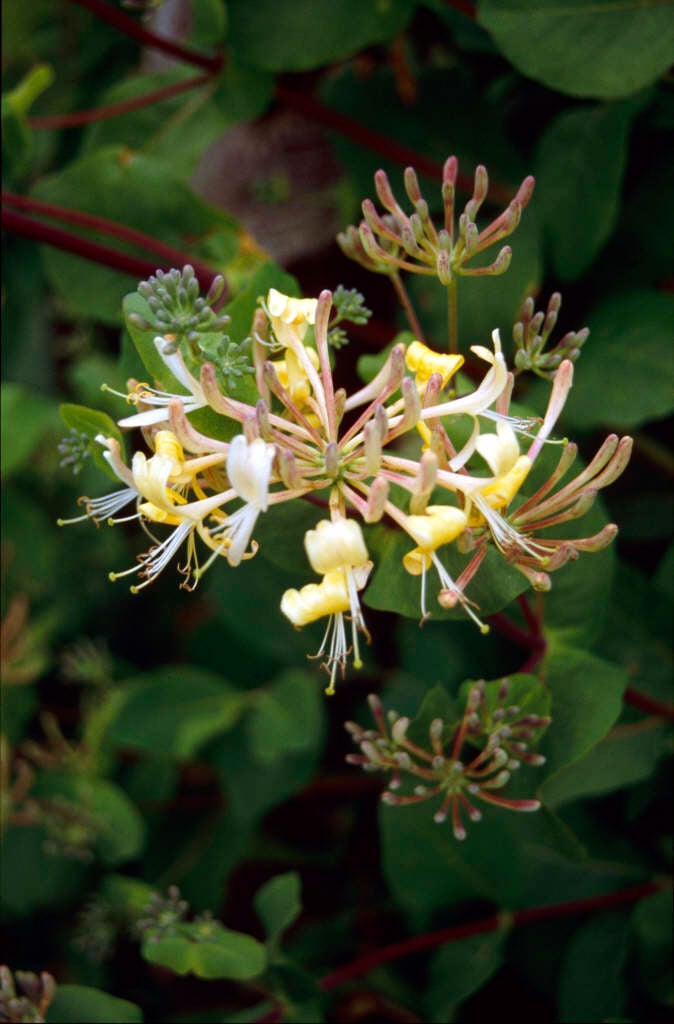
Lonicera periclymenum 'Graham Thomas' is a vigorous deciduous climber with deep green oval leaves that are whitish beneath. Throughout the summer months and into Autumn, this honeysuckle shows off its wonderfully fragrant, terminal clusters of pearl white flowers which mellow to a soft yellow as they age. Not only an RHS award winner but another RHS Plant for Pollinators due to an abundance of nectar in summer months and crimson berries in the autumn and winter months, all excellent for feeding wildlife. Happy in full sun or partial shade this climber can reach heights of 8m (26ft). Hardiness rating H6.

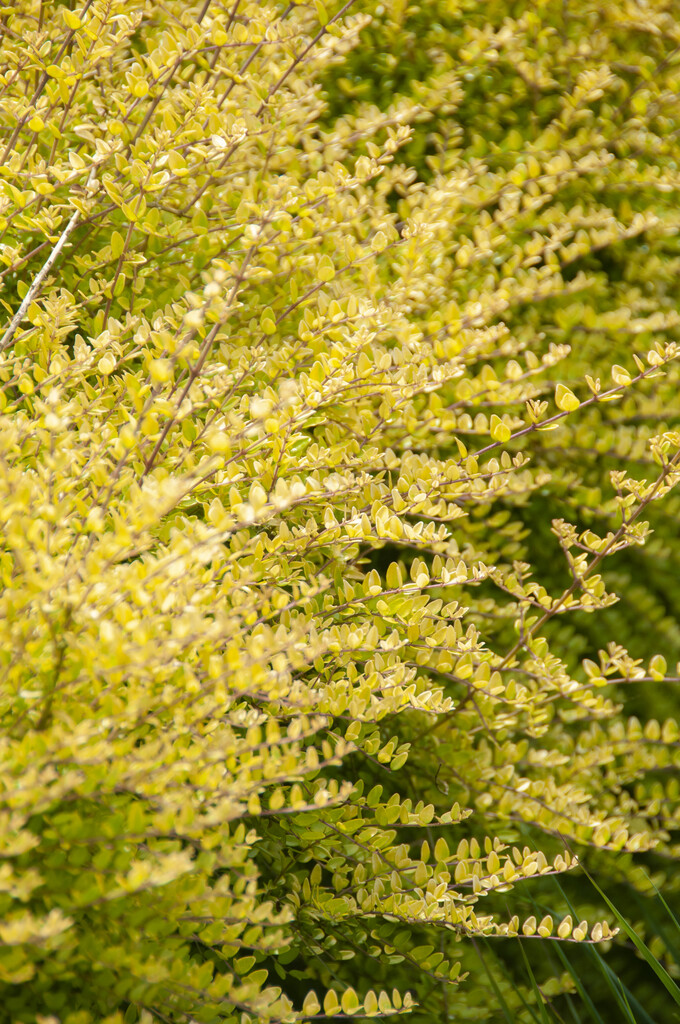
Lonicera ligustrina var. yunnanensis ‘Baggesen’s Gold’ is a vibrant, dense evergreen shrub valued for both its ornamental appeal and its wildlife benefits. Its bright golden-yellow foliage in summer deepens to greener tones in winter, whilst in spring, unclipped plants are dotted with small, creamy white flowers that attract pollinating insects. The shrub’s fast-growing, tightly knit habit creates an excellent source of shelter and secure nesting space for small birds such as robins, wrens, house sparrows and blackbirds. Later in the season, it produces small bluish-purple berries that provide an additional food source for birds. Often used as an alternative to box hedging, ‘Baggesen’s Gold’ combines year-round structure with valuable ecological support for garden wildlife. This shrubby honeysuckle is happiest in full sun or partial shade and can reach a height of 2.5m (8ft). Hardiness rating H5.

Lonicera hildebrandiana, the Giant Burmese Honeysuckle, is the largest and most flamboyant of all honeysuckles. Capable of climbing to heights of 12m (39ft), it carries vast, glossy dark green leaves and enormous tubular flowers, each up to 15cm long. Opening in soft cream, the blooms deepen through yellow to rich, tropical orange, carrying an intense, sweet fragrance that hangs in the evening air. Flowering continues throughout summer, followed by striking red berries that add to its exotic appeal. Evergreen when overwintered indoors, this bold climber is only reliably hardy outdoors in the mildest parts of the UK and must be protected from frost, making it a plant for gardeners willing to indulge its tropical tastes and be rewarded in spectacular style. Prefers to be planted in full sun. Hardiness rating H2.

Lonicera ‘Mandarin’ is a vigorous, deciduous climber whose young stems and spring leaves glow bronze and copper‑purple before settling into a glossy, deep blue-green. In early summer, ‘Mandarin’ shows off its main flush of tubular flowers in a brilliant mandarin orange-red on their outer curves, which open to show warm yellow‑orange throats that gleam against the lush foliage. Terminal whorls of flowers continue to appear in scattered flushes until Autumn. Though unscented and without berries, the flowers blaze with such colour that the absence is scarcely noticed and pollinators readily seek out the nectar and pollen rich flowers. This twining honeysuckle can stretch to 8m (26ft) and will enthusiastically scramble over a trellis or wall or can be pruned back into a dense shrub. Thriving in fertile, moist but well‑drained soil, this rainbow honeysuckle is happiest on an east or west-facing wall in partial shade. Hardiness rating H5

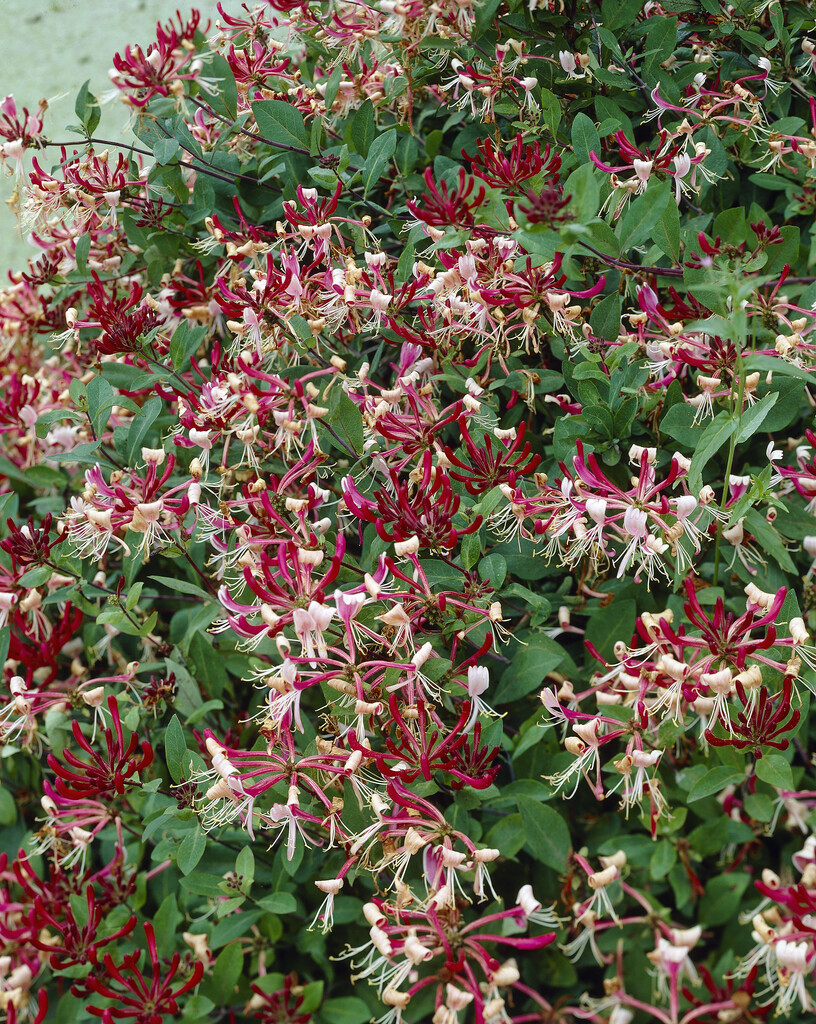
Lonicera periclymenum ‘Serotina’, the Late Dutch Honeysuckle, is a cottage-garden classic, valued for its long season of richly coloured, scented flowers. Vigorous and deciduous, it quickly covers trellises, arches and pergolas with dark green leaves that are pale beneath, and large trumpet-shaped blooms that are a deep purple-red on the outside and warm yellow within. Flowering from midsummer through to autumn, its sweet fragrance intensifies in the evening, drawing in bees, butterflies and other garden visitors. As the season turns, glossy red berries follow, providing a valuable food source for birds, while the dense, twining growth offers shelter and nesting opportunities. This wildlife hero is another winner of the RHS Plants for Pollinators award. Happy in full sun or partial shade and reaching up to 8m (26ft) in height, this easy-going honeysuckle thrives in most well-drained soils, needing only light pruning to keep its generous growth in check. Hardiness rating H6.

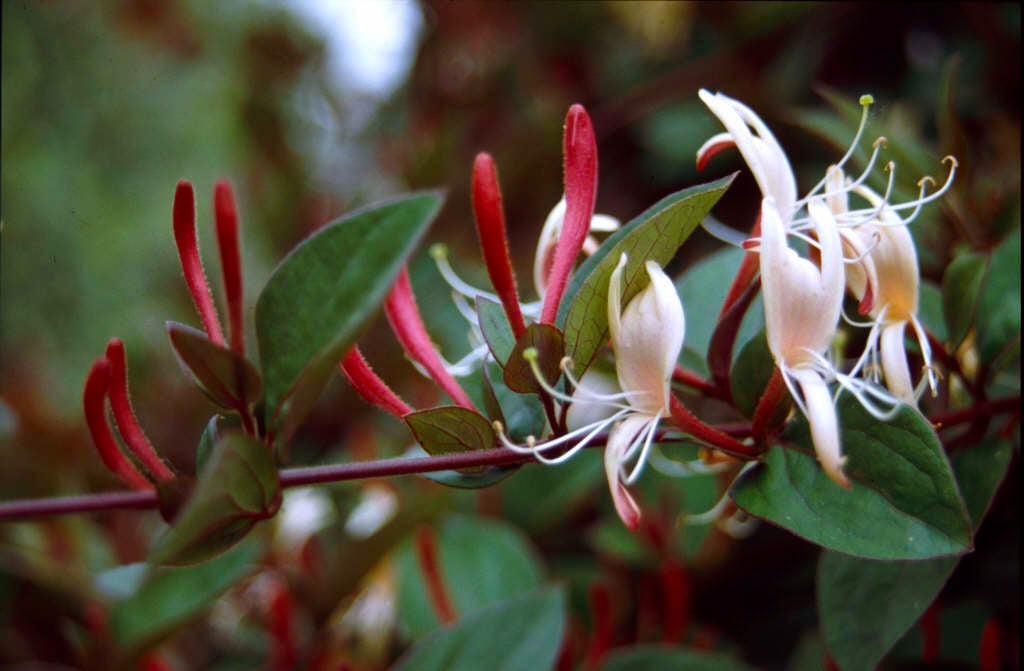
Lonicera × tellmanniana is one of the most striking and unusual honeysuckles, prized for its vivid, unscented flowers in shades of burnt amber and glowing golden-orange, flushed red in . From late spring through summer, large trusses of tubular blooms smother this vigorous, deciduous climber, creating a bold splash of colour that works beautifully in ‘hot’ planting schemes. Twining stems quickly cloak pergolas, arches, walls and trellises with large, oval green leaves, forming a dramatic backdrop for the long flowering display, which may continue sporadically until frost. Reaching around 4m (13ft) in height, it thrives in full sun or light shade, flowering best on a warm wall with its roots kept cool and shaded. Tough, easy to grow and manageable despite its vigour, Tellmann’s honeysuckle makes a strong garden statement with reliable performance and valuable habitat for pollinating insects, making it a rewarding choice for UK gardens. Hardiness rating H5.

Lonicera etrusca ‘Superba’ is a vigorous, deciduous or semi-evergreen, heat-tolerant honeysuckle with a distinctly Mediterranean air, that is well suited to warmer gardens. This woody, twining climber carries red-tinged young shoots and soft downy, grey-green leaves that help it cope better with heat than many other honeysuckles. From early to midsummer, and often continuing into late summer, large clusters of richly fragrant, two-lipped tubular flowers appear at the shoot tips, opening red with pale throats before softening through cream to warm orange-yellow as they age. The scent remains strong even in the heat of the day, followed later by bright red berries that extend its seasonal interest. Reliable and free-flowering, this long-established selection thrives in full sun on a warm, south or west-facing wall, reaching heights of 4m (13ft). It can adapt well to a range of well-drained soils and makes an excellent choice for our warming climate. Hardiness rating H5.

Lonicera japonica var. repens is a vigorous, evergreen honeysuckle prized for its long season of fragrance and generous habit. Purplish stems and softly tinted leaves quickly sprawl across walls, pergolas and trellises, providing year-round cover and screening. From spring through late summer, clusters of tubular white flowers flushed with red-purple open in abundance, their powerful scent filling the air, before fading gently to yellow as they age. In warm summers, the display is followed by glossy purple-black berries that extend its seasonal interest. Reaching up to 8m (26ft), this easy-going climber thrives in moist, well-drained soil and performs well in partial shade, making it an excellent choice for seating areas, shady structures and garden boundaries, although its enthusiasm is best kept in check with regular pruning. Hardiness rating H5.
RHS hardiness rating
The system of hardiness ratings enables gardeners to understand the hardiness of plants and gives a guide to the best growing conditions.
Find out more >