Discover the best easy-care plants for offices and find out how to look after them, to enjoy a fresher, greener work environment
RHS Editorial Team
5-minute read
The average UK full-time employee spends 36.4 hours a week working, and for many of us, much of that time is spent in an office. While the COVID pandemic saw a substantial move to working from home, it also rekindled people’s affinity with nature and their desire to bring the outdoors in, adding a 50% rise in the sale of houseplants to an already increasing trend.
Diana Yule
The benefits of a green office
There have many studies on the advantages of adding plants to office environments, with claims of plants providing a 15% rise in productivity, boosting creativity and seeing 1.6 fewer sick days per year. The potential air purifying qualities of plants may even reduce incidences of ‘sick building syndrome’, so it’ not surprising that workplaces are considering ditching minimalism for a greener approach.
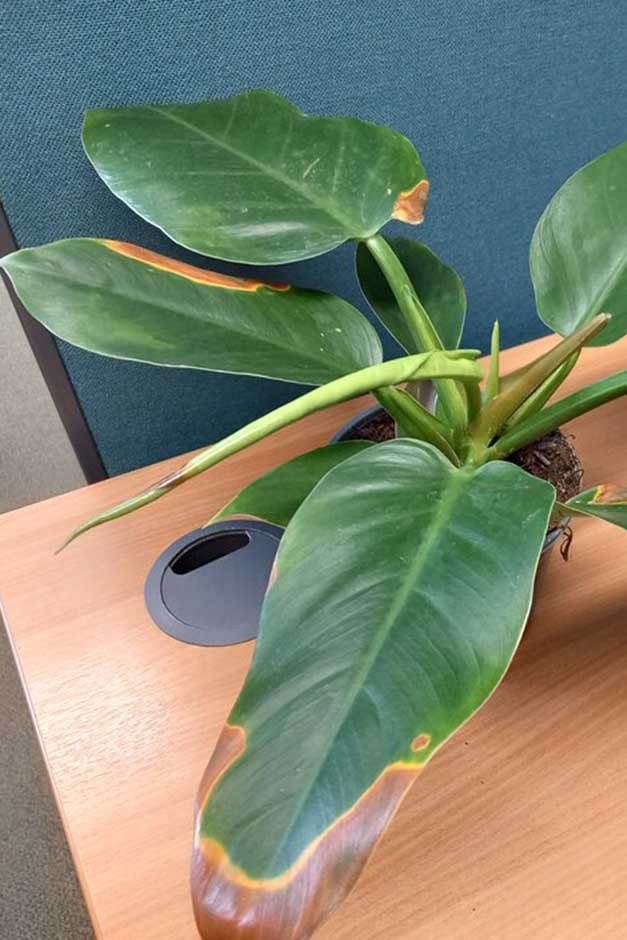
Philodendron varieties all bring colourful foliage to brighten up your workspace
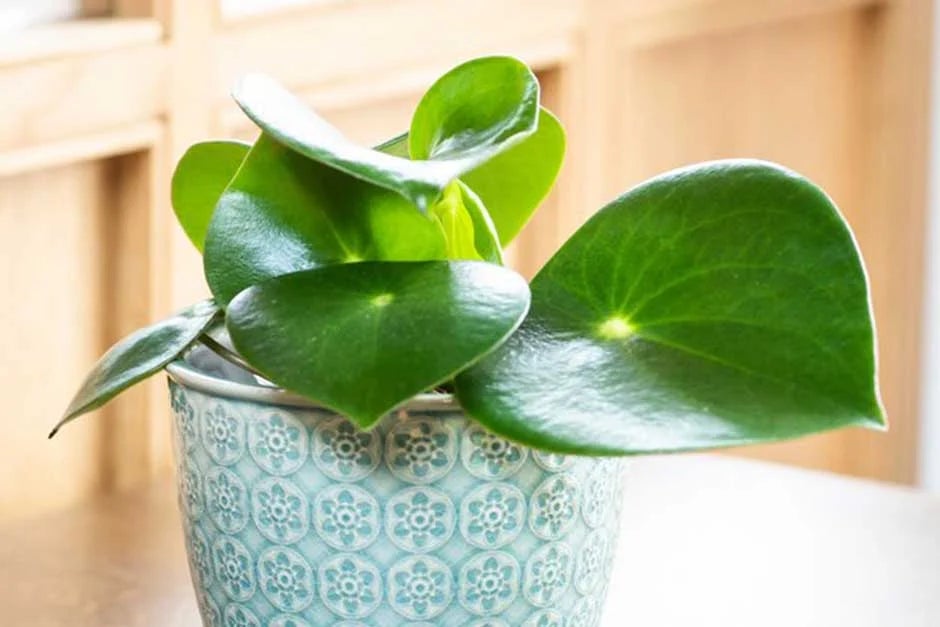
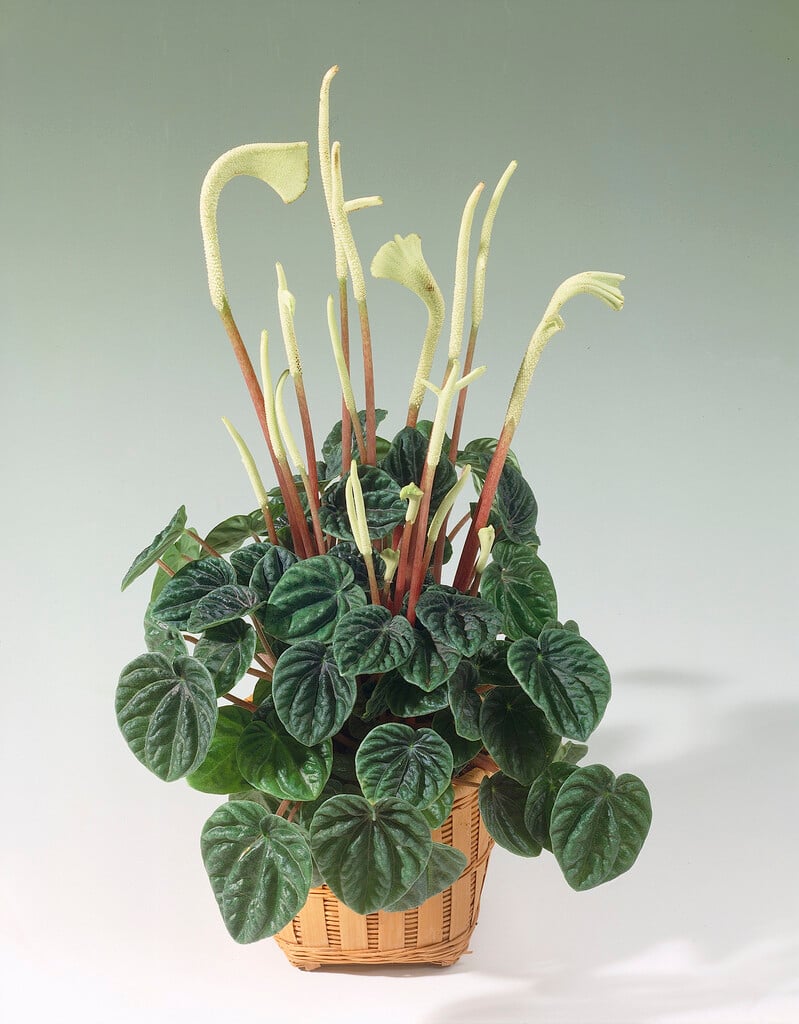
Shiny-leaved Peperomia is compact and easy to care for
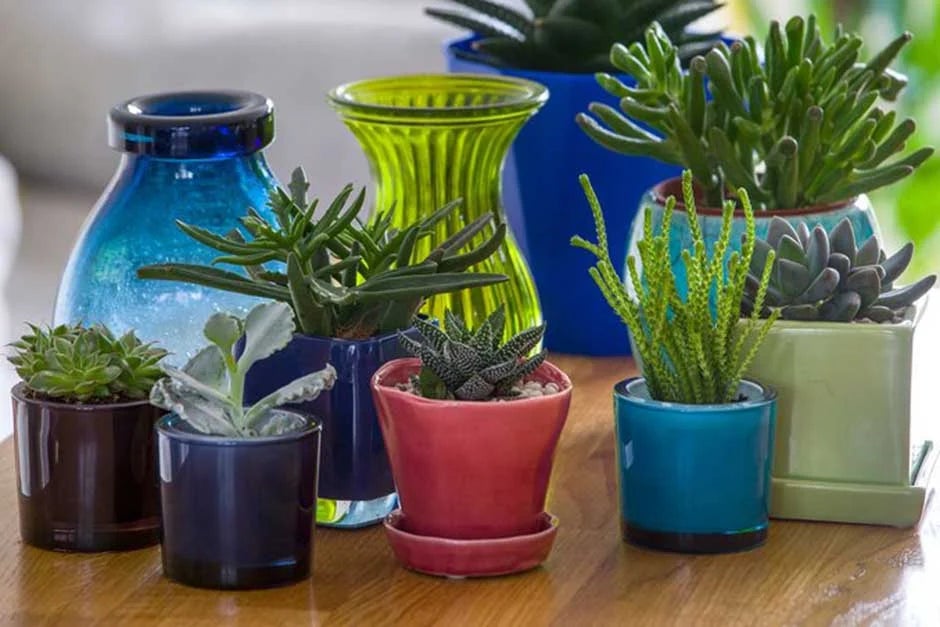
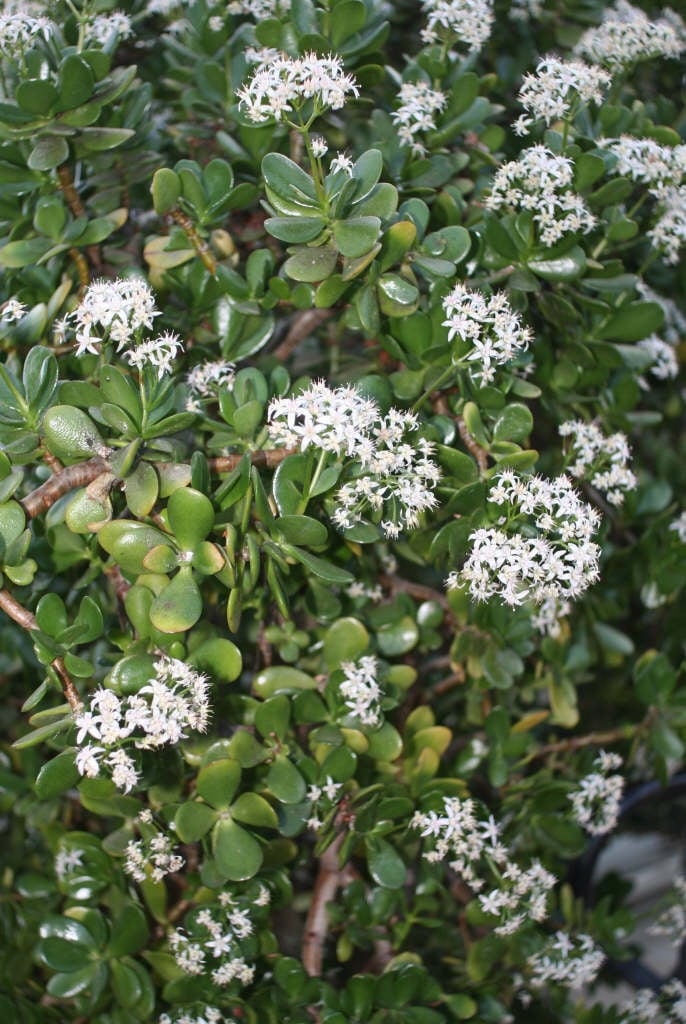
Little succulents in bright pots bring shots of colour to liven up the office
While small, isolated studies may not conclusively prove many of the claims they make, research into horticulture and wellbeing does support the biophilic principle that people are attracted by connections to the natural world and that this is beneficial to their mental health. Which is why plants are key to a happy, healthy working environment.
Plants for low-light
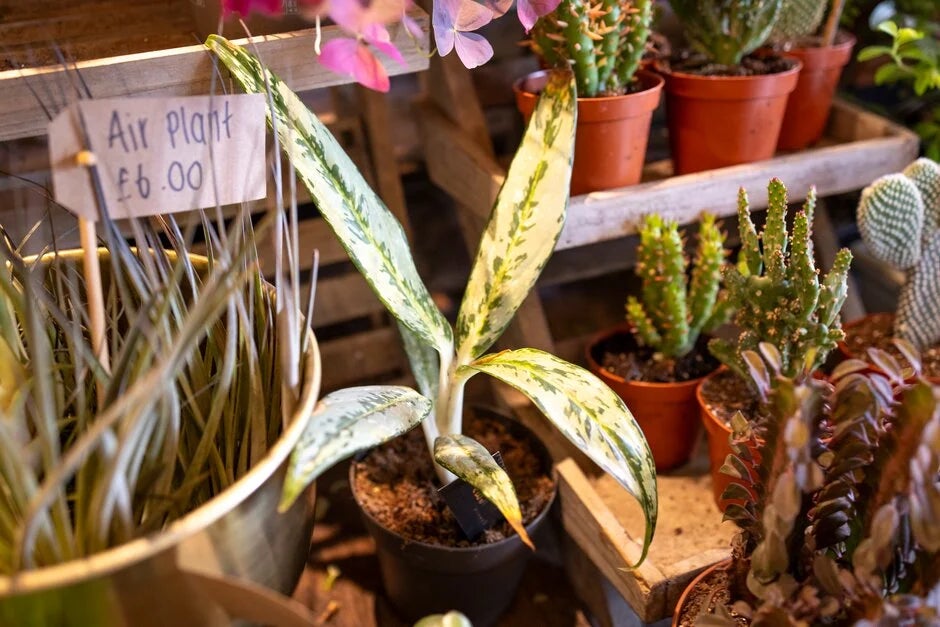
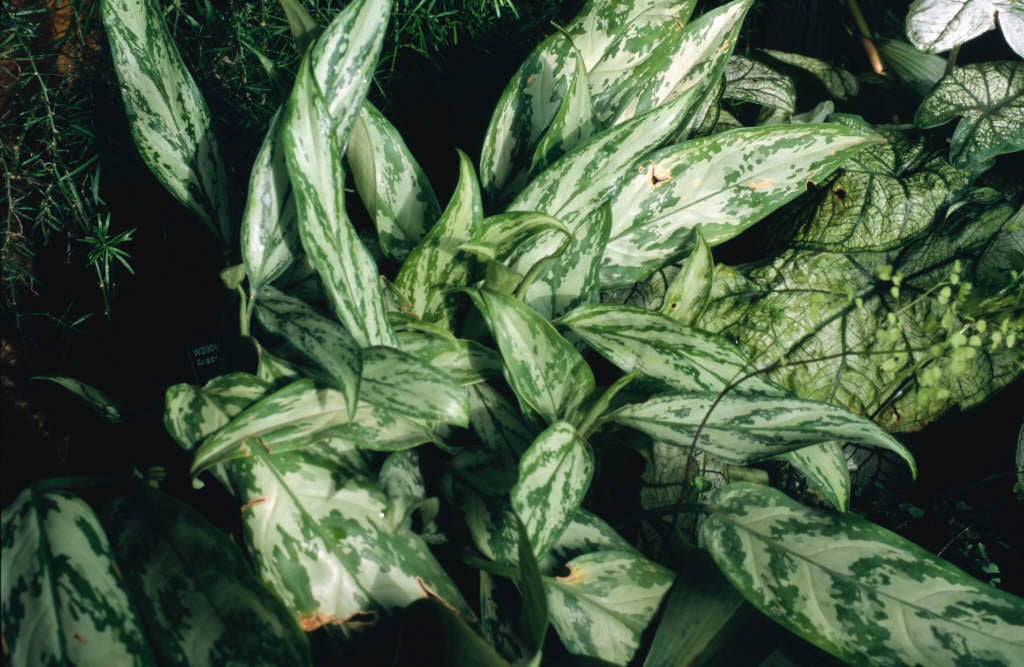
Aglaonema or Chinese evergreen is easy to care for and often has variegated leaves
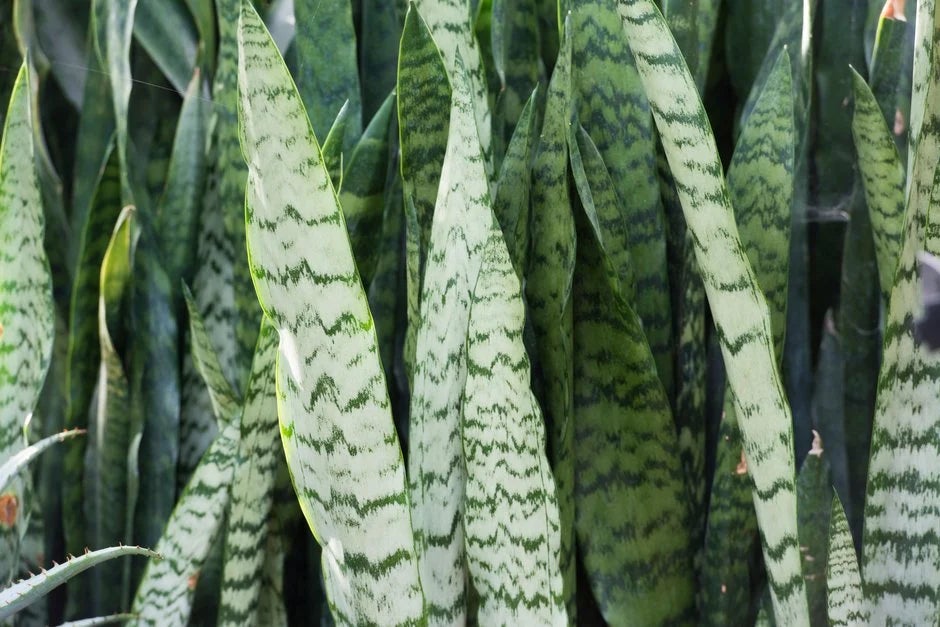
Dracaena trifasciata or snake plant is a tough succulent also known as mother-in-law’s tongue
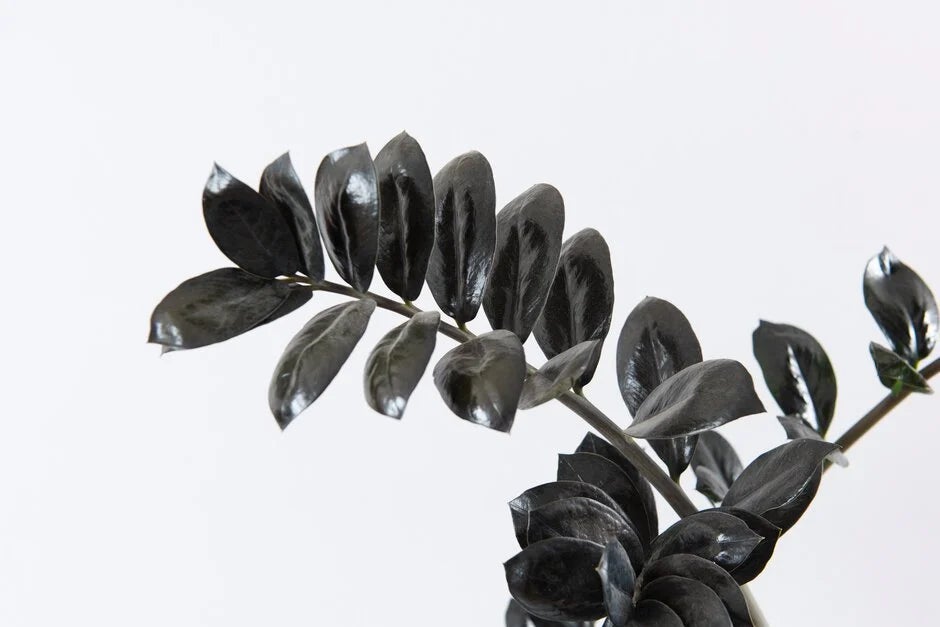
Zamioculcas zamiifoliaor ZZ plant has fleshy evergreen leaves which needs little watering
Caring for office plants
Kali Hamerton-Stove is Managing Director of The Glasshouse – a not-for-profit organisation, which trains and employs female prisoners to grow, install and maintain plants in urban settings, including many offices. Kali says there are some growing considerations that are specific to offices.
Statement plants for offices
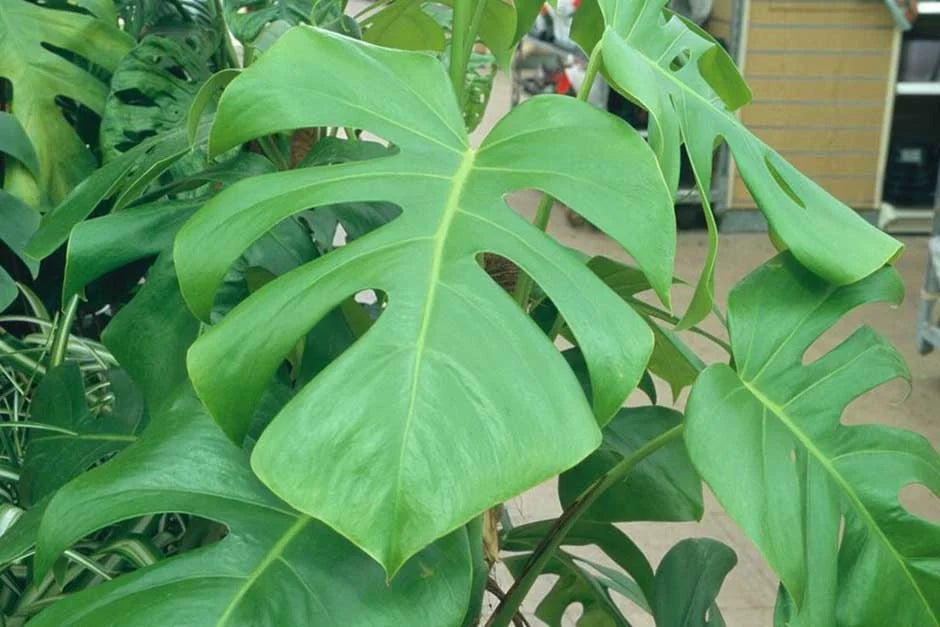
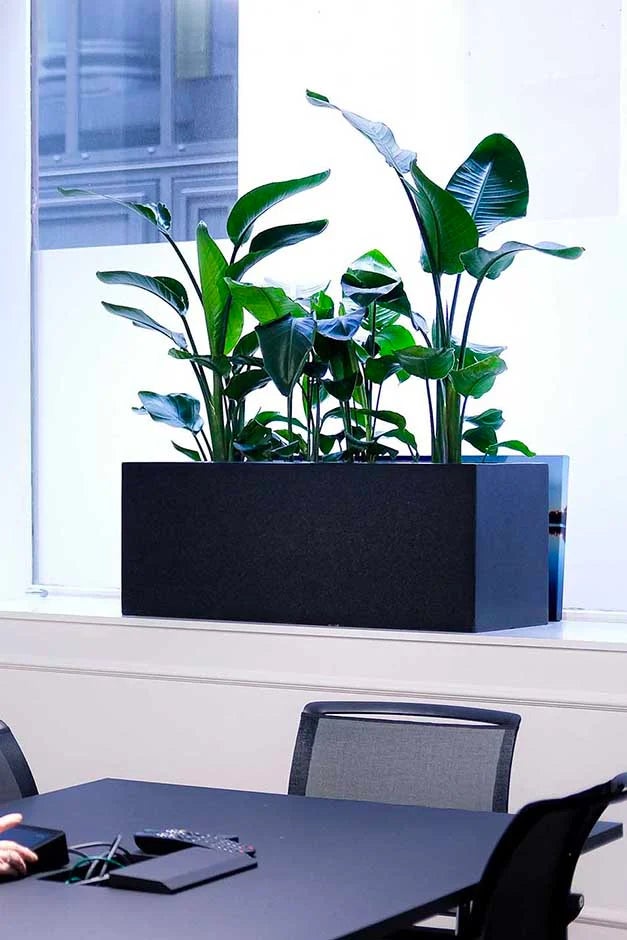
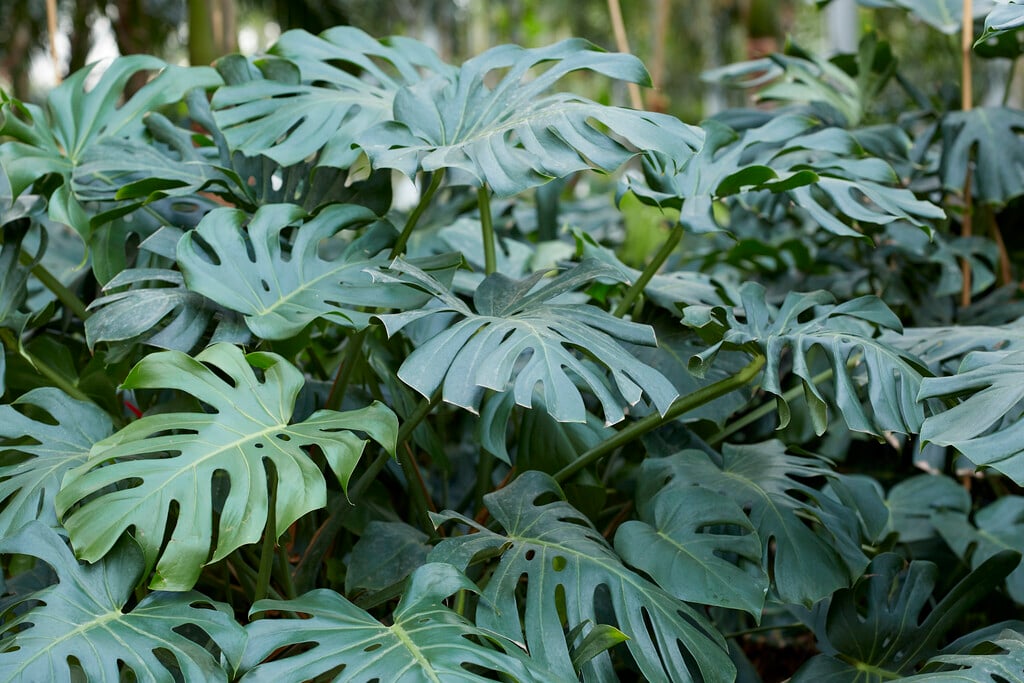
Big offices are the perfect excuse to go bold with big architectural plants like Monstera deliciosa
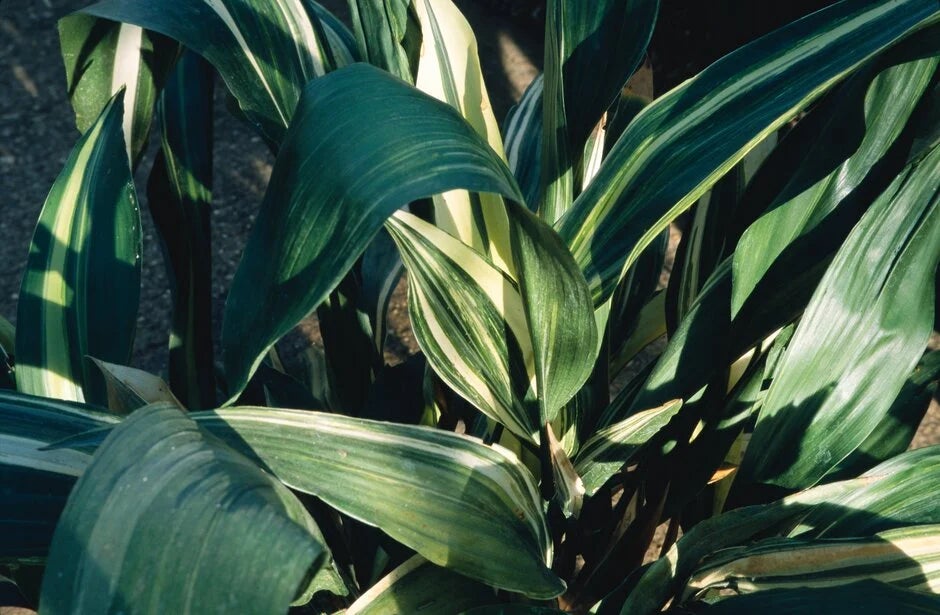
The cast iron plant is a classic for a reason. Aspidistra’s long, green leaves bring a taste of the jungle to your workplace
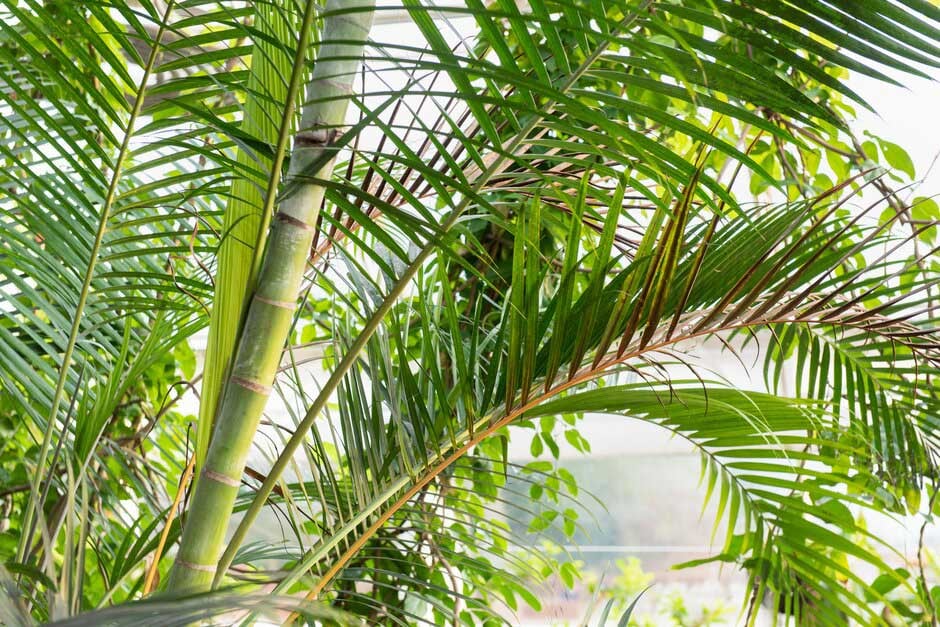
Big is beautiful and a few Dypsis lutescens (areca palm) can turn a soulless office into a tropical oasis
“The biggest challenge is lighting” says Kali. “Offices don’t always have great access to natural light. We need to have a variety of plants and solutions for different degrees of light. The next biggest challenge is heating and air conditioning. We have to be careful of placing plants in locations where there’s a vent or a heating outlet. It can affect the plant’s health quite quickly. Then there’s the people factor. Sometimes people aren’t always as aware of the plants around them as they should be, and the plants get moved around.”
Looking after office plants
1. Light
Plants are going to continue growing – even in low light. Chose your plants according to the light levels you have. To make sure that they grow evenly you need to be regularly turning your plants. A monthly quarter turn should do.
2.Watering
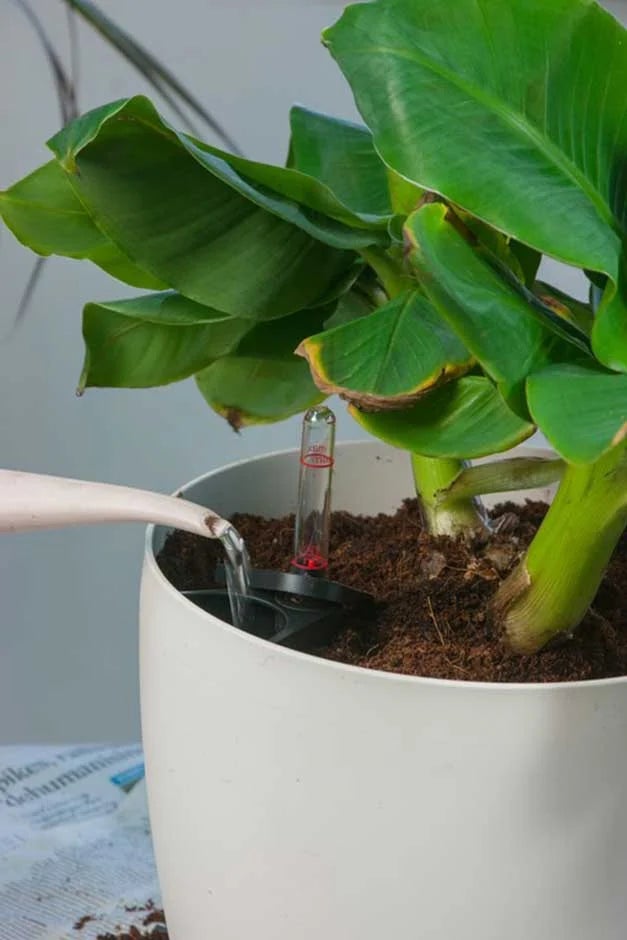
If no one person is responsible for looking after the office plants it’s easy for them to be accidentally over-watered by too many cooks or under-fed. Self-watering containers can prevent overwatering. Even with low-maintenance plants, some care is still needed.
3. Dryness
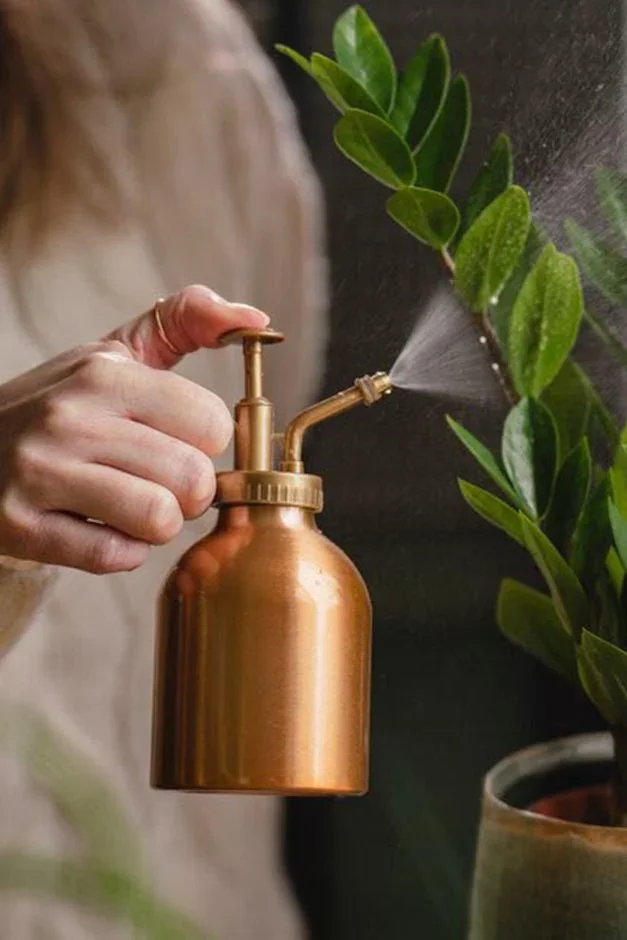
Indoors can become arid environments and most houseplants will benefit from an occasional misting, particularly any rainforest plants such as ferns and orchids. Avoid misting cacti or succulents.
4. Dust
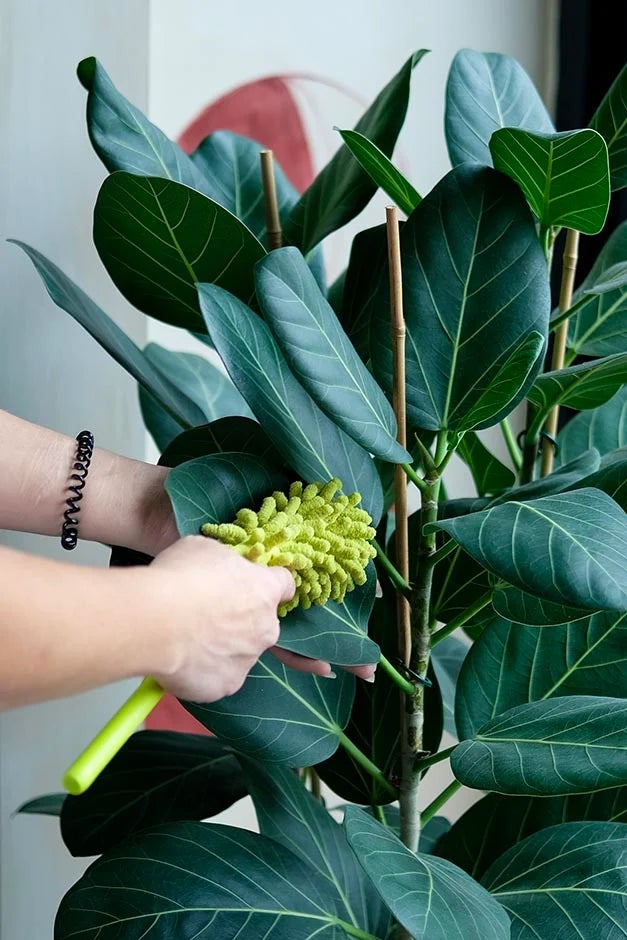
In an office environment you need to keep an eye on dust. In an office with a lot more movement and a lot more people there is going to be a lot more dust. You need to be dusting at least every other week because dust on leaves slows down the plants ability to photosynthesis.
5. Tidying
Yellow or browning leaves should be removed to keep the plant looking lush – ailing plants have a negative effect on wellbeing.