RHS / Barry Phillips
 Appearance
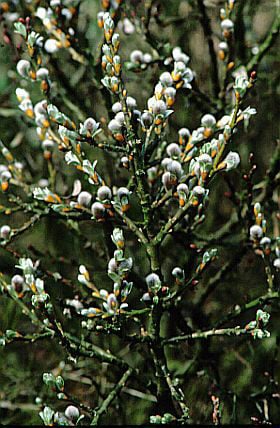
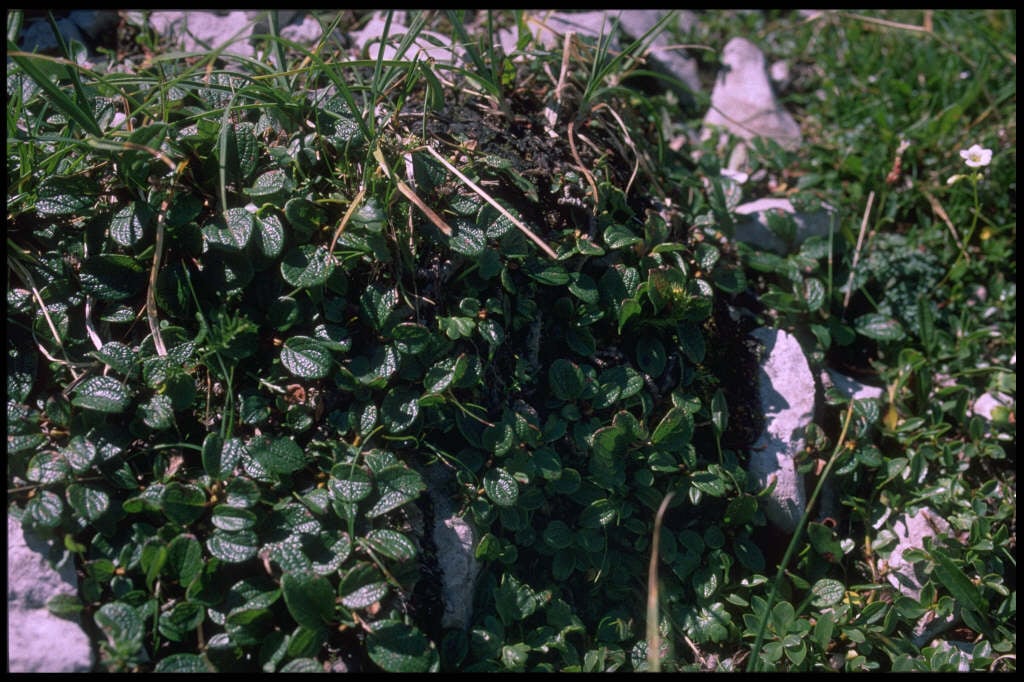
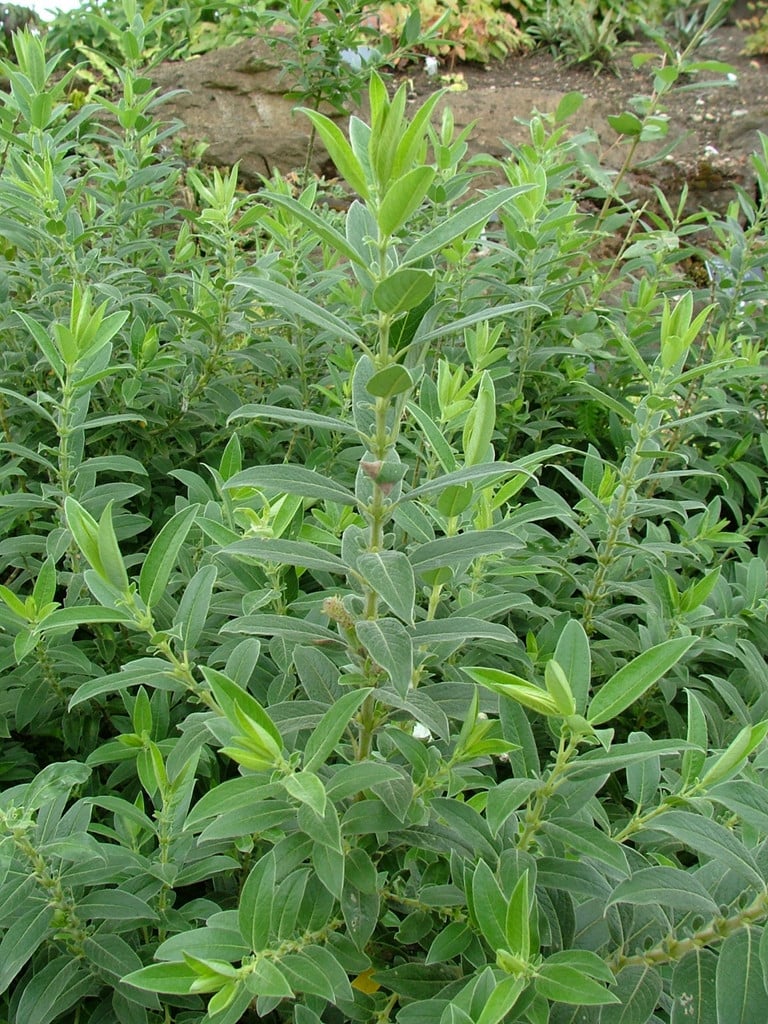
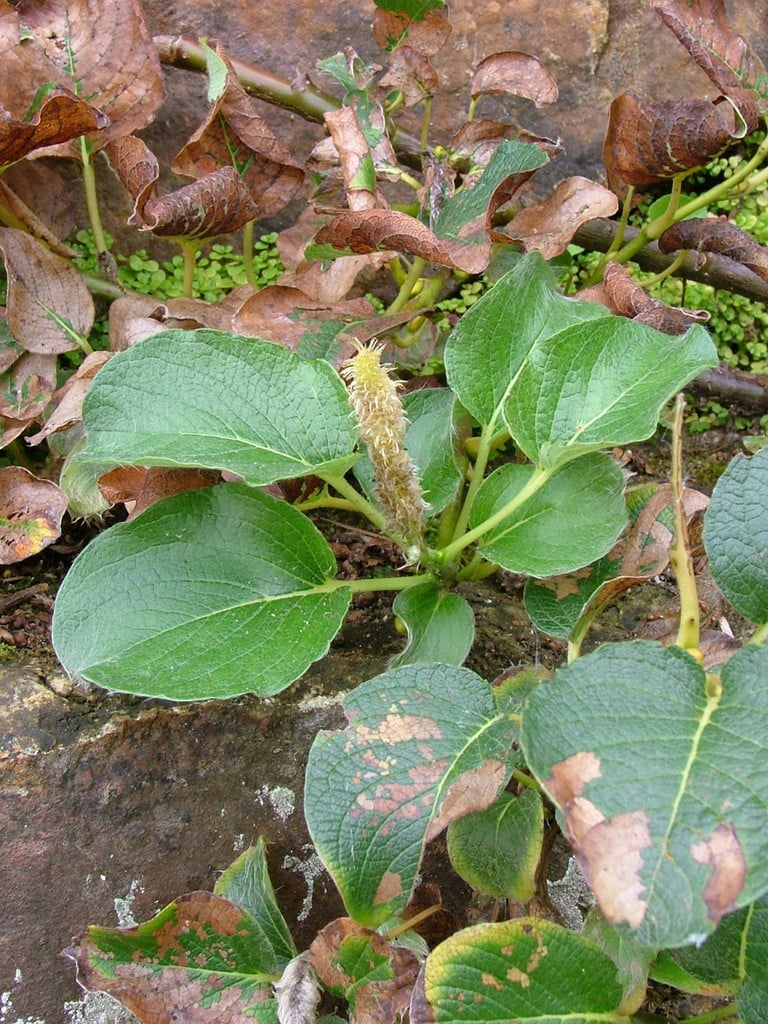
These are robust shrubs, compact, upright or ground hugging, and densely covered with often rough-textured leaves. Upright forms can have attractively gnarled branches, forming vase-shaped plants, while other are mat-forming. They produce ornamental fluffy catkins in late winter or spring that are a magnet for bees.
Preferences
Dwarf and alpine willows need very free-draining soil in full sun. They are tolerant of cold, windswept sites. You can grow most of them in containers, as long as they have good drainage.
Dislikes
Dwarf willows don’t grow well in heavy soil or excessively wet conditions. They also dislike deep shade.
Did you know?
These willows react to their environment – staying low and compact on exposed sites with poor soil, but becoming more lush and bushy in moist, fertile ground.
RHS Growing Guide
FREE
Read our comprehensive free RHS Growing Guide:
How to grow dwarf willows

Introducing Dwarf and rock garden willows
x of x
Showing
x to x
of x