Quick Facts
Colourful winter buds and catkins (especially on male plants)
1
Easy-to-grow shrubs, needing little maintenance
2
Ideal rock gardens and containers
3
Mat-forming species are useful as ground cover
4
Grow best in gritty soil in full sun
5


Before you get started
Choosing a dwarf willow
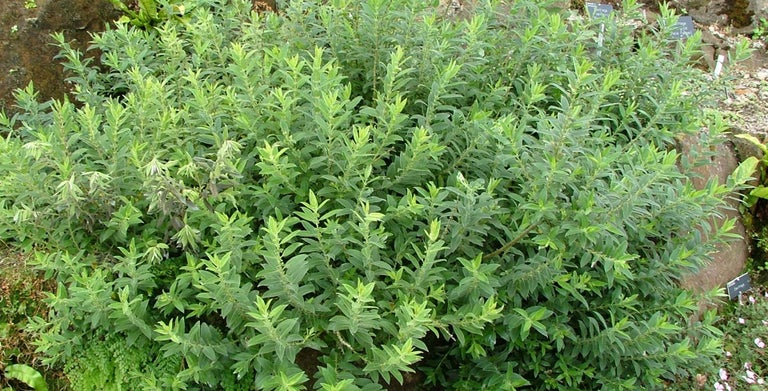
Dwarf willows grow well in a wide range of sites, although they really thrive in full sun and free-draining soil. These ground-huggers are particularly useful in exposed, cold situations. They are also popular choices for rock gardens and large containers, and the spreading forms make handy ground cover.
There are several species and cultivars of dwarf willow to choose from, depending on how much space you have and where you want to grow them:
- For rock gardens, troughs and containers – popular options include the netleaf willow (Salix reticulata)at only 7.5cm (3in) tall and 30cm (1ft) wide; S. ‘Boydii’ at up to 30cm (1ft) high and wide; Swiss willow (S. helvetica) at 60cm (2ft) tall and 40cm (16in) wide
- For ground cover on banks or to fill large bare gaps – Salix nakamurana var. yezoalpina has an indefinite spread and is only 15cm (6in) high; S. repens spreads to at least 1.5m (5ft) wide and 60cm (2ft) tall
Always check the eventual spread of dwarf willows before buying. Even tiny plants may be wide spreading, so make sure you have enough space for future growth.
To browse the range of dwarf willows and track down specific cultivars, go to RHS Find a Plant. You can filter your search by height and spread, growing conditions and RHS Award of Garden Merit.
Around 20 Salix species and cultivars have an RHS Award of Garden Merit, which shows they performed well in RHS trials, so are reliable choices.
You may also be able to visit the UK National Willow Collection at Rothamstead Research (Harpenden in Hertfordshire), to see the wide range of species it grows.
Wildlife-friendly gardening
Even dwarf willows can produce plentiful catkins that are a valuable source of pollen (on male plants) and nectar for bees, especially early in the year when food may be in short supply.
How and what to buy
Dwarf willows are available all year round, but are easier to find in spring in garden centres, shrub nurseries and online by mail order.

Planting
When to plant
Autumn through to spring is the best time to plant dwarf willows.
If you buy and plant in autumn, these young, small shrubs can begin to establish their roots over winter and will need less watering than if you plant in spring.
However, willows are often more easily available in spring. In this case, plant them straight away and water regularly over the first summer, especially in dry spells, to help them settle in and prevent them drying out.
Where to plant
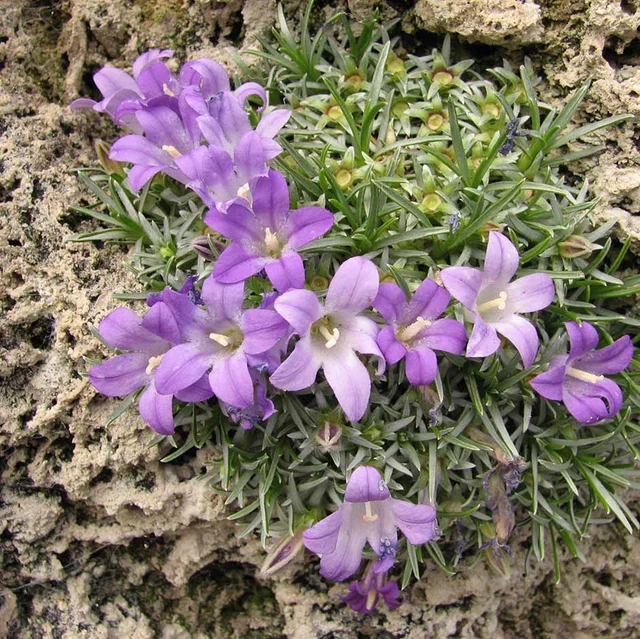
In borders and rock gardens
- Plant in full sun and very free-draining gritty soil
- Allow spreading forms plenty of space – check the eventual spread before buying
- These tough, fully hardy shrubs are ideal for exposed, windy, cold locations

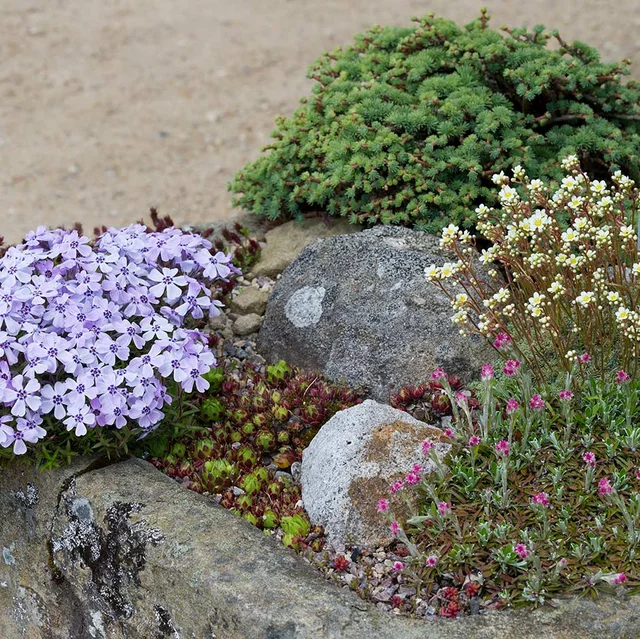
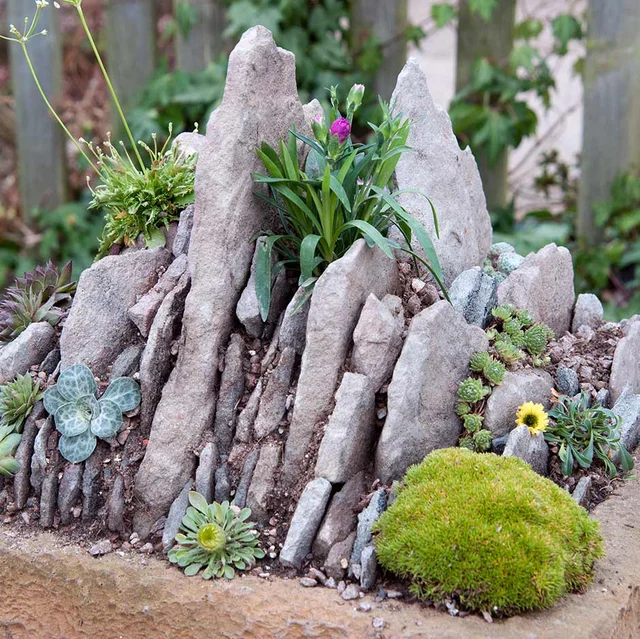
In troughs, sinks and containers
- Use an equal-parts mix of a loam-based , such as peat-free John Innes No. 2 and coarse grit for good drainage
- Water well after planting, and in hot, dry spells until plants are established
How to plant
Dwarf willows are quick and easy to plant, and should be planted as soon as possible after buying – see our planting guides below.
Ongoing Care
Watering
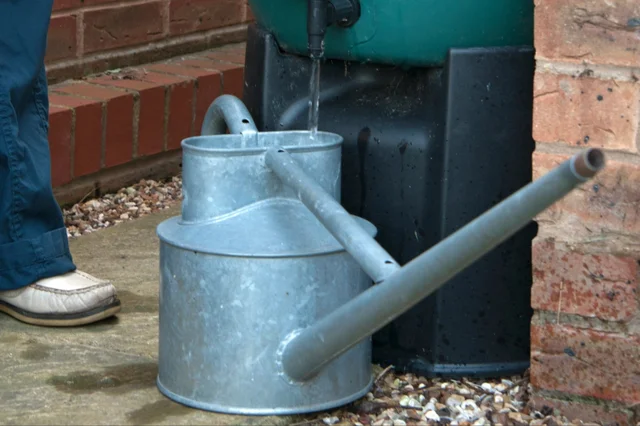
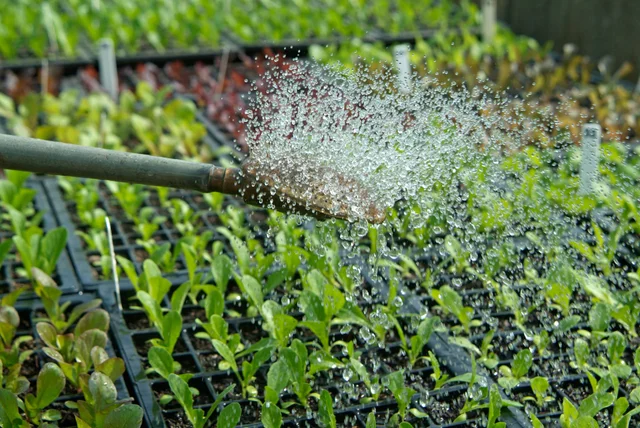
- Water newly planted dwarf willows regularly for the first two or three summers, especially in hot, dry spells
- To avoid unnecessary watering, check if the soil feels dry at a depth of about 15cm (6in), and if so, water generously, allowing it to soak in well
- Once well established, dwarf willows shouldn’t need additional watering
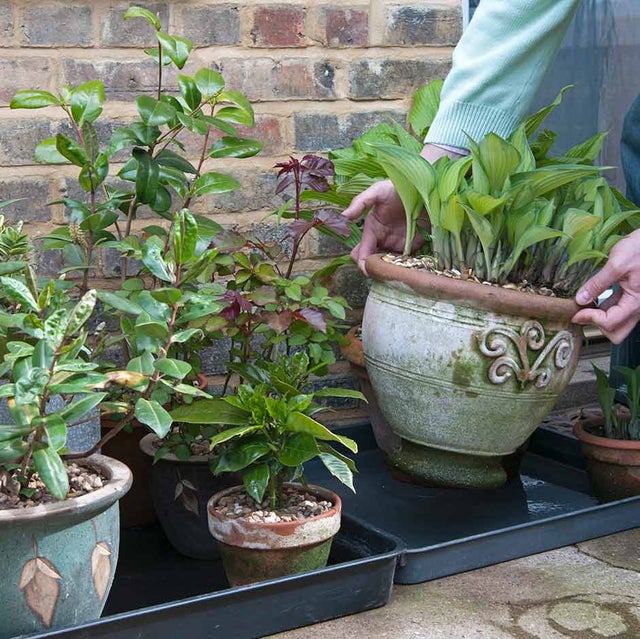
- Plants in containers should be checked daily during hot, dry spells as the will dry out faster. Containers will need less water in winter but should still be checked occasionally
Feeding
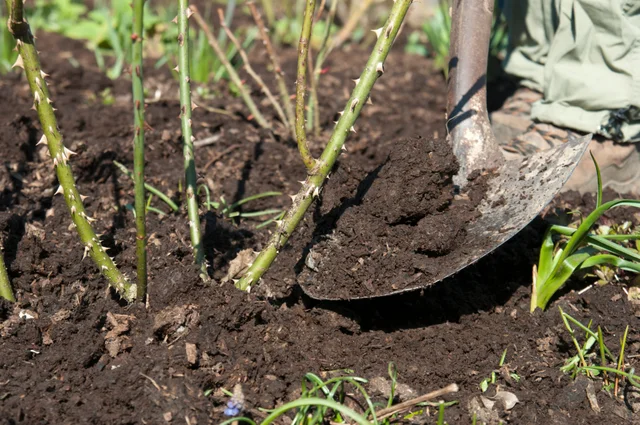
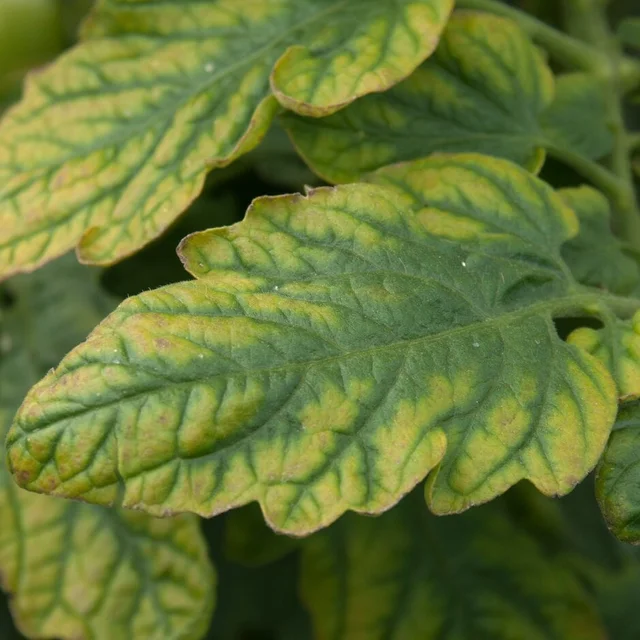
Dwarf willows growing in borders shouldn't need feeding unless they are showing signs of nutrient deficiencies.
Dwarf willows in containers will benefit from the addition of controlled-release fertiliser when planting, repotting or top-dresing.
Caring for older plants
Once dwarf willows have settled in, they need very little attention or maintenance. Just check they are getting enough water in summer, and remove any weeds.
Pruning and Training
Propagating
Hardwood cuttings
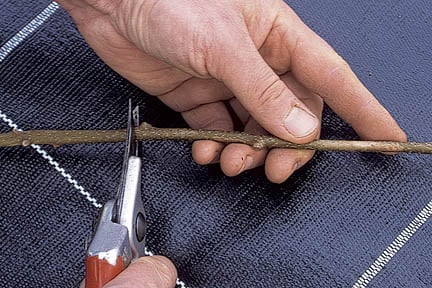
Dwarf willows are easy to grow from , between November and January – see our guide below.
With willows in particular:
- Select healthy, woody stems from the current year’s growth, about pencil thickness and 20–30cm (8–12in) long
- Insert into deep containers filled with a 50:50 mix of peat-free multi-purpose and coarse grit
- Keep in a coldframe or cool greenhouse over winter
- Check from time to time to make sure they haven’t dried out or are sitting in soggy compost
- New shoots will appear from the buds in spring
- They should be ready to plant out in autumn
Problems
Dwarf willows are usually robust, vigorous and healthy shrubs, if grown in a sunny position in soil that doesn't dry out. They don't grow well in chalky soil.
However, there are a few problems to look out for:
- willow anthracnose, scab and canker
- honey fungus
- tree rusts
- large willow bark aphids
- willow leaf beetles
- scale insects
- caterpillars and sawflies
- slugs and snails, which may damage soft, young, leafy growth
- ants can be a nuisance in well-drained soil and containers
- vine weevils can damage roots, especially in troughs, sinks and other containers
If you’re a member of the RHS, you can use our online Gardening Advice Service, via MyRHS, for any questions or gardening problems.