Rose pruning: general tips
These general tips for rose pruning will help you improve the health and lifespan of any rose.
Common name - Rose blindness
Plants affected - Roses
Main causes - Frost damage, poor soil fertility, shady conditions
Timing - Summer

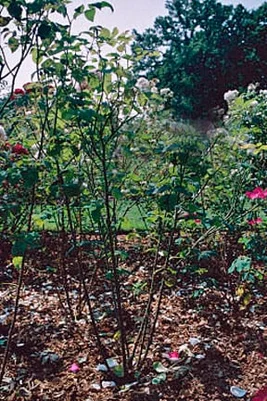
Rose blindness is a disorder that diverts the plant's energy so it is not able to produce rose blooms.
Flowering shoots develop normally, but fail to develop a terminal flower . Occasionally, a flower case may be form but be empty or dry.
Leaf and stem growth can appear perfectly healthy, with no sign of dieback.
The cause is unknown, but could be linked to environmental factors such as adverse weather conditions damaging the shoot tip or the plant being grown in an excessively shady area.
Where rose blindness is a problem:
Susceptible: some rose cultivars are particularly prone to this problem: 'Peace' ( a large-flowered hybrid tea rose ) and 'New Dawn' ( climber ), which often has a poor first flush (a surge in the production of flowers) of flowers.