Getting Started
Globe artichokes produce a summer crop of plump flower buds that are delicious sautéed or steamed. These large plants need a warm, sunny location and plenty of space, and make an attractive feature in flower gardens as well as vegetable plots.
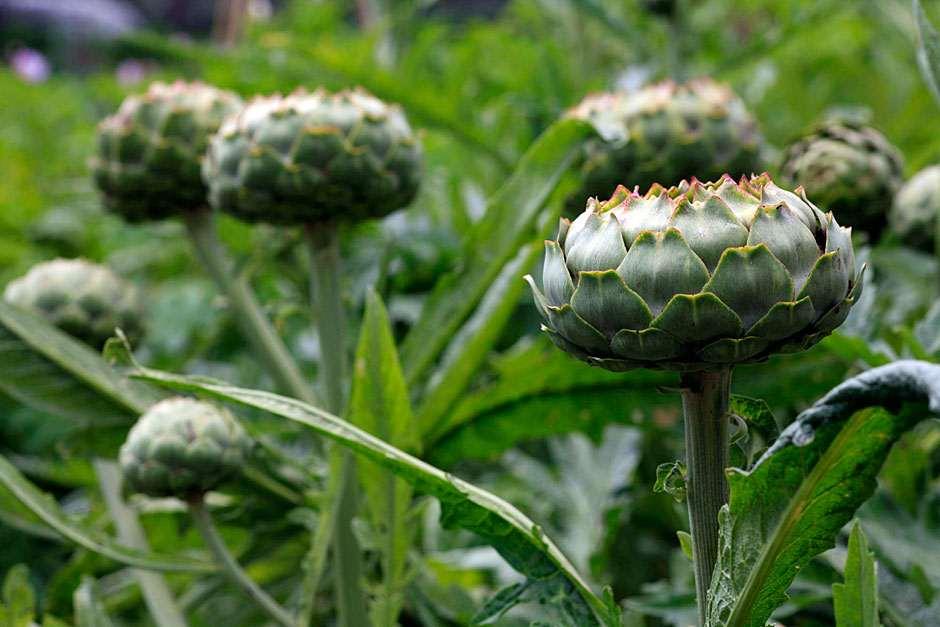
Globe artichokes (Cynara cardunculus Scolymus Group) form large clumps of jagged, silvery-green leaves, and send up tall flower stems topped with rounded buds that have pointed scales. If left unharvested, the buds open into big purple thistle-like flowers that are a magnet for bees and other pollinating insects.
Plants generally grow 1-1.5m (3-5ft) tall and up to 1m (3ft) wide, taking up significant space, but if you don’t have room on the veg plot for them, they work beautifully in flower borders too. They are herbaceous perennials, living for several years, with the top growth dying back in autumn, then re-sprouting in spring. They can be grown from seed or bought as young plants in spring, and clumps should be divided every four or five years, to produce new, more vigorous plants.
Globe artichokes like warmth, full sun and free-draining soil, and once established need little maintenance. A mature plant can produce up to 12 edible buds over the summer months, which should be harvested when still tightly closed. Small buds are delicious roasted or sautéed whole, while larger buds can be steamed, then the fleshy scale bases and heart eaten with a dressing.
Jobs to do now
Harvest
Water in dry spells
Month by Month
Sow
Plant Out
Harvest


Choosing What To Grow
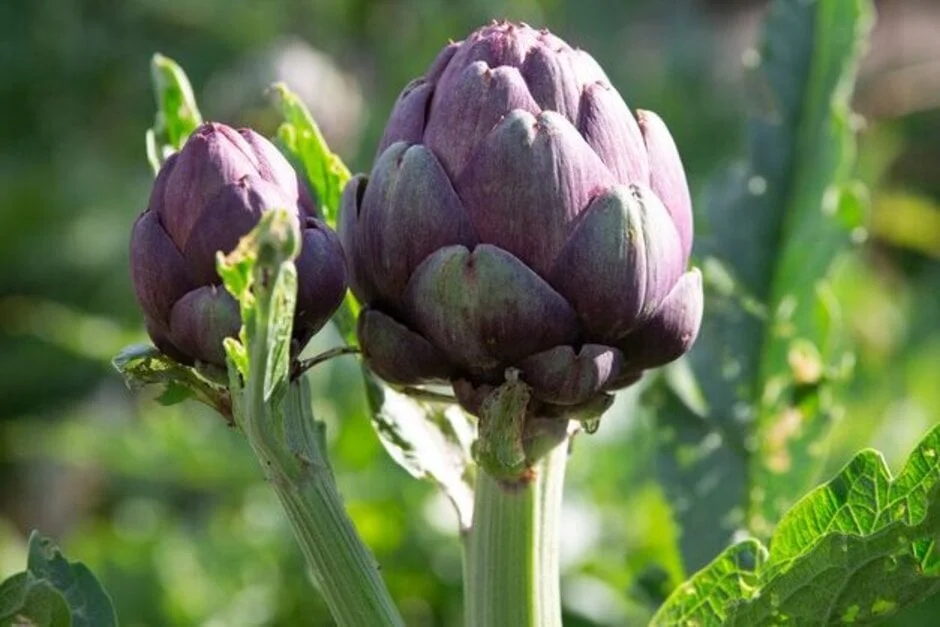
There are several varieties of globe artichoke, varying in hardiness, plant size, size and bud colour. Some produce attractive purple flower buds, others make larger plants that need additional space but produce a larger crop. Hardier varieties are a better choice in colder parts of the UK – some of the French and Italian varieties will only survive in warm, sheltered locations on very free-draining soil.
A wide range of vegetables, including crops such as globe artichokes, are grown in the RHS gardens, so do visit for more veg-growing inspiration.
What and where to buy
Globe artichokes can be bought as or young plants in 9cm (4in) pots in spring, mainly from online plant suppliers. Larger plants in containers are sold in both garden centres and online for most of the year, as are packeted seeds. Seeds are cheaper to buy than plants, but are more time-consuming to grow and slower to reach cropping size. Seed-raised plants also tend to be variable and spiny, so only keep the best plants. You can later propagate your favourites from offsets or by dividing the clump to produce more identical plants.
Before buying, if you have any gardening friends who already grow globe artichokes, it’s worth asking if they have any young plants to spare. Mature clumps should be divided every five years or so, producing several new plants each time. Clumps also produce offset plants around the outside, which can easily be removed – see Propagating, below.
Recommended Varieties


Preparing The Ground
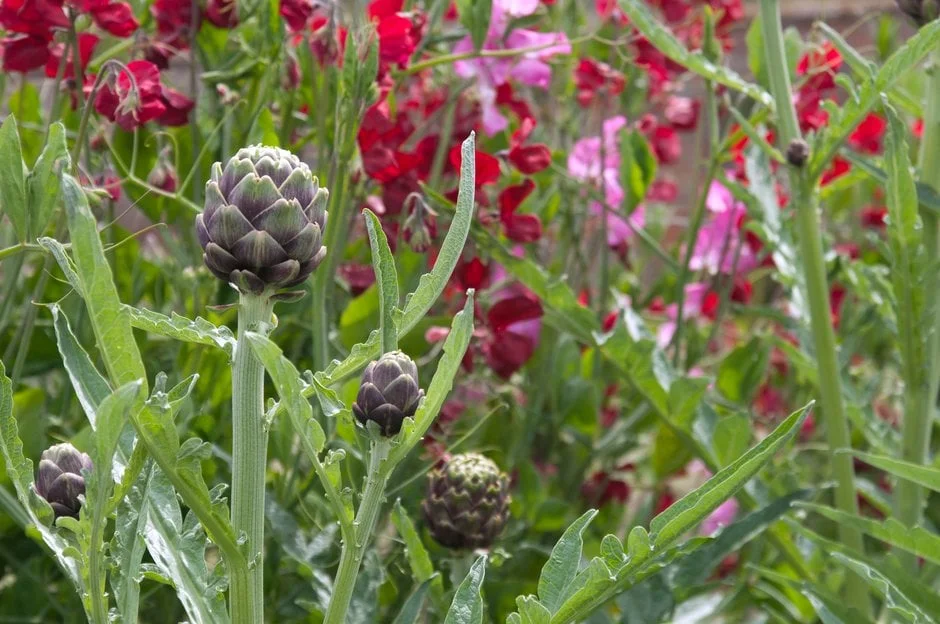
Choose a warm, sunny growing site with reasonably fertile, free-draining soil. Avoid very cold, frost-prone or spots. A sheltered location is best for these tall plants, and make sure they have plenty of space, as they can reach 1m (3ft) wide over time. There’s also no need to confine them to the veg plot, as they make attractive features in flower borders.
Prepare your growing site by removing any weeds and digging in two bucketfuls of organic matter, such as garden compost, per square metre/yard, to improve moisture retention. Alternatively, if you're practicing no-dig, the soil with organic matter ahead of sowing or planting directly into the mulch.
Sowing
You can sow globe artichoke seeds indoors or outside. Sowing indoors usually gives more reliable results, as can be kept consistently warm and protected from slugs and snails. Indoor-raised plants also get a head start, which helps to ensure they’re established enough to survive the following winter successfully.
Sowing indoors
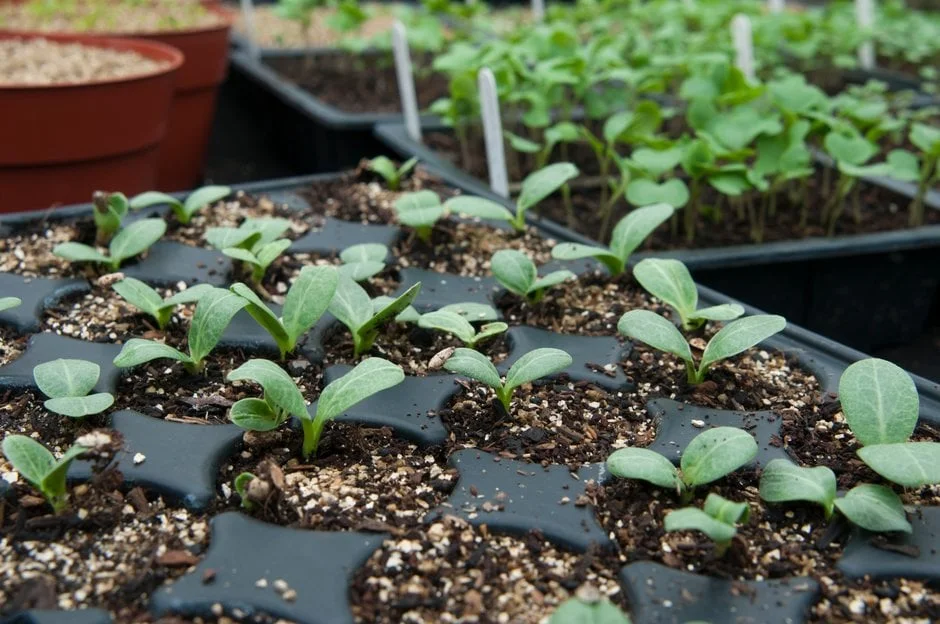
Sow seeds indoors from late winter to mid-spring, ideally individually in modular trays or small pots, to minimise root disturbance when transplanting. Use peat-free and sow the seeds about 2cm (¾in) deep.
Keep the young plants in a warm bright location and water regularly. Move them into larger pots once the roots can be seen through the drainage holes. They’ll be ready to transplant outside in late spring or early summer – see Planting, below.
Sowing outdoors
Seeds can be sown directly into the ground in spring, once the soil has warmed up. Prepare the ground (see above), then sow two or three seeds at their final spacing, 75-90cm (30-35in) apart. When the appear, thin them out if necessary to leave the strongest one at each point. Sow fast-growing crops between the young globe artichoke plants, to make use of the space. For more outdoor sowing advice, see our guides below.
Planting
Young globe artichokes should be planted out in late spring/early summer, after the last frost. Larger plants, divisions and offsets are also best planted in spring.
- Young plants grown from seed indoors – these are ready to plant out once they have at least five large leaves and are about 30cm (1ft) tall. Harden them off first to acclimatise them to outdoor conditions.
- and young potted plants – repot into slightly larger containers to grow on until they’re about 30cm (1ft) tall with a strong root system, then transplant into their final position outside.
- Larger plants in pots – these can be planted at any time of year, but they’ll settle in more successfully if planted in spring.
- Divisions or offsets taken in spring from – plant these straight into their new location (see Propagating, below).
Choose and prepare your planting site – see Preparing the ground above – then dig a hole with a trowel and position the plant at the same depth it was previously growing, firm it in and water well. Space additional plants 75-90cm (30-35in) apart. Water the new plants regularly during any dry spells in the first summer, to ensure they establish well. If any flower buds form in the first year, remove them so the plants concentrate on establishing strong root systems.
Planting in containers
Globe artichokes are best grown in the ground, but it is possible to produce a crop from plants grown in pots. As they are large plants with extensive root systems, containers should be at least 45cm (18in) wide and deep. Use a peat-free multi-purpose and be prepared to water regularly during dry weather.
Plant Care
Globe artichokes need little maintenance once established. Apply annually in spring and divide mature clumps every five years or so to maintain vigour and produce new plants.
Watering
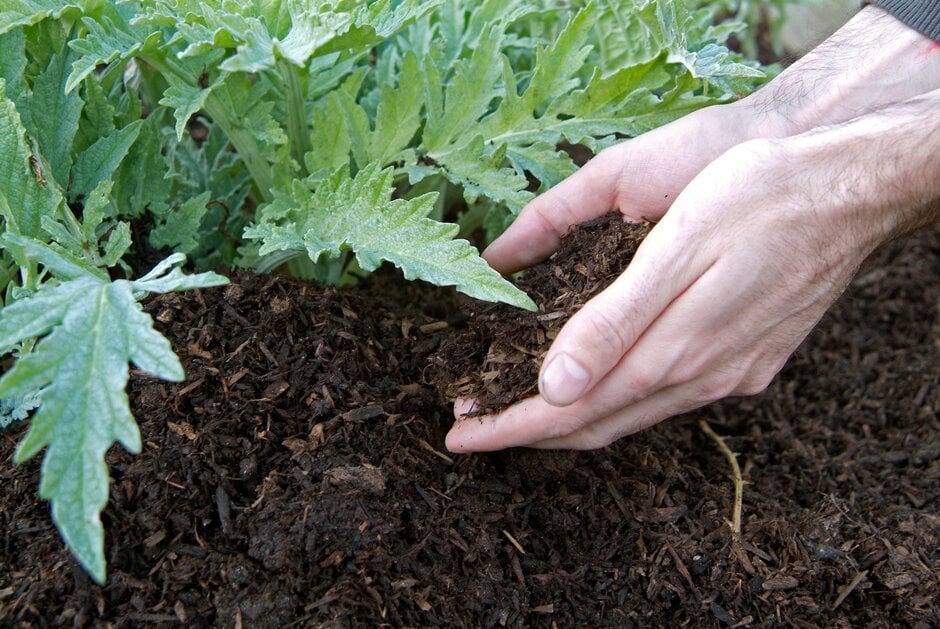
Water newly planted globe artichokes regularly during their first . After that, once they have a strong root system, they are fairly drought tolerant. However, in prolonged hot and dry spells when the flower buds are forming, watering will help to improve the crop – lack of water can lead to fewer, smaller buds. Mulching the surrounding soil in late winter or spring will also help to retain moisture. For more water-wise tips, see our guides below.
Feeding
Globe artichokes should crop well in most soils without feeding. If your plants aren't cropping well, or you're growing them in a container, boost flower- production by feeding in spring with an organic-based, high potassium fertiliser.
Protecting over winter
Young plants are particularly vulnerable to cold in their first winter, before they’re fully established. So, spread a thick layer of over the ground in autumn and add cloches or biodegradable fleece during very cold, frosty weather.
are usually fairly hardy, depending on the variety, but spells of harsh weather could potentially kill them. So cover the crown of the plant with the spent foliage in late autumn, to help protect it. In colder regions, and elsewhere if you want to be on the safe side, also add a thick mulch of straw, bracken or garden compost to provide additional insulation.
Propagating
Artichoke plants become larger and more prolific each year, but eventually run out of steam and need to be replaced. So before this happens, be sure to divide clumps in spring – ideally every four or five years – to produce vigorous new replacements.
New plants can also be made from offsets (a small, young plant growing near the base of the main clump). In spring, look around the outside of the clump for vigorous young of leaves, 20–30cm (8–12in) tall, sprouting from the roots. Detach them from the clump, along with a section of the root, by slicing down vertically with a sharp knife. Reduce the height of the leaves to 15cm (6in), then plant straight away – see Planting, above.
New plants produced by division or from offsets are clones of the parent, so these are the best ways to propagate named varieties.
Pruning And Training
In the first summer after planting, remove any flower stalks that begin to form, so the plant concentrates on getting well established. You can start harvesting the buds in the second summer.
Once harvesting is over, remove the old flower stems. Then in late autumn, prune off all the faded foliage at the base. You can lay the spent foliage over the crown of the plant to help protect it from frost.
Harvesting
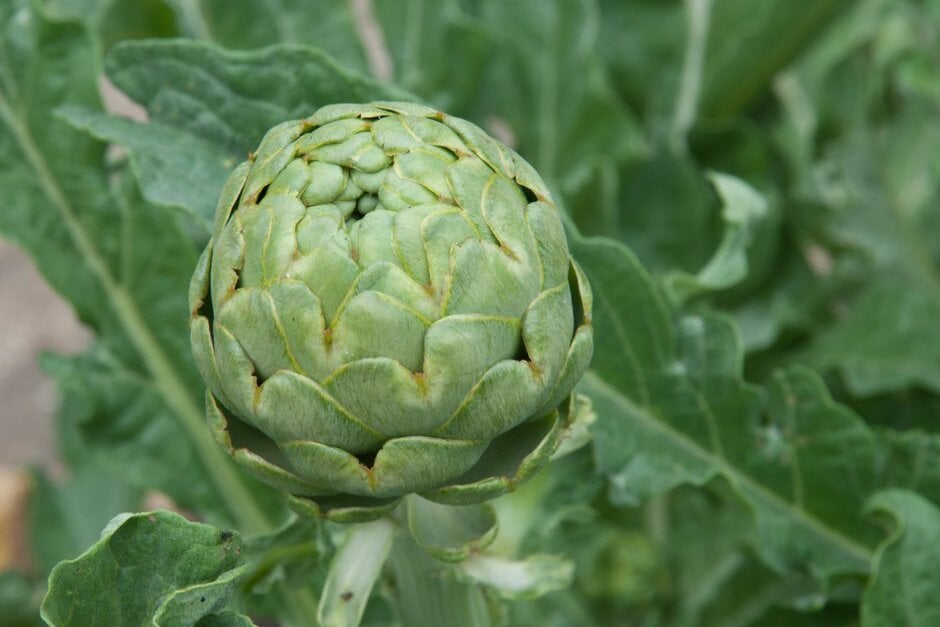
Some patience is required with newly planted globe artichokes - young flower stalks should be removed in the first summer, but you can leave them to grow and produce a crop of buds in the second summer.
From June onwards, use secateurs to harvest flower buds when they reach full size but are still tightly closed. Remove the buds with a length of stalk, cutting it just above a leaf joint. Harvest the main larger flower first, then secondary, smaller buds will develop, which can be harvested in turn over the summer. Check plants regularly, as buds can open quickly in warm weather. Mature plants can produce up to 12 flower buds in a season. If buds aren't harvested, they'll open into attractive purple, thistle-like flowers that are good for pollinators.
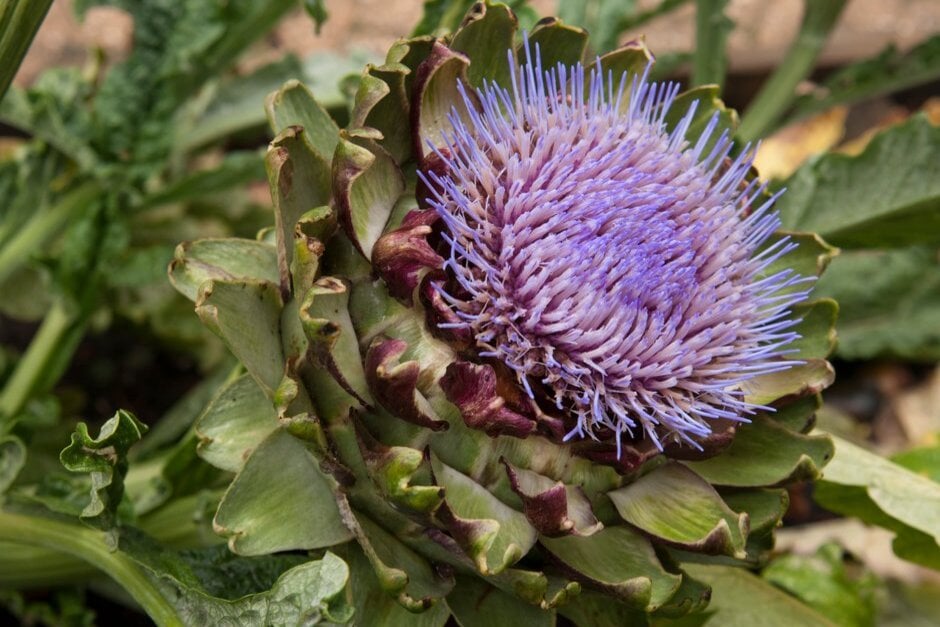
Small, tightly closed buds can be roasted, grilled or sautéed whole. Alternatively, boil or steam larger buds until tender, then enjoy the fleshy scale bases and heart with melted butter or a dressing.
Problem Solving
Established globe artichokes are usually robust, healthy plants, as long as they have the right growing conditions. Very cold or wet conditions over winter can kill them, especially less hardy varieties, so be sure to give them a warm, sunny location with free-draining soil, and protect the crown with a thick mulch over winter. If you have heavy soil, plant in a raised bed. If harvests start to decline after a few years, divide the clump to produce vigorous new plants – see Propagation, above.
You may need to protect young plants from slugs and snails. Aphids may also colonise the buds and leaves. For more on tackling these issues, see Common problems, below.
Common Problems

Frost damage
Frost can affect many plants, and is particularly damaging to tender new growth and blossom in the spring. The risks of frost damage can be reduced by...


Slugs and snails
Slugs and snails are common garden animals, and they are well suited to the damp, mild climate of the UK. A few species feed on garden plants, but mos...
