Liz’s Allotment Life: Planting out the tenders
As summer gets underway, RHS Wisley Edibles Horticulturalist Liz Mooney shares the planting, harvesting and seasonal jobs keeping her allotment busy

As summer gets underway, RHS Wisley Edibles Horticulturalist Liz Mooney shares the planting, harvesting and seasonal jobs keeping her allotment busy
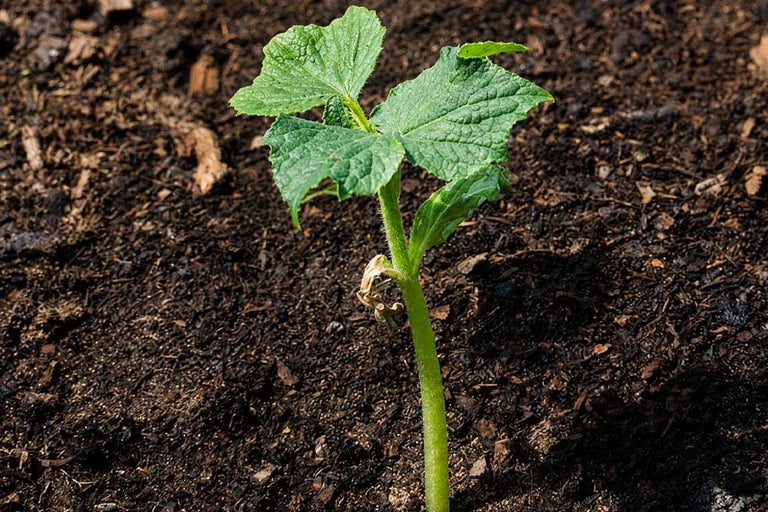
After the rush of planting out all of the tender crops last week, things have been a little quieter on the allotment. Much of my time has therefore been spent consolidating and catching up on jobs. Not every plant made it through the heatwave and, in one case, I accidentally dragged a hose across a cucumber and snapped the stem clean off. Mistakes happen, and thankfully I had a few spare plants waiting in the wings.
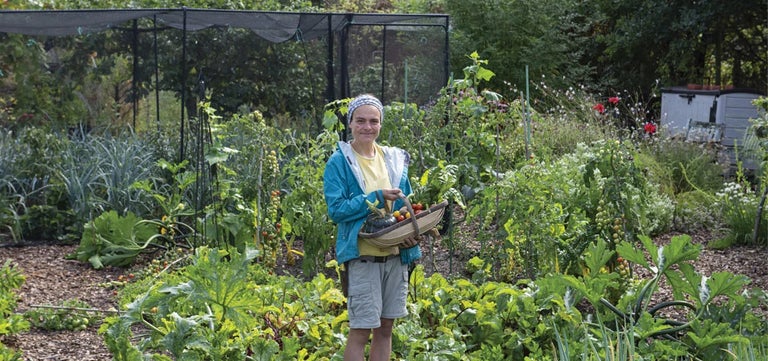
The rain finally arrived, which has eased the burden of watering, and I have been enjoying some generous harvests. Carrier bags full of lettuce, spinach, Swiss chard, spring onions and the first beetroots of the year have been making their way home with me. In fact, I have started giving salad crops away to anyone I happen to meet, as there is simply more than I can eat myself.

One part of the allotment I am particularly enjoying at the moment is the flowers, and I thought I would use this week’s blog to explain why they are such an important feature of any productive plot.
Firstly, let's not diminish the importance of the joy flowers give us. Allotments are productive places designed to grow food to eat, but they are also sites many of us go to to relax and unwind away from work. Vegetable crops are beautiful in their own right, but flowers can enhance this and provide a wonderful display throughout the .
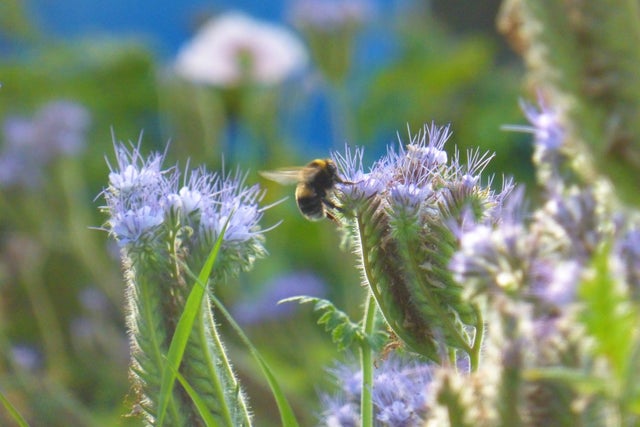
Flowers can act as companion plants on the allotment, a term used to refer to plants whose presence among vegetables can support healthy growth. They do this by attracting beneficial insects to the plot. Whether it is hoverflies or ladybirds, these wonderful creatures are encouraged to visit, or even set up home, on your allotment if you can provide sources of pollen, and habitat. While on your plot they can also assist in managing insects you might be less pleased to see, such as aphids – though these are also breakfast, lunch and dinner for many of the baby birds we have around, so it’s well worth leaving them alone for nature to take its course.

Pollinators are also attracted to your plot by flowers. Many fruiting crops need or benefit from insect , helping to improve fruit set and yields. Runner beans, cucumbers, courgettes and more all rely heavily on pollination to develop the fruits we harvest, and by attracting insects to your plot, flowers help ensure that this takes place.
Of course, many flowers are also edible, with their colourful petals helping to brighten up your summer salads.
To be honest, almost any flower can be beneficial on an allotment. I have a dedicated flower bed on mine which I have gradually filled over the years with a few odds and ends. I am particularly fond of Stachys byzantina (lamb’s ear), which the female wool carder bee is known to collect hairs from for use in her nest. I also grow Echinacea, Dahlia, Ajuga and a range of spring .

I like these perennials because the flower bed largely looks after itself with very little attention from me. However, some of the most commonly recommended flowers for allotments are . These include Calendula, cornflowers, borage and nasturtiums, many of which will self-seed and return year after year.
I am a particular fan of Calendula ‘Winter Sun’, a delicate English marigold that can flower for much of the year, and Nasturtium ‘Empress of India’, which is more compact than some of its counterparts. If you are after something really showy, try French or African marigolds with their large, colourful flower heads. Cultivars such as‘Honeycomb’ and ‘Fireball’ make excellent additions to the allotment. These are frost tender, so remember to keep to prolong the display for as long as the plants survive.

I love this crop because of its beautiful stems, which stand right through winter if conditions are relatively mild and look stunning against a light frost and clear blue skies. Swiss chard is a , so I tend to remove plants that are starting to flower around April and replace them with new , which are now coming into full harvest on the allotment.
‘Bright Yellow’ is my favourite , but it is also worth looking out for ‘Bright Lights’ and ‘Peppermint’. I like to use the leaves in spanakopita, although they work just as well in a stir-fry.

The plants will sometimes flower prematurely, especially during dry weather, so I always grow several. That way, if I have to stop harvesting from flowering plants because the leaves have become bitter, I still have plenty more to pick. I also have a few younger plants that have not yet reached harvest stage. With a little bit of luck, I will still be harvesting from these plants in around ten months’ time.
Looking around the plot earlier this week, a few gaps have appeared where I removed spinach plants that had gone to flower. I will need to have a think about what can be direct sown into those spaces. At this time of year there are still plenty of options, and deciding what to grow next is one of the pleasures of keeping an allotment. Whatever I choose, it won’t be long before those empty patches are productive once again.