Getting Started
Pak choi is a fast-growing oriental brassica that can be used as baby leaves in salads or as a larger rosette for cooking – lightly steam, sauté or stir-fry so the stems retain their succulent crunch.
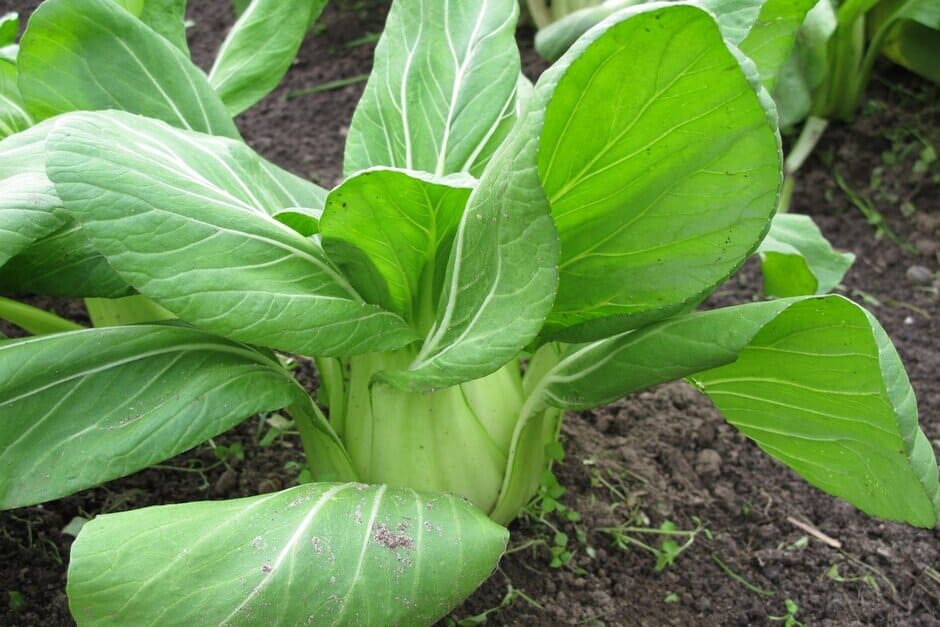
Pak choi (or bok choy) is a member of the cabbage family – mature plants form tight upright with broad white or pale green stems and large lush leaves, either green or dark purple, depending on the variety. Pak choi is quick and easy to grow as a cut-and-come-again salad in as little as four weeks, for repeated harvests of baby leaves. Purple varieties are particularly attractive. Growing semi-mature or full-sized heads takes eight to ten weeks, but plants do have a tendency to bolt (flower prematurely) in summer. Early and late sowings can help to avoid this.
Seeds germinate readily and grow quickly, so it’s worth sowing small batches regularly for continuous harvests. Pak choi likes cool, damp conditions, so grows best in spring and late summer/autumn, rather than in hot, dry midsummer conditions. Other oriental brassicas that are grown in a similar way, and make ideal neighbours on the veg plot, include Chinese cabbage, Chinese broccoli, choy sum, komatsuna, mizuna and mibuna.
Jobs to do now
Harvest
Month by Month
Sow
Plant Out
Harvest


Choosing What To Grow
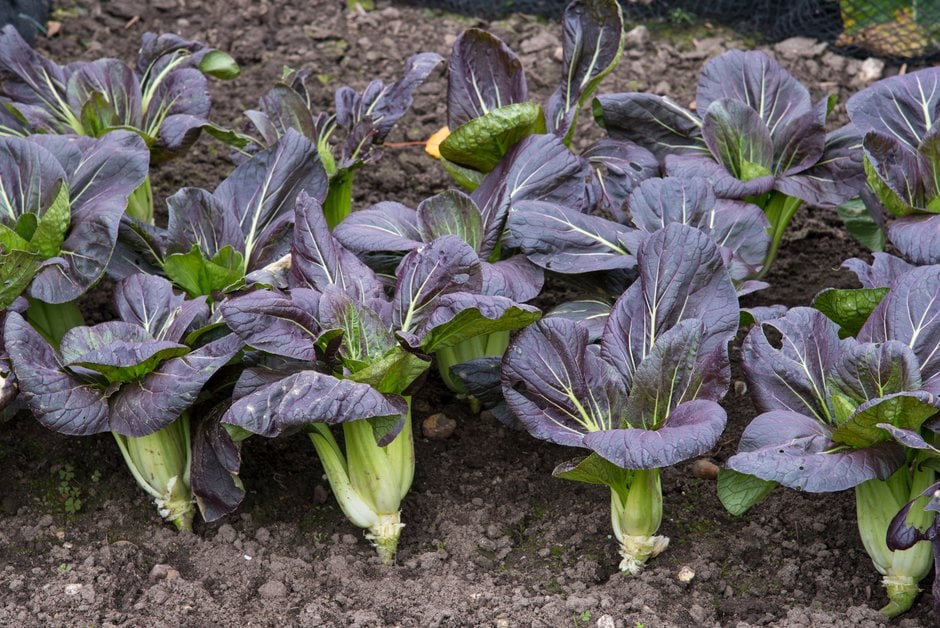
There are several varieties of pak choi available as seeds, with either bright white or pale green stems and dark green, lime-green or rich purple leaves. Some varieties are better harvested as baby salad leaves, others as full-sized , but most are dual purpose. Some make larger plants, others are more compact and ideal for small spaces and containers.
Choose bolt-resistant varieties for growing full-sized plants, especially in summer. For reliable cropping, look for varieties with an RHS Recommended: Award of Garden Merit (AGM), which shows they performed well in our trials – see our list of AGM fruit and veg (135kB pdf) and our Recommended Varieties below. For more veg-growing inspiration, visit the RHS gardens, which all grow a wide range of vegetables and salads, including oriental greens and other brassicas.
What and where to buy
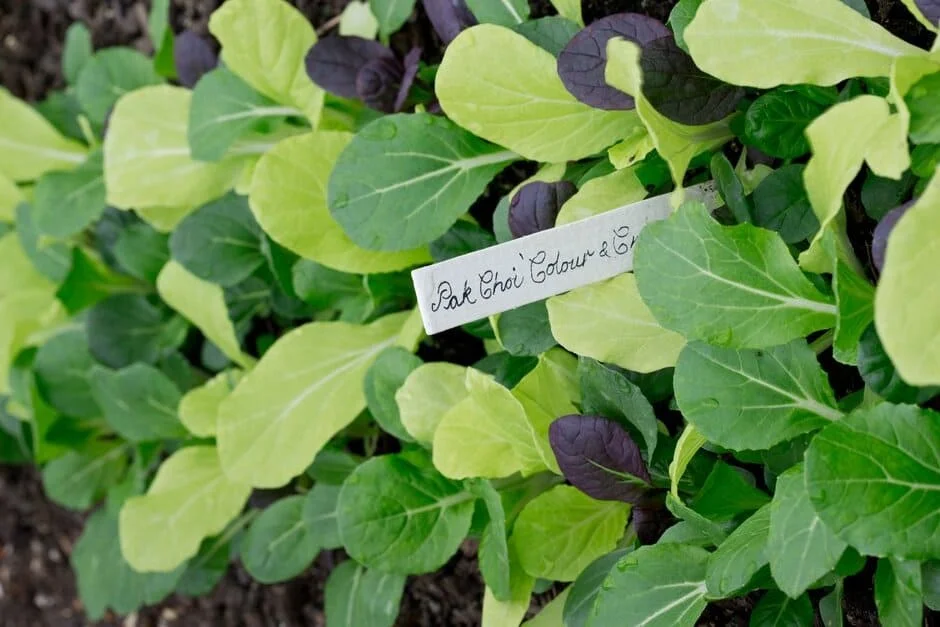
Pak choi seeds are readily available from many gardening retailers. You can buy single varieties or mixed packets of several colourful types. Pak choi is also often included in seed mixes of oriental greens or salad leaves, for harvesting when young.
may be available in spring and early summer from garden centres and online retailers, making them a convenient option if you don’t have the time or space to grow your own from seed. The choice of varieties may be quite limited though.
Recommended Varieties


Preparing The Ground
Pak choi likes fertile soil that doesn’t dry out, so dig in two bucketfuls of garden compost or well-rotted manure per square metre/yard, to help retain moisture. Weed the site thoroughly, then rake the soil surface to a fine texture, removing any large stones. Alternatively, if you're practising no-dig, the soil ahead of sowing or planting directly into the mulch.
Sowing
Pak choi is easy to sow indoors or outside, in the ground and in large containers. Seeds germinate in about a week and the should grow quickly. Sow small batches of seeds every few weeks for continuous harvests.
Pak choi is a cool-season crop, growing best in mild, damp weather in spring/early summer and late summer/autumn. Overly hot or cold temperatures and dry conditions can trigger premature flowering (bolting), especially when growing plants to full size. Use cloches or biodegradable fleece to protect seedlings in spring if temperatures drop. When growing for young salad leaves or in cooler locations, seeds can be sown in summer too.
Sowing indoors
You can sow pak choi indoors from spring onwards. You can also sow in late summer for cropping in a greenhouse through autumn. Ideally use a modular tray to avoid root disturbance when transplanting. Fill the with moist, peat-free . Sow one or two seeds per module, then thin out to the strongest seedling if necessary.
Young pak choi plants can be moved outside once temperatures have warmed up, from late spring onwards – see Planting, below. They can also be planted in a greenhouse in early autumn to provide autumn salad leaves.
Sowing outdoors
Sow outdoors from late spring onwards, once there is no risk of frost. Choose a warm, sheltered, sunny position for early and late sowings, or a cool, lightly shaded location if growing summer crops.
Sow pak choi seeds thinly, 2cm (¾in) deep, in rows at least 30cm (1ft) apart. Protect from slugs and snails, especially in damp weather, and protect early and late sowings from cold temperatures with cloches or biodegradable fleece. For more sowing tips, see our guides below.
Thinning out seedlings
To prevent overcrowding and keep plants growing strongly, gradually thin out the seedlings, using the thinnings in salads. The final spacings depend on what stage you’re going to harvest them: 8–10cm (3–4in) apart for baby leaves, 20cm (8in) apart for semi-mature plants, and 25–30cm (10–12in) apart for mature plants.
Sowing in containers
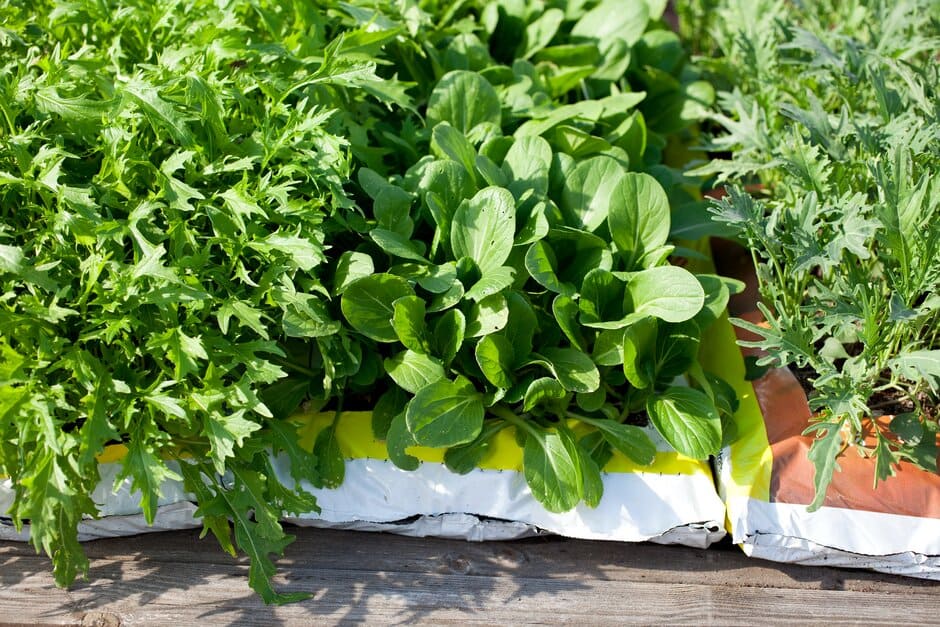
Pak choi grows well in containers and growing bags for harvesting as baby leaves. Pots should be at least 30cm (1ft) wide, as smaller containers dry out too rapidly. Use peat-free multi-purpose , and position in a warm, sheltered spot in full sun, or in light shade in warm weather. See our guides below for more sowing tips.
Planting
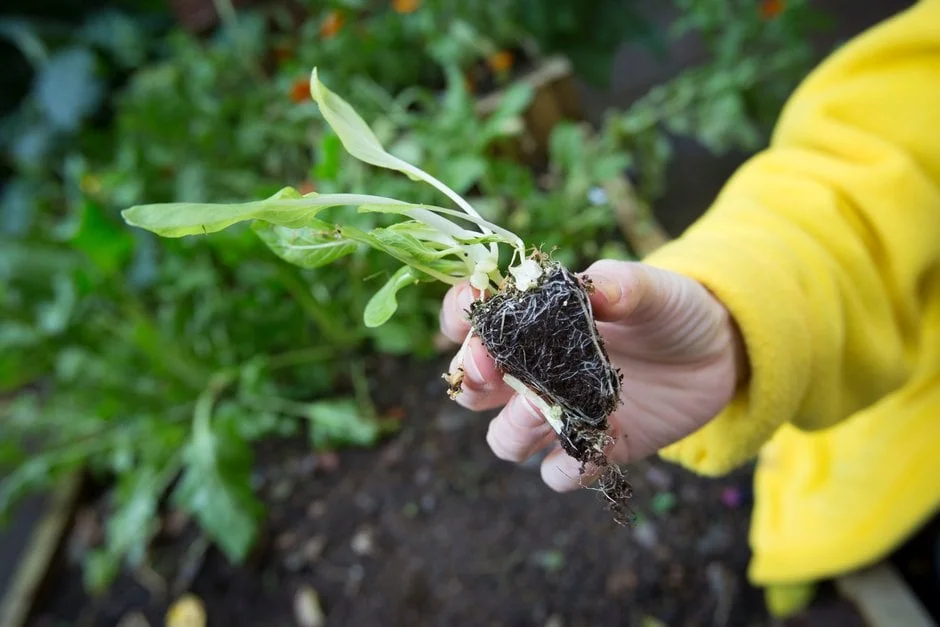
Young pak choi plants, either grown from seed indoors or bought as , can be planted outside from late spring, once they’re at least 10cm (4in) tall. Harden them off carefully first, to acclimatise them to outdoor conditions and prevent any checks to their growth.
Choose a location in sun for early and late sowings, and in light shade if growing a summer crop. Plant your pak choi into prepared soil (see above), about 8cm (3in) apart for baby leaves and up to 30cm (12in) for full-sized plants, then water in well.
If growing pak choi as baby leaves or small , you can also plant in a large (30cm/12in) pot of peat-free multi-purpose , or in a growing bag.
Plant Care
Pak choi is easy to look after, especially during the cool damp weather of spring and early autumn.
Watering
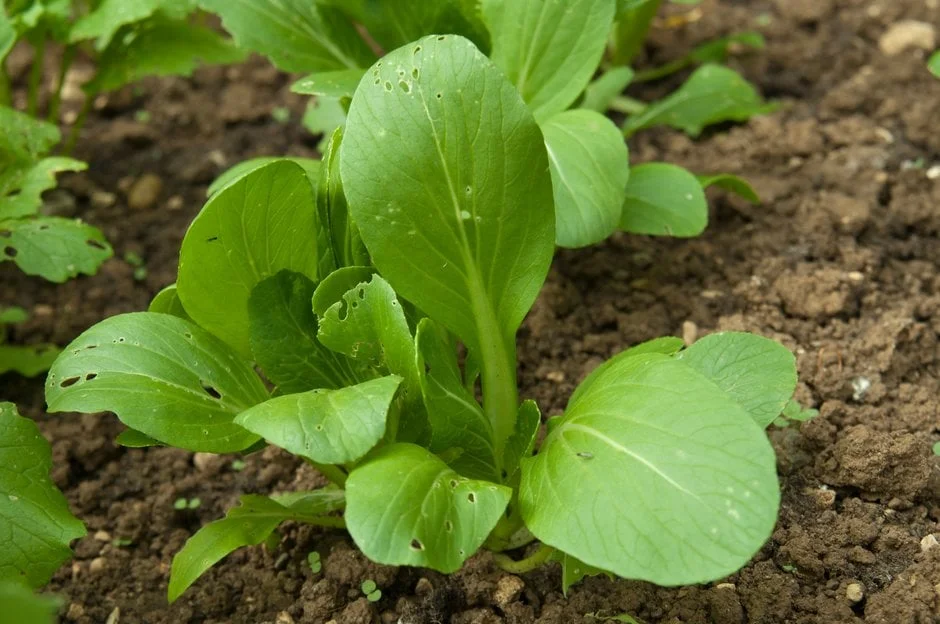
Pak choi grows best in moist soil, so you may need to water in dry weather, especially when plants are young. When growing in containers, pak choi requires regular watering, as potting dries out quickly. To reduce the need for watering, grow this crop in spring/early summer or late summer/autumn when the weather is cooler and damper.
If you do need to water, the best time to do so is in the morning, so the plants can grow steadily through the day. Avoid watering in the middle of the day in hot weather, as the moisture will evaporate quickly. Watering in the evening may not be ideal either, as damp soil overnight can attract slugs and snails. For more water-wise tips, see our guides below.
Mulching
If you plan to grow your pak choi to maturity, spread over the soil around the plants to help hold in moisture and deter weeds. Use a thick layer of organic matter, such as garden compost, and apply to damp ground. Mulching is not usually necessary nor practical for cut-and-come-again crops.
Weeding
Weed regularly, so young plants don’t get overwhelmed by vigorous weeds or have to compete for moisture or light, which can slow their growth. Weeds can also provide hiding places for slugs and snails, which may damage the crop.
Flowering
Pak choi is susceptible to bolting (flowering prematurely), especially in hot, dry weather. So, if you’ll be growing the crop in summer, choose a bolt-resistant variety and harvest as salad leaves or semi-mature heads. Also keep the soil moist and grow in a cool, lightly shaded spot.
If the plants do start to send up flower stems, remove these and add to salads or stir-fries before the buds open. Harvest the rest of the plant straight away too, as it will only deteriorate. Any other plants sown at the same time are likely to start flowering soon, so harvest them promptly.
Harvesting
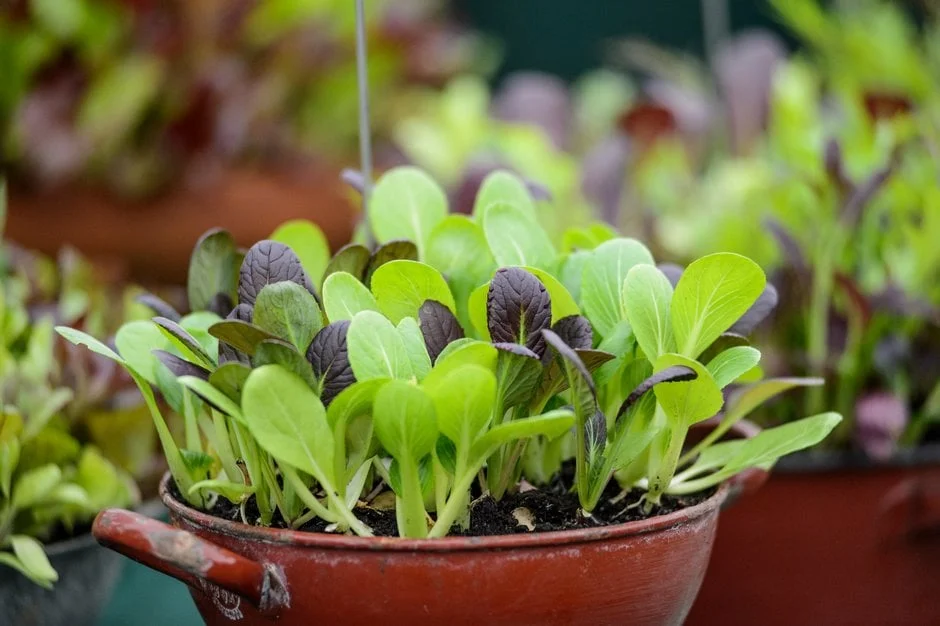
Pak choi can be picked from early summer to autumn (and possibly later under cloches or in a greenhouse), depending on sowing times and the stage of maturity:
- Baby salad leaves are ready to pick in as little as 30 days – snip off individual leaves, only taking a few from each plant along the row, as a cut-and-come-again crop. Plants will continue to produce fresh leaves for repeated pickings until they start to flower
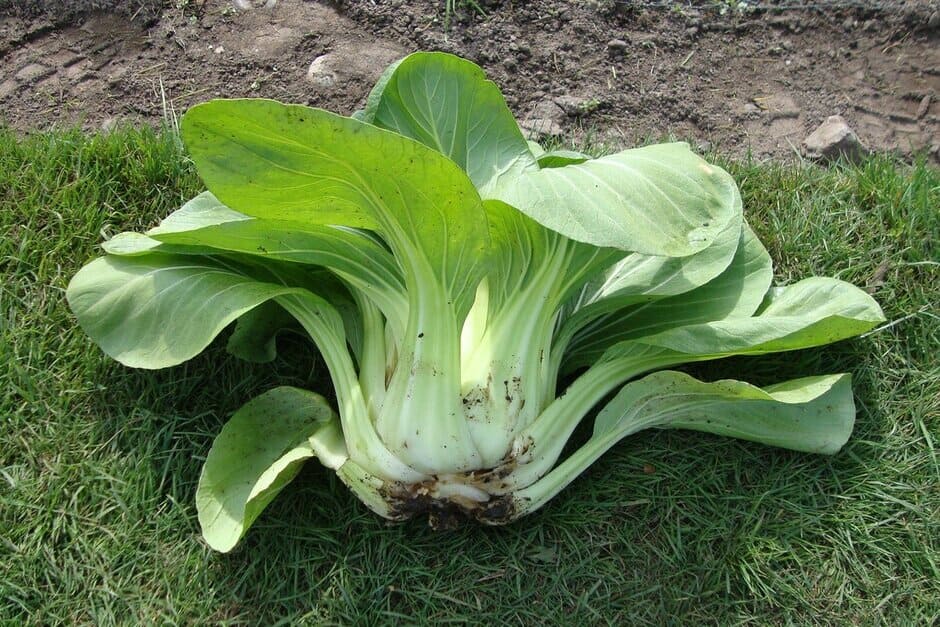
- Semi-mature or full-sized pak choi should be ready to harvest in 45–75 days, when still compact and firm. Cut through the base of the stem with a sharp knife. Cook the lightly to retain some crunchiness in the stems and the flavour in the leaves – sauté, steam or add them to stir-fries and oriental dishes
Problem Solving
Pak choi is liable to bolt (flower prematurely) in hot, dry weather, so spring and late-summer/autumn crops are usually more successful – although cold snaps can also trigger flowering. Slugs and snails like to eat pak choi’s juicy leaves, so protect plants where possible. Being a member of the cabbage family, pak choi can be damaged by various brassica-loving insects, such as cabbage root fly, but these shouldn’t be a problem when growing speedy young salad leaves. Tiny holes in the leaves are caused by flea beetles, but the damage is only cosmetic – if you want pristine leaves, cover the crop with insect proof mesh. For more tips on tackling these and other issues, see Common problems, below.
Common Problems

Bolting in vegetables
Bolting is the term applied to vegetable crops when they prematurely run to seed, usually making them unusable. A cold spell or changes in day length...

Cabbage caterpillars
Cabbages and other brassicas are a food source for the caterpillars of several species of moth and butterfly.

Flea beetles on brassicas and allied plants
Some species of flea beetle feed on the leaves of all brassicas and related plants, including rocket, radish, swede, turnip and wallflowers. The resul...


