Plants to make you feel happy
Plants can give you so much joy. Spending time in nature and caring for plants can be fulfilling for many reasons, but are some plants better at boosting our mood than others? Here are our top picks, supported by science
Many of us will have felt the uplifting effect of gardening. It’s also confirmed by extensive scientific evidence, which shows how gardening can reduce stress and anxiety, boost mood, help maintain physical health, give a sense of purpose and eventually create longer life expectancy.
“Decades of research show that time spent gardening supports both our physical and mental wellbeing,” says RHS scientist Dr Ashby Lavelle Sachs, an environmental health researcher and RHS Wellbeing Fellow. “It strengthens relationships with self, others and the natural world too. Whether transforming a hospital courtyard, greening a playground or tending an allotment, gardens provide opportunities for joy, connection and recovery.”
So, whatever green space you have access to, it’s a valuable asset to your health. But what to plant in a garden designed with wellbeing in mind? And, above all, what plants make us feel happy?

The RHS has created the Wellbeing Garden Blueprint, a science-backed guide that helps anyone wanting to create a wellbeing garden at home, in their community, organisation or school. Here are some tips from the guide:
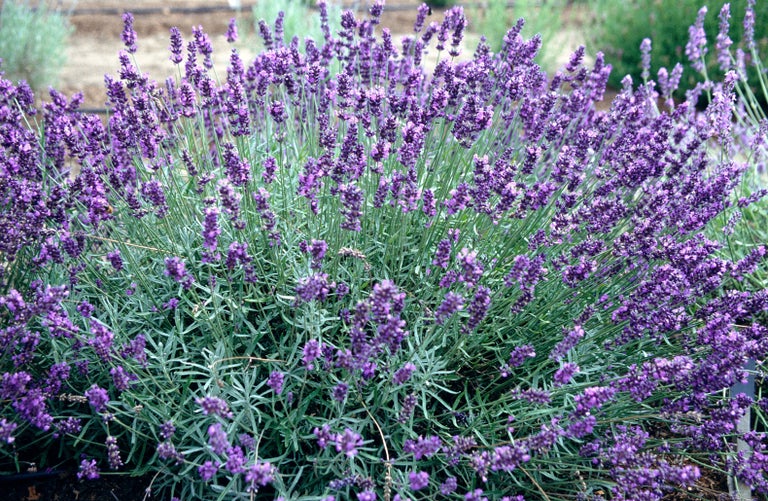
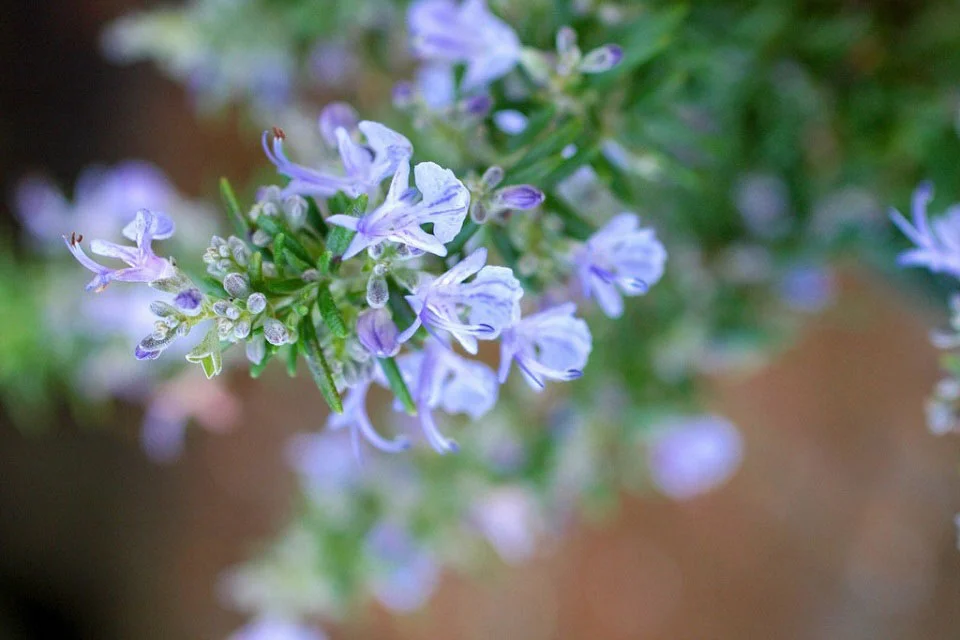
- Choose calming scents: scents including rosemary, rose, bergamot, grapefruit, lavender, cedar and cypress have been shown to reduce stress
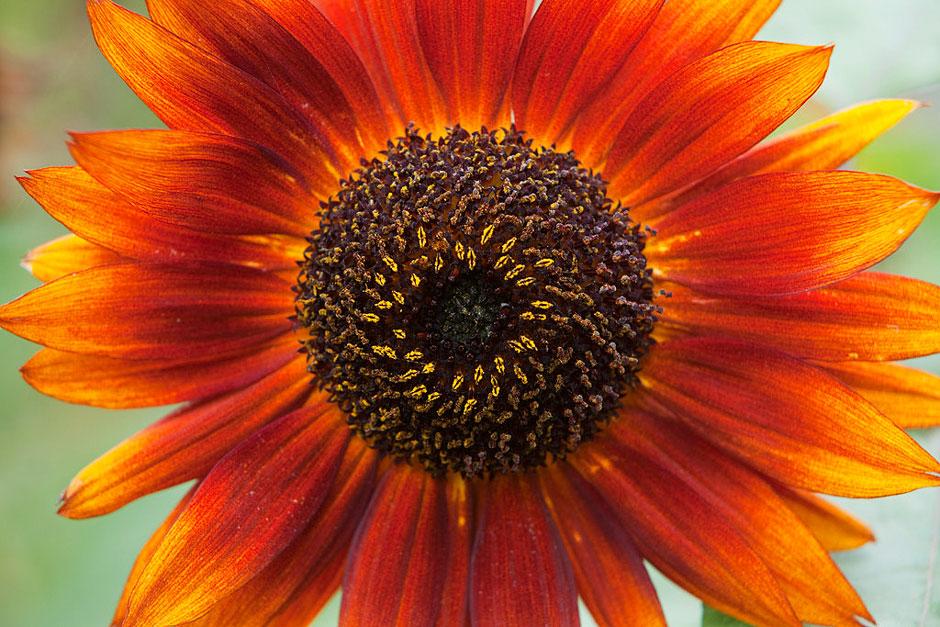
- Pick the right patterns: use seedheads, sunflowers, ferns and pinecones to bring patterns into the garden. Patterns with exact repetition (fractals) or Fibonacci-type sequences are most relaxing
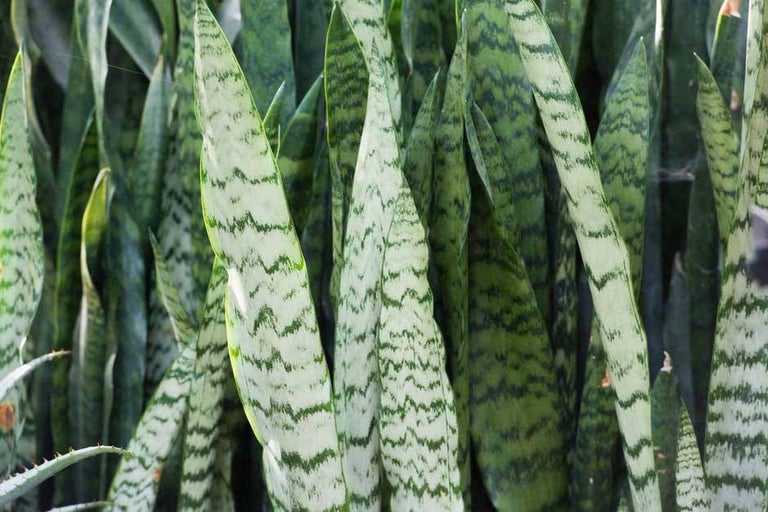
- Avoid pointed foliage: lush, green plants with dense, rounded foliage have a more positive response as opposed to narrow pointed leaves in a sparse canopy
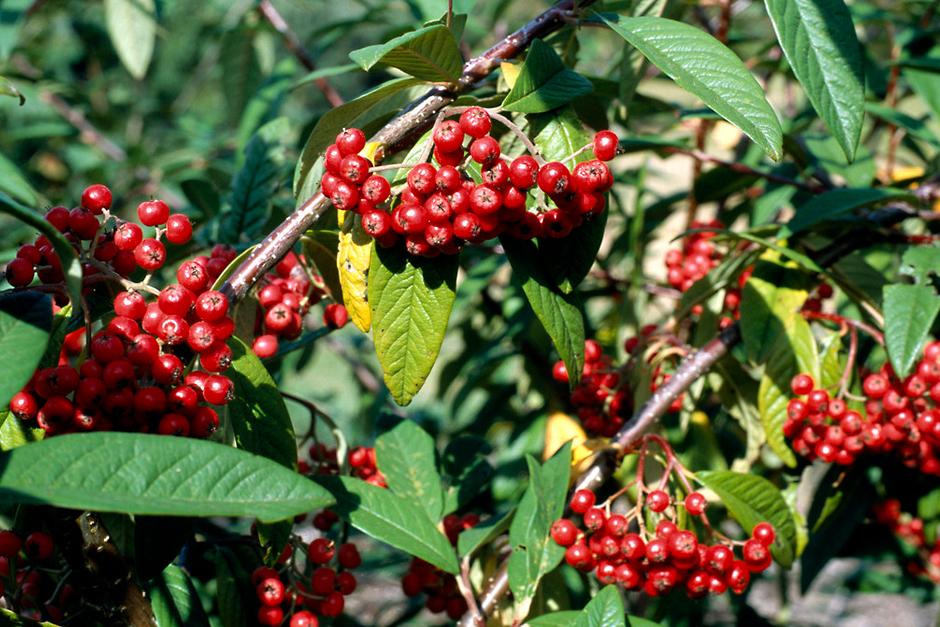
- Feed the birds: grow plants birds can feed off, like Cotoneaster or Pyracantha. Blackbirds, dunnocks and greenfinches have the most restorative bird songs
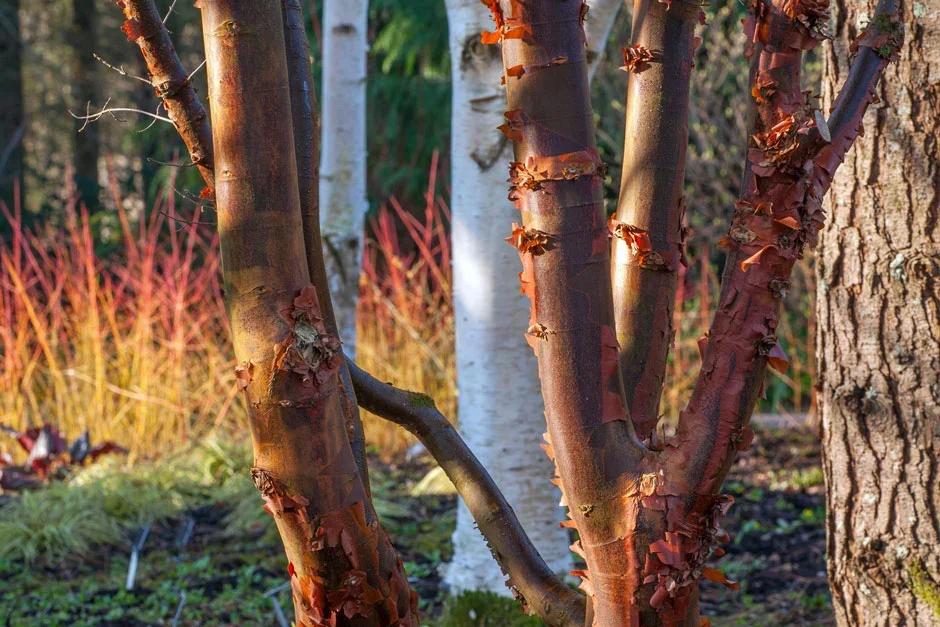
- Maintain seasonal variety: include evergreens, winter-flowering plants, berries, textured and colourful stems to ensure continued colour, structure, fragrance and ecological value throughout the year
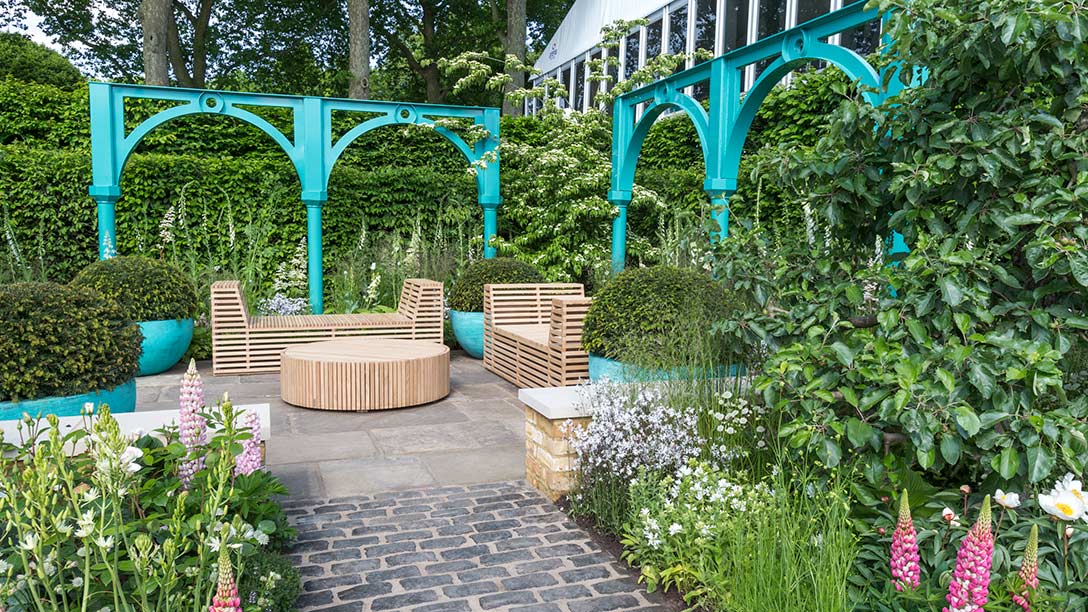
- Organise your space: trees, shrubs, climbers, grasses and hedging help define areas that balance openness with privacy and safety, including areas for gathering and quiet corners for observation and reflection.
An RHS study has also found out that saturated yellows, oranges and reds evoke emotions such as joy, excitement and vitality, while cooler colours like blue and indigo promote calmness and relaxation.
Planting ideas and inspiration:
- Sustainable planting combinations - Pre-made planting plans from RHS horticulturists that are designed to look great and maximise environmental benefits with minimal external inputs
- Right plants for right places - Choosing the right plant for the right place ensures that what you grow won’t just survive, but thrive
- Award-winning plants - RHS horticulturists spend years trialling plants to identify the best ones for homes and gardens, with exceptional performers receiving the RHS Recommended: Award of Garden Merit
- Plants for pollinators - RHS scientists have pinpointed over 10,000 plants to benefit pollinators, from bees and butterflies to moths and hoverflies
- Grow your own - Growing your own food has so many benefits, from saving money and knowing where your food comes from to providing healthy and tasty meals. Get seasonal growing tips, crop planning and productive gardening guidance from RHS edibles expert Liz Mooney as she tends her allotment
- Houseplants for wellbeing - As well as looking good, houseplants support human health in homes, offices, school and hospitals