Appearance
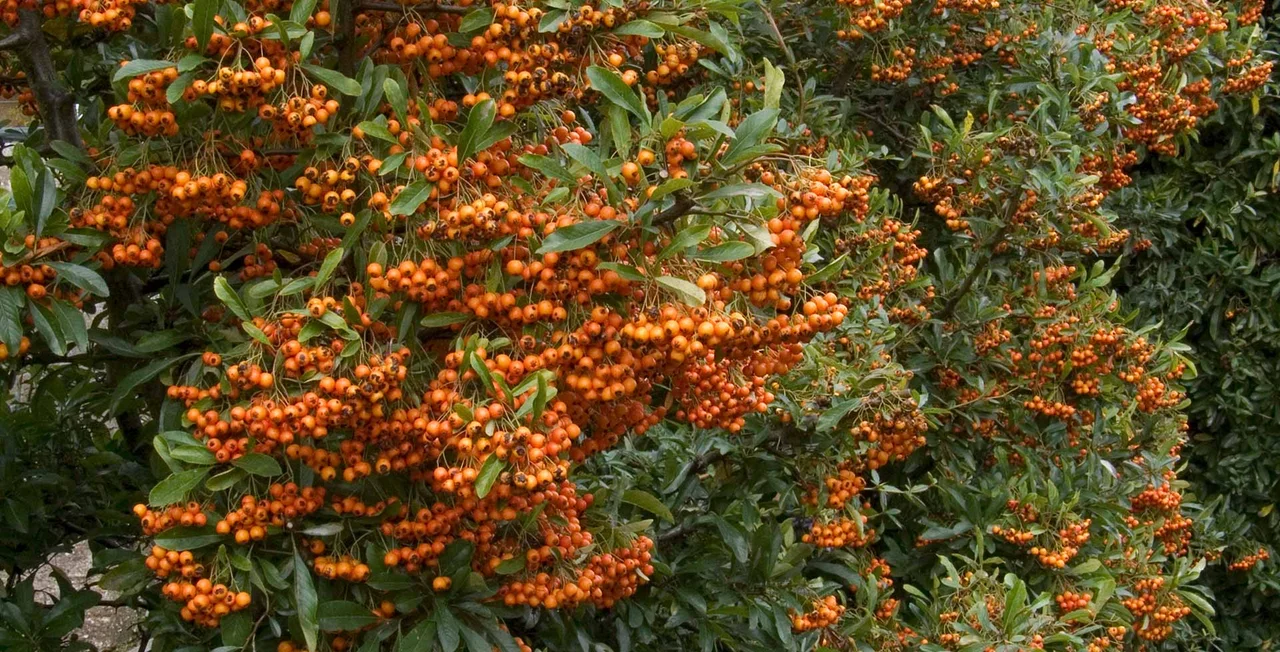
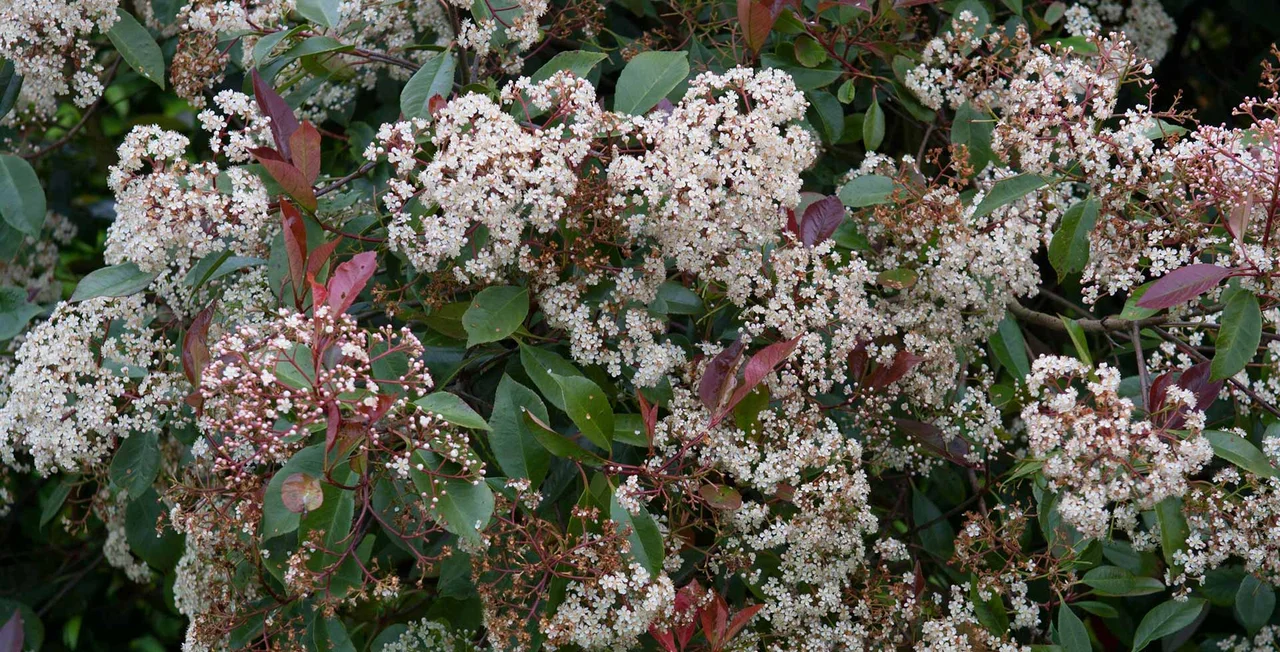
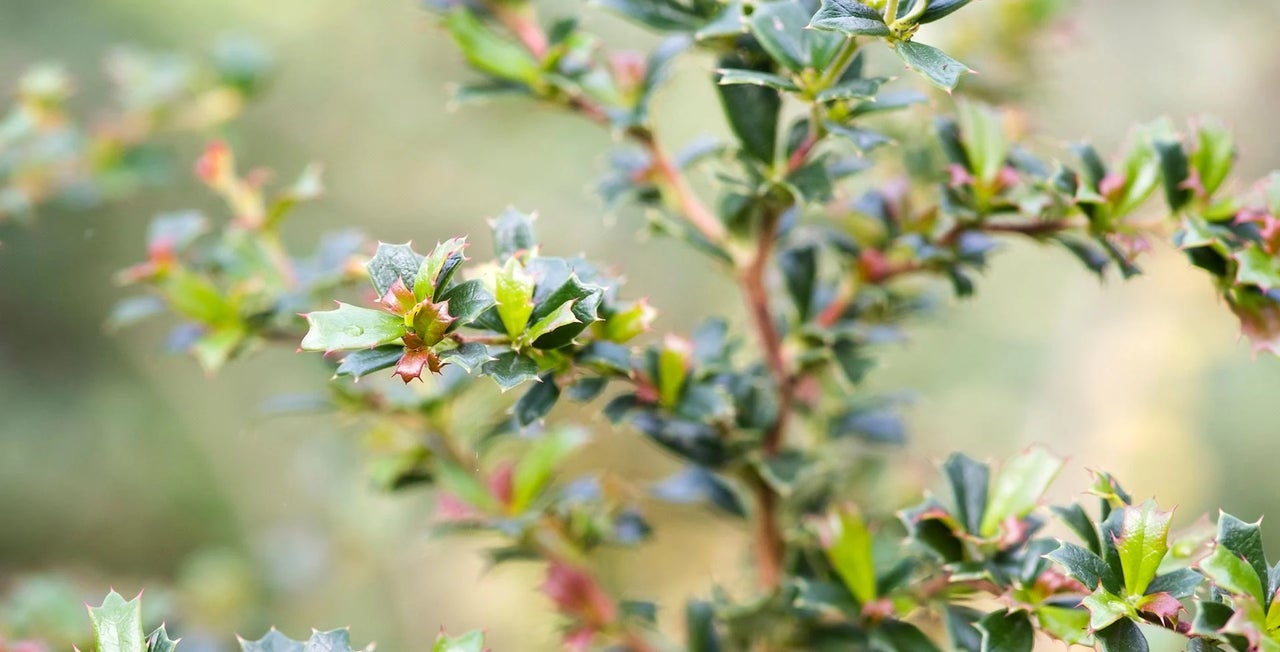
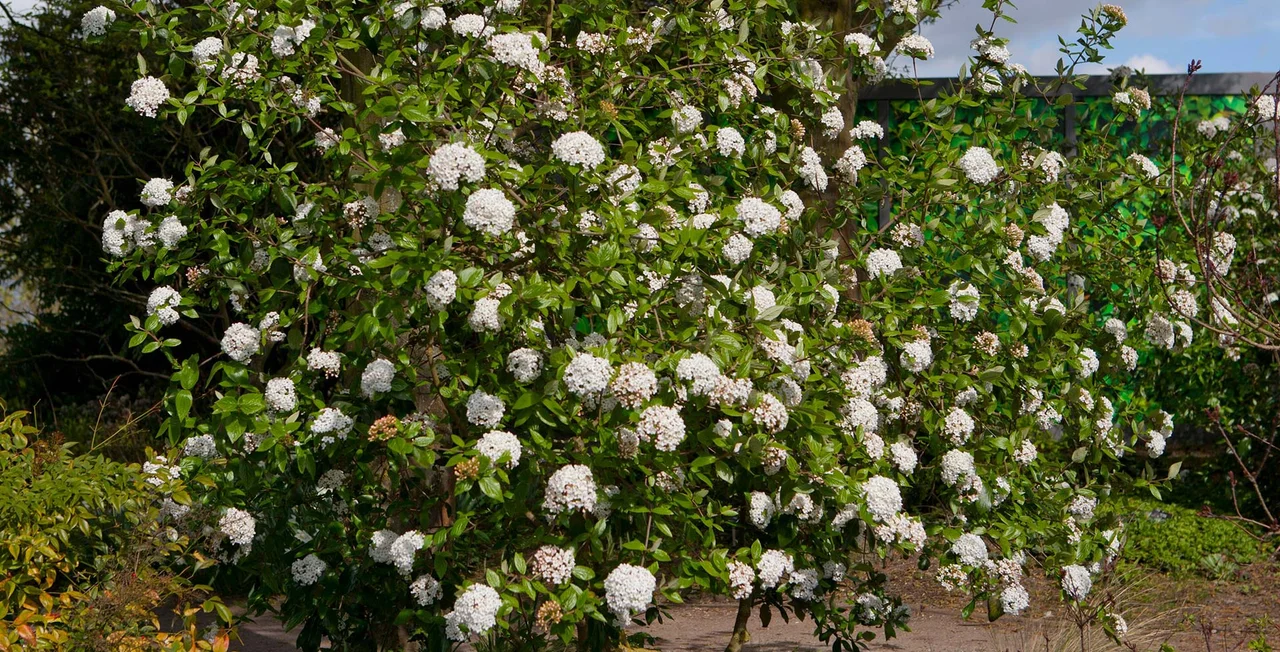
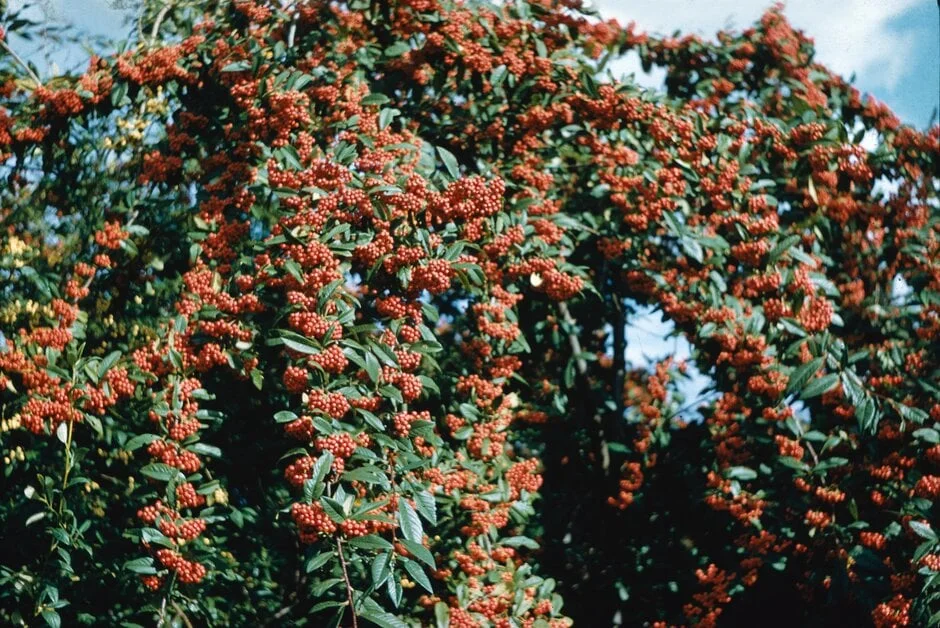
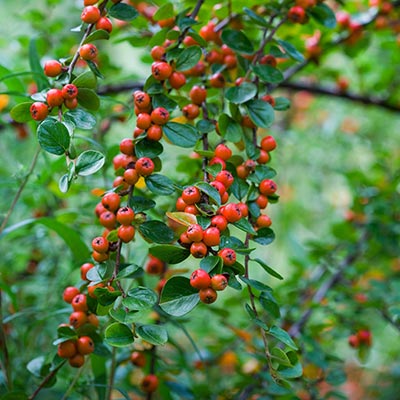
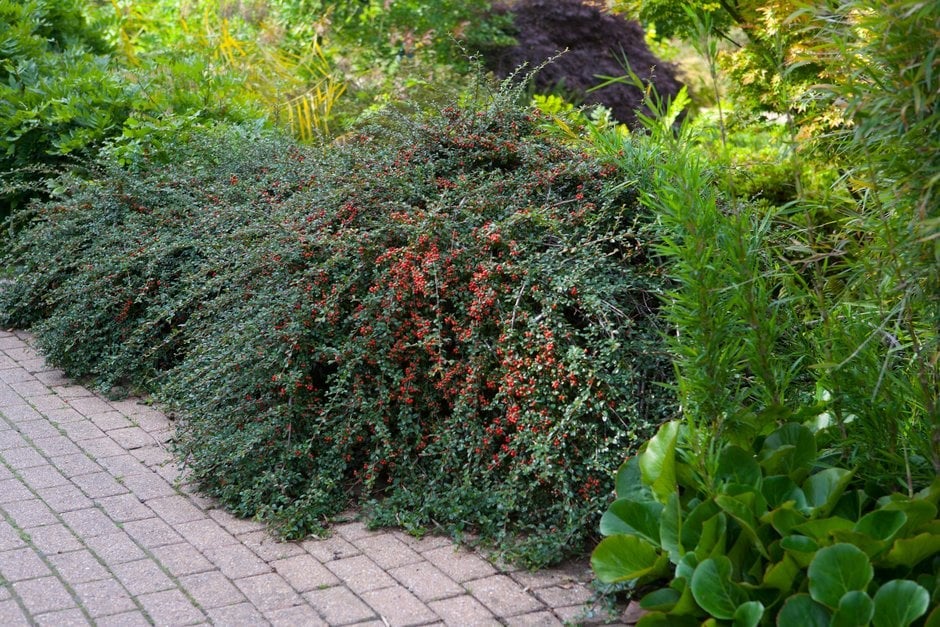
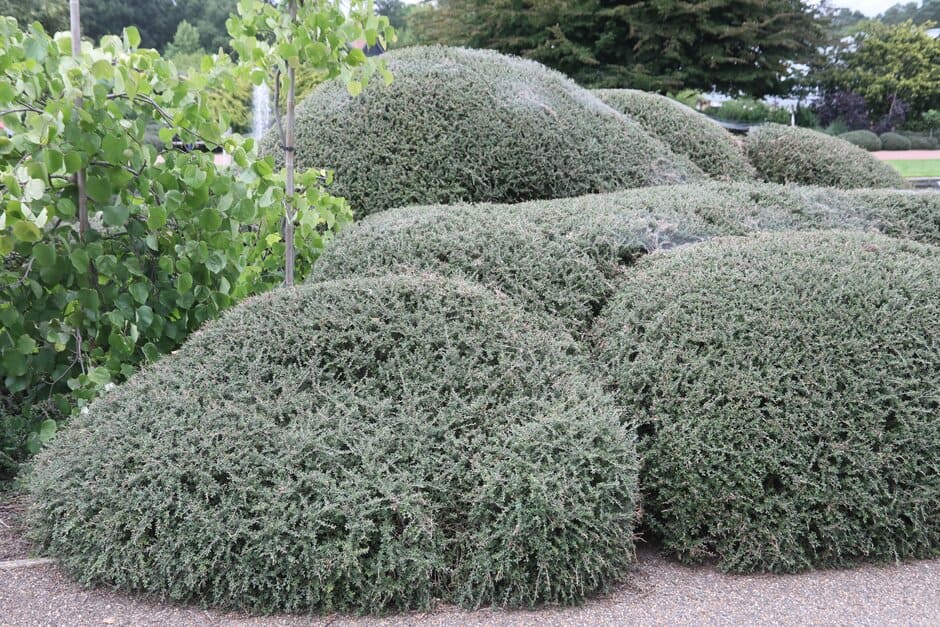
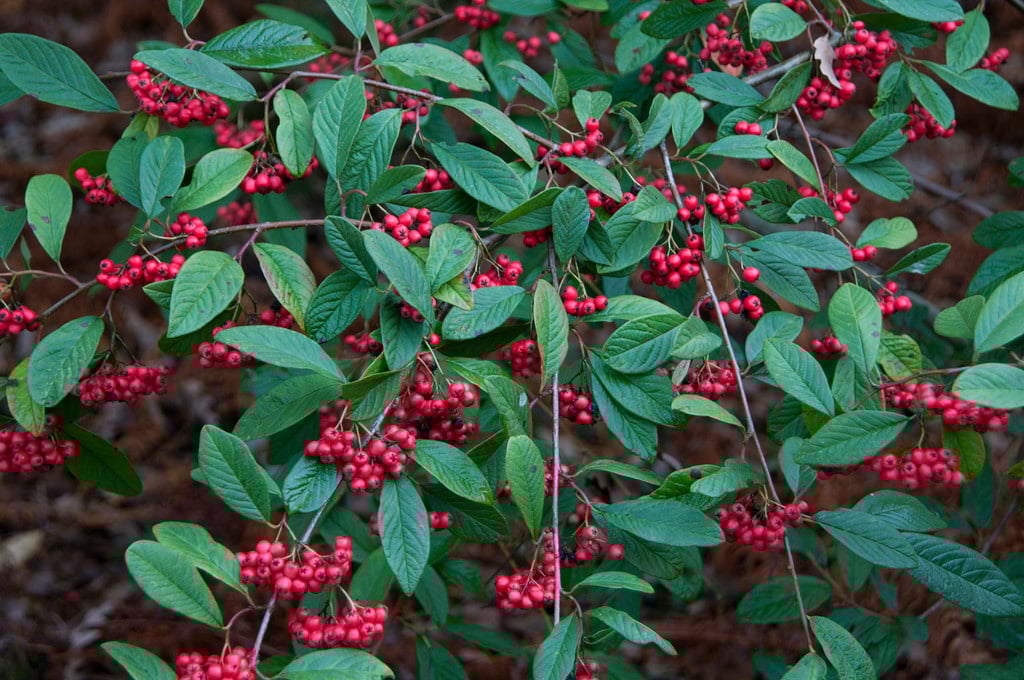
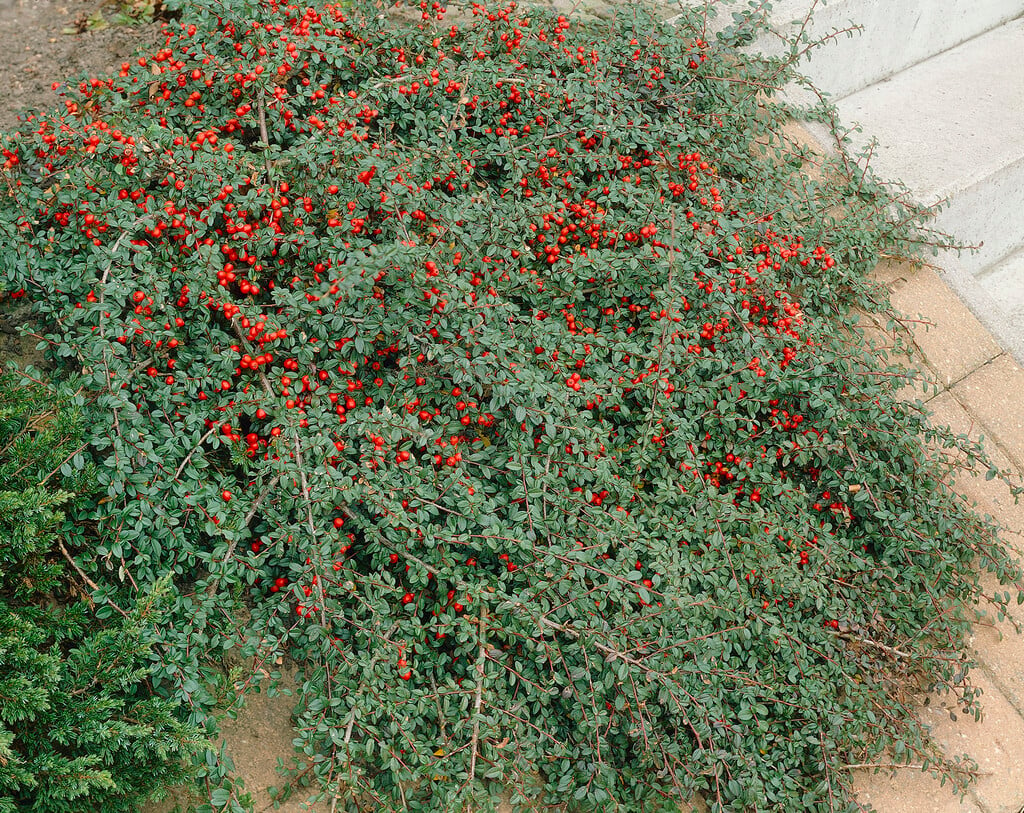
In spring and early summer, small pink-white flowers cover the branches. These are followed by clusters of red-orange or yellow berries in autumn/winter. Plants are mainly evergreen, with some deciduous cultivars that blaze with fiery autumn colour.
Preferences
They flower and fruit best in full-sun, but will tolerate part shade. Plants will also grow in drier soils, once established.
Dislikes
They may struggle to establish in sites where exposed to very cold weather and drying winds.
Did you know?
Cotoneaster are a valuable source of nectar for pollinating insects. The berries are also highly attractive to blackbirds and other members of the thrush family.
RHS Growing Guide

FREE
Read our comprehensive free RHS Growing Guide:
How to grow cotoneasters

Introducing Cotoneaster
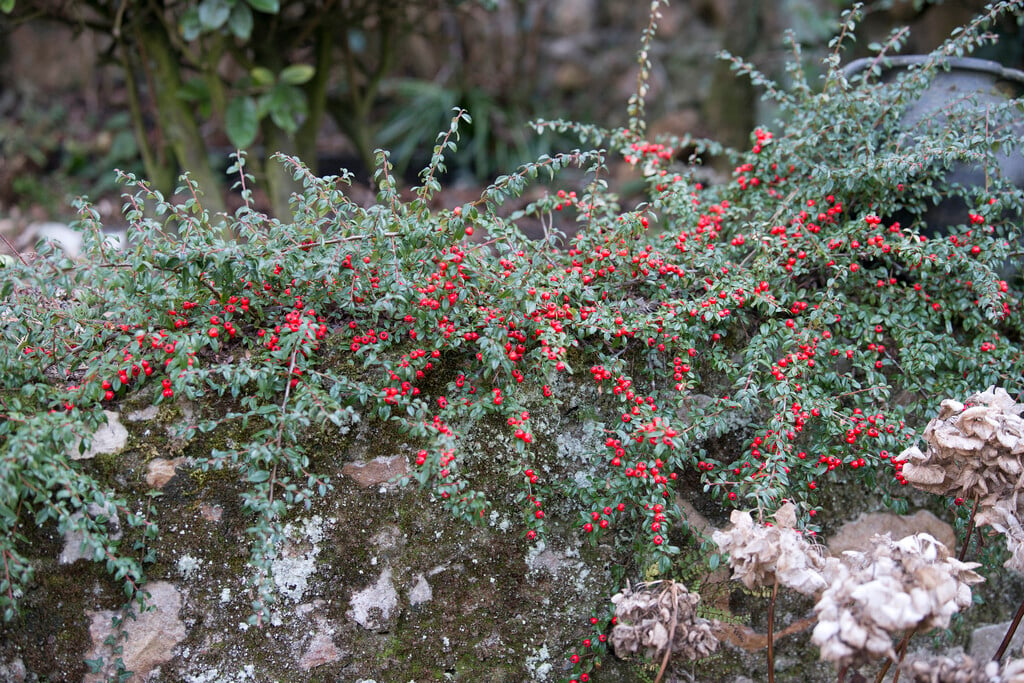
Cotoneaster × suecicus 'Coral Beauty'
cotoneaster 'Coral Beauty'
- Height
- 0.5–1 metres
- Width
- 1.5–2.5 metres
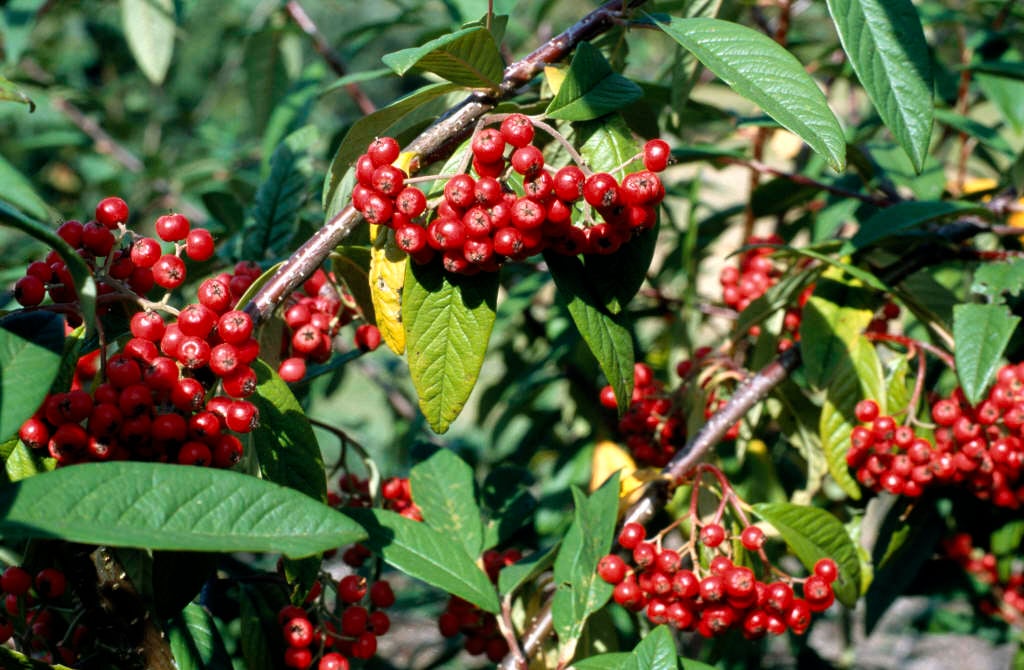
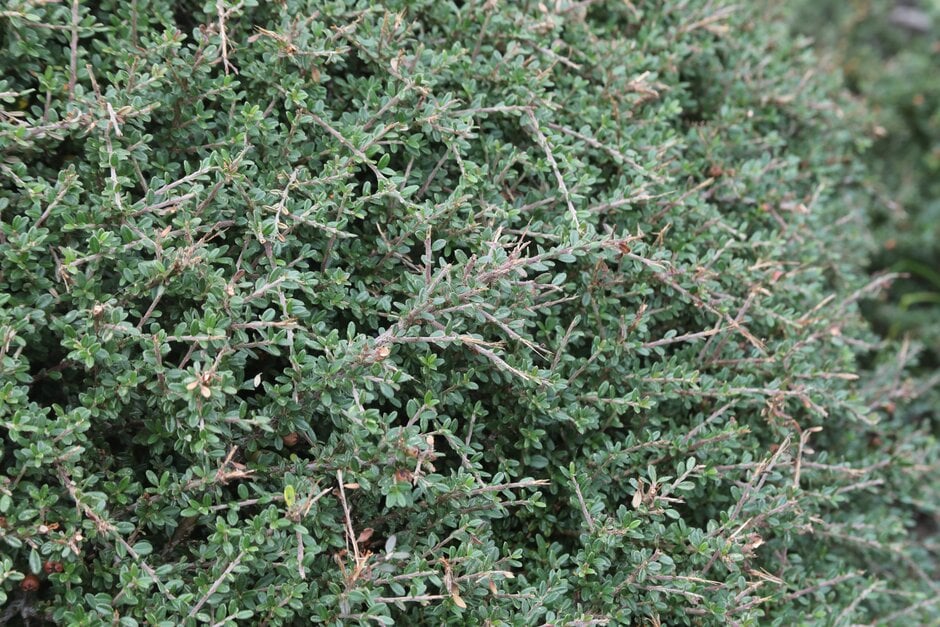
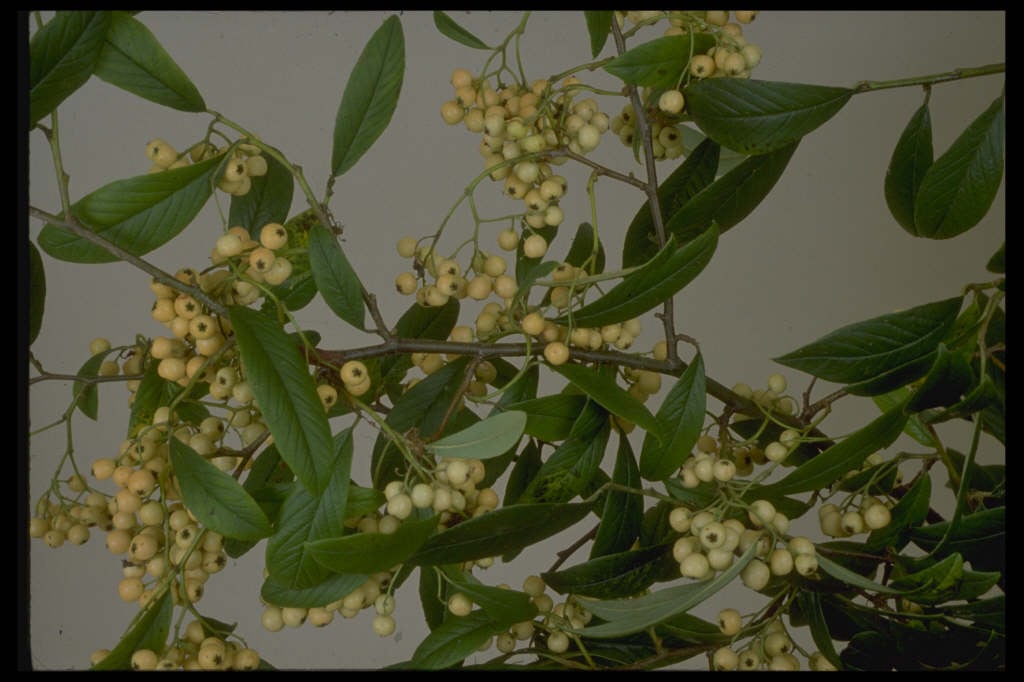

Cotoneaster procumbens 'Queen of Carpets'
creeping cotoneaster 'Queen of Carpets'
- Height
- 0.1–0.5 metres
- Width
- 1.5–2.5 metres
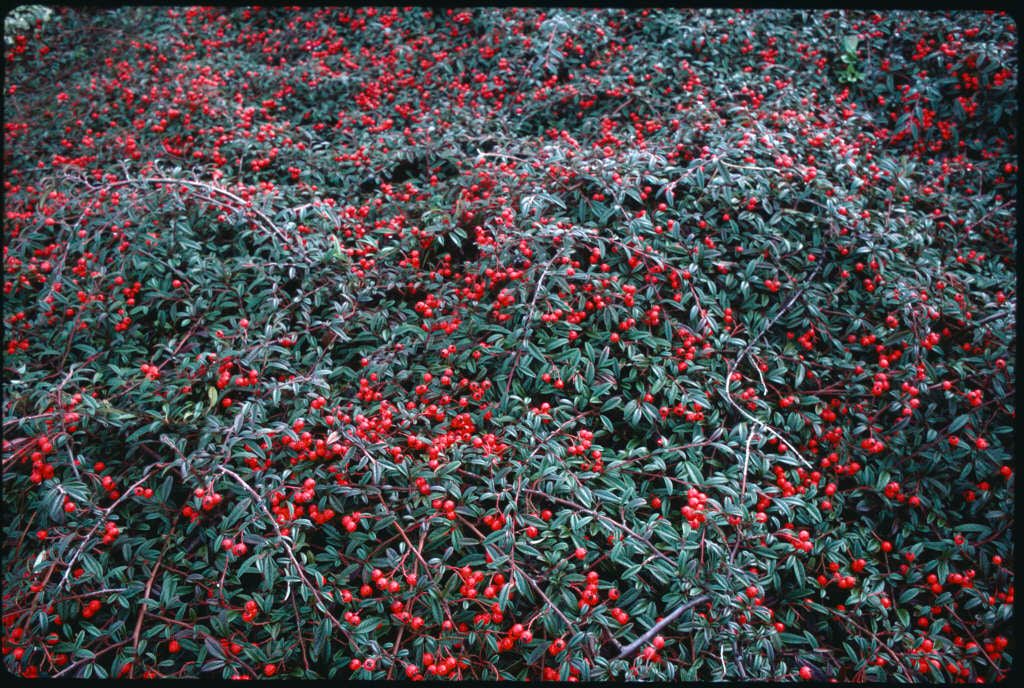
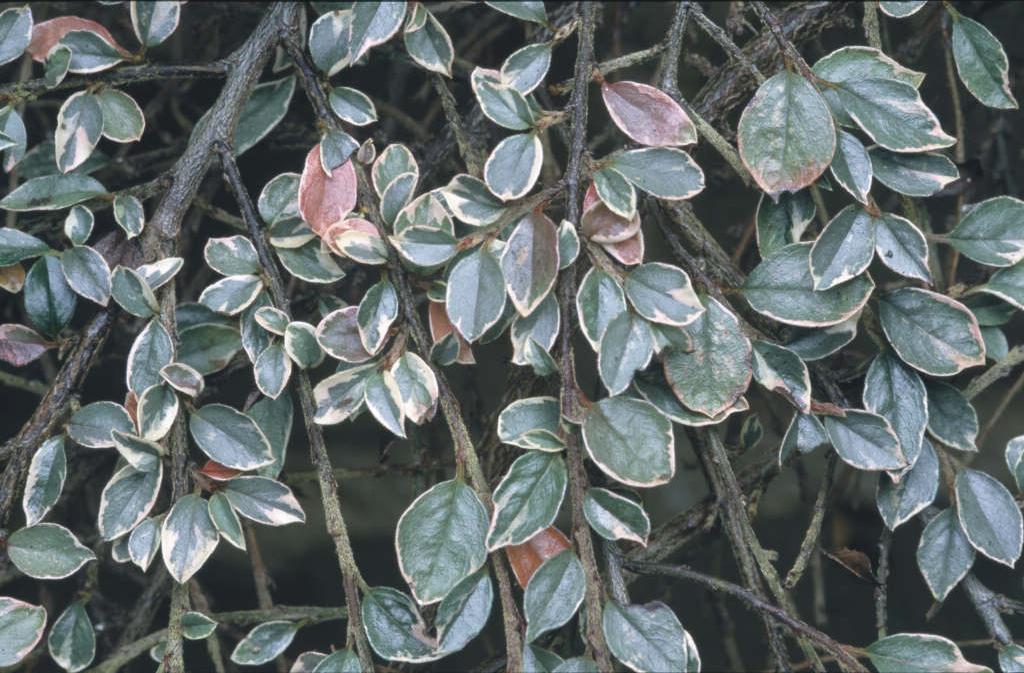
Cotoneaster atropurpureus 'Variegatus' (v)
variegated purple-flowered cotoneaster
- Height
- 0.1–0.5 metres
- Width
- 0.5–1 metres
x of x
Showing
x to x
of x