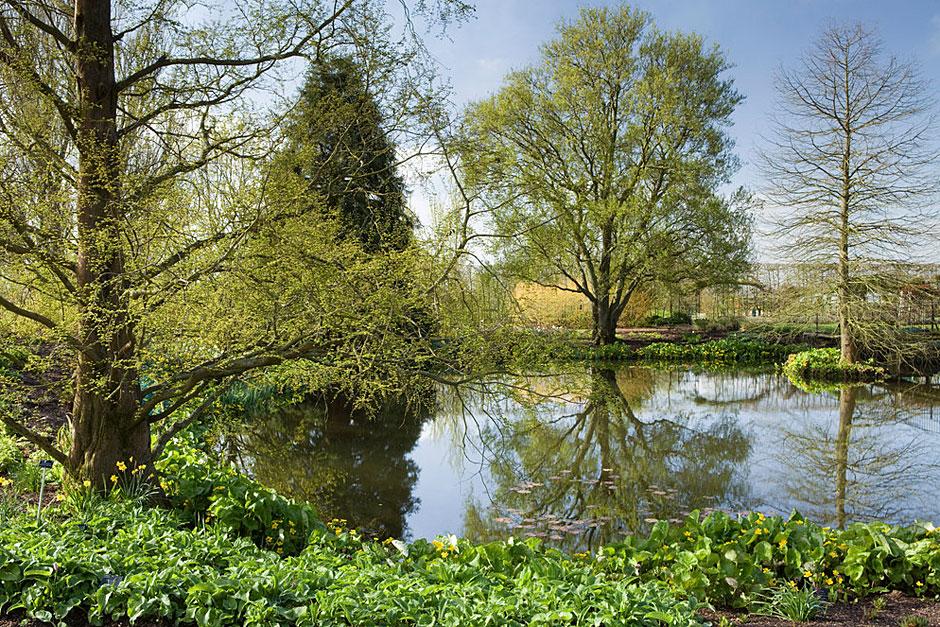
 Frogs, toads and newts begin to spawn as the weather improves. Don’t move spawn from other ponds to your pond as this can inadvertently spread amphibian diseases or invasive pond weeds.
Remove netting placed over the pond to stop leaves falling in. Stow the netting safely away in a shed or garage rather than leaving it at the edge of the pond, where it could pose a danger to hedgehogs and other wildlife.
Begin dividing overcrowded marginal and bog plants. Contain vigorous perennials by wrapping the rootball in hessian.
Cut back old marginal vegetation from around the pond. Sift through to look for larger animals and then leave the material at the side of the pond for 48 hours to allow any smaller creatures to escape back into the pond. Then add to your compost heap.
Trim off last year’s stems from bog garden plants and mulch the soil with homemade compost, leaf mould or composted bark.
If you have an ornamental pond with goldfish or koi, start feeding them. Little and often is best, to prevent excess food leading to algal blooms.
Remove pool heaters when the weather starts to warm. Clean out pond filters. Check pumps and water features are in working order.
Troubleshooting
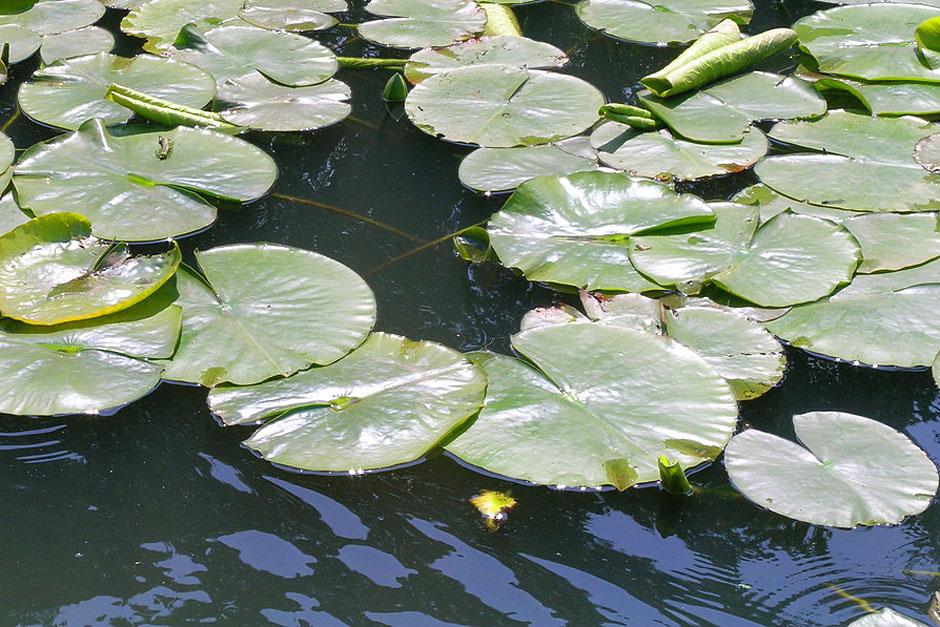 New or recently cleaned ponds can become overgrown with algae. Providing some shade using plants with floating leaves such as waterlilies, pictured, can help reduce this problem.
Other helpful measures include filling the pond with rainwater rather than tap water, avoiding getting soil or compost in the pond (as these contain fertilisers that encourage algae), and removing any plant debris from the water promptly.
Floating barley straw pads in the water can also help reduce algae, though these are generally less effective than providing shade and using only rainwater. If you do use them, they’re best added to the pond early in the season to allow sufficient time for them to take effect, and replaced every 3-4 months.