Planet-friendly gardening
10 things all gardeners can do now

Why biosecurity matters to us all, and how we can help keep new pests and diseases out
Assessment, management and control of biosecurity risks in our Gardens, retail centres and at our Shows and events; sharing our plant health knowledge with the wider gardening community to help protect the environment.
The RHS has committed to being Neutral by 2025 as part of our Sustainability Strategy. Sara Redstone, Biosecurity Lead in the RHS Plant Health team, explains what this means and how gardeners can help keep our plants safe.
Global travel and trade has more than tripled in the last decade, leading to increased movement of organisms from their habitats to new regions across the world. Imported plants and plant products, including wood, wood packaging and dunnage (loose wood or matting used to keep a cargo in position in a ship’s hold), are major pathways for the spread of harmful organisms. New threats to the health of plants and the environment are constantly emerging.
The word ‘biosecurity’ means policies, processes and practical measures used to prevent the introduction and spread of harmful organisms, such as those that cause plant diseases (e.g. fungi, bacteria, viruses, aphids, mites, plant parasitic nematodes) and plants. These actions aren’t just something for government and professionals to engage in. We all have a part to play in keeping our plants, gardens and landscapes healthy and protecting wildlife, businesses and livelihoods too.
Going ‘Biosecurity Neutral’ is about minimising the risk of introducing and spreading unwanted pests, diseases and other invasive species to the UK, in order to protect our gardens and green spaces. As the UK’s gardening charity, the RHS is committed to greening Great Britain and helping gardeners adapt to a changing climate, so we look for ways to identify, mitigate and manage the risks, where appropriate, not just avoid them.
This commitment to go ‘Biosecurity Neutral’ builds on the RHS’ six plant health principles, published in 2017, which placed an emphasis on assessing plant health risks associated with our activities in advance and taking measures to mitigate them; balancing risk with horticultural benefits; and prioritising research, knowledge exchange and development of plant health skills.
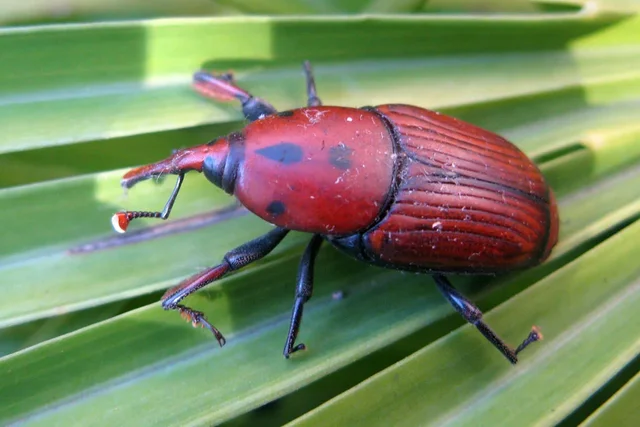
Maintaining healthy plants and gardens ensures that their climate, and human health benefits are maximised. There are now more than 1,400 pests and diseases on the UK Plant Health Risk Register. The rate of introduction of new plant health threats is increasing every year, so increased awareness and vigilance is vital to protect plant life and all that depends on it. Some introduced plant pest and diseases, for example ash dieback, sudden oak death, box tree moth, horse chestnut leaf miner and oak processionary moth, have spread widely in the UK and are causing significant changes to our landscapes and horticultural practices. In addition to their impact on livelihoods and landscapes, the control and management of new damaging pests and diseases and other organisms can be significant.
For example, the total economic cost of ash dieback in Britain is estimated to be around £15 billion. An outbreak of Colorado Beetle in Kent, discovered in 2023 and currently under eradication, poses a significant threat to potato crops and to the UK potato industry, which is worth £1 billion per year.
An outbreak of Asian longhorn beetle in 2012 was successfully eradicated over a period of several years, at a cost of £1.9 million, with the loss of 2,229 trees. The management of invasive species costs the UK economy at least £2.2 billion every year, but often has wider impacts, too.
The RHS is on a mission. We want to empower the nation’s 30 million gardeners to green Great Britain and make it a better, healthier and happier place to live. To do this, to meet the UK’s commitment to increase woodland cover, and to achieve so many other targets safely, we all need to practice better biosecurity.
By changing the way we source, move and use plants and plant products, together we can make a massive difference and reduce the risks of introducing or spreading destructive plant pests. Plant health problems pose a potential threat not only to our gardens and parks, but also to food security and vital ecosystem services. If we all play our part to improve biosecurity, we can help to reduce threats like these. This means understanding and implementing good biosecurity practices and helping to monitor and report any suspected damaging plant pests, diseases and invasive species.
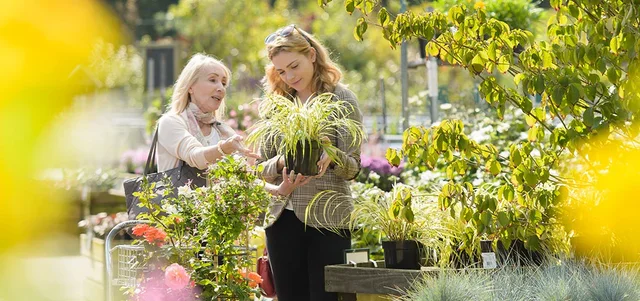
1. Source UK-grown plants: always use reputable suppliers. Plant health problems are most commonly introduced on new plants, plant parts and associated growing media (e.g. compost).
2. Don’t risk it: don’t bring plants, seeds, flowers, fruits or vegetables home from abroad, or order from overseas online sources, as they can harbour harmful plant pests and diseases or invasive species. Where possible, buy plants, seeds and plant products grown in the UK.
3. Be on the lookout: check plants, bulbs, tubers and corms for any signs of pests or diseases, ideally before purchase. If possible, grow them separately for several weeks to ensure they are problem-free before they come into your home or garden. If you spot unusual symptoms, contact the supplier or RHS Gardening Advice.
4. Promote plant health: choose the right plant for the right place and give them the right care for their needs. Plants that are healthy and thriving are more resilient to plant health problems, reducing their impact.
5. Keep it clean: cleaning garden tools, greenhouses and water butts reduces the likelihood of providing a refuge for plant health problems. If you like to visit gardens, parks and woodlands too, please clean your shoes before and after you go. Garden waste affected by plant health issues should be disposed of carefully, in most cases via council green waste schemes.
6. Monitor plants in your garden and home: checking plants regularly means plant health issues can be addressed before they cause too many problems. Report unusual symptoms to UK Plant Health Services or talk to RHS Gardening Advice.
7. Encourage biodiversity in the garden: this will promote a wider variety of beneficial organisms such as insects, fungi and bacteria, which will help you by reducing populations of less wanted visitors. Tolerate some damage and avoid any use of pesticides, which are usually indiscriminate and kill beneficial organisms too.
Target 1: Climate positive by 2030
Target 2: Biodiversity positive by 2025
Target 3: Biosecurity neutral by 2025
Target 4: Water neutral by 2030
Target 5: Circular plastic by 2030
Target 6: Zero waste to landfill by 2030
Target 1: Enable more people to enjoy the benefits of gardening
Target 2: Design a new evidence-based blueprint for wellbeing gardens by 2025
Target 3: Develop and embed sustainable horticulture within education, research and training