A sea of greens, mosses rolling over ancient boulders, stone bridges and tranquil tea houses transport us to Japan and a culture filled with beauty and meaning. Discover Japanese-style gardens and how to recreate them at home
Natalie Ashbee
Shows Editor
5-minute read
If you crave a garden that brings a sense of peace and calm, with intricate details, shapely plants and soothing water features, seeking inspiration in Japanese gardens could be just what you need to transform your dull space into a world of wonder.
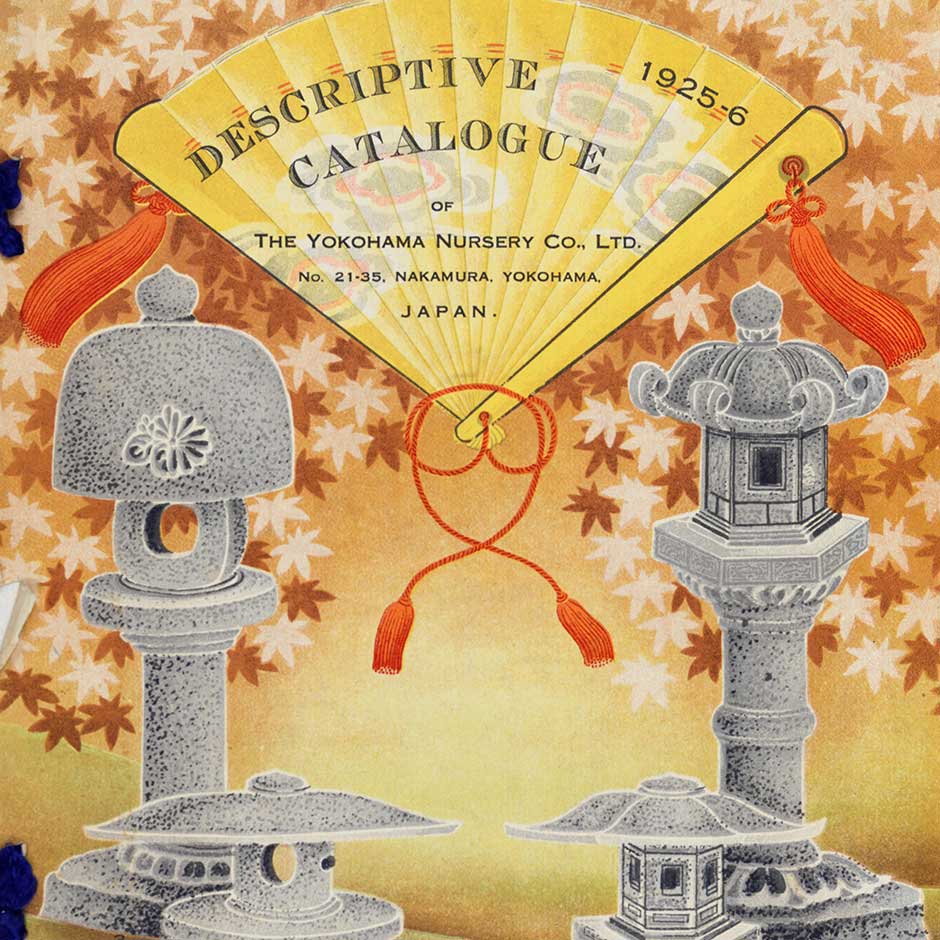
Britain’s love affair with Japanese gardening styles began in the late 19th Century, when British gardeners were moving away from highly formal gardening styles and seeking new sources of inspiration. After Japan opened its borders for trade in the 1850s, after centuries of isolationism, many people in Britain were exposed to Japanese culture for the first time. The 1910 Japan-British Exhibition in London caused quite a stir amongst wealthy gardeners. Visitors encountered plants and features they had not seen before, including tea houses, stone lanterns, and the art of bonsai (which originated in China).
This style of garden has been loved by British gardeners for decades and is celebrated every year at the RHS Flower Shows when we see garden designers such as Kazuyuki Ishihara bring a perfectly proportioned slice of Japan to our shores.
"Japanese gardens are a wonderful blend of art and nature, creating tranquil, symbolic spaces. They’re a joy to design and build, but do need careful upkeep – neatness is key to their beauty."
Create a balance using all, or some, of these essential ingredients:
naturalistic elements mimicking landscapes, with carefully positioned rocks and boulders
water features, including ponds, waterfalls, bowls and streams
organic shapes, flowing lines
minimalistic design, focusing on a few key elements
paths and bridges that take you on a journey
stone lanterns and basins
tea houses
gravel raked into patterns for meditation
restrained but beautiful planting
In Japan, traditional gardens are expressions of religious and philosophical thought, with each element carefully chosen and rich with meaning. Understanding this complexity is key as you choose which elements to emulate in your own space. Below are a few possible elements you might like to consider, but there are many more besides as Japanese gardens are wonderfully varied. You don’t need to include them all. Pick the ones that suit the size of your garden and your budget. You could even create this look on a balcony using the same design ideas.
Naturalistic elements
Rocks symbolise islands and the raked gravel, the sea at RHS Partner Garden Attadale Gardens, Wester Ross
Use interesting rocks to represent mountains, sitting these into either groundcover planting or gravel to make it feel natural. Try and keep the plants in proportion to the size of your stones to give an authentic look. Moss and lichens add to the feel of an ancient landscape and anchor the stones in the space. This is designed to create a miniature, idealised version of nature.
Water features
Water features heavily in the designs by Ishihara Kazuyuki, seen here at RHS Chelsea Flower Show 2015
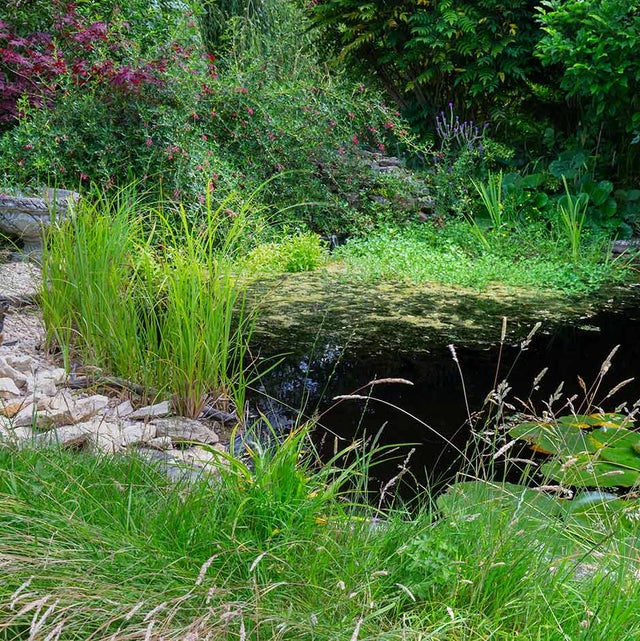
Water is a key element in Japanese style and can be as simple as a water bowl (also providing for wildlife). Larger features such as a waterfall take time and effort to create and if you are unsure, consult a water garden expert. Many traditional Japanese gardens also use rocks, stones and pebbles to create ‘dry’ waterfalls or streams without any water.
Organic shapes in a Show garden designed by Graham Hardman at RHS Flower Show Tatton Park 2013
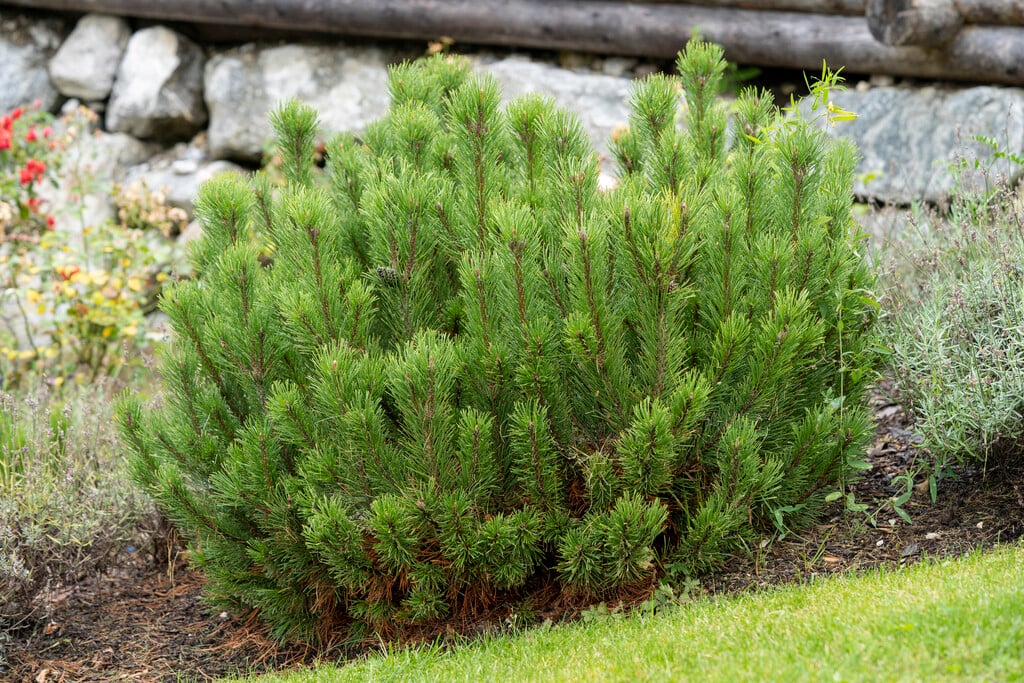
Naturalistic style also applies to the shapes used in garden design, in paths and planting areas, and to the plants themselves, which are clipped into organic forms. This mostly suits shrubs and especially evergreens, withcloud pruninga popular form of topiary. Rounded boulders are often used in steps and edges, and water features have curved rather than straight edges. Japanese gardens embrace asymmetric but balanced design.
Minimalistic style, pared back to simple but striking elements in a garden designed by Saori Imoto at RHS Hampton Court Palace Flower Show 2016
The combination of many of these elements forms a minimalistic design but each one has its place and its importance. Japanese style embraces a perfectionist aesthetic with each plant, structure and shape being chosen for its form.
Paths and bridges
Paths lead you on a journey, enticing you to discover more
The journey around your garden is important in Japanese garden design. Paths, bridges and stepping stones are intentionally designed to influence how you progress through the space and control views of the garden. They allow you time to take in other elements of the garden, spaces to stop and observe something beautiful – a plant or the sound of water.
Stepping stones are carefully positioned at a distance to slow your movement down, taking care to reach each step rather than by using a straight path that you dash along. They are usually made of natural materials such as wood or stone and often pass close to or around water and plants, sometimes with obstacles, all intended to slow you down. ‘Miegakure’ is the Japanese term for ‘hide and reveal,’ which is another way to control views of the garden.
Stone lanterns
Stone lanterns (ishi-dōrō) illuminate paths and structures
Lanterns carved from stone originated in China, and in Japan were mainly used in Buddhist temples to light paths, before being used as lighting in gardens. They are made up of sections, which are said to represent the five elements of Buddhist cosmology – earth, water, fire, wind, and void. In British gardens these are usually used as ornamental sculptures and give the space a strong focal point.
Tea houses (chashitsu) were traditionally used for tea ceremonies
Japanese tea rooms were specifically built for the ceremony of sharing tea but are beautiful buildings in themselves, often made from wood and bamboo. They are a simple design with clean lines, muted colours inside and intricate ornaments to look at. How you decorate your own tea house is purely personal but aim for a calming, restful space where you can see out into the garden and observe nature. The tea ceremony is usually conducted while sitting on the floor, but you might want to include some simple seating in your own version.
Zen gardens include raked gravel, a meditative process
Beauty and simplicity combine in the traditional Zen or Dry Garden, usually an open space which combines meticulously positioned rocks, minimalist planting, and intricately raked gravel representing water, moved into swirls and curves, like ripples or waves that are designed to enhance a meditative state. They are both beautiful to look at and calming to tend. If you have young children or pets, this might not suit!
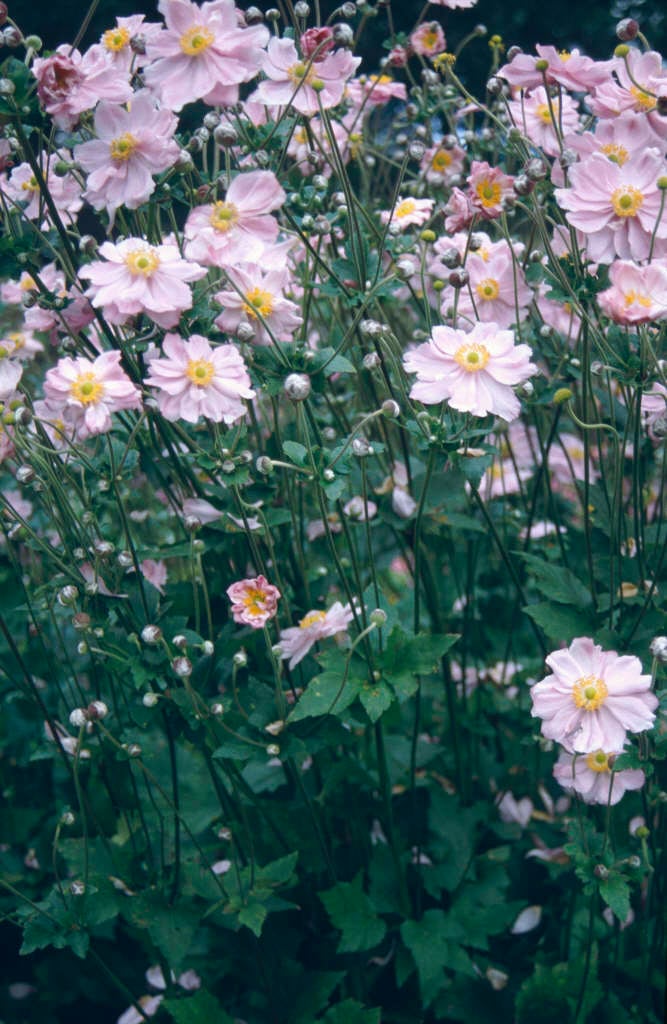
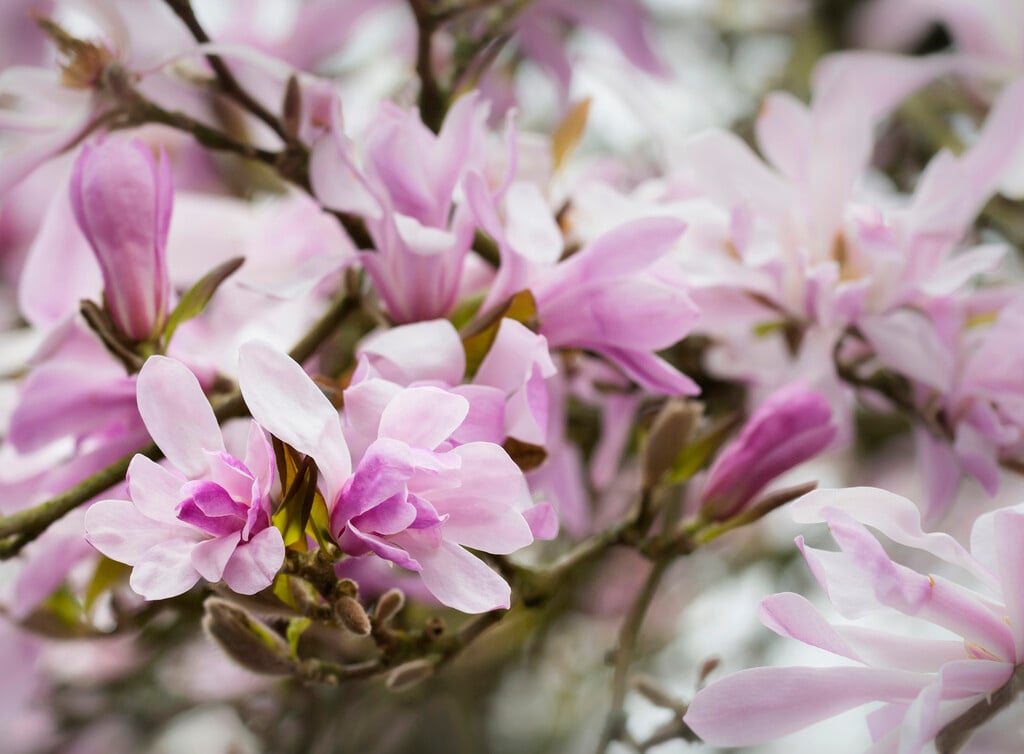
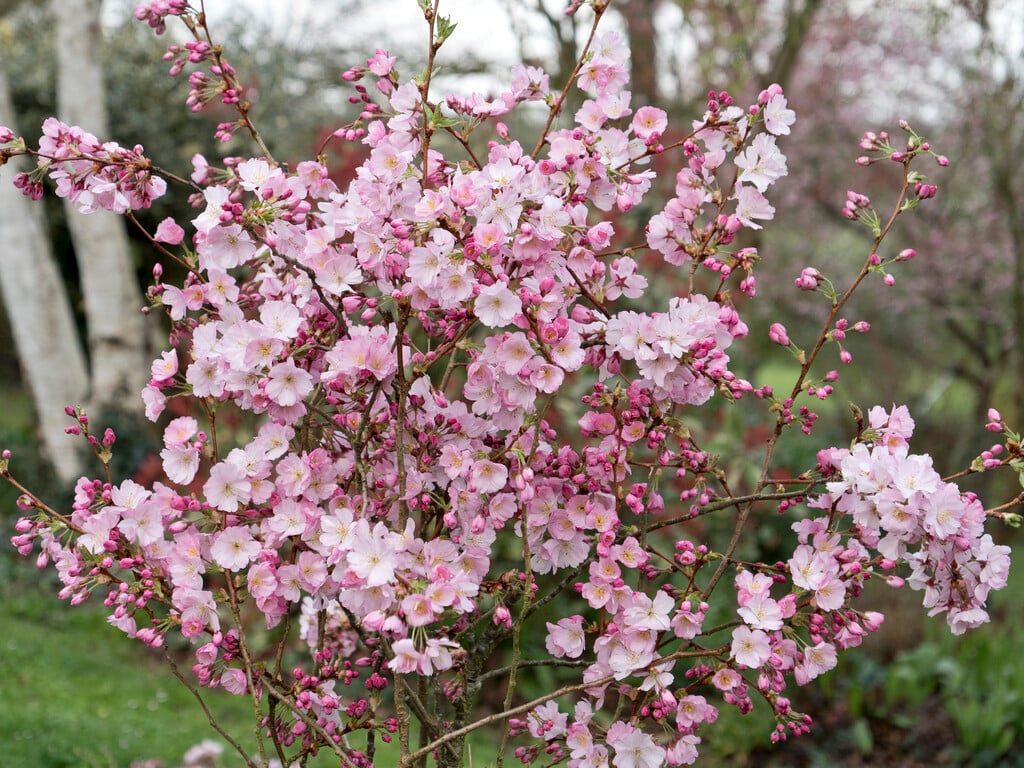
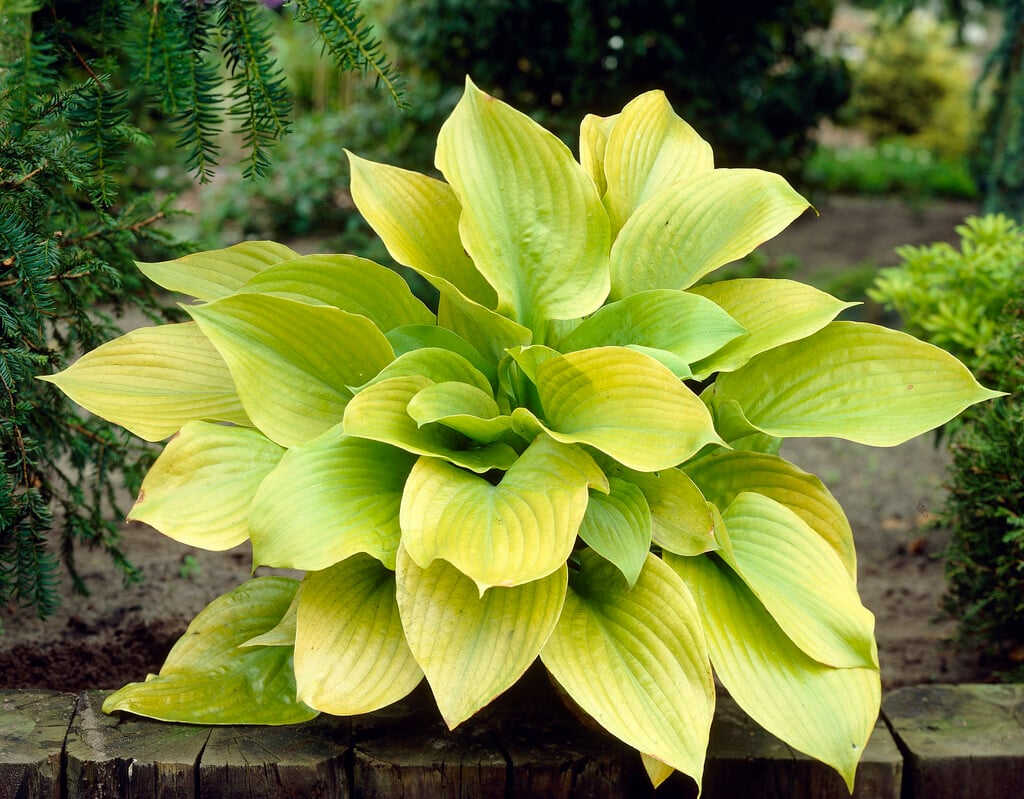
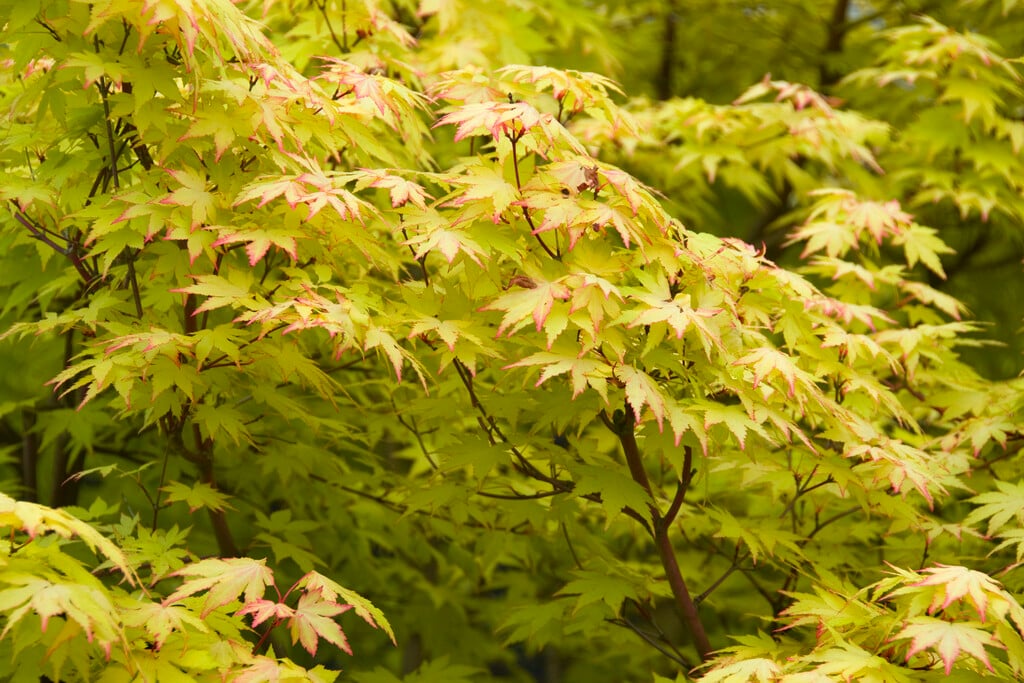
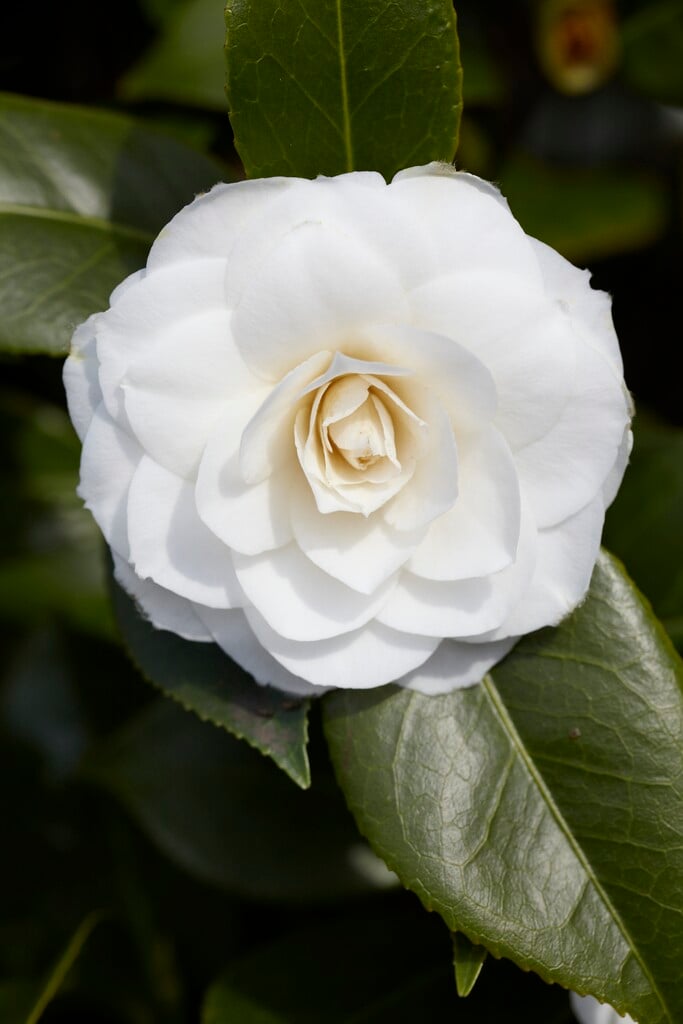
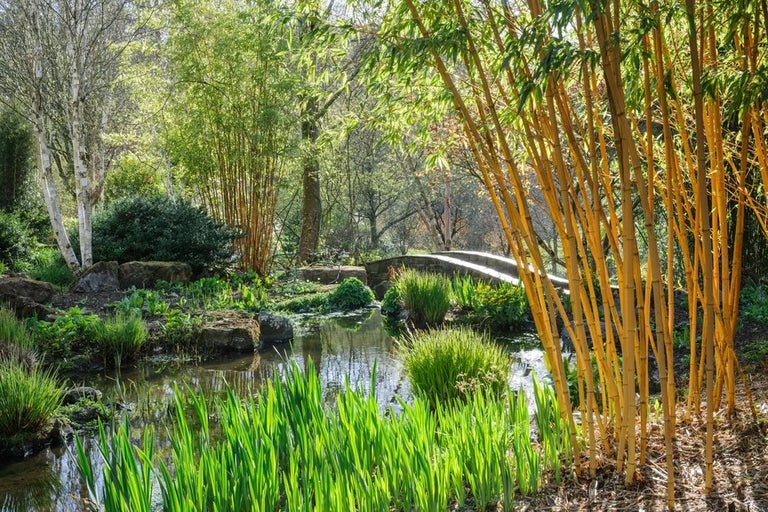
As with any garden design, plants are the jewels in the crown, and we are lucky to have a wealth of well-stocked plant nurseries across the UK. Many of the plants that grow in Japan suit our climate well, which is why many of our oldest gardens have large and ancient specimens that have grown successfully here. Many of our most popular plants originate from Japan, such as camellias, magnolias, rhododendrons, Japanese anemones, Japanese acers, hostas and bamboos.