Which is the best lavender for bees?
With hundreds of types of lavender out there, it can be hard to choose between them. Here are three expert-recommended lavenders to plant to attract bees
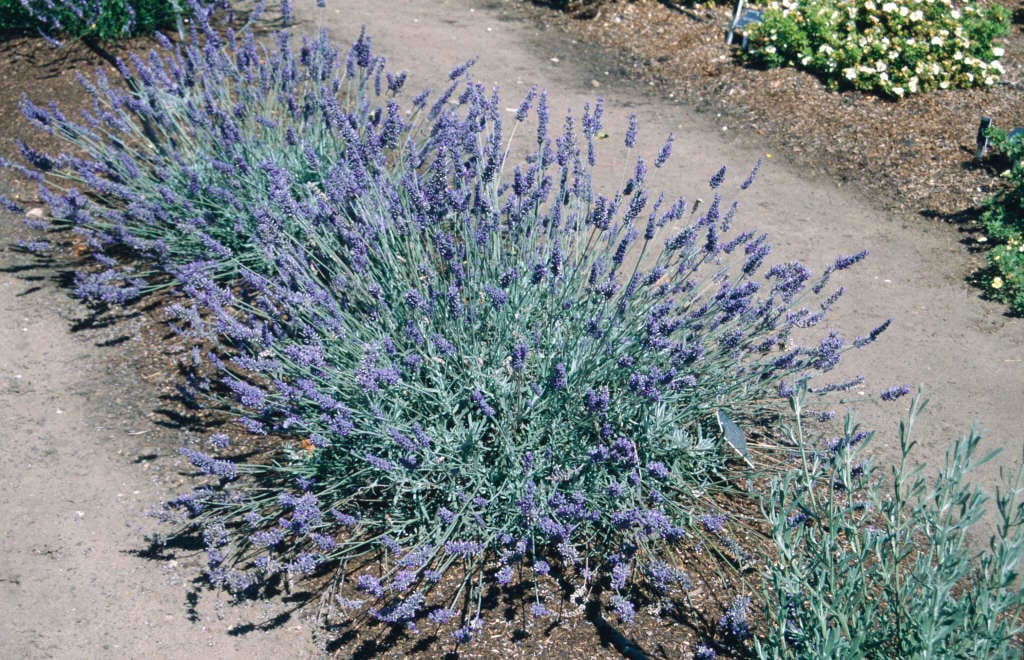
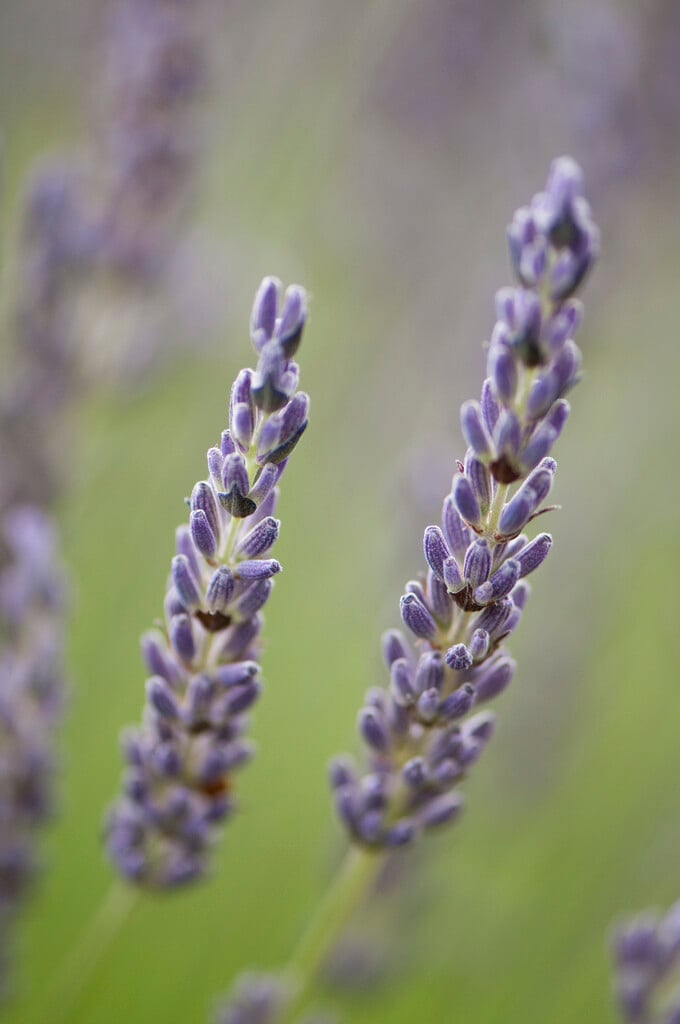
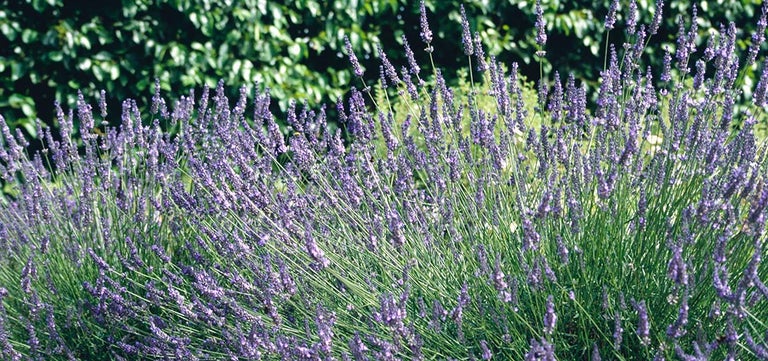
Anyone who has taken a stroll around a sunny garden on a summer’s day knows that bees and butterflies flock to lavender. This classic cottage garden is the RHS Wildlife Wonder Plant of the Month for June, meaning our wildlife experts have highlighted it as a top plant we can all grow to support .
But with so many lavenders out there, it can be hard to know which to choose, especially if your priority is to track down the very best lavenders for wildlife.
We’ve caught up with Professor Dave Goulson, renowned ecologist and founder of the Bumblebee Conservation Trust, to spill the beans on three of the best lavenders to plant for pollinators – and they might not be what you expect.
What makes lavender great for wildlife?

“Lavenders are loved by pollinators as they provide plentiful sweet ,” says Prof. Goulson. “The most common visitors are usually a range of bumblebee species, particularly buff-, white- and red-tailed bumblebees and common carder bumblebees, plus honeybees and butterflies too.”
All lavender species and cultivars are RHS Plants for Pollinators, with the long-lasting, nectar-rich flower spikes attracting bumblebees, honeybees and butterflies in to feast, as well as day-flying moths – look out for the mesmerising hummingbird hawk moth, which loves lavender.
But some lavenders are even better for wildlife than others.
“A staple for every garden, lavender is one of the best plants for providing a reliable nectar source over the summer months for a variety of pollinators,” he says. “But with so many types available, it’s worth choosing your lavender carefully.”
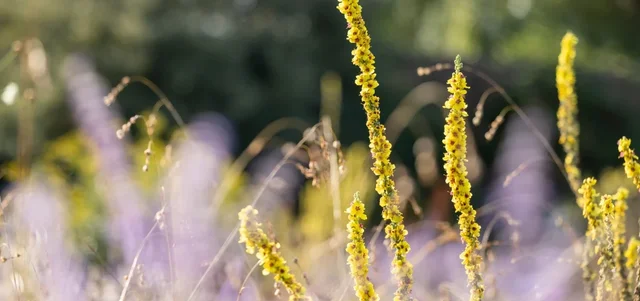
Which are the best lavenders for bees?
In a trial at the University of Sussex, 13 common cultivars of lavender, from three different species, were planted side by side and number of insects per square metre counted at regular intervals. This data was collected from three trial sites and throughout the flowering season.
The researchers found cultivars of Dutch lavender (Lavandula×intermedia) to be four times more popular with pollinators than those of English lavender (L. angustifolia). English lavender includes popular garden choices such as ‘Hidcote’ and ‘Munstead’. Even within L.× intermedia cultivars there was significant variation – ‘Gros Bleu’ was over twice as popular as ‘Old English’.

“Although hard data comparing different lavender varieties is limited, all lavender cultivars and species are pretty good for attracting bees, particularly bumblebees, so there are no bad choices,” says Prof. Goulson. “However, trials suggest that Lavandula × intermedia received more insect visits than L. angustifolia (English lavender) or L. stoechas (French lavender).”
The triumphant Lavandula × intermedia (lavandin) is a between English lavender, L. angustifolia, and broad-leaved or Portuguese lavender, L. latifolia.
When it comes to colour, though, it seems bees are – perhaps surprisingly – not fussy. “Flower colour – traditional purple or blue compared with white – had no effect on the number of insect visits in those trials,” says Prof. Goulson.
These are the top bee-friendly varieties he recommends.
1. Lavandula × intermedia ‘Gros Bleu’

- Size and habit: relatively large, bushy evergreen shrub – height and spread 90–100cm
- Flower colour and timing: deep, rich violet-purple flowers on long stems from mid to late summer
- Foliage: grey-green
- Great for: pollinators, sweet scent, cut flowers and drying
- Find out more >
2. Lavandula × intermedia ‘Grosso’

- Size and habit: large and vigorous, forming a dome with height and spread 75–90cm
- Flower colour and timing: deep, rich violet-blue from mid to late summer; more camphor-like scent than ‘Gros Bleu’
- Foliage: grey-green
- Great for: pollinators, lavender oil
- Find out more >
3. Lavandula × chaytoriae ‘Sawyers’

- Size and habit: smaller and more compact with a mound-forming habit – height and spread 50–60cm
- Flower colour and timing: light to mid-purple, produced from mid to late summer – sometimes later than other lavenders
- Foliage: silvery‑grey and softly textured, almost woolly
- Great for: pollinators and ornamental use, holding an RHS Recommended: Award of Garden Merit
- Find out more >
Where and how to grow lavender

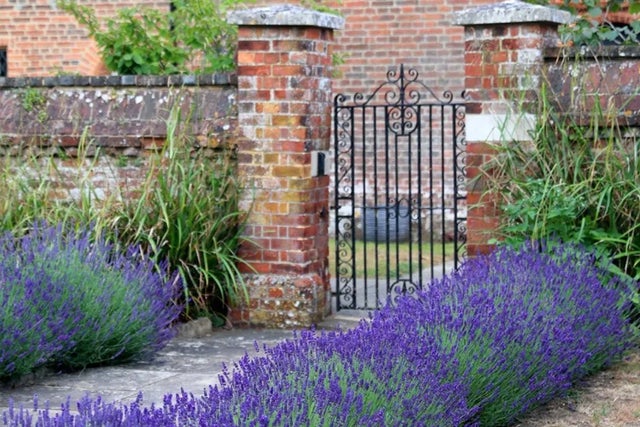
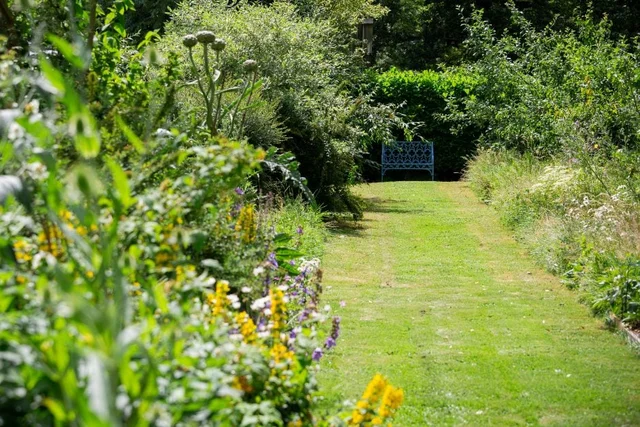
Lavenders are mostly to the Mediterranean and regions with a Mediterranean-type climate, such as the Canary Islands, so thrive in a sunny, well-drained spot. Drought-tolerant and versatile, they’re ideal for sunny borders, edging paths and beds, low hedging, gravel gardens and container growing – just avoid wet or heavy soils.
Lavenders are generally hardy and long-lived (French lavender slightly less so), but need an annual trim after flowering to stay compact and prevent them becoming overly woody and leggy. They don’t regrow from old wood, so always make sure you’re cutting back to green growth rather than as far as the browner, woodier old stems.
Other top wildlife plants for June
Our June Wildlife Wonder plants are all aimed at supporting different bees. Alongside lavender, see how many of the supporting cast you can also sneak into your garden:
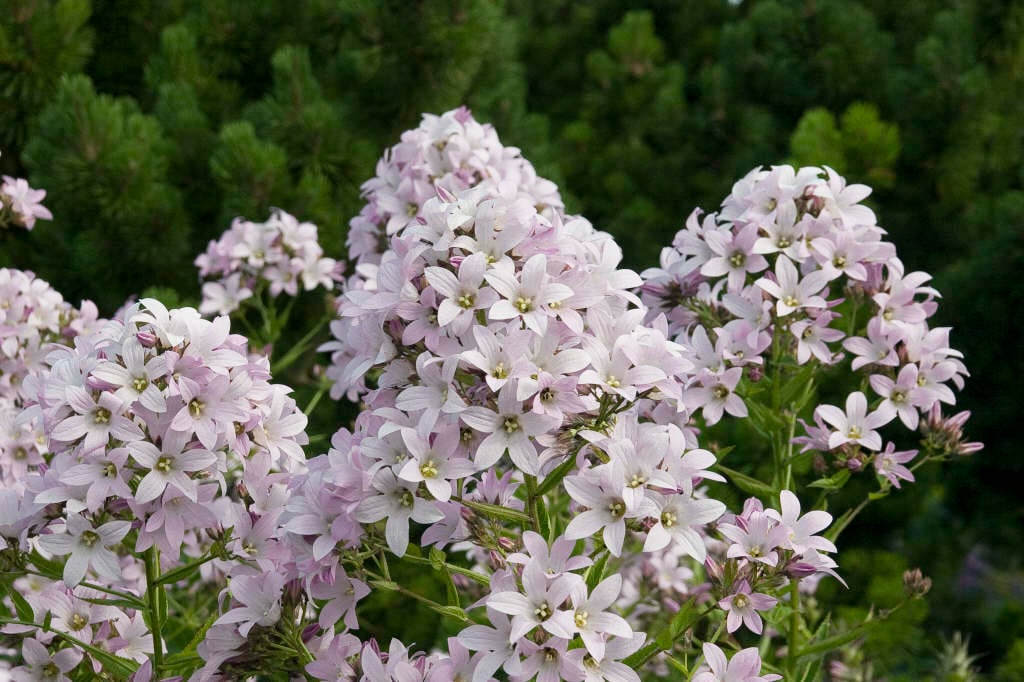
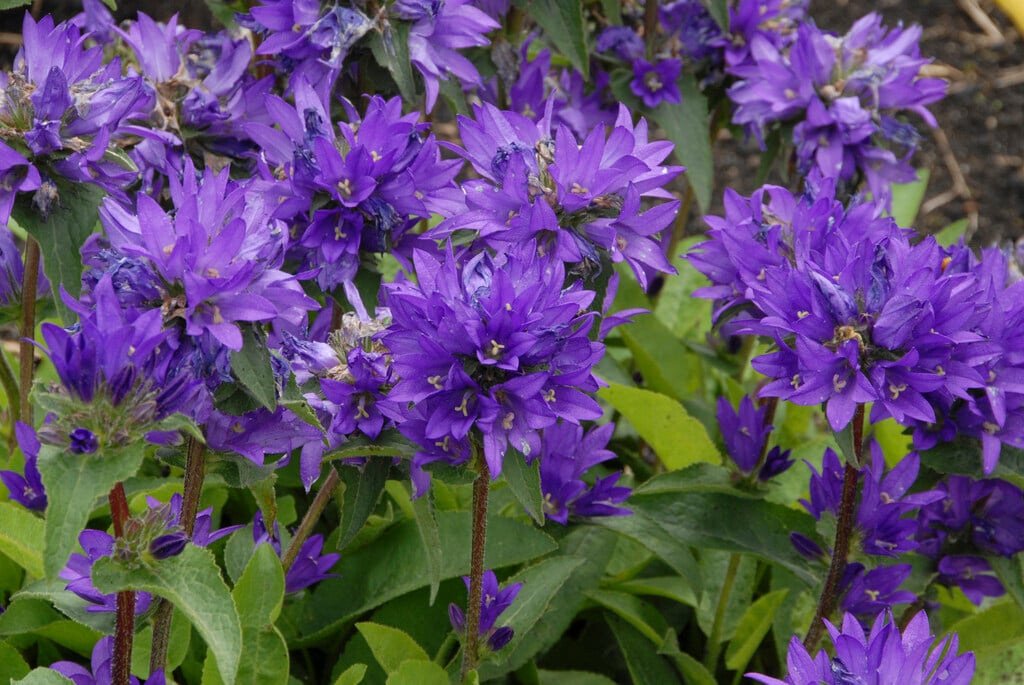
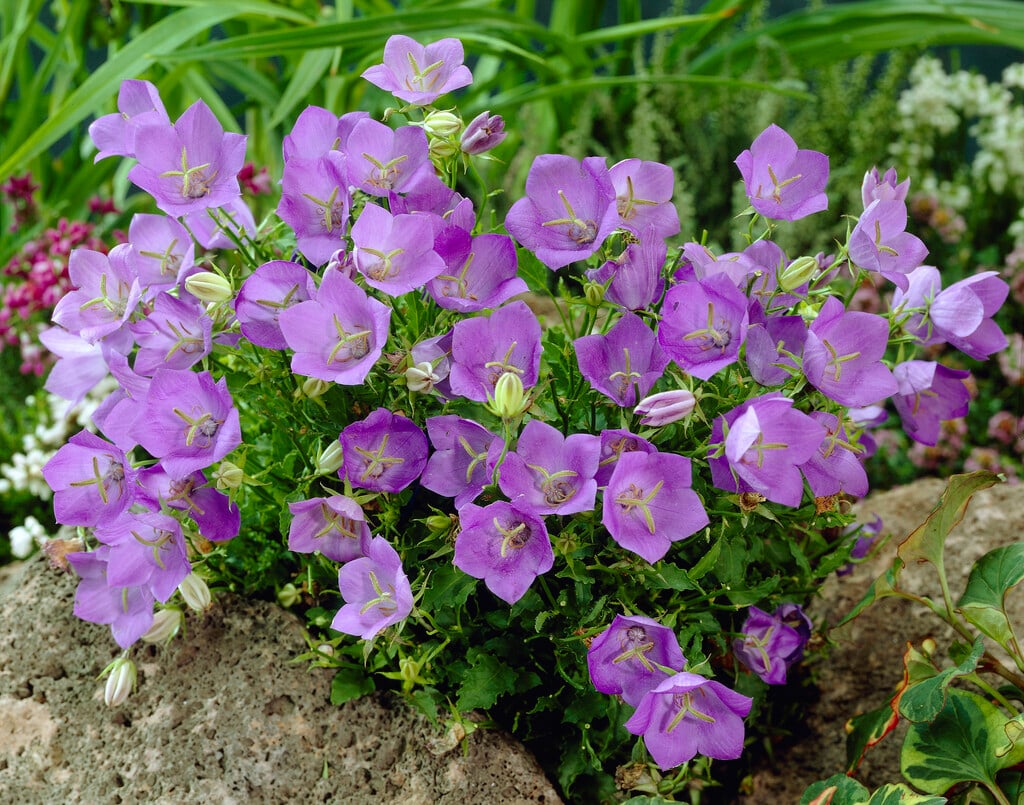
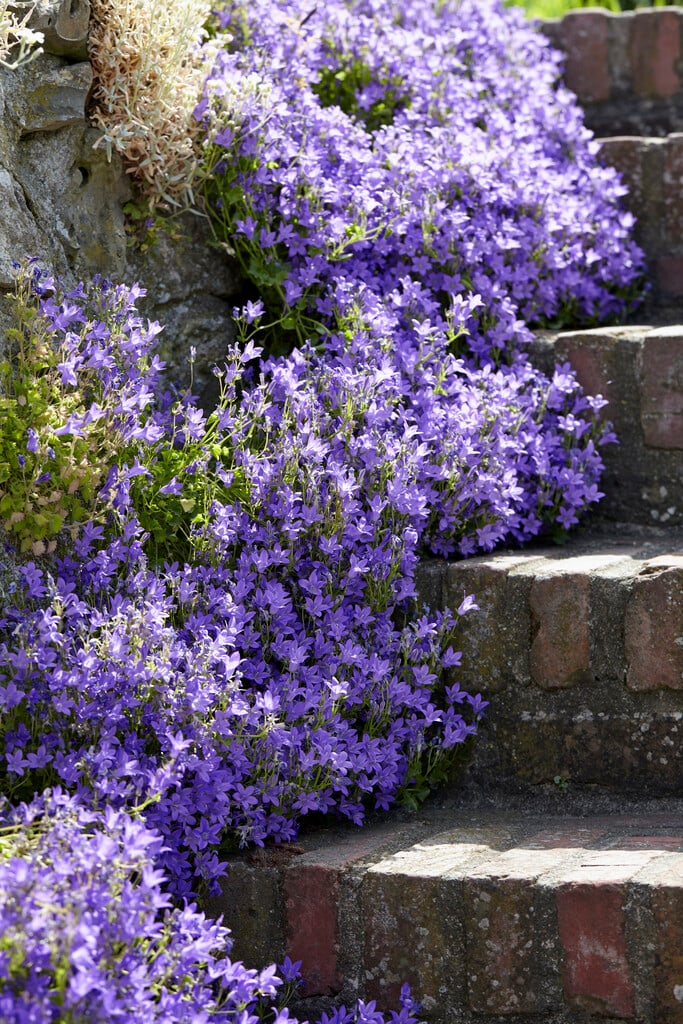
- Campanulas– a versatile group of hardy perennials, all RHS Plants for Pollinators, that particularly attract scissor bees. The small scissor bee is the UK’s smallest bee and is highly specialised, relying almost entirely on campanulas. The males sleep inside the bell-shaped flowers at night and during bad weather. The final segment of their abdomen is modified into a two-pronged peg to hold on inside flowers, hence the name ‘scissor bee’. Mating takes place inside the flower too.
- Geranium Rozanne – a long-flowering, multi-award-winning perennial that’s great for honeybees.
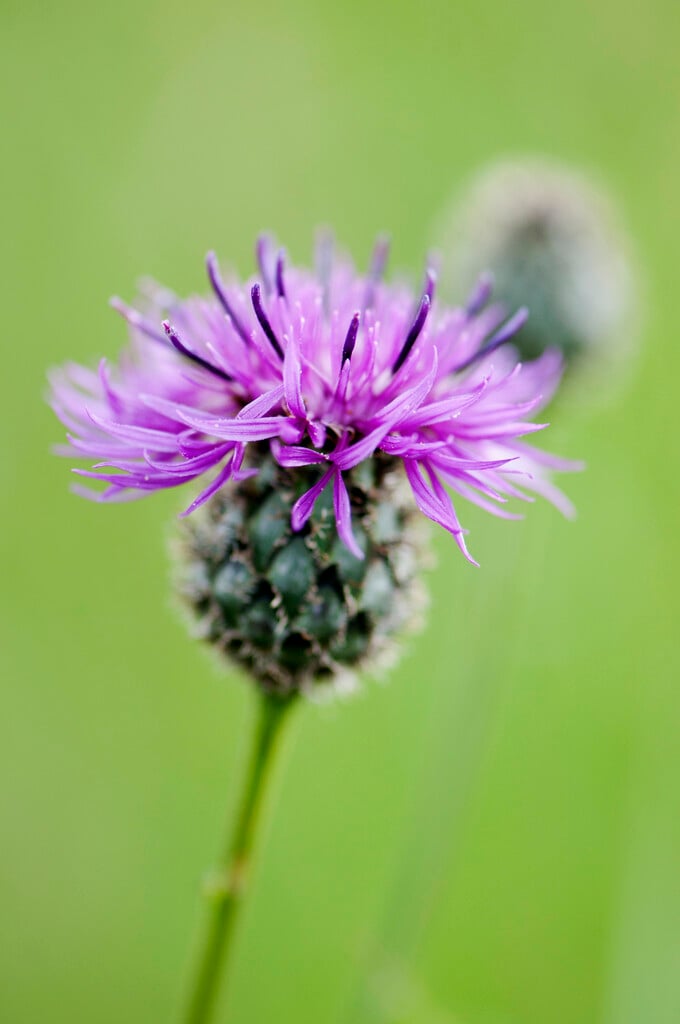
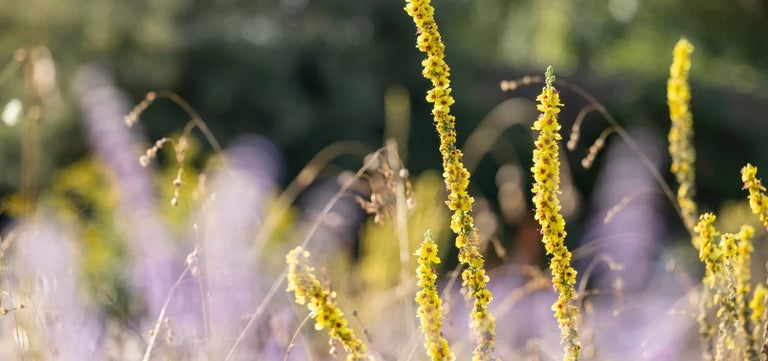
- Knapweed – a British native that attracts green-eyed flower bees.
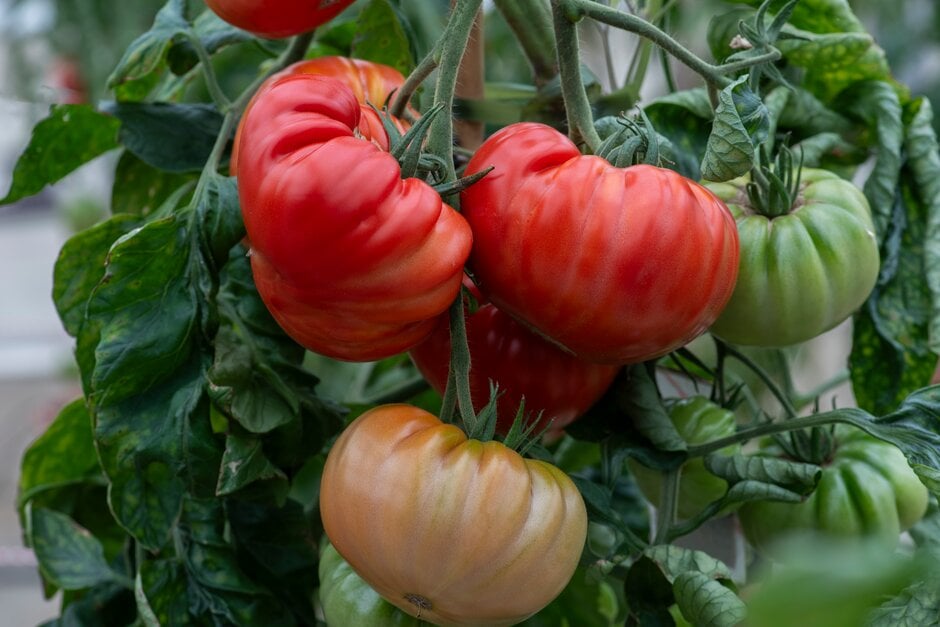
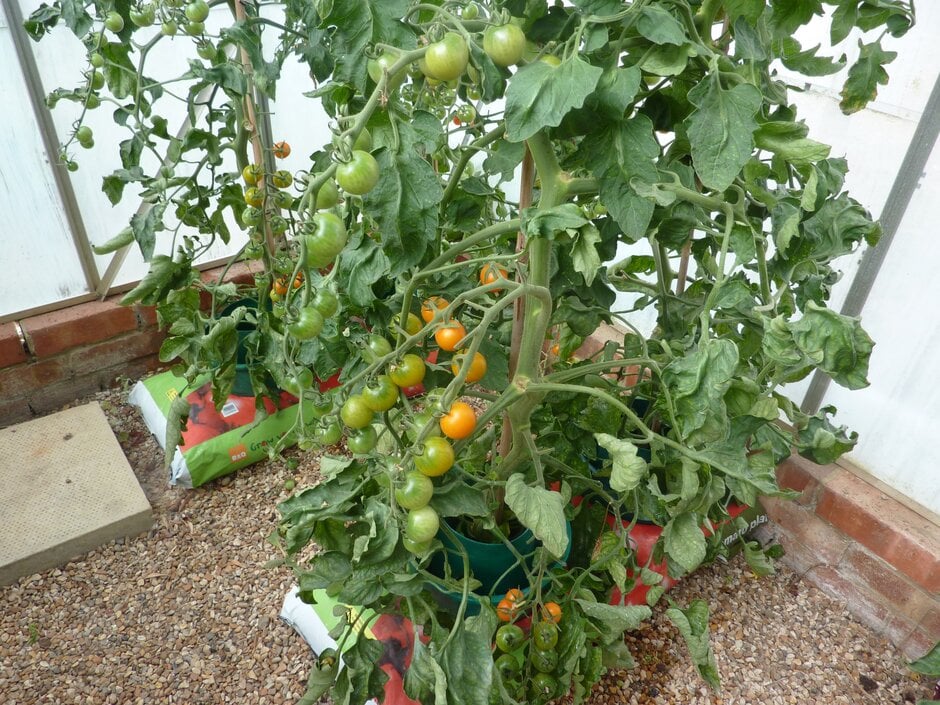
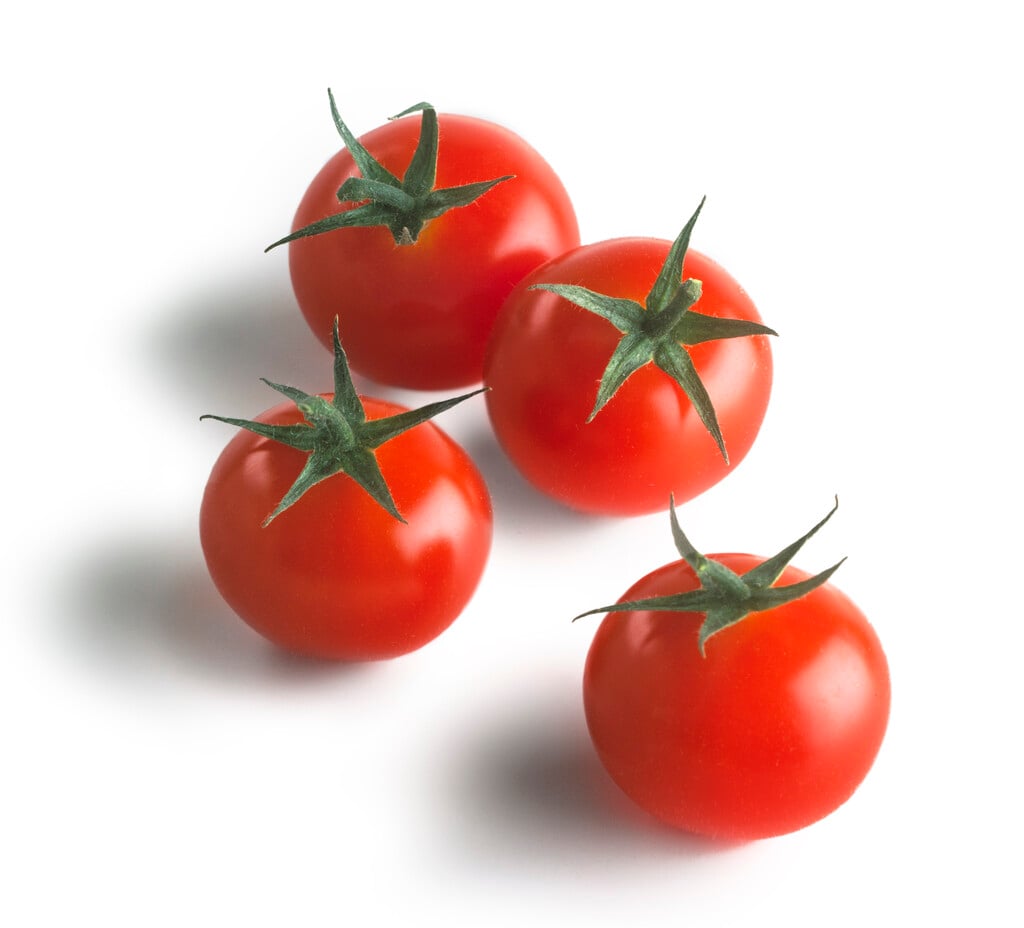
- Tomato – a favourite crop that also supports bumblebees, which shake pollen out of the flower by vibrating their flight muscles at a high frequency – a process known as buzz , which honeybees and other insects can’t replicate.

1
of
2

- You can browse Dave Goulson’s full range of books at Summerfield Books here.
About the author – Olivia Drake
With a background in biology, Olivia is passionate about biodiversity, sustainable horticulture and the role gardening can play in conservation. She is trained as a botanical horticulturist and previously worked in public gardens around the UK and abroad.
![cranesbill [Rozanne]](https://apps.rhs.org.uk/plantselectorimages/detail/PUB0012310_4832.jpg?w=1280&fit=clip&fm=jpg&auto=format)