Rugby’s vision for a nature-friendly town
Even the simplest initiatives can attract nature

RHS Britain in Bloom UK finalist Dover in Bloom shows how young people are transforming their community and celebrating the very best of their town
Dover may be best known for its iconic white cliffs, historic castle and bustling port, but this Kent town has many other strengths. Dover in Bloom is helping bring them into focus, connecting the town’s landscape, heritage and communities in a way that is creating new opportunities, transforming public spaces and fostering local pride.
“In 2026 alone, more than 13,000 young people have contributed to environmental projects, river restoration and initiatives in Dover,” said Lisa Oulton, Director of Future Foundry, the organisation that leads Dover in Bloom.

“What started as a conversation with young people about the future of Dover in 2023 has grown into a town-wide movement for environmental change and community action. They told us they loved spending time outdoors, but too many spaces felt neglected and unwelcoming. Rather than accept this situation, we decided to act on it.”
Future Foundry works with young people aged 10 to 25 to build their skills through creative and cultural projects. Dover in Bloom was established as a direct response to the needs of the town’s younger residents and today is one of 44 finalists in the RHS Britain in Bloom 2026 UK Finals, competing in the Coastal category.
The group brings together around 50 local partners that are working collaboratively to make a difference in the town. These include schools, local businesses, environmental organisations, public bodies and charities, such as English Heritage, Dover Town Council and Port of Dover.

“Gardening gives us a sense of belonging and knowing that people care about the environment is important. People also really appreciate what we’re doing,” said Harvey, 22, who works for Future Foundry and is part of the organisation’s Forge Arts and Gardening Club. The group, which has more than 50 members aged between 10 and 19, provides young people with opportunities to play an active role in caring for plants and green spaces in the town centre.
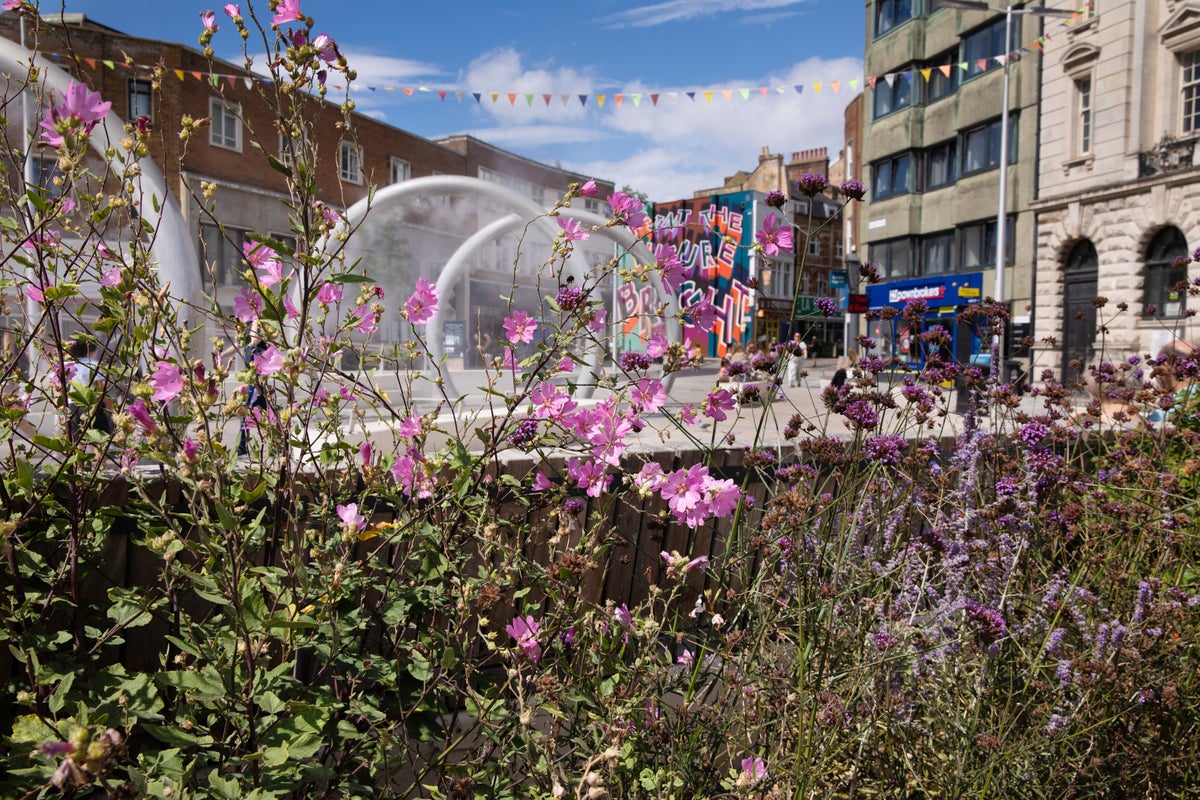
A partnership led by the Town Council with Beth Chatto Foundation and started in 2025 also resulted in a series of projects tailored to Dover’s coastal environment and chalk landscape. Three beds in the Market Square are now filled with drought-tolerant perennials reflecting Beth Chatto’s renowned ‘right plant, right place’ philosophy, such as Salvia nemorosa ‘Caradonna’, Verbena bonariensis, Salvia ‘Blue Spire’ and Erigeron karvinskianus. The same approach is being rolled out across the town.
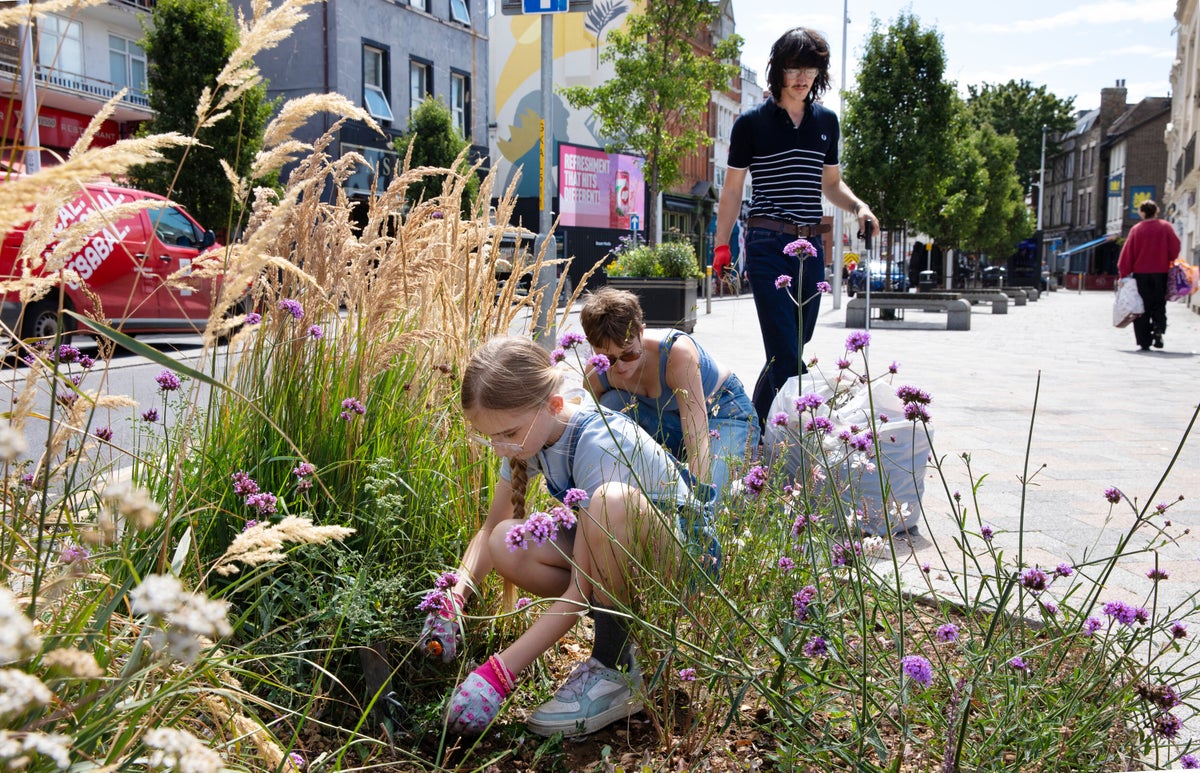
Other activities involve litter picking, improving everyday spaces and BioBlitz - a challenge that focuses on identifying and recording as many species of plants, animals and other wildlife as possible in a specific area within a set period of time.
“From transforming neglected spaces into thriving habitats to bringing people together around a shared purpose, Dover in Bloom is creating positive change across the town,” said Lisa. “We’re making meaningful improvements today while laying the foundations for an even greener, more connected future.”
Young people are not only growing skills, confidence and a stronger connection to their community. Their involvement is part of a wider effort to rethink and improve Dover’s green spaces, creating landscapes that are more attractive, resilient and wildlife-friendly.

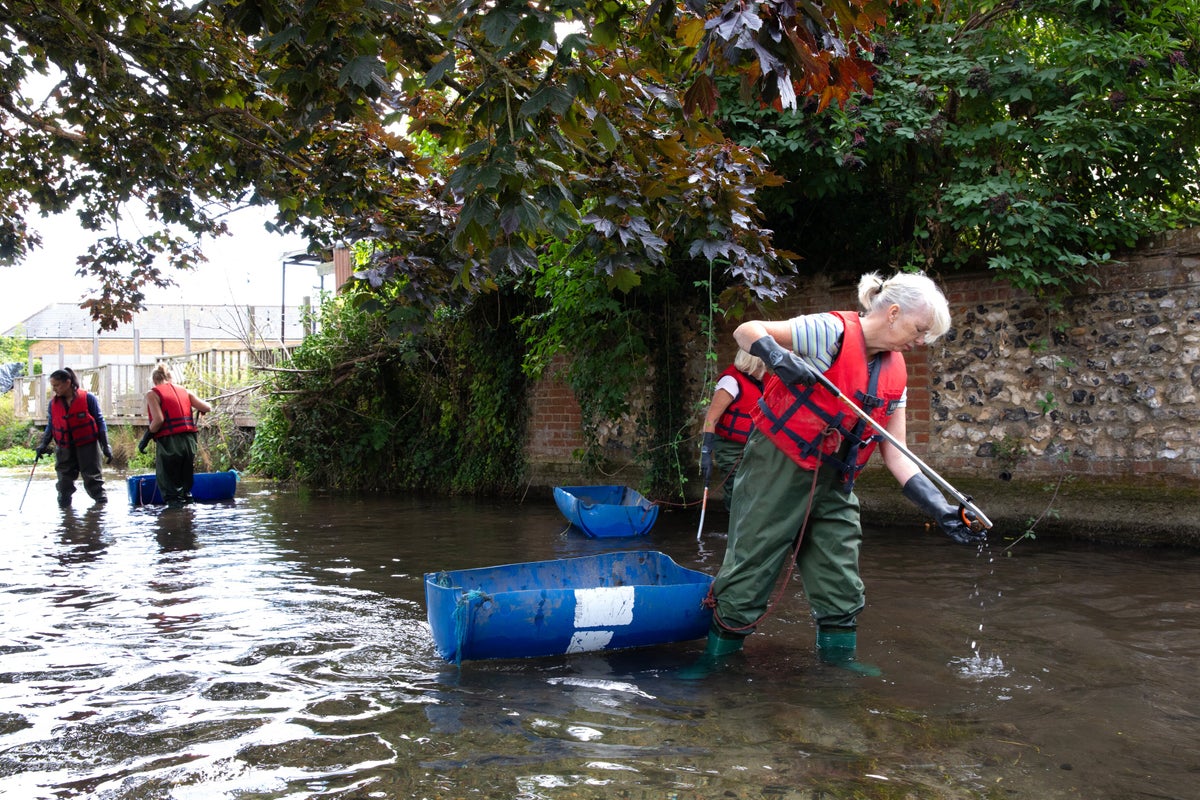
In July 2026, around 400 students took part in a Green Action Day throughout Dover. For the occasion, White Cliffs Countryside Partnership brought its conservation expertise and extensive knowledge to lead a clean-up session of the River Dour. The river contains a rare chalk stream habitat and supports a variety of wildlife, including brown trout, kingfishers and grey wagtails. To protect the brown trout spawning season, organised clean-up sessions take place twice a month between April and October.
Carol Rayfield, a retired resident and one of several regular volunteers, said that taking part in these events gives her the opportunity to meet like-minded people who care deeply about Dover and its environment.
Volunteers from Samphire also played a key role, helping to plant and restore areas along the waterway. The group has also been gardening on the banks of the Dour near East Kent College Dover, revitalising a site that had become overgrown with brambles.
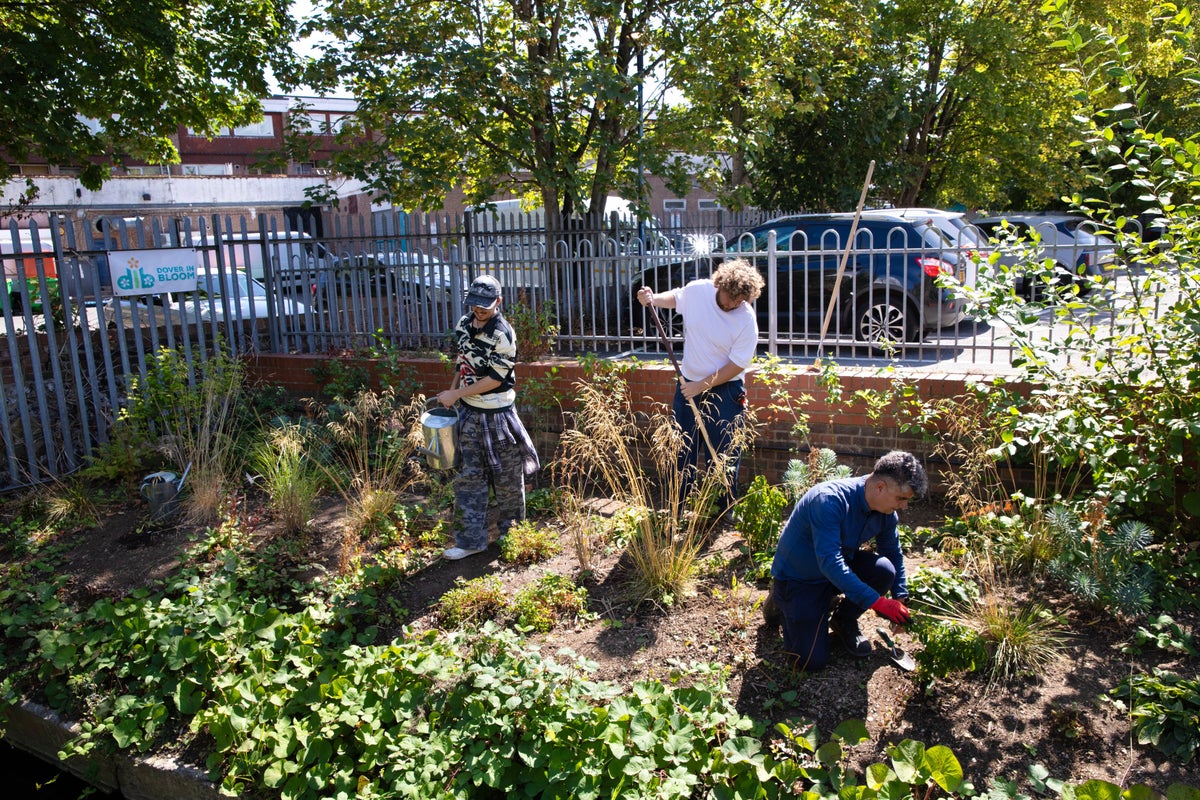
Working alongside Future Foundry team members and college staff and students, volunteers have cleared the area and replanted it with a range of species, including Filipendula ulmaria, Deschampsia cespitosa ‘Bronzeschleier’ and Sanguisorba ‘Tanna’.
“The project brings migrant and British communities together through practical activities that strengthen social cohesion and support the inclusion of newcomers in Dover and the surrounding areas of Kent,” said Community Inclusion Officer at Samphire Aram Rawf.
Tucked between a multi-storey car park and a shopping centre, the Sage Network Garden was created by occupational therapists to help people reconnect with nature. In this welcoming space, people can come together over tea, cake and conversation and take part in therapeutic gardening activities.

“It really does make a difference to people’s lives,” said volunteer Shaun. He began visiting the garden in 2025 with no previous gardening experience and since then has developed new skills and witnessed first-hand the garden’s impact. “This small, forgotten space has a family feel that puts a smile on people’s faces. Coming here gives people a chance to tell their story. The impact on wellbeing is quite something.”
Families with young children are also discovering the benefits of spending time in nature through Little Artlings, a weekly club for children up to the age of ten and their families. Activities include gardening, nature crafts, cooking and sensory play, with around 60 people attending each week.
Rainna Erbas, who founded the club, said: “We’re in an area where many local playgroups have closed and some families are unable to travel out of town. This is a nature-based creative club with homemade plant-based food where everyone is welcome.”
As well as providing opportunities for families to spend time together outdoors, the club is helping children develop a lasting connection with the environment around them. Building on its success, Rainna has also launched Little Wildlings, a monthly foraging club focused on safe and sustainable foraging practices.

“Bloom is helping to instil a greater sense of ownership and pride in our town,” said Councillor Bekah Dawes, the Town Mayor. “It reinforces the feeling that Dover belongs to all of us. By working together, we can nurture our environment, build stronger relationships and create a more connected community. Dover in Bloom helps strengthen these connections across the town.”

RHS Britain in Bloom inspires communities across the UK to make positive changes to their local environment through horticultural, environmental and community action. Search our map to find a Britain in Bloom group, RHS It’s Your Neighbourhood group or an RHS Affiliated Society near you and discover how you can get involved.
The RHS is calling for more youth-led gardens to be built with young people’s needs in mind and for existing facilities to be improved. To support this, a new guide, the RHS Wellbeing Garden Blueprint: Youth-led Gardens, is being developed to provide local authorities and youth organisations with a practical model for creating indoor and outdoor wellbeing gardens with young people, rather than for them.