Quick Facts
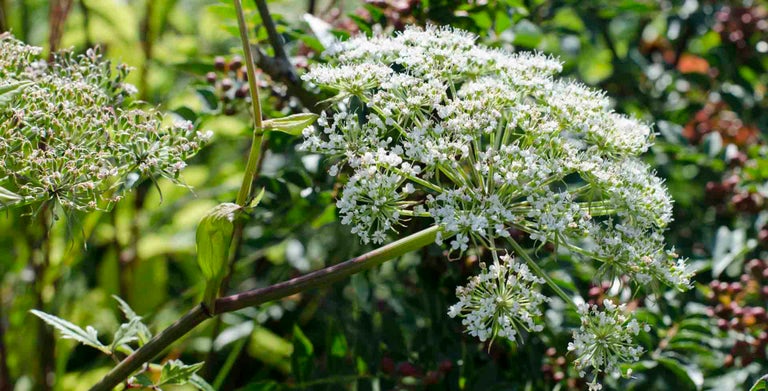
Strong, aromatic, upright stems can reach up to 2-3m
1
Thrive in woodland, or streamside borders, on moist soil
2
Umbels of white, yellow-green, pink or purple-red flowers appear in summer
3
Will grow in a sunny border if soil is kept moist
4
Used for culinary purposes and as ‘botanicals’ for flavouring gin
5
Mostly biennials or short-lived perennials
6
Flowers are a rich nectar source for insects
7
Plants self-seed readily
8


Before you get started
What is angelica?
Angelica is a member of the carrot family, consisting mostly of biennials or short-lived perennials to Europe and central Asia. Monocarpic species (that die after flowering), such as A. archangelica, can sometimes last another year if the flowers are removed just after flowering or before they set seed.
There are approximately 100 species of angelica worldwide.
Choosing
Angelica makes a great addition to a large border to add height or to attract insects in an informal, cottage-style garden. They are all herbaceous but dead stems and seedheads can provide structure throughout the winter.
Angelica archangelica and A. edulis are widely grown for culinary use in cottage and herb gardens. A. archangelica has softer stems and leaves so is the preferred culinary plant choice. Stems need to be harvested when young and tender in late spring before flower stalks form. If you fancy having a go at making some candied stems you can follow a recipe here.
Angelica sylvestris is suited to growing in meadows on moist soil.
Angelica gigas provides significant drama and architectural interest with dark red stems and striking, dome-shaped heads of rich, deep purple or plum-purple flowers in summer and early autumn.
Angelica sylvestris ‘Ebony’ isn’t as tall as other varieties, only reaching 75cm in height, but is grown for its very striking dark purple foliage and umbels of purple-pink flowers.
Buying
Angelica is widely available as seed, best bought as fresh as possible in autumn as it does not store well for long periods. Check dates on the back of seed packets.
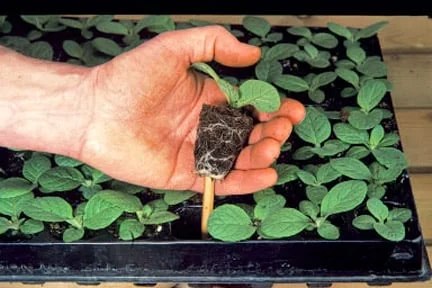
Available online or in garden centres as young pot-grown plants in late winter/early spring, it is best when small as plants dislike root disturbance.
Use our Find a Plant to help search for plants and suppliers.
Planting
Plant as soon as possible after purchase, provided the ground is not frozen or .
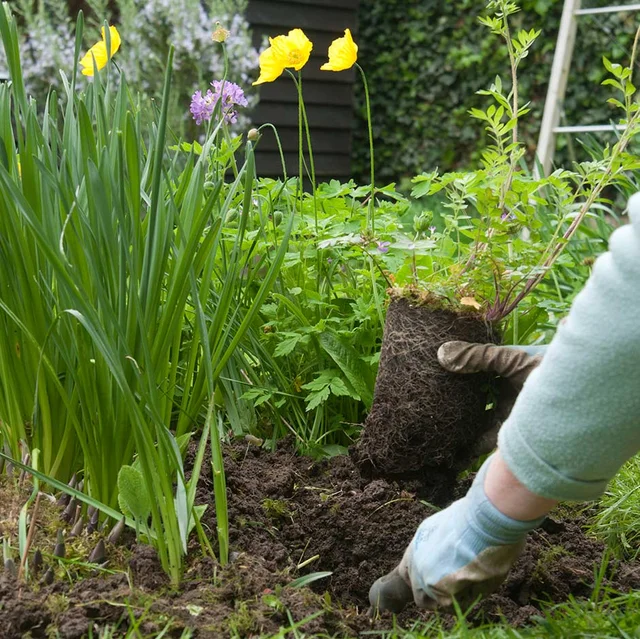
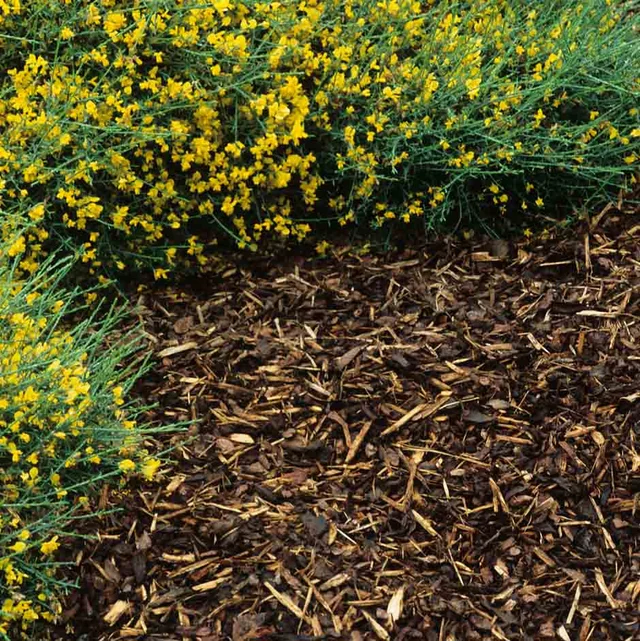
Choose a spot in sun or partial shade in moist but well-drained soil and fork in some well-rotted organic matter. Position plants 60-90cm apart and plant to the same depth as they are growing in their pot. Water in well and apply a 6-10cm layer of on the soil around the plant, avoiding the foliage, to help with moisture retention.
Angelica is not suitable for container growing as it likes to send down a deep tap root into the soil.

Ongoing care
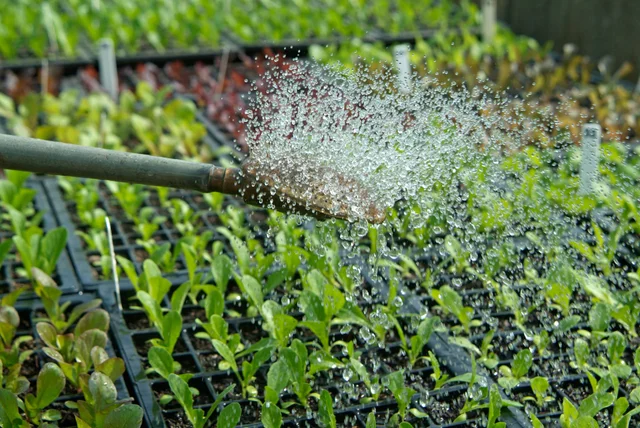
Plants may require additional water during very dry spells of weather to ensure good stem growth.
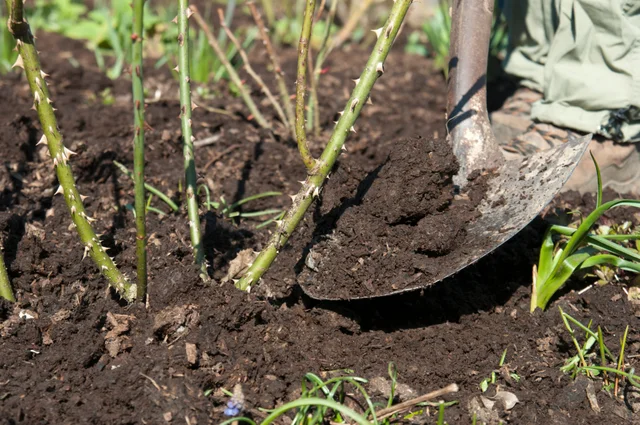
There is no need to feed plants growing in the soil unless they are showing signs of nutrient deficiency. An application of well-rotted organic matter such as home-made in early spring will feed the plants as it rots down.
To avoid self-seeding in borders, remove seed heads before ripe. If you wish to collect the seed, after flowering has finished, cover the flower head with a bag to collect the ripe seed.
Applying a 6-10cm layer of around plants when soil is moist in late winter/early spring will help with moisture retention on drier soils.
Pruning and training
Cut back to the base after flowering. plants die after flowering, but if flowering is prevented or flowers are removed before setting seed they will often last for a second year.
Propagation
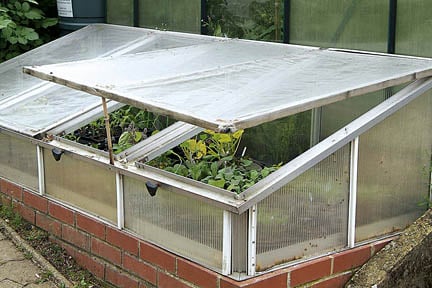
Seeds do not store for long so it is best to sow when fresh. Sow fresh ripe seed on the surface of containers of peat-free with 30 percent added horticultural sand to aid drainage. Do not cover the seed as they need light to germinate. Keep cool and moist in a , unheated greenhouse or cool windowsill at 10-13°C. can take one to three months.
If using dried seed, it will need cold stratification before sowing. Put seed in a sealed container with damp and place in the fridge at 4°C for four to six weeks to mimic winter and break .
As soon as true seed leaves appear, move into deeper pots, as they form a deep tap root, and keep moist.
Transplant while small, after , as they dislike root disturbance. Plants will flower within two to three years.
Angelica will self-seed readily so you will find lots of seedlings popping up in the border. These can be moved when large enough to handle.

Problems
Angelicas are generally trouble free but may occasionally have a few problems:
- Aphids
- Slugs and snails
- May be affected by Celery leaf mining fly
- Powdery mildew – in dry summers
If you are a member of the RHS, you can use our online Gardening Advice Service, via MyRHS, for any gardening problems or queries.