Quick Facts
Easy to grow, in most garden soils
1
The herb borage is an annual
2
Edible flowers are produced in summer
3
Best on a sunny site
4
Attractive to pollinating insects
5
Self-seeds readily or collect seed and sow in spring
6


Before you get started
What is borage?
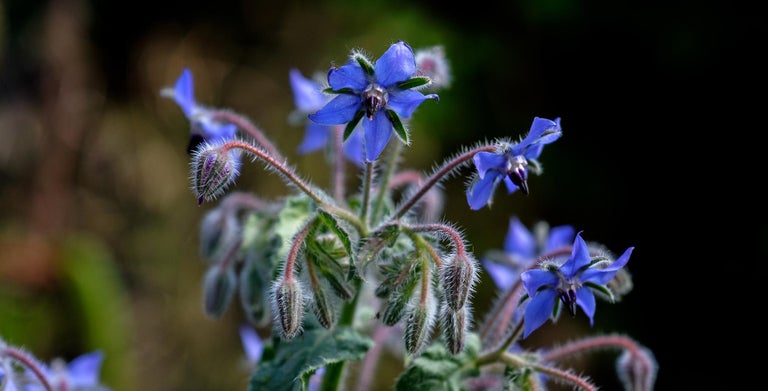
Borage is best known as a herb, grown for it's delicate blue flowers. These are plucked from the plant and sprinkled into summer drinks, such as fruit punch, where they add a refreshing cucumber-like fragrance.
This plant is an annual, so raise plants each year, or allow it to grow from the seeds that the plants will drop in the ground each year. It is easy to grow.
There are a few other, not-widely-grown borage relatives that we explain in the section on choosing below.
Choosing borage for your garden
Here are some things to consider when choosing borage for your garden.
Colour
Commonly seen borage (Borago officinalis) is a blue-flowered annua and is usually raised from seed, although young plants are available in spring and early summer. Additionally, Borago officinalis 'Alba' offers pure white blooms and B. officinalis 'Bill Archer' has cream leaves.
Eventual size
It's worth noting the size so that you can give new plants enough room to grow and bloom in your garden.
- Borage (Borago officinalis) reaches 50-70cm (20-28in) tall, and makes a handsome, erect plant. They are shorter if the soil is dry or poor - and that germinate later in summer usually flower but will also be shorter than those that germinate in spring
- B. pygmaea is a hardy that only reaches 30cm (1ft) tall and has a creeping habit
Buying borage
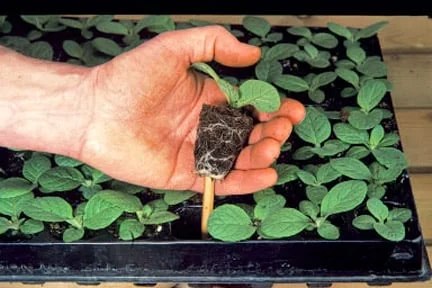
You can buy borage (Borago officinalis) as young plants in 9cm (3½in) pots or as packets of seed for sowing in spring. Look for B. pygmaea growing in containers in the perennials (rather than the herb) section of a garden centre.
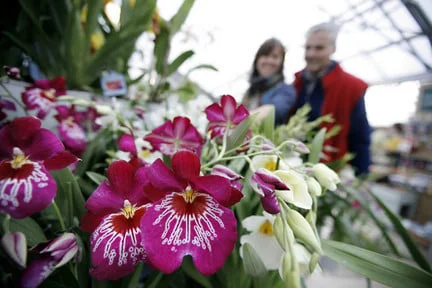
Borages are widely available in garden centres and nurseries, and from online suppliers, with a larger choice available by mail order.
Planting
Where to plant
Borage likes to grow in full sun in the ground, but will tolerate light shade. They will grow on any soil that is not and like moist soil in summer to produce the biggest, best plants.
You can grow boarage easily in containers too. They are quite large plants, so use a pot at least 30cm (1ft) wide to ensure it's big enough to support it's size and weight.
When to plant
Plant young plants and sow seed of borage directly in the ground in spring (April/May).
It's best to plant Borago pygmaea in spring, although you can planted at any time as long as the soil is not frozen or waterlogged.
How to plant
In the ground
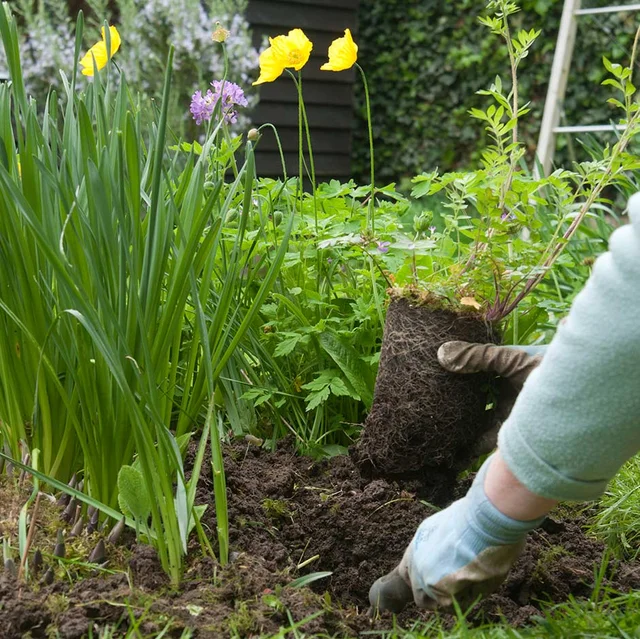
Young borage plants are easy to plant in the garden, as you simply need to dig a hole large enough to take the roots, firm back the surround soil and water. Plants should be spaced about 50cm (20in) apart.
To sow the seeds in spring, see Propagation below.
In containers
Pot up borage using a multi-purpose peat-free . You can also sow seed directly into the surface of the compost in spring, see Propagation below. You'll only have room for one borage plant per 30cm (1ft) pot.
Ongoing Care
Watering
In the ground
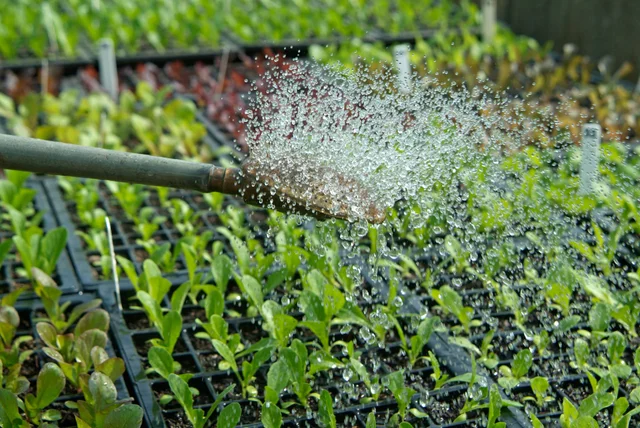
Generally borages in the ground will not need watering, but they do prefer the soil to be moist, and watering in dry spells will encourage the plants to grow to a large size.
In containers
Borages in containers will need the to be kept moist, which can sometimes mean watering every day in summer.
Feeding
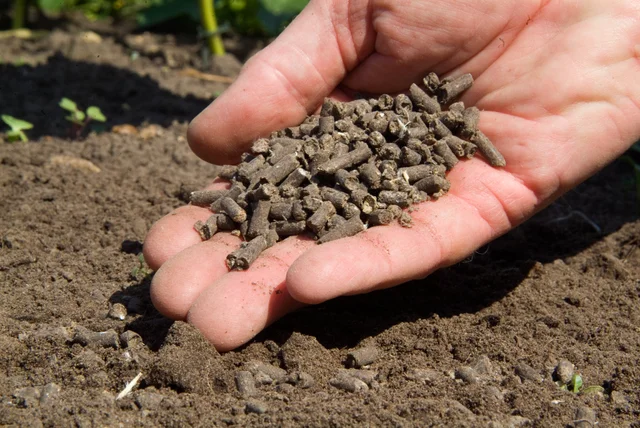
- Borages are not hungry plants and don’t usually need additional feeding
- However, when growing in poor or sandy soil, you can give plants a boost by feeding in spring with a general fertiliser, such as Growmore or fish, blood and bone. Always follow the instructions on the packet
Borages growing in containers should be fed annually in spring, as the in the compost soon run out (usually after about six weeks).
Caring for old plants
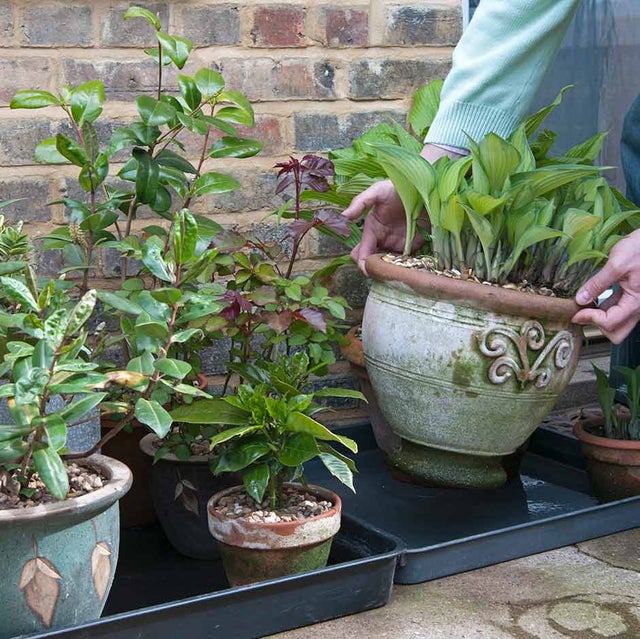
Dig or pull up plants after flowering, or when they start to look a bit tatty. You can collect seed to sow the following spring in pots or scatter on open ground.
Spring sown/planted borage will often begin to look worse for wear by August, so it's worth knowing they don't last all summer. If you pot these up, it's common for to quickly grow and take over the space, giving you flower again from September. To ensure this happens, keep the seedlings watered to encourage good growth.
Top Tip
If you don't want plants to self seed, pull up the borage after flowering. You will usually have ripe seed from the early flowers by the time the last flowers fade.
Pruning and Training
No pruning is required borage. Plants generally don't need staking, but sometimes they can flop over and so will occasionally need a support to prevent a plant squashing it's neighbours in the border.
Tidy away the remains of B. pygmaea by cutting down in autumn. It will resprout in spring.
Propagating
Growing from seed
Borages are very easily to grow from seed and you don't need a greenhouse to raise them. You can buy packets of seed or sow seed you have collected yourself.
See our sowing hardy guides below, for full step-by-step details, but here are a few extra on seed collecting and growing tips:
- Collect the . These are hard and black, and contained within the remains of the old flowers. Simply pick out or shake off the seed into a paper bag
- Store the ripe, dry seeds in a tin in a cool room, or in an airtight container in the fridge
- In April, sow them in seed trays and pots, then keep at a temperature of 15˚C (59˚F), and plant these out when large enough to handle.
- Alternatively, sow the seeds directly in the ground - this is often the easiest method.
It is usually possible to successfully divide borage, Borago pygmaea, once it reaches a good plant size, preferably in early spring.
Problems
Borages rarely suffer from pests, but there is a disease that affect the appearance of the flowers and overall health of the plant:
- The herb borage can get powdery mildew later in summer. This is usually when the plants have largely finished flowering, so simply pull up these plants and
If you're a member of the RHS, you can use our online Gardening Advice Service, via MyRHS, for any gardening queries and problems.