RHS
RHS Appearance
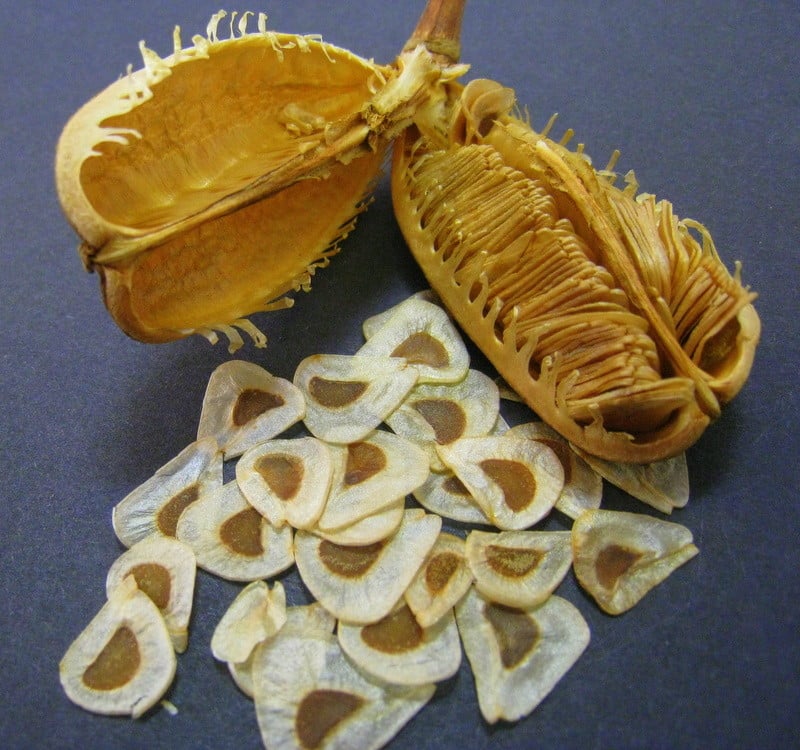
They have large, glossy, heart-shaped leaves that form a basal rosette in spring. These leaves are often a vibrant green, though some species and varieties emerge with bronze or purple tints. In mid- to late summer a thick, hollow stem rises, reaching 1.5-4m tall, and produces a head of 20 to 40 large, trumpet-shaped, vanilla-scented flowers. These are typically creamy-white with maroon or purple markings deep within the throat. Once the flowers fade, they are replaced by upright seed pods that remain decorative when dried.
Preferences
Cardiocrinum thrive in conditions that mimic their native forest floor with cool, dappled shade and deep, fertile, humus-rich soil that never dries out. They need shelter from winds that might topple them.
Dislikes
They do not tolerate hot, parched sites, which will cause the large leaves to wilt and scorch.
Once established, these plants hate being moved, and doing so can significantly delay flowering.
Did you know?
Historically, the massive hollow stems of Cardiocrinum giganteum were so sturdy that they were used by Himalayan villagers as pipes to carry water or even fashioned into flutes.
RHS Growing Guide
FREE
Read our comprehensive free RHS Growing Guide:
How to grow Cardiocrinum

Introducing Cardiocrinum
x of x
Showing
x to x
of x