Quick Facts
Most Dianthus are herbaceous perennials
1
The genus also includes annuals, biennials and sub-shrubs
2
Many produce long-lasting, scented, cut flowers
3
Suitable for borders, rock gardens, containers and under glass
4
All need well-drained soil and most prefer neutral to alkaline conditions
5
Perennials are drought tolerant once established
6
Dianthus can be grown from seed, cuttings or layers
7
Pinks in various forms are readily available; carnations are harder to find
8


Before you get started
What are Dianthus?
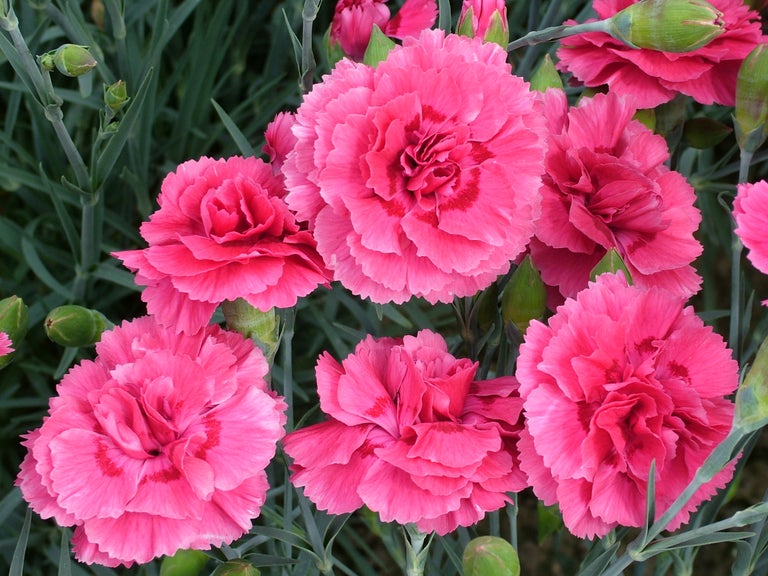
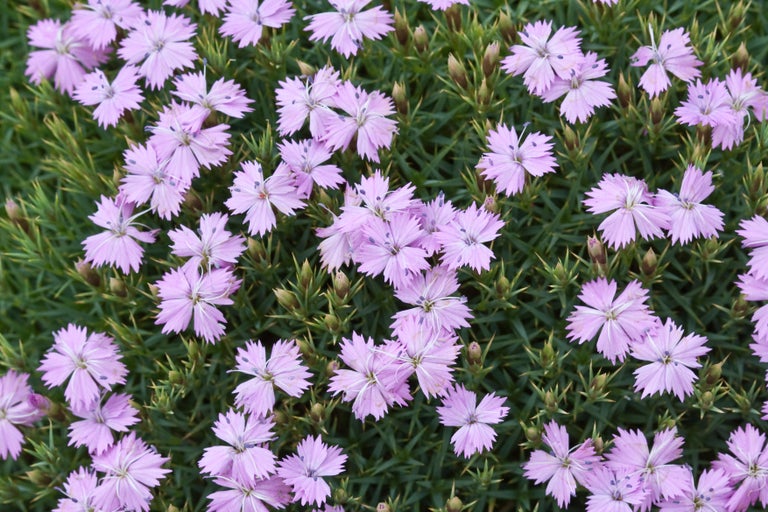
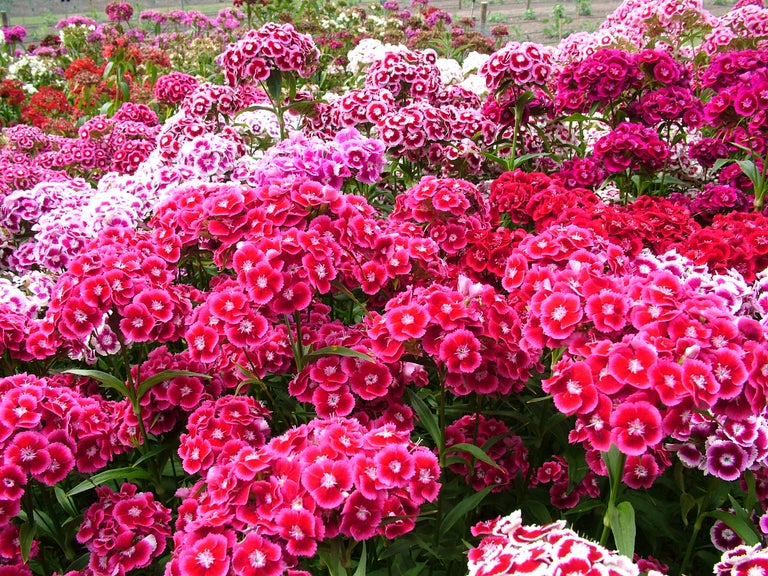
There are many forms of Dianthus, several of which are prized for their scent. Pinks include ground-hugging alpines, traditional garden pinks and popular bedding varieties. sweet williams are a versatile, cottage-garden staple, ideal for cutting, bedding and borders. Clove-scented, hardy carnations may also be grown in borders but cut-flower varieties require greenhouse conditions.
Choosing Dianthus
The main decisions are based on whether your garden offers the right growing conditions or if you are able to provide them in a container. Beyond that there is a range of flower colours – generally white, pinks and reds, but look out for deep purple, green and yellow too.
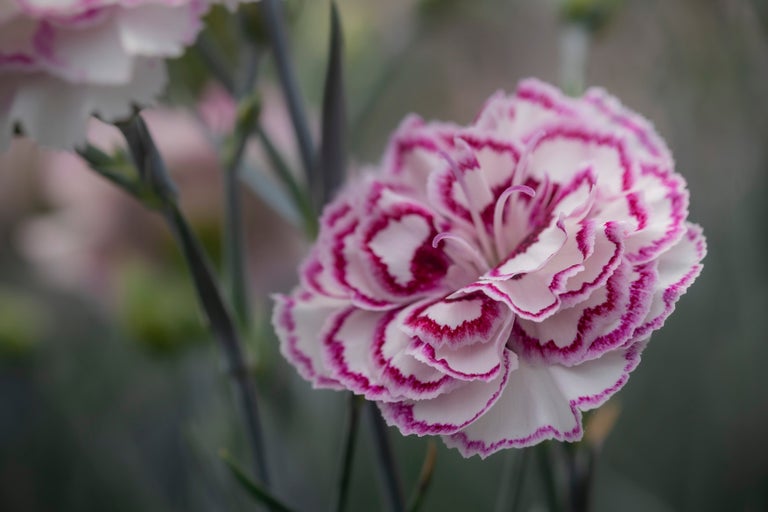
If you have a sunny, free-draining spot, there are many Dianthus that you can grow. These include short-lived Dianthus for bedding and containers, old-fashioned and modern varieties of garden pinks, border carnations and many alpine pinks. Colour-wise, many of these are pink but in a great variety of shades, as well as white and a range of reds, many with a contrasting eye, border or striped pattern.
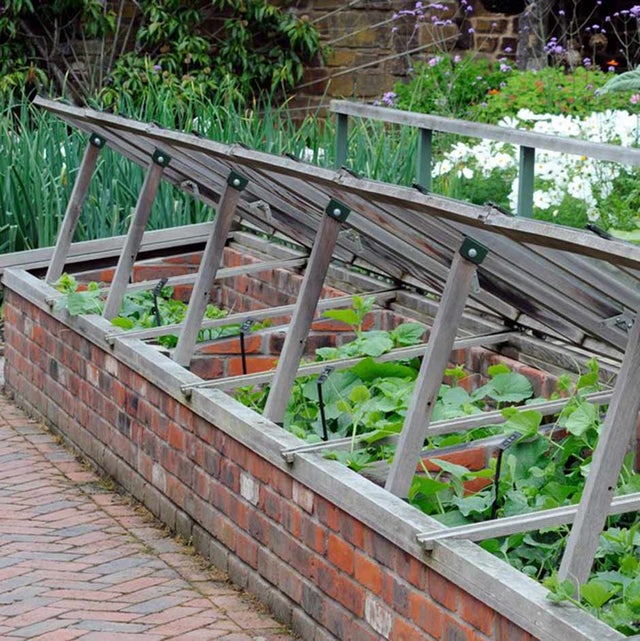
A few alpine pinks are so intolerant of excess soil moisture that they are best grown in containers housed in a or alpine house.
Perpetual-flowering carnations and Malmaison carnations, both grown for cut flowers, require the protection of a greenhouse or conservatory. The available varieties of Malmaisons have flowers in shades of pink, red or white, and are richly scented. Perpetual-flowering types have varieties in an astonishing range of colours – not just reds, whites and pinks but orange, green, smoky grey striped with bright pink and peach flecked with lilac. Sadly, not all are scented so check if this matters to you.
To help you choose from the many available Dianthus, look out for those that have received the RHS Recommended: Award of Garden Merit as these have been assessed and are known to perform well. Use the RHS Find a Plant tool to browse images and focus your search on your particular requirements.
Buying Dianthus
Garden centres are good places to find short-lived Dianthus for bedding and containers, including varieties of China pinks (D. chinensis) and sweet williams (D. barbatus). They will also stock some of the more robust alpine and rockery types, and probably a few garden pinks.
For more specialist alpine species, or particular named varieties, mail order specialists are a better bet. Use our Find a Plant tool to find stockists once you have made your choice.
Annual and biennial pinks are also easy to grow from seed, available in retail outlets and by mail order.
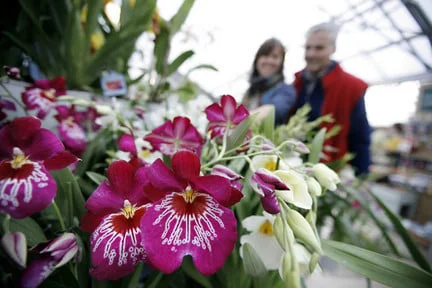
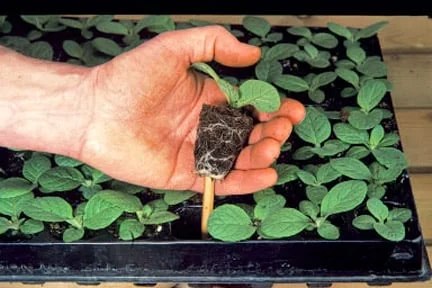
While pinks are generally easy to find, carnations can be more of a challenge. With hardy border carnations, perpetual-flowering and Malmaison types, only small numbers are produced each year in a limited range of varieties. However, some specialist nurseries may have them available by mail order; alternatively, try plant fairs and shows.
There are National Collections of older perpetual-flowering carnations and Malmaison carnations, helping to ensure that some cultivars are conserved for the future.
Planting
When to plant
Most Dianthus are best planted outside in spring. However, many are sold when in flower during the summer, when they can also be planted, as long as the soil is kept moist while they establish.
Where to plant
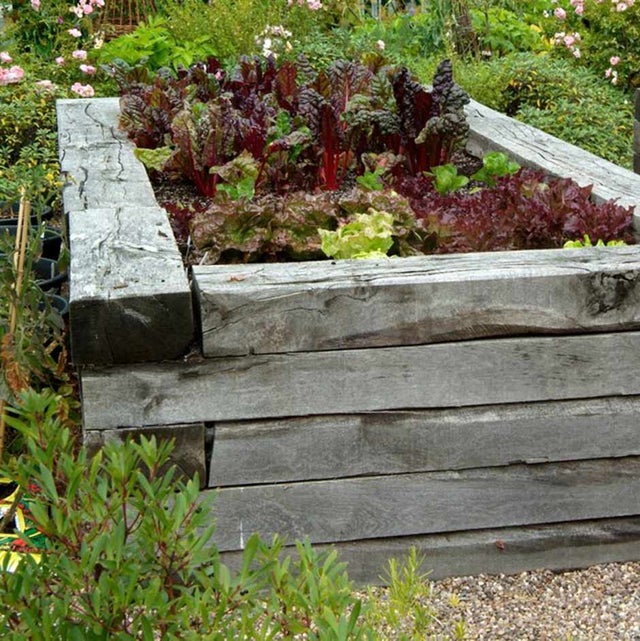
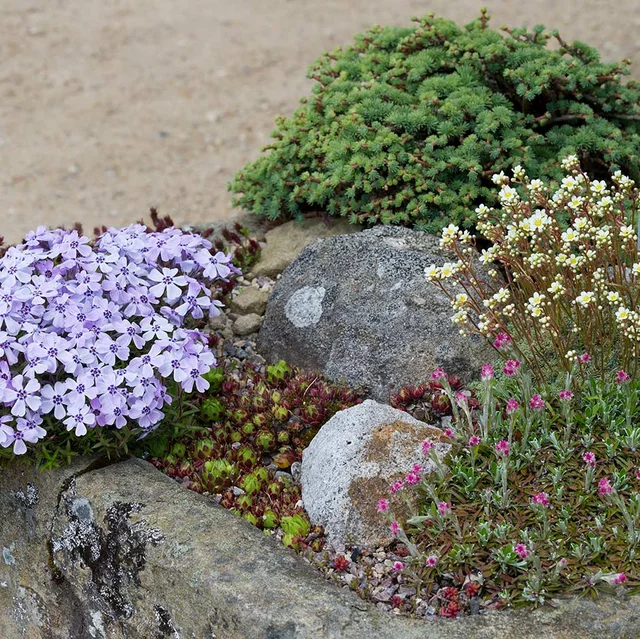
Hardy Dianthus grow well in full sun on free-draining soil. If your soil is prone to waterlogging, grow Dianthus in containers or raised beds so you can provide the good drainage they require. There are a few specific requirements for particular Dianthus, which are detailed here:
- Alpine species benefit from the sharp drainage of a raised bed or trough
- Most Dianthus prefer neutral to alkaline soils. Annual and Dianthus will tolerate more acidic soils, as will some that are suitable for rock gardens, such as D. glacialis, D. microlepis and D. pavonius
- Most Dianthus are fully hardy, except for perpetual-flowering and Malmaison carnations which are usually grown in a frost-free greenhouse

How to plant
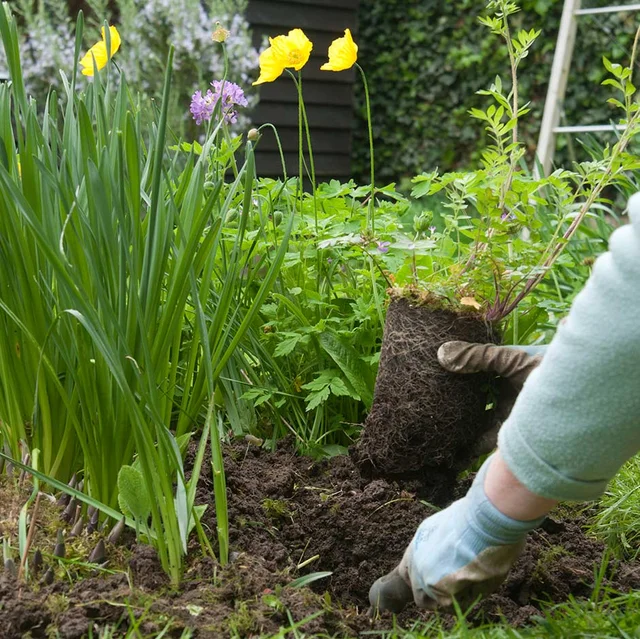
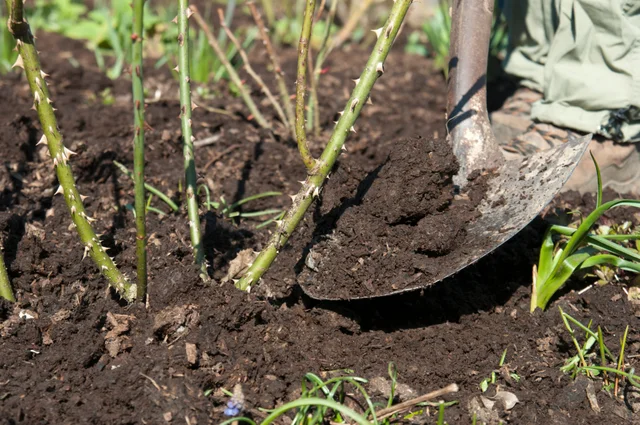
Dianthus like well-drained soil and will not thrive where the soil is . To improve drainage in borders, dig in plenty of well-rotted organic matter such as leafmould or garden before planting. Although it can be tempting to add grit, sand or gravel to improve heavier clay soils, you need extremely large quantities to make a noticeable difference. Incorporating organic matter not only improves structure and drainage but boosts fertility too.
If you buy container-grown Dianthus, plant them at the same soil depth as they are in the container, ensuring the lowest leaves are above soil level. Mail-order plants are likely to be smaller and may need planting into larger pots to grow on for a few weeks before planting out. Malmaison and perpetual-flowering carnations are best kept permanently in pots.


Ongoing care
Watering
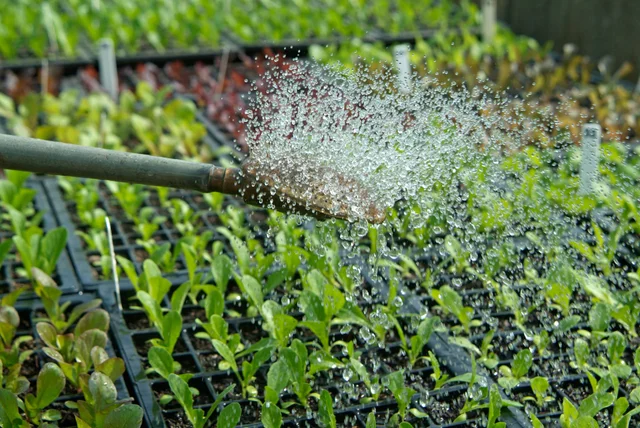
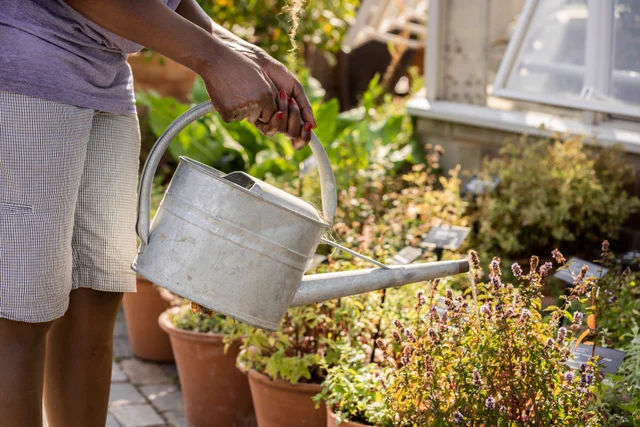
Water well after planting. Plants in containers will need checking regularly and may need daily watering in hot weather. Established Dianthus in borders should only need watering during very prolonged dry spells.
Feeding
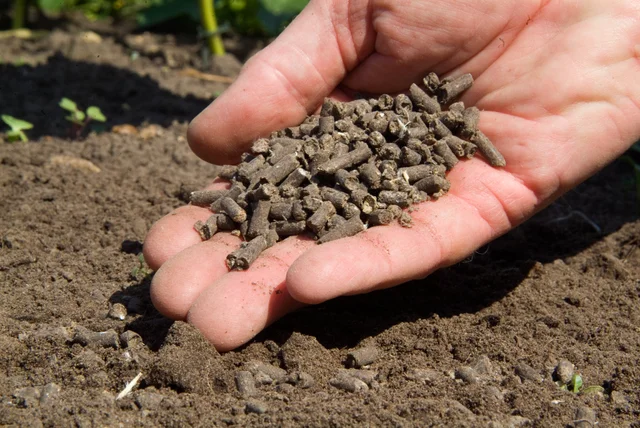
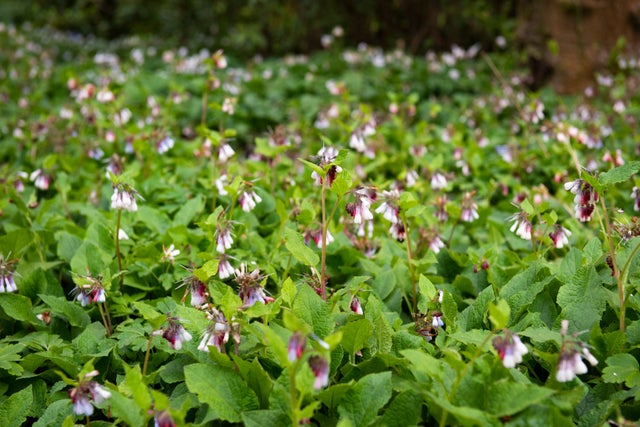
Dianthus grown in the ground are unlikely to need additional feeding. Plants in containers, especially short-lived bedding types, will benefit from additional fertiliser – see our advice below. Perpetual-flowering and Malmaison carnations will also benefit from applications of an organic liquid fertiliser during the .
Overwintering
Most Dianthus are fully hardy and are more likely to be damaged by winter wet than cold. Good drainage will help protect them, though some alpine species will need to be overwintered under cover, without any extra heat.
Perpetual-flowering carnations are tender and are normally grown under glass in a greenhouse or conservatory year-round. They can flower throughout the year if they have enough light and the temperature remains at 10°C or more.
Malmaison types flower mostly in summer and need shelter but no additional heat over winter.
Caring for older plants
Some Dianthus are short-lived, and others tend to go bare in the centre. Taking every two or three years will ensure a constant supply of good flowering plants. See Propagation below.
Pruning and training
Disbudding carnations
Carnations naturally produce a spray of around six flowers on each stem. To produce larger flowers, the number per stem is reduced by disbudding – gently nipping off two or more buds once they are large enough to remove. To produce florist-style carnations, remove all but one .
Deadheading
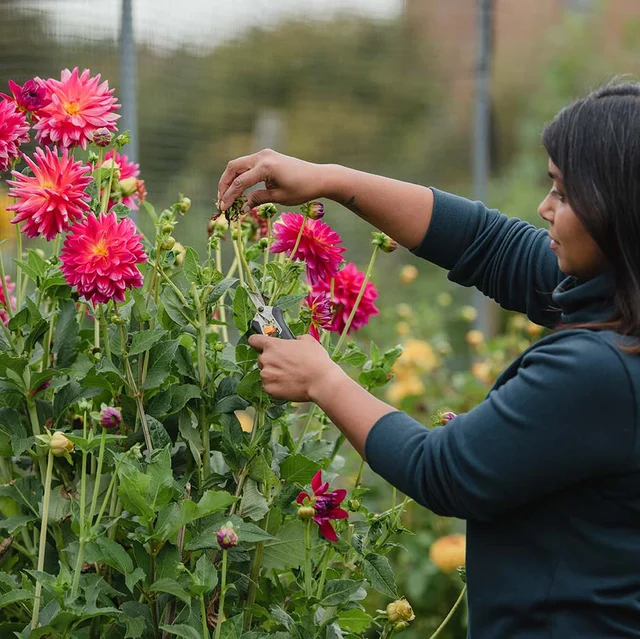
With both pinks and carnations, removing faded flowers down to the next bud or side shoot will keep plants looking tidy and encourage more flowering.
Support
Carnations of all types generally need support for their large flower heads atop tall, narrow stems. Wire rings supported on thin canes are the traditional technique. Pinks are much shorter and generally self-supporting.
Propagation
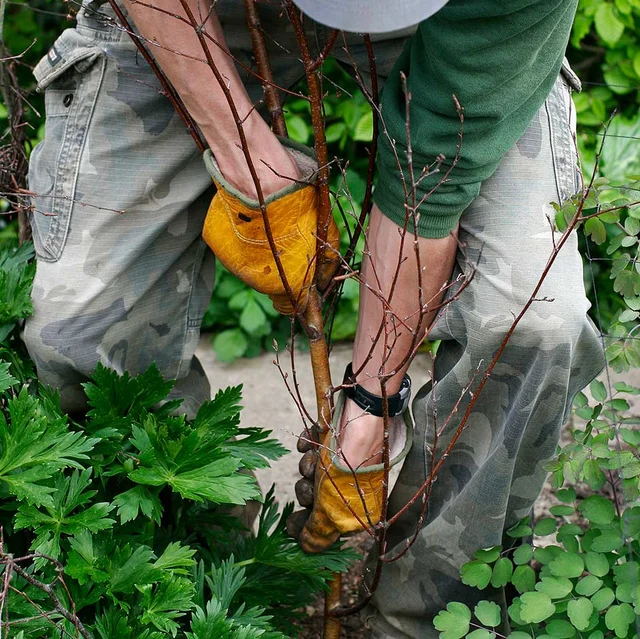
Dianthus are generally propagated from seed or by .
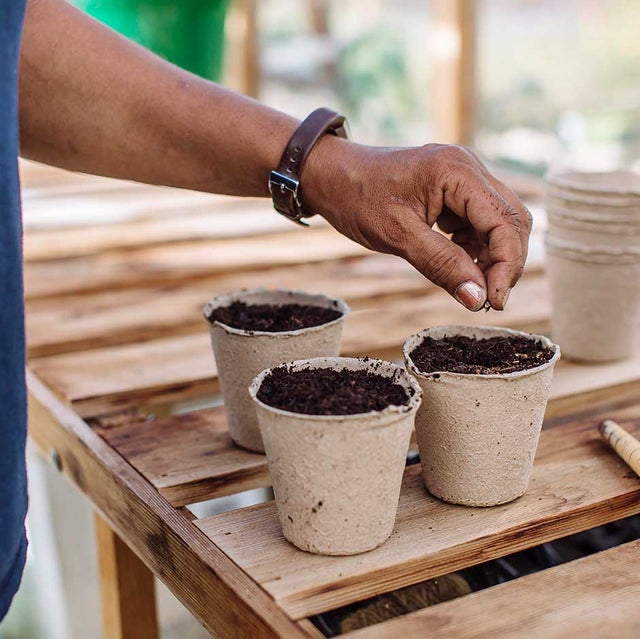
- Alpine species: sow seed in containers in a from autumn to early spring
- : sow seed in containers at 13–15°C in early spring
- Biennials: sow in situ in autumn, or in containers at 13–15°C in early spring to flower in the same year
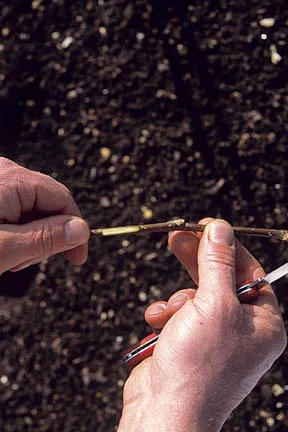
- Border carnations: take cuttings from non-flowering shoots in summer or propagate by layering after flowering
- Pinks and other Dianthus: take cuttings from non-flowering shoots in summer
- Perpetual-flowering and Malmaison carnations: take cuttings from non-flowering shoots in late winter. Once the young plants have developed six pairs of leaves, encourage branching by removing the tip of the shoot, known as pinching out or stopping
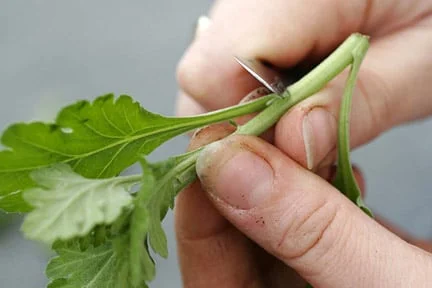
- Pinks and carnations: take cuttings known as pipings by gently tugging the top of a non-flowering shoot, or a side shoot, so it comes away from the rest of the stem. It is then treated like a softwood cutting. Pipings can sometimes be found when you buy cut-flower carnations

Problems
Dianthus can be short-lived. Although many are technically , most Dianthus used for bedding displays are best replaced after their first year. Regular propagation from (see Propagation above) will keep garden pinks healthy and flowering well.
Aphids and slugs can be a problem on Dianthus grown outside.
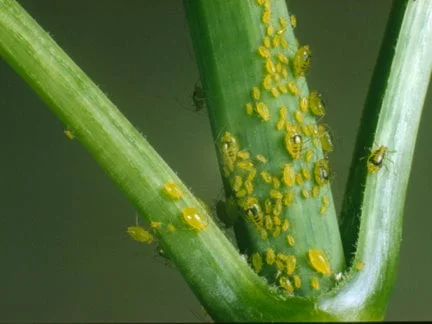
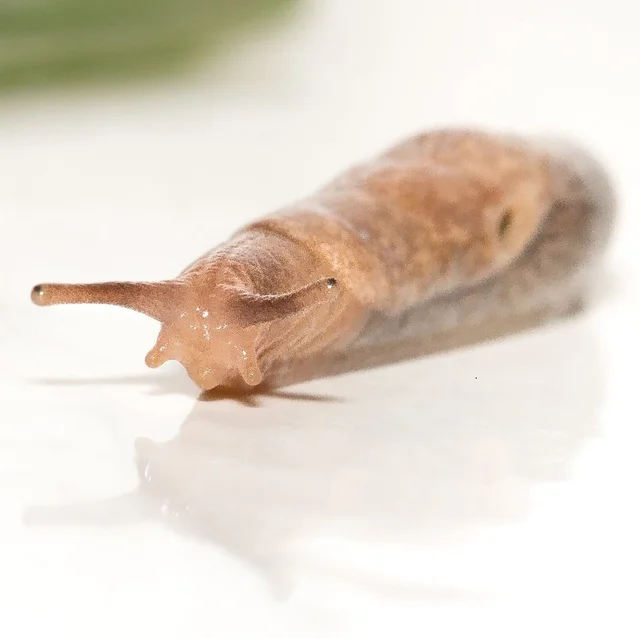
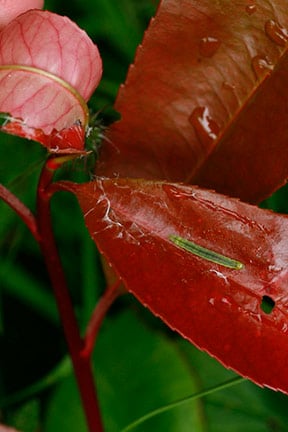
Aphids, thrips, tortrix moth caterpillars and spider mites may damage carnations under glass.
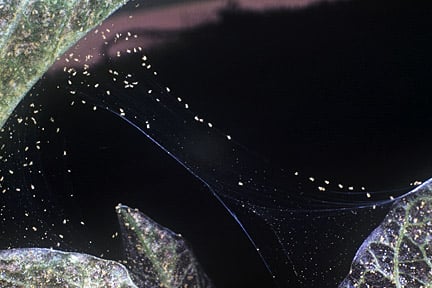
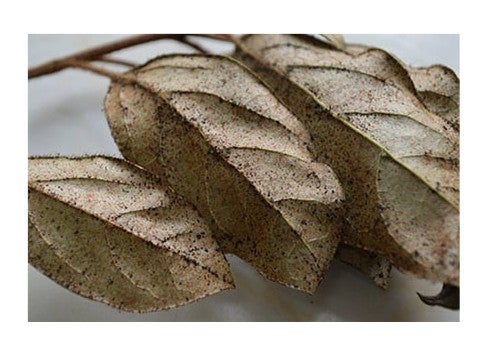
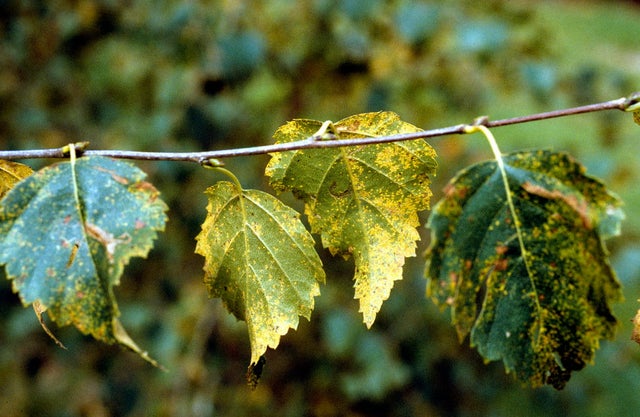
Rust can affect the leaves and stems of carnations, pinks and sweet williams.
If you are a member of the RHS, you can use our online Gardening Advice service for any gardening questions.