Quick Facts
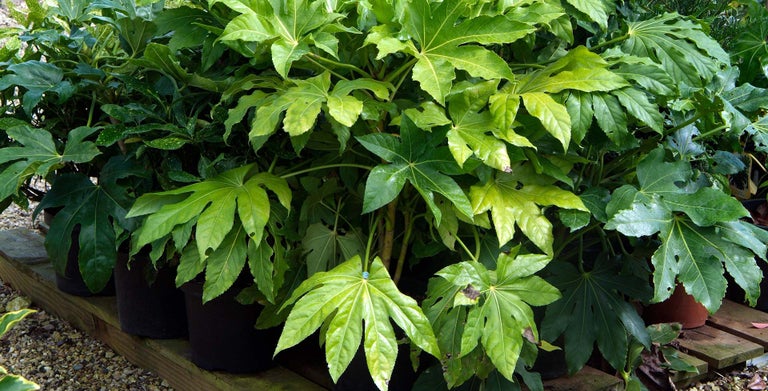
Large, glossy evergreen leaves
1
Small whorls of cream-coloured flowers in spring
2
Exotic, architectural appearance
3
Mostly frost hardy
4
Will cope with dry soil in shade
5
Some cultivars have variegated leaves
6


Before you get started
What are fatsias?
Fatsias are large, hardy, evergreen shrubs growing 2-3m tall and wide, with evergreen leaves up to 50cm across. They are to Japan, Korea and Taiwan and are commonly known as Japanese aralia. Their botanical family, Araliaceae, also includes Hedera (ivy) and Schefflera, which is often grown as a houseplant.
Choosing
Fatsia japonica is the main species, with a few different cultivars, though they are mostly similar in shape and form. Where they differ is in the leaf colour, with varying degrees of white, cream or yellow . The cultivars Fatsia japonica ‘Moseri’ and F. japonica ‘Annelise’ don’t grow as large as the others, so are potentially suitable for indoor use. F. polycarpa is similar in appearance and size to F. japonica, with very attractive leaves, but is much less hardy so it will need winter protection if grown outdoors.
Fatsia japonica, F. japonica ‘Variegata’ and F. polycarpa have the RHS Recommended: Award of Garden Merit, showing they have been tested and trialled by the RHS for garden worthiness.
Buying
Fatsias are widely available in garden centres all over the UK and from online nurseries. They are often available as more mature specimens and as houseplants in indoor sections of garden centres.
Use the RHS Find a Plant tool to track down stockists of specific cultivars.
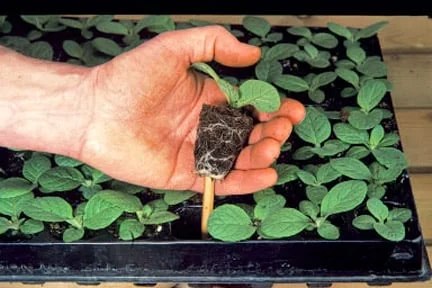
Planting
When to plant
These shrubs can be planted at any time of year, but ideally avoid planting in summer when they’ll need additional watering or in winter if the ground is frozen. Spring and autumn are optimum times to plant. They’re more likely to receive rainfall at these times and in the autumn the soil will still be warm, which helps the roots get established.
Where to plant
Fatsias do best in partial shade in fertile soil but they will also tolerate deeper shade and dry soil. In dry soil they will need additional watering when they are first planted to help them get established. Similarly, they will tolerate full sun providing the soil is fertile and doesn’t dry out too quickly. They’ll cover 2-3 sq.m so make sure you give them plenty of space.
How to plant
In borders
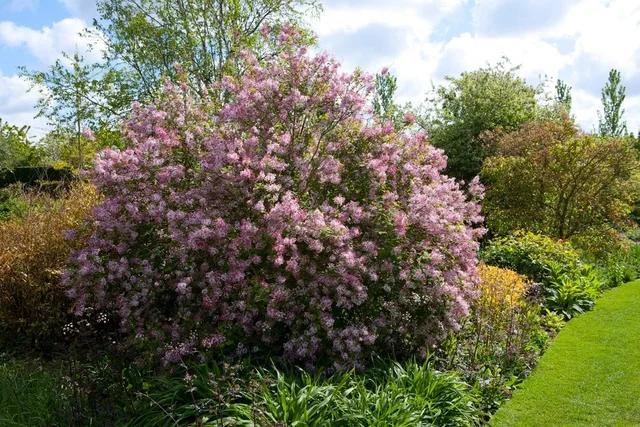
Fatsias prefer partial shade and moist, rich soil. For more information and tips about how to plant them, look at our webpage on planting shrubs.
In containers
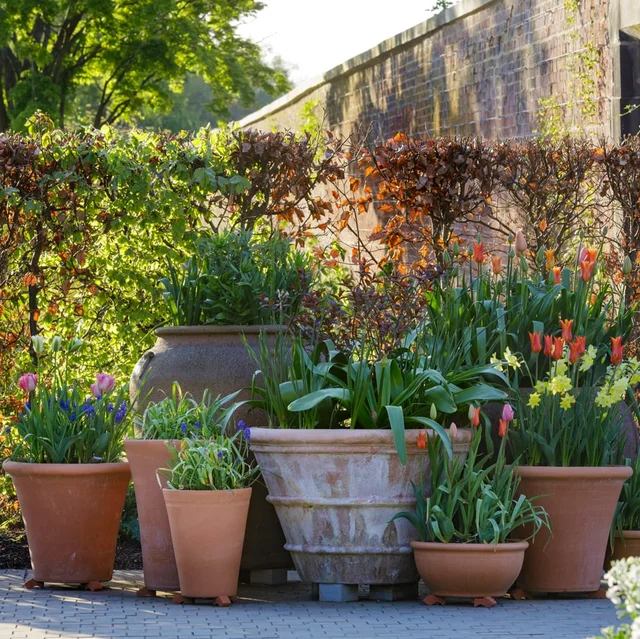
Fatsias can make good short-term container plants, though in the long term, they will grow large. Plant them in a soil-based, peat-free like John Innes No. 3. They’ll need plenty of water and regular feeding.
Ongoing care
Watering
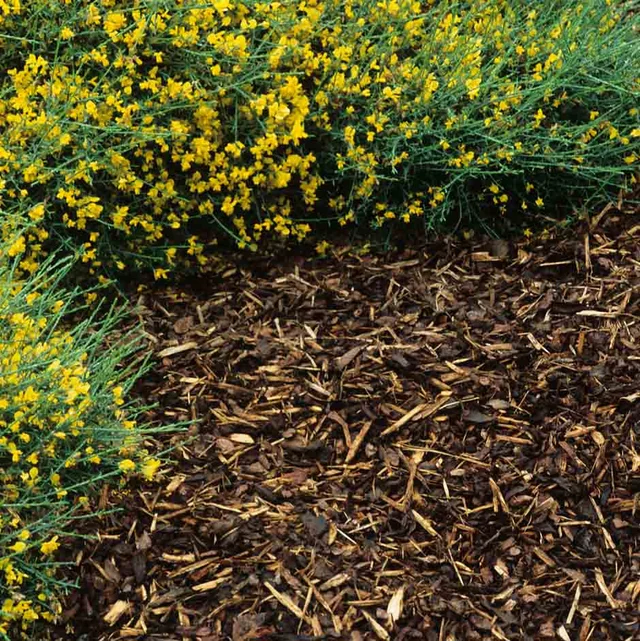
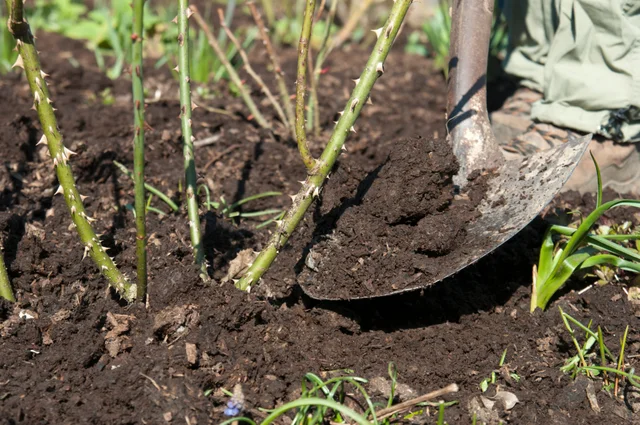
If they are growing in the garden they shouldn’t need watering once they’re established. the soil every year with well-rotted manure or home-made . This will help the soil hold on to moisture and avoid the need for additional watering.
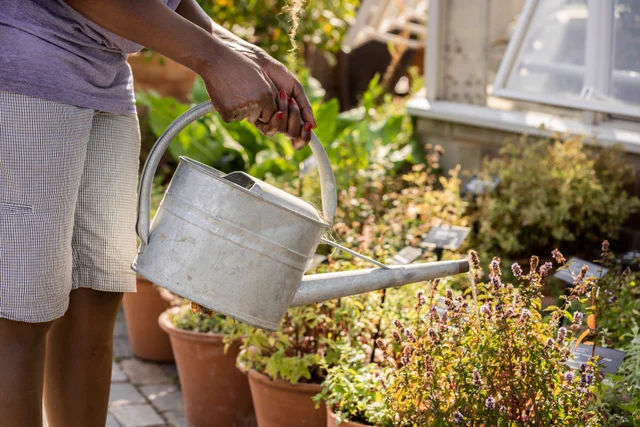
If plants are growing in containers they will need regular watering, especially in spring and summer. The surface of peat-free compost often looks dry but in fact is still moist below the surface, so check beforehand to avoid overwatering. Push your finger into the compost to feel if it is dry or damp below the surface. Apply water if the compost feels dry.
Feeding
If they are growing in fertile soil they shouldn’t need additional feeding. Regular mulching with organic matter will provide enough .
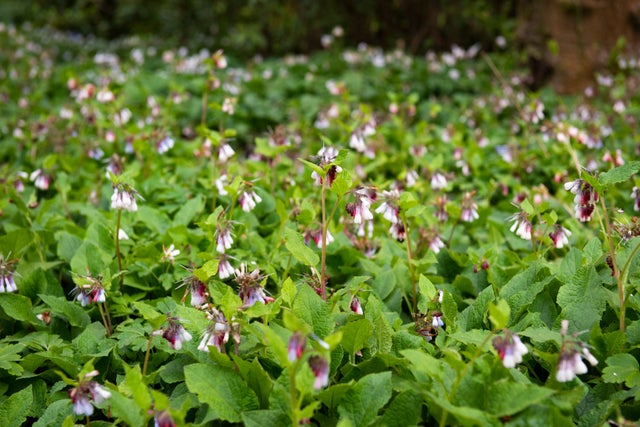
In containers they will need feeding during the spring and summer. Try an organic fertiliser like liquid seaweed or a more sustainable option is to make your own using comfrey plants.
Deadheading
Creamy-white flowers appear in October/November. They do not require , simply allow the spent flowers to die back naturally and fall to the soil, where they will rot down. As plants become mature they will sometimes produce black berries which are attractive to birds.
Overwintering
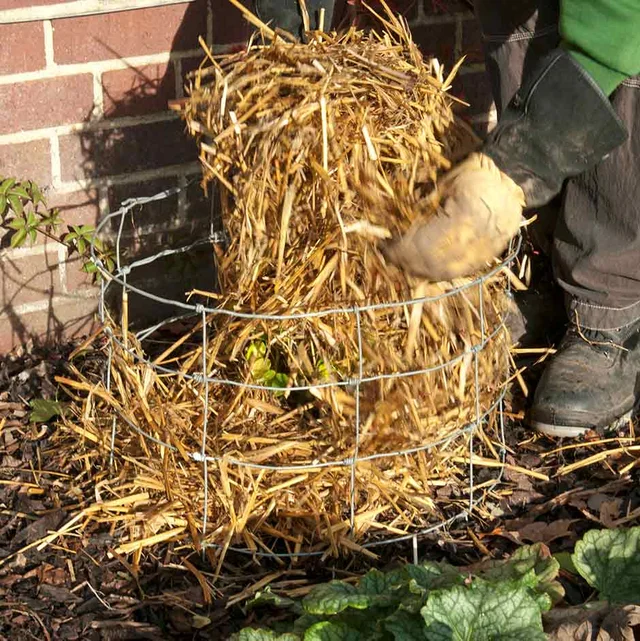
Most fatsias are hardy, so don’t need winter protection, but Fatsia polycarpa needs frost-free conditions.
Caring for older plants
Mature plants can be reduced in size and renovated if they’ve become overgrown or too large. Prune back old stems in spring and new growth will appear. Spreading a mulch of well-rotted manure around the base of the plant will help encourage new growth and help prevent water evaporation from the soil.
Top Tip
The glossy evergreen leaves and the overall architectural form means fatsias work well in exotic style planting and complement other plants like cannas, bananas and tree ferns. These plants can be grown outdoors but need protection from frost in winter.
Pruning and training
Fatsias need no routine pruning. Wayward, dead or damaged shoots can be removed in mid- to late spring. They can be pruned to reduce their size but as they are so architectural, pruning can sometimes spoil their shape.
Propagating
By cuttings
are the quickest and easiest technique. Take about 20cm long in spring or summer, place them in pots of peat-free potting and keep at a temperature of 15-20°C.
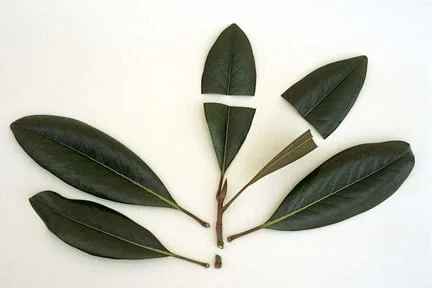
By seed
After the plant has flowered, allow the berries to form. Wait until the berries are dark and ripe, usually in late winter or early spring. Soak the berries in water until the pulp is soft then crush the softened pulp to extract the seeds.
Sow seeds into peat-free potting compost, covering them lightly with compost. Water them and place in a . Ideally, they’ll need 20°C to help them germinate.
Place the out of direct sunlight and keep the compost moist but not soggy. can take anywhere from two to eight weeks.
When the are large enough to handle (about 7cm tall), transplant them into larger pots. Ensure they remain in a warm environment and continue to provide adequate moisture.
Care for young plants
Water young plants regularly, especially during dry periods. As they grow, you can acclimatise them to outdoor conditions. Wait until after the danger of frost has passed and then place the young plants outdoors during the spring and summer. You should be able to plant them in the garden in the autumn.
Problems
Insects
May be susceptible to:
- Scale insects
- Thrips
- Mealybugs (if grown indoors)
Diseases
May be susceptible to:
- Leaf spot
- Honey fungus
If you are a member of the RHS, you can use our online Gardening Advice Service, via MyRHS, for any gardening problems or queries.