Appearance
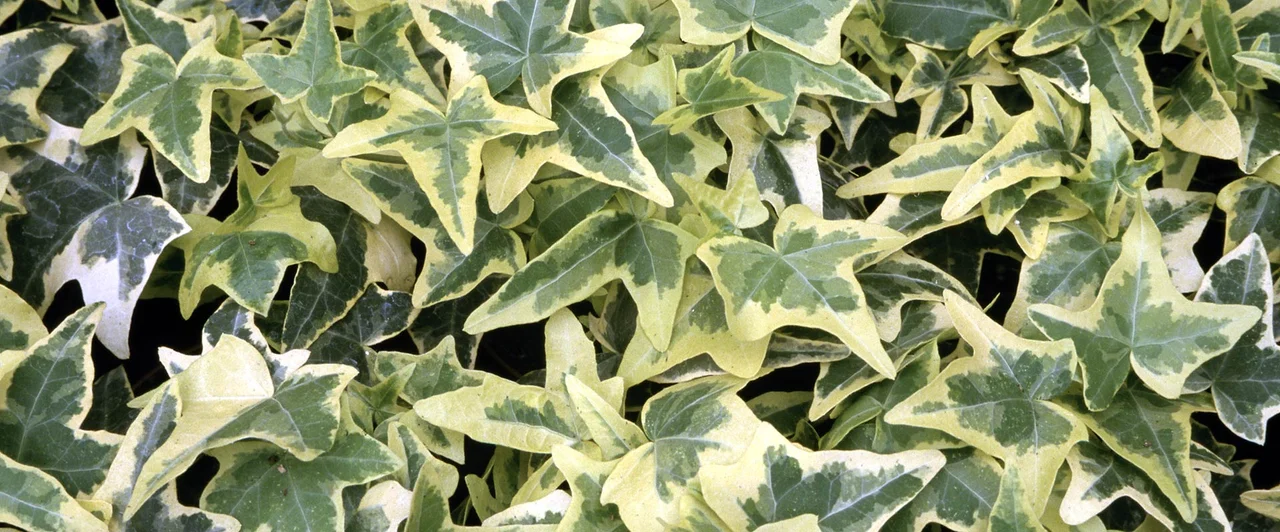
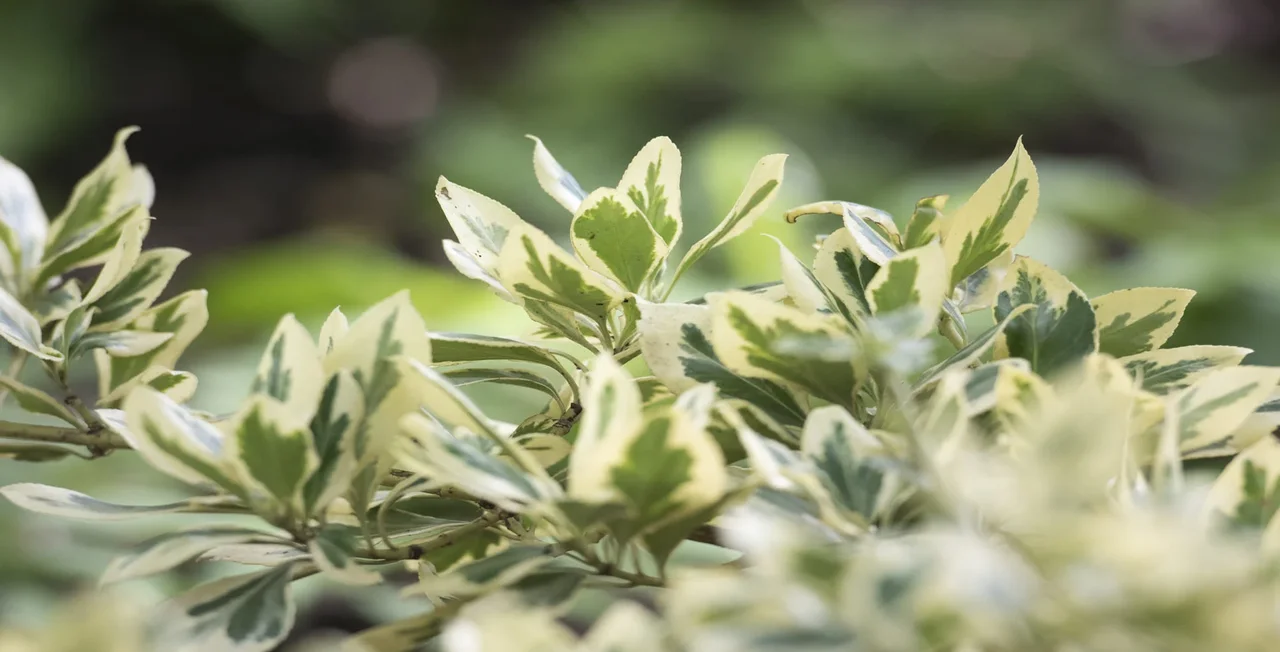
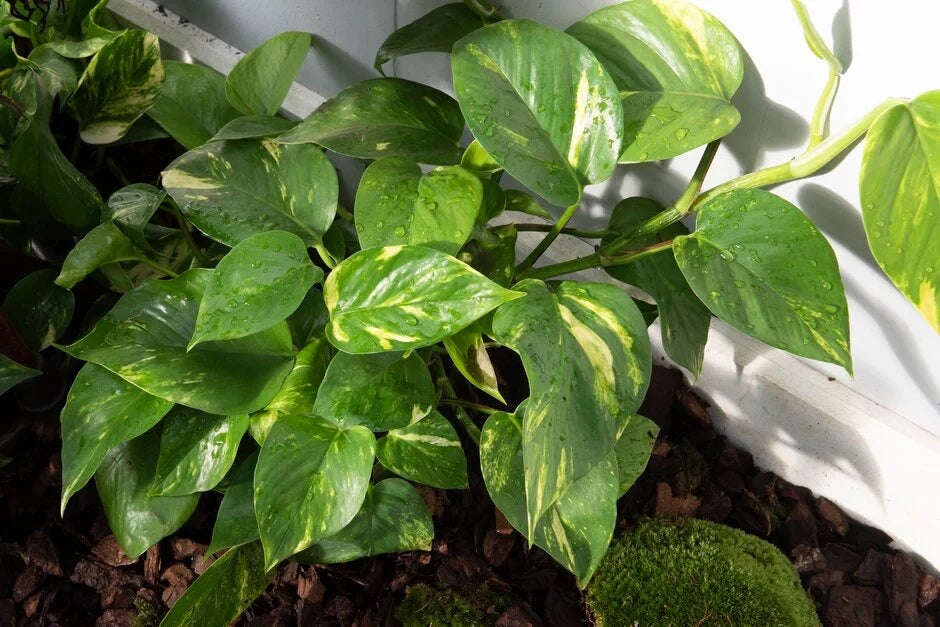
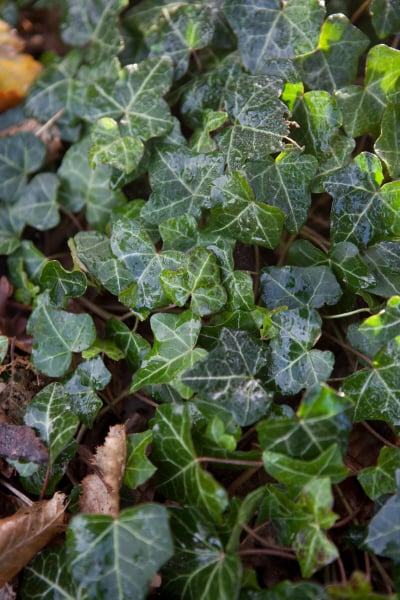
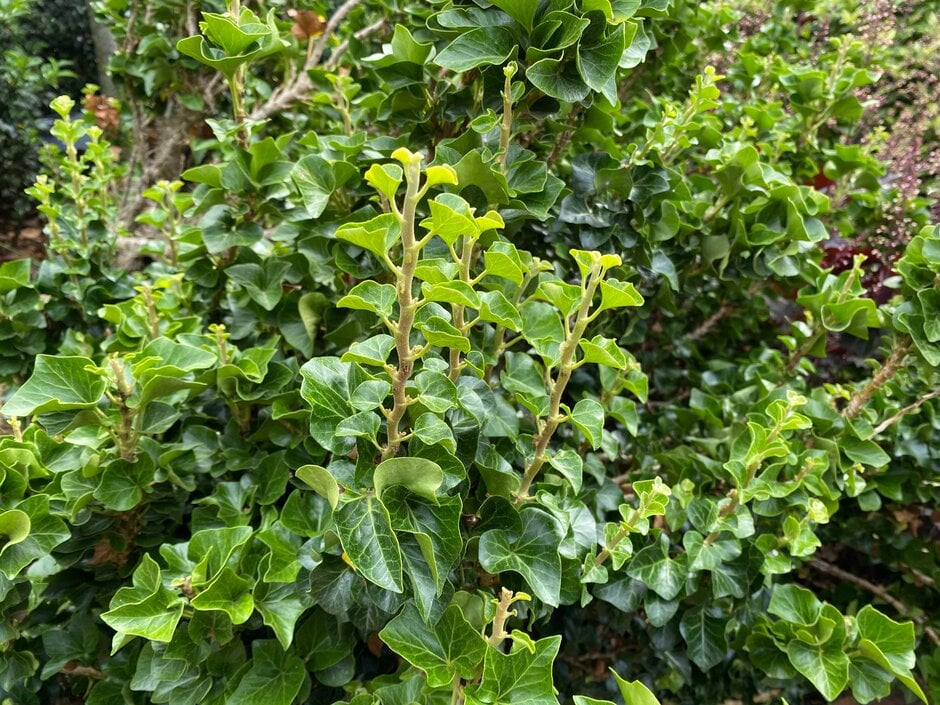
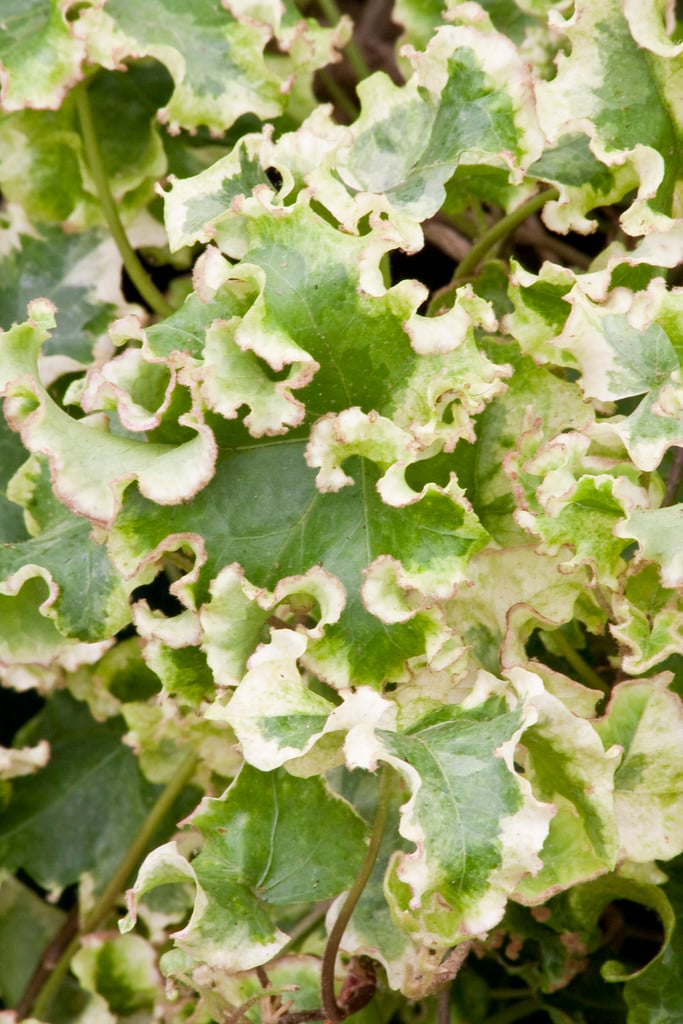
Most ivies are self-clinging, woody climbers, with evergreen leaves that are generally heart- or diamond-shaped, or with five broad or narrow lobes. There are many varieties with white or cream edges, centres or marbling. Leaf sizes can vary from a fingernail to a full hand span. As they mature, many ivies stop growing upwards and instead develop bushy branches, flowers and berries.
Preferences
Ivies grow well in nearly all soil types in varying degrees of shade. Plain green varieties can grow in deep shade, while variegated types are best with some sunlight. If growing in containers or as a houseplant, use peat-free multipurpose or loam-based compost. Indoors they do best in low or indirect light, but if variegated varieties lose their sparkle, move them to a brighter spot.
Dislikes
Most ivies will tolerate a wide range of growing conditions but not waterlogged soil or compost – make sure containers can drain freely, especially in winter. Large-leaved ivies, especially Hedera algeriensis, can be damaged if exposed to cold, drying winds in winter, though they usually recover. Indoors, avoid placing plants in direct sunlight through glass, as this can scorch the leaves.
Did you know?
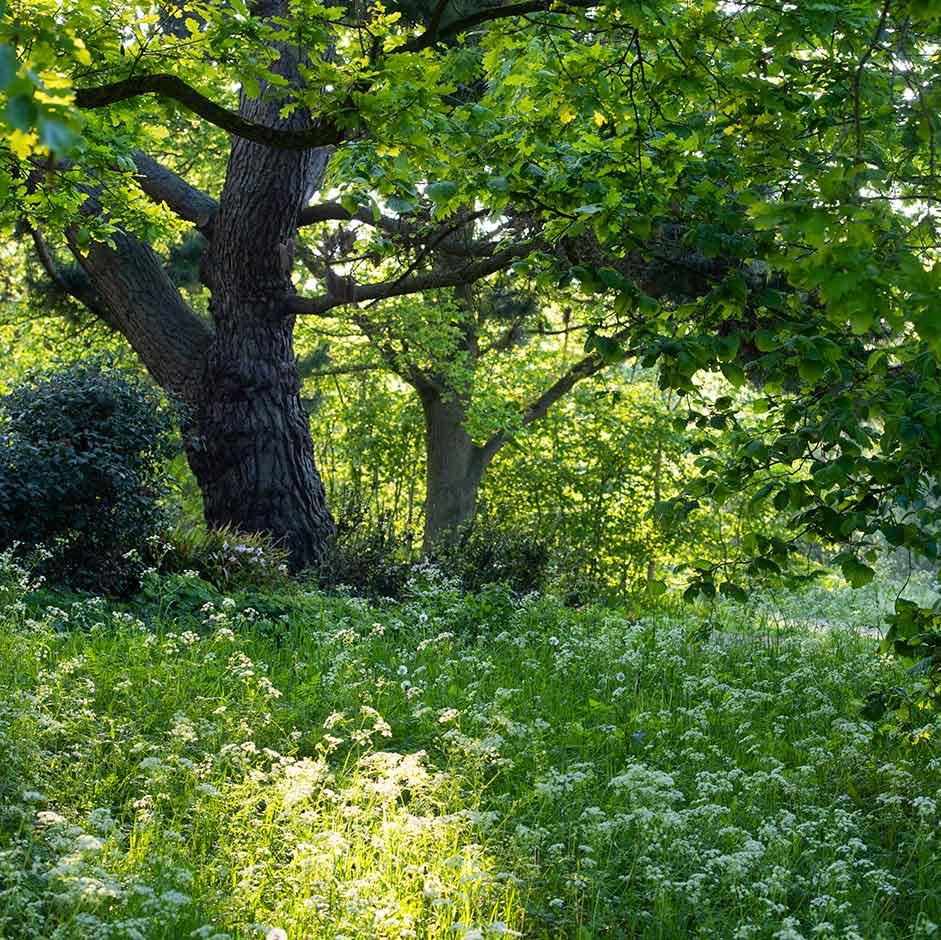
Ivy will not directly harm healthy trees or sound masonry, but helps to shed rain, provides useful insulation and valuable shelter for wildlife. Flowering in late summer and autumn, it offers crucial late nectar for bees, butterflies and other insects, while the fat-rich berries give birds a boost in winter.

Introducing Ivy (Hedera)
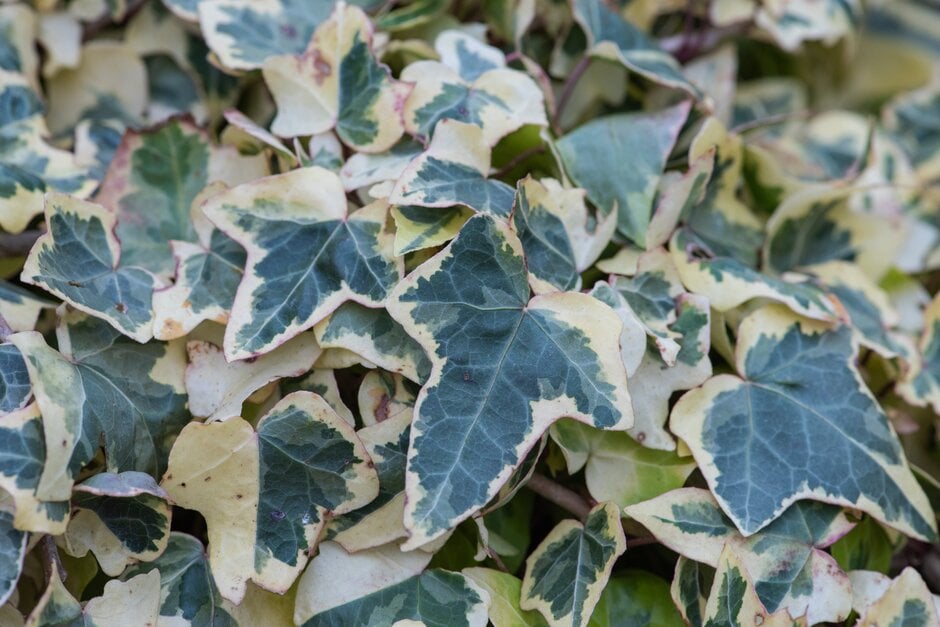
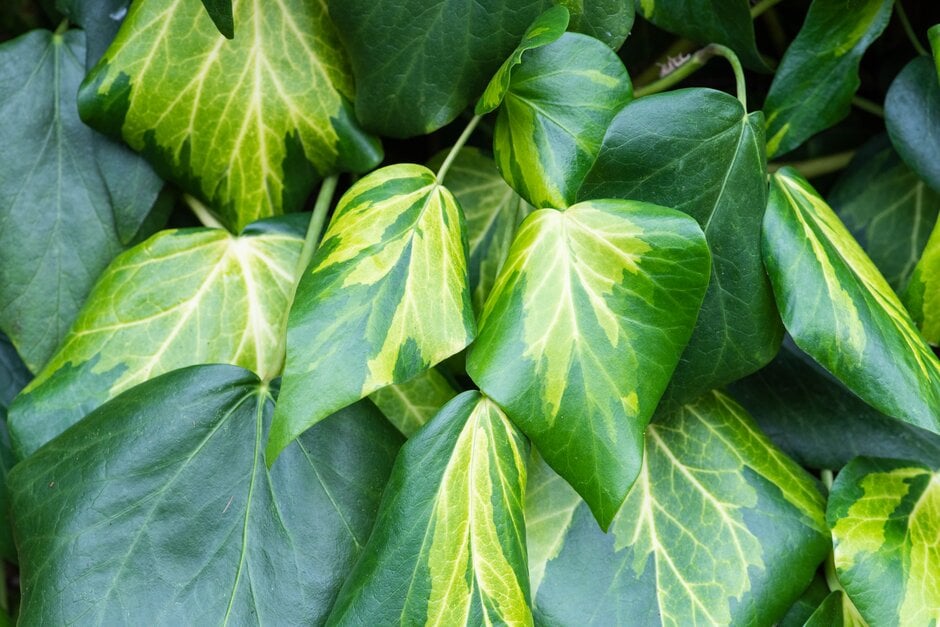
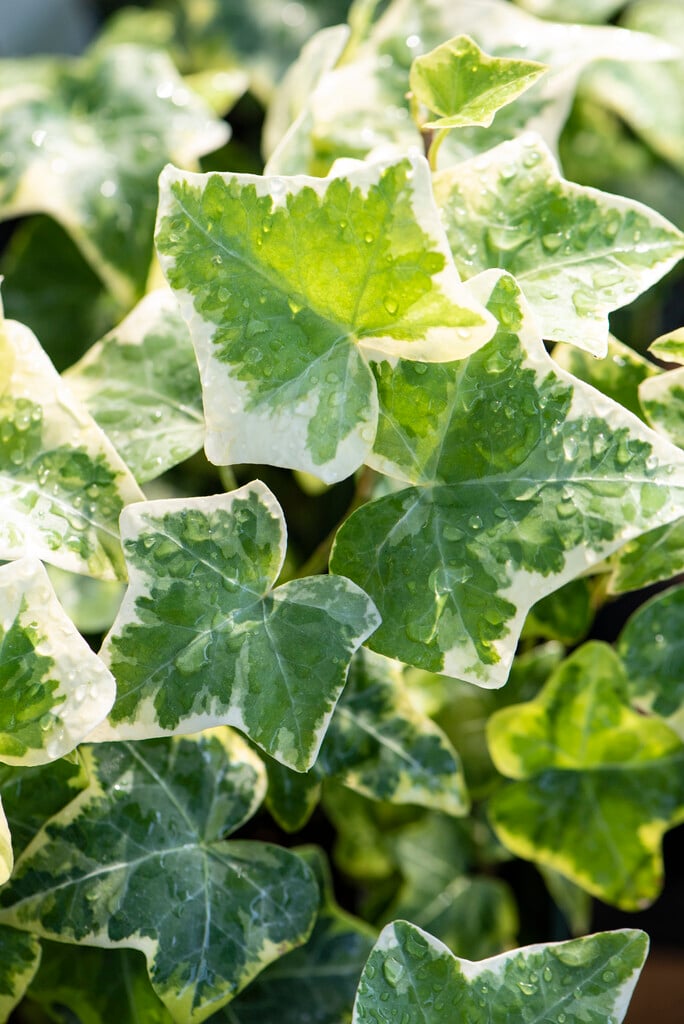
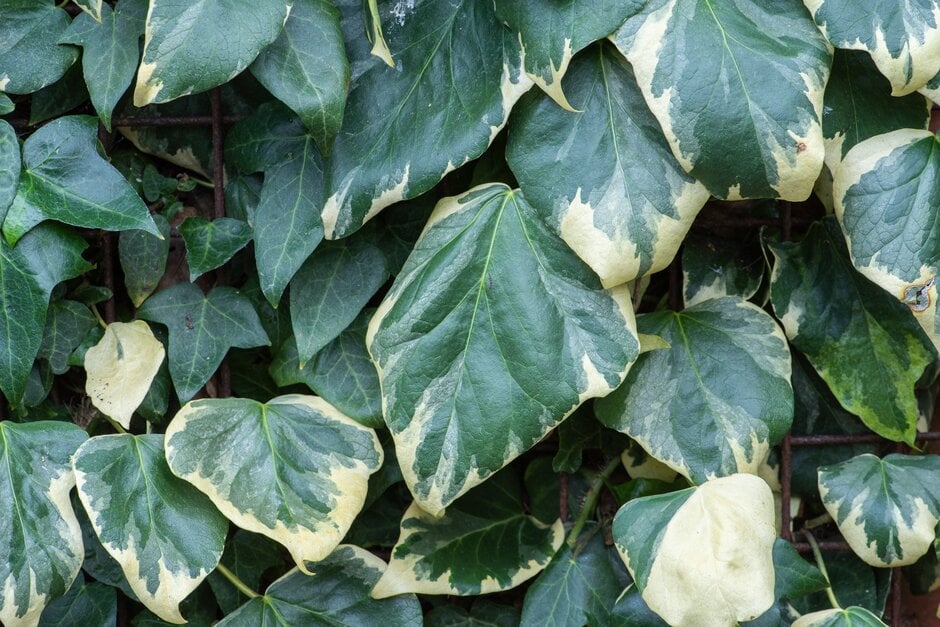
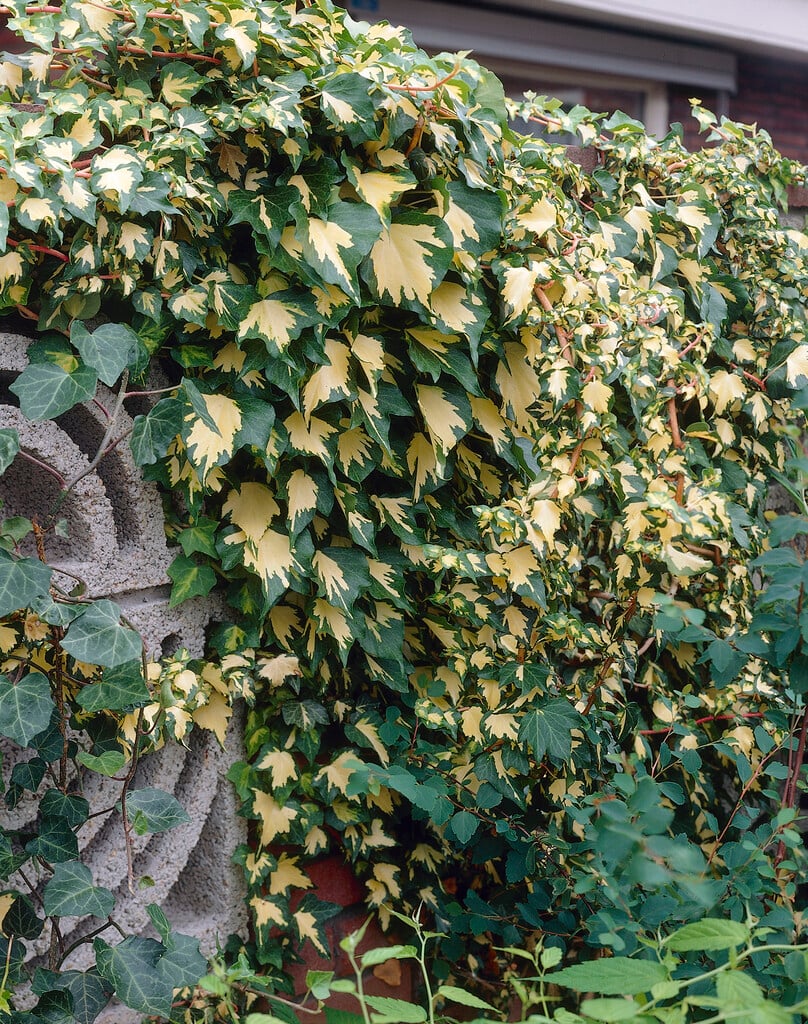
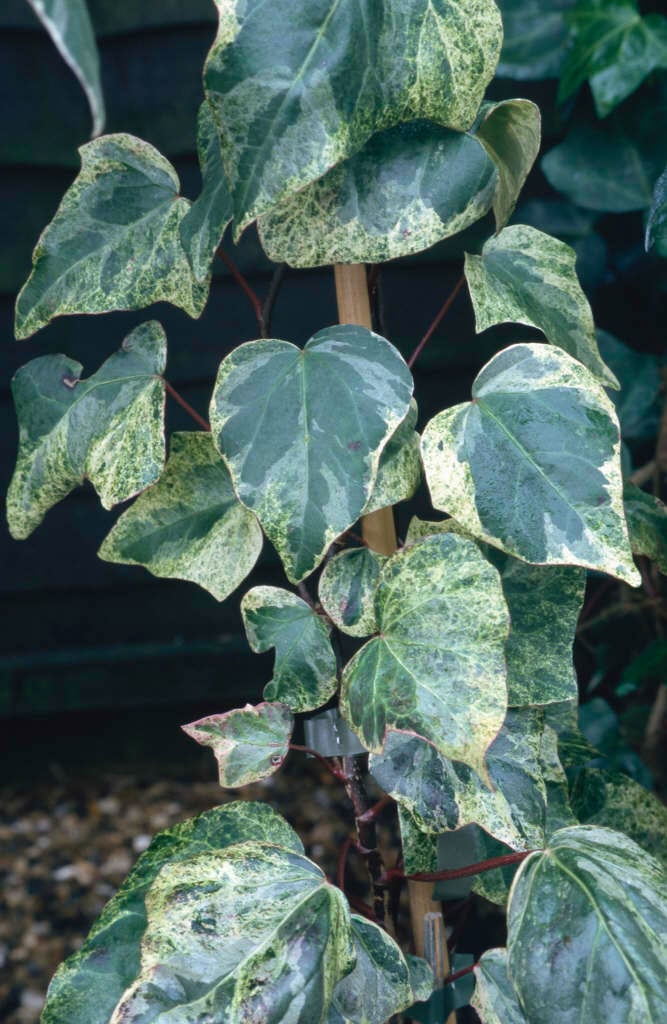
Hedera algeriensis 'Marginomaculata' (v)
Algerian ivy 'Marginomaculata'
- Height
- 2.5–4 metres
- Width
- 2.5–4 metres
x of x
Showing
x to x
of x