Quick Facts
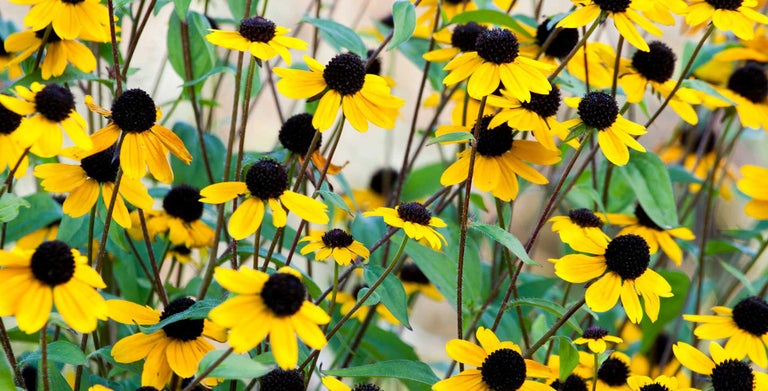
Rudbeckias flower between late summer and autumn
1
Thrives in sun
2
Grow well in most soils
3
Suitable for borders, containers and prairie-style plantings
4
Heights range from 25cm (10in) to 3m (10ft)
5
Many are perennials, lasting many years
6
Single flowered rudbeckia are good for pollinators
7
Seedheads are attractive in winter
8


Before you get started
Choosing rudbeckias
The popularity of this genus is well deserved; it is easy to grow, lends itself to different planting styles, flowers for a long time, and is good for wildlife.
When selecting the right one for your garden, bear in mind the following:
- Most species grown in the UK are hardy herbaceous perennials. The main exception is R. hirta which is very short lived and not reliably hardy, so it is usually grown as an annual from seed
- If you want to grow an annual for summer bedding, cut flowers, containers or for borders, choose a of R. hirta
- Rudbeckias vary a lot in size. R. hirta ‘Toto’ reaches about 25cm (10in), whereas R. laciniata can grow to 3m (10ft). Tall types will benefit from staking or shortening using the pruning technique of the Chelsea chop
- Most rudbeckias grow in easily manageable clumps, but R. laciniata has vigorous (horizontal underground stems) that make it better suited to larger gardens else you'll need to lift and divide clumps regularly to keep them in check
- All types like a sunny spot and they will struggle if the soil dries out in the . R. hirta and R. fulgida var. deamii are slightly more tolerant than most of dry conditions
- Although they like a moisture retentive soil, rudbeckias don’t like prolonged periods of wet soil in winter. R. maxima and R. subtomentosa are more able than most to withstand wet conditions
- Choose rubeckias that have received the RHS Award of Garden Merit, as these have been assessed and are known to perform well
Buying rudbeckias
Buy seeds for annual and Rudbeckia from garden centres and online seed catalogues (eg. Chiltern Seeds, Thompson & Morgan).
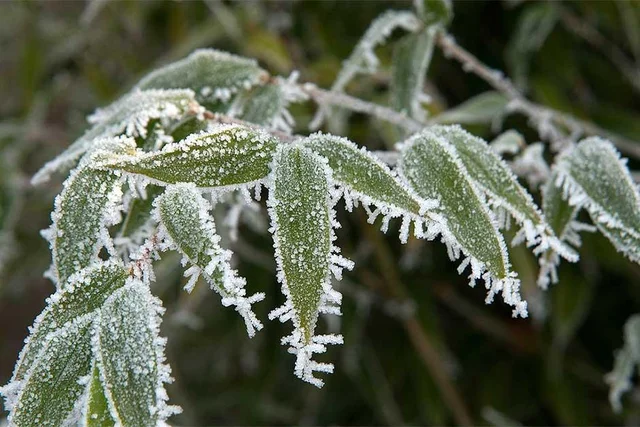
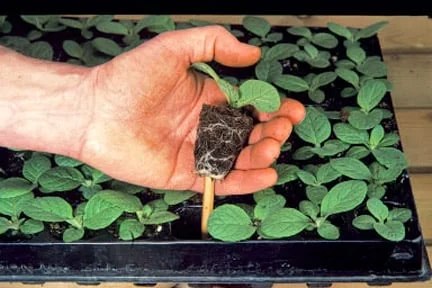
Buy small in spring from garden centres or by mail order. You will need to pot plug plants into larger 9cm (3½in) pots and harden them off (process of toughening them up so they can cope with outdoor temperatures) before planting out after the frosts (typically late May/early June).
Many garden centres and nurseries stock rudbeckias. Use our Find a Plant Tool for stockists.
You will most likely see container-grown rudbeckias for sale, but it is possible to buy herbaceous perennials as plants. These will be available by mail order from autumn through to early spring. Buying bare-root plants is a good way to avoid the use of new plastic pots (see 'When to plant' section below).

Planting
When to plant
- Annual rudbeckias will need hardening them off (process of toughening them up so they can cope with outdoor temperatures) before planting out after the frosts (typically late May/early June).
- rudbeckias are best planted in spring (March to early May) while the ground is moist.
Container-grownperennial rudbeckias are sold throughout the year at garden centres and nurseries. Plant at any time as long as the ground is not frozen or . If you plant in summer, they will require additional watering to keep the soil around the roots moist.
Plant perennial rudbeckias soon after delivery. If weather conditions are not favourable for planting it is important to ensure that the roots don’t dry out; you can stand the roots in a bucket of moist , or lay them diagonally in a shallow trench and back-fill with soil to cover the roots (heeling-in). Plant out as soon as weather conditions improve.
Where to plant
Rudbeckias grow well in full sun. They will flower okay in light shade, but the shadier the location the less they will flower.
Rudbeckias like a fertile soil that holds plenty of moisture in spring and summer. They don’t like to dry out, with well-rotted organic matter after planting and every spring to help retain moisture around the roots.
Rudbeckias originate from the prairies of North America, so they are able to grow well in exposed windy areas. They also grow happily in sheltered conditions.
How to plant
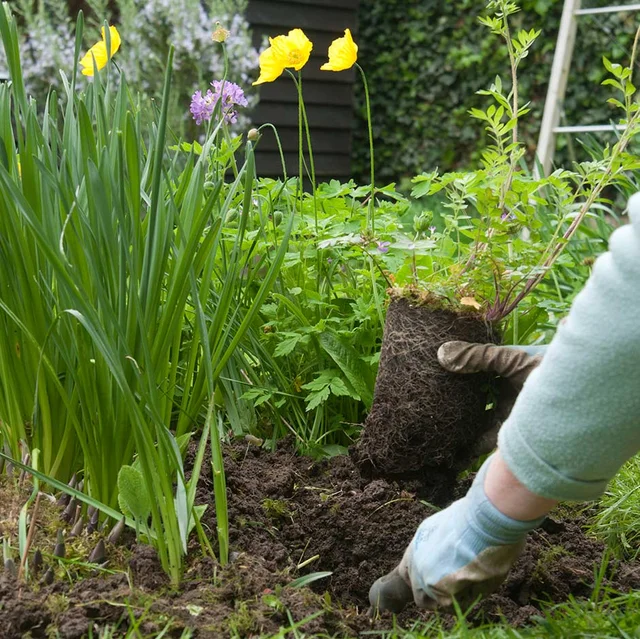
Rudbeckias are easy to plant, see our guide to planting perennials:
Ongoing Care
Watering
Rudbeckias in borders
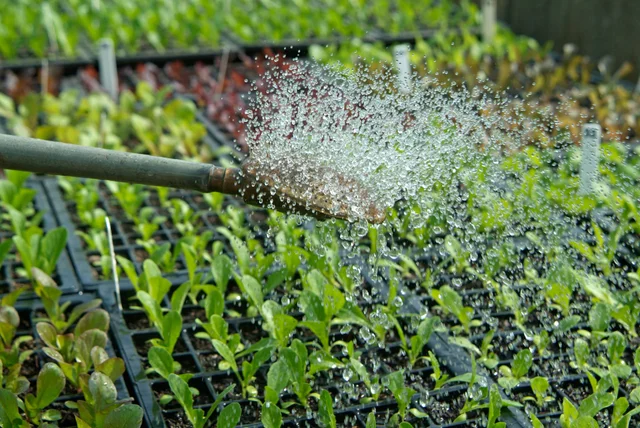
Water well after planting. On free-draining soil or during prolonged dry spells, they will need additional water to keep the soil around the roots slightly moist, but not soggy. Aim to water well and occasionally, rather than little and often.
Rudbeckias in containers
These need more frequent watering than plants growing in the ground. Water as often as needed, which could be daily in hot weather. Try not to let the dry out, but don’t let it get either.
Feeding
Rudbeckia need little or no regular applications of fertiliser in most garden soils. Mulching plants in borders with well-rotted manure or garden compost each spring should be sufficient. If your garden soil is light and sandy, feed your Rudbeckia plants in spring when they start to come into growth with a general-purpose fertiliser such as Growmore, applying a handful per sq. m/yd.
For containers, use a liquid fertiliser, such as Phostrogen or seaweed feed, diluting according to the instructions on the bottle.
Deadheading
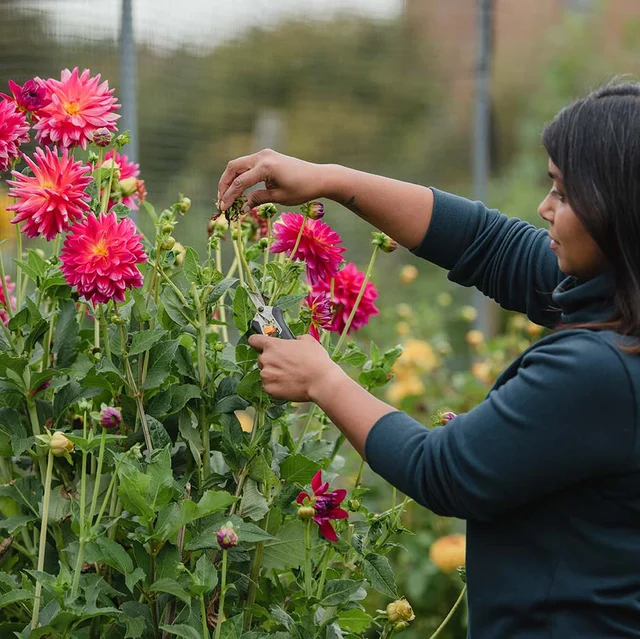
If you deadhead when flowers have faded this will encourage plants to keep flowering. To get the maximum amount of flowers from Rudbeckia grown as summer , it is definitely worth regularly . You might choose to leave the seedheads for winter interest. Cones of Rudbeckia seedheads from perennials look attractive during the winter and provide food for birds.
Overwintering
Hardy rudbeckias grown in open ground should not need any protection.
Cultivars of Rudbeckia hirta may survive some winters in relatively mild parts of the UK, but in most gardens they will struggle to get through the winter. Cultivars of R. hirta are usually grown as annuals and composted in late autumn, but because they are short-lived perennials they could be overwintered in a light, frost-free environment (such as a frost-free greenhouse) and planted outside the following May/June.
Pruning and Training
Caring for older plants
Some of the tall species need staking. Alternatively, you can Chelsea chop tall Rudbeckia in May to reduce the eventual height and do away with the need for staking.
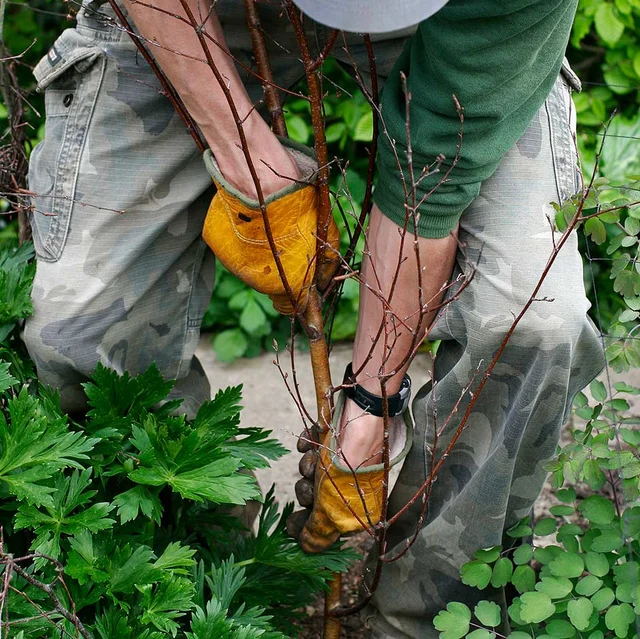
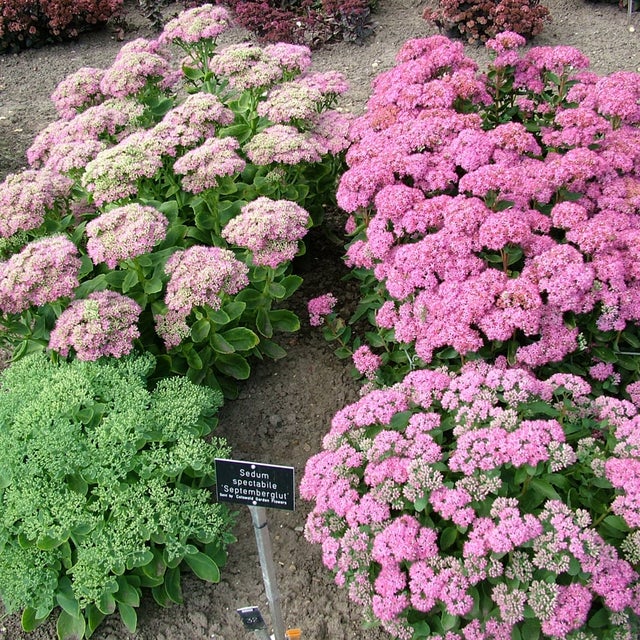
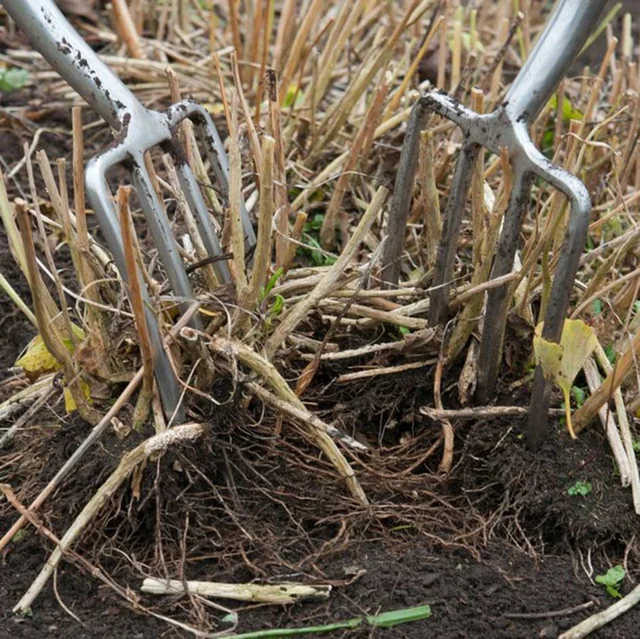
Like many herbaceous perennials, rudbeckias benefit from being lifted and divided every three to five years to maintain health and vigour. Lift and divide rudbeckias in early spring (March/April).
R. laciniata is vigorous and spreads by ; therefore, it might need lifting, dividing and reducing every two to three years to keep it in check.
Propagating
From division
Three to five years after planting a Rudbeckia, it will be ready to be dug up and divided into smaller clumps. This is an easy way to make more plants.
From seed
Rudbeckia can be propagated from seed; this is particularly useful for raising cultivars of R. hirta that are often used as .
Sow indoors in early spring (March/April) in trays containing moist, peat-free . Sow thinly and cover lightly with a thin layer of . Cover with glass, polythene or a lid and keep at approximately 20°C (68°F) until appear.
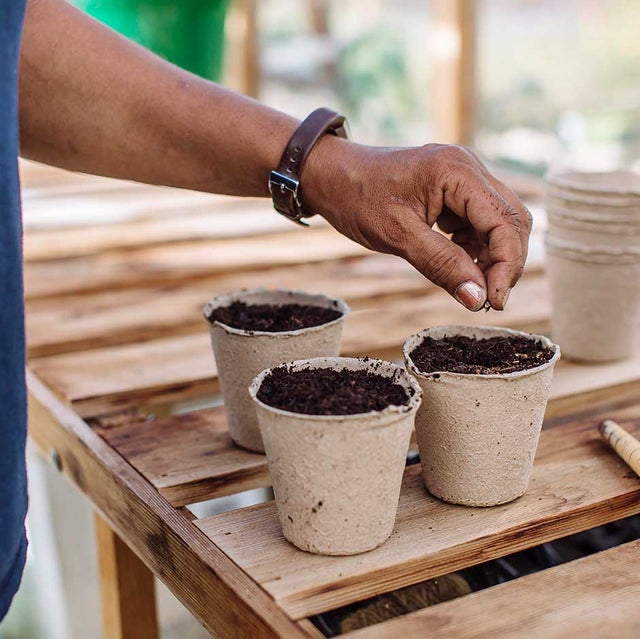
Sow outdoors in late spring (May) in a prepared .
Problems
Rudbeckias are robust, easy to grow plants but they can suffer from powdery mildew and aphids.
If rudbeckias grown as show scrawny poor growth, this usually indicates a lack of moisture. Water well in the summer to encourage good plant growth.