RHS / Graham Titchmarsh
 Appearance
Climbers naturally scramble upwards, clinging to supports using twining stems, tendrils, stem roots or sticky pads. Wall shrubs aren't natural climbers, but their woody stems can be trained against a wall or fence. Some are evergreen and keep their leaves all year, others are deciduous and lose them over winter.
Preferences
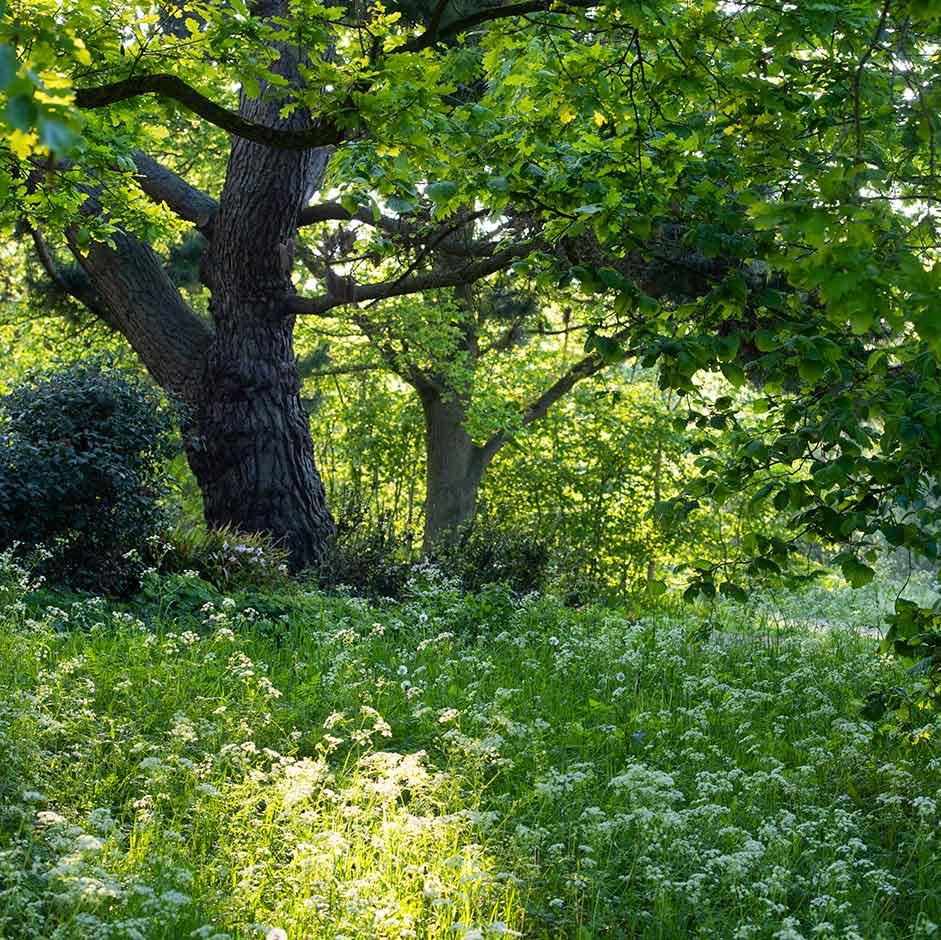
These plants enjoy the cool, shady conditions of walls or fences that get little or no direct sun. Most prefer rich, moist soil, with annual mulches of homemade garden compost, and may need additional watering, as they're often sheltered from rain by overhead tree canopies.
Dislikes
Shade loving climbers won't usually grow well in very sunny sites, which can be too harsh for them. Most don't like to dry out, so plant them 45cm (18in) away from the base of a wall, beyond the rainshadow, and lean the plant into the wall. Remember to water during dry spells, using rainwater where possible.
Did you know?
Training the stems of climbers and wall shrubs horizontally rather than allowing them to grow vertically, not only helps to more effectively cover a bare expanse of wall, but also tends to encourage flowering along their stems rather than just at the top.

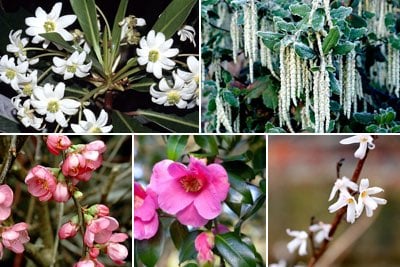
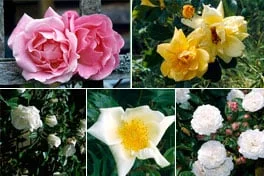

Introducing Climbers and wall shrubs for shade
![firethorn [Saphyr Orange]](/_image?href=https%3A%2F%2Fapps.rhs.org.uk%2Fplantselectorimages%2Fdetail%2FWSY0034270_4683.jpg&w=300&h=192)
Pyracantha [Saphyr Orange] ('Cadange')
firethorn [Saphyr Orange]
- Height
- 1.5–2.5 metres
- Width
- 1.5–2.5 metres
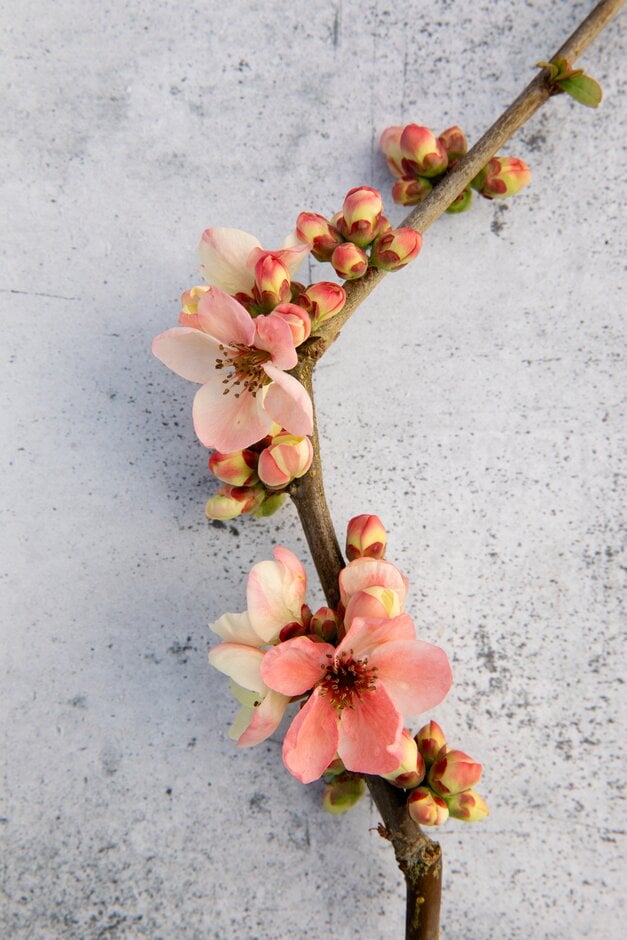
Chaenomeles speciosa 'Moerloosei'
Japanese quince 'Moerloosei'
- Height
- 1.5–2.5 metres
- Width
- 1.5–2.5 metres
x of x
Showing
x to x
of x