Getting Started
A popular and tasty crop, calabrese produces large domed green heads about 15cm (6in) across, for harvesting in summer and autumn. Growing calabrese yourself means you can enjoy it freshly picked, when its mild flavour and nutritional benefits are at their peak.
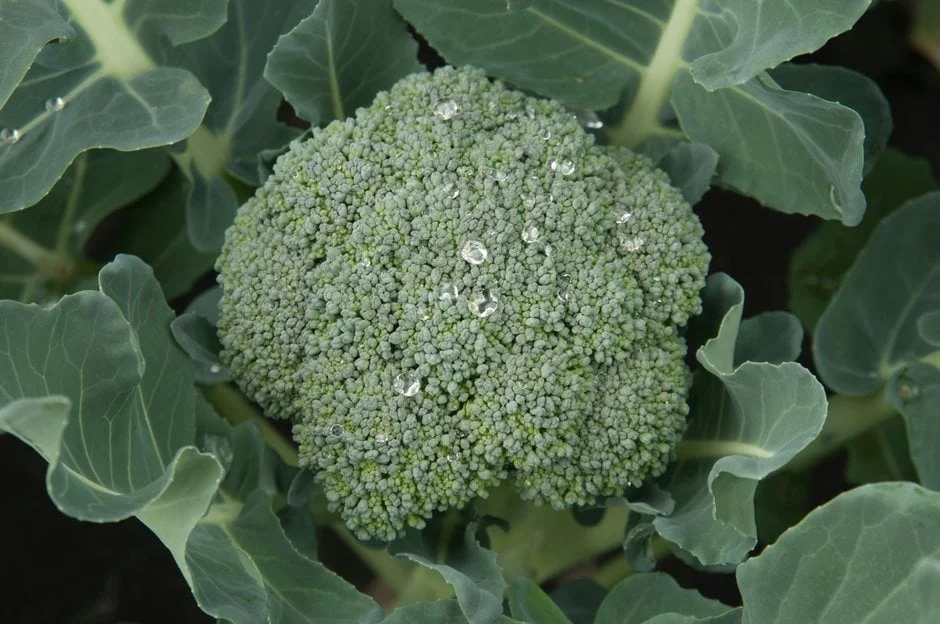
Calabrese and broccoli are two different crops, but they are often muddled up, with both plants widely referred to as broccoli. But in gardening terms there’s a clear distinction:
- Calabrese plants produce a large central green head of tightly packed buds, ready to harvest from mid-summer to mid-autumn (this is confusingly called broccoli in supermarkets and recipes)
- Broccoli plants (also known as sprouting broccoli) produce much smaller clusters of purple or white buds on the tips of leafy stems. For more on this crop, see our guide to growing broccoli
Calabrese is usually sown in spring, either indoors or outside, and is ready to harvest in three or four months, from July to October, depending on the variety and sowing time. It’s a member of the brassica (cabbage) family, so should be grown alongside its relatives in crop rotations and should be protected from brassica-eating insects and pigeons – see Common problems, below.
Plants grow up to 60cm (2ft) tall and wide, forming a large central green head, which is a cluster of tightly packed flower buds. This is ready to harvest when large and firm but still tightly in . After cutting the main head, further smaller heads form on side-shoots, extending the harvest for up to eight weeks.
Delicious and versatile, calabrese is best lightly steamed or stir-fried and can be used in all kinds of dishes. It’s particularly popular in Italian cuisine and is named after Calabria in southern Italy. Often hailed as a superfood, calabrese is rich in vitamins and antioxidants.
Jobs to do now
Harvest
Month by Month
Sow
Plant
Harvest


Choosing What To Grow
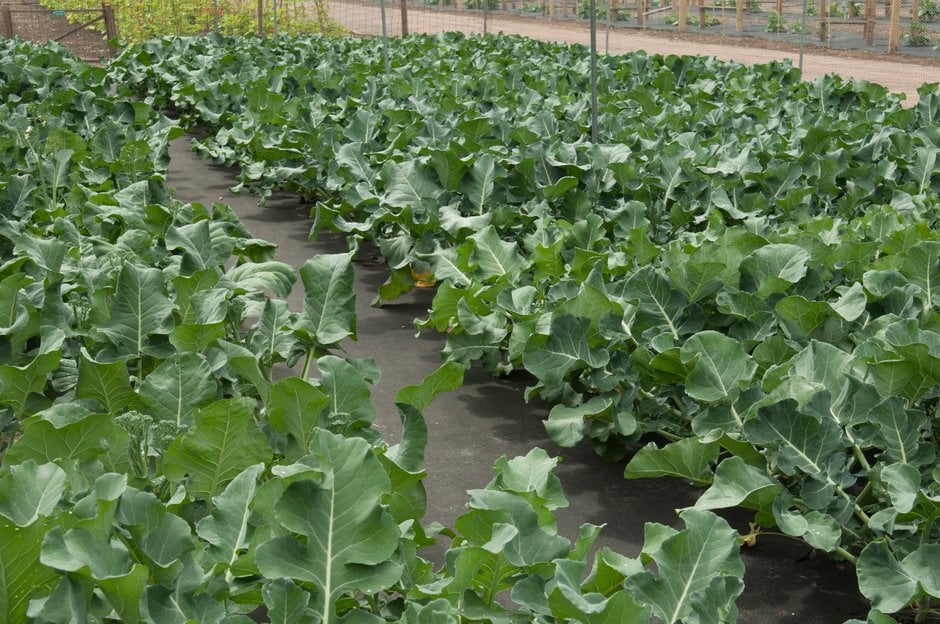
You’ll find a wide selection of calabrese varieties available as seed, offering variations in sowing/harvesting times, plant size, and resistance to (flowers developing and opening too early), club root and other diseases. Choose compact varieties if space is tight, as they can be grown closer together.
For the most reliable calabrese varieties, look for those with an RHS Recommended: Award of Garden Merit (AGM), which shows they performed exceptionally well in trials – see our list of AGM fruit and veg (135kB pdf) for recommended varieties of calabrese and many other crops. For more inspiration, why not visit the veg plots in the RHS gardens – you’ll see many crops, including calabrese and other brassicas, and can explore how they’re grown, compare the varieties and pick up useful tips.
What and where to buy
Calabrese seeds are widely available from garden centres and online gardening retailers (although, confusingly, they are sometimes sold as broccoli). Young calabrese plants may also be available in spring from similar sources, but the choice of varieties may be very limited.
Recommended Varieties


Preparing The Ground
Calabrese prefers firm, fertile, well-drained soil in a sheltered, sunny or lightly shaded spot. If possible, choose and prepare your growing site in advance.
The previous autumn, dig in two bucketfuls of well-rotted manure or garden compost per square metre/yard, to allow the ground time to settle over winter. If done closer to planting time, firm the soil really well by treading it down, shuffling back and forth over it, then rake it smooth. Alternatively, if you're practicing no-dig gardening, the soil with organic matter ahead of sowing or planting directly into the mulch.
Weed the area thoroughly, so your calabrese doesn't have to compete with weeds for water, and light. If your soil is very acidic, apply lime the winter before you grow calabrese; this will raise the level and deter club root disease. Calabrese prefers soil with a pH of at least 6.8. You can carry out a simple pH test to find out the pH level of your soil.
Sowing
Calabrese seeds are usually sown between March and June – indoors from early to mid-spring, then outdoors from mid-spring to early summer. If you sow several small batches a few weeks apart, you can spread out your harvests and avoid gluts. Calabrese should be grown in the same bed as its other cabbage relatives in crop rotations, to reduce any potential build-up of problems in the soil.
Sowing indoors
From March to April, you can start calabrese seeds off in a greenhouse or on a windowsill. This should give reliable results, as are protected from harsh weather and slug damage, but calabrese doesn’t like root disturbance, so take great care when transplanting. Sowing indoors is also preferable if you have club root disease in your soil, so the plants can develop a strong root system before being moved outside.
Calabrese doesn’t transplant well in warm weather, making it prone to bolting (premature flowering, leading to a smaller crop), so after April it’s best sown in its final position outdoors (see below).
You can also sow under cover in in mid-autumn for a spring crop, but young plants will need to be grown through the winter in an unheated greenhouse.
Sow calabrese in modular trays, to minimise root disturbance when transplanting later. Fill trays with peat-free , water well, then sow two seeds per module, 2cm (¾in) deep.
Seedlings should appear in a couple of weeks. As soon as they’re large enough, thin them out to one seedling per module. When the young calabrese are 10–15cm (4–6in) tall and have a well-formed root system, transplant them outdoors – see Planting, below.
Sowing outdoors
From April to June, you can sow calabrese seeds outdoors. Large brassicas are often sown in a , separate from the main veg plot, then to their final growing site in early summer. This is because they need wide spacing, so would take up a lot of room during the prime spring season. However, they can also be sown straight into their final site, and this is preferable for later sowings, as calabrese doesn’t transplant well in warm weather.
Choose and prepare your sowing site as explained above then make a shallow about 2cm (¾in) deep:
- If using a seedbed, sow the seeds thinly along the drill, ideally 7.5cm (3in) apart, or thin out the to that spacing if sown more thickly. Young plants will be ready to move to their final growing site when they are 10–15cm (4–6in) tall – see Planting, below
- If sowing in their final position, sow three seeds every 30cm (1ft) along the drill, then thin out each cluster of seedlings to leave just one at each point. Larger varieties may need to be spaced up to 45cm (18in) apart – check individual seed packets for details. Space rows at least 45cm (18in) apart
For more sowing tips, see our guides below. Seedlings should appear in a couple of weeks. Covering them with insect-proof mesh will protect them from insects and pigeons.
Planting
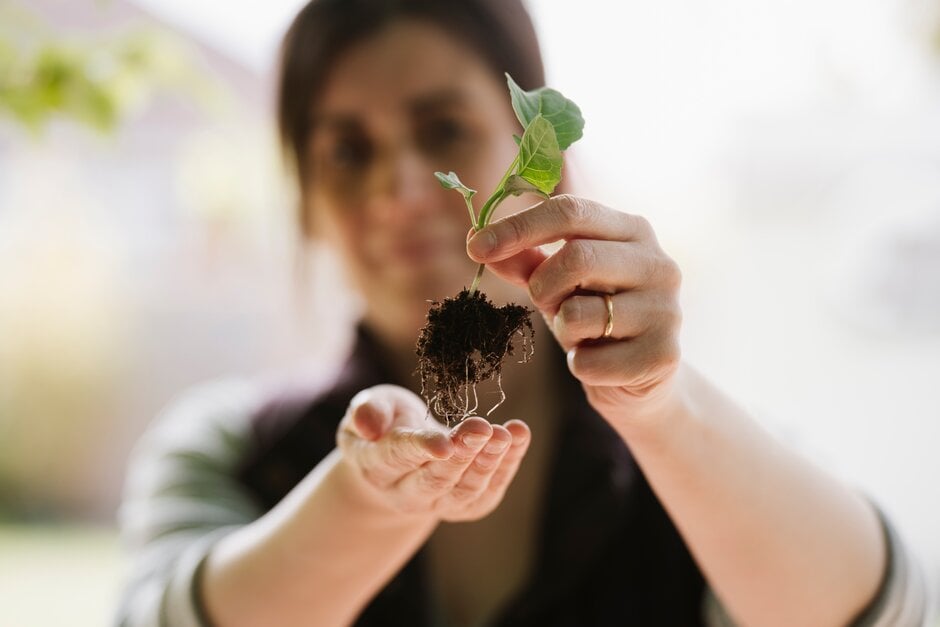
Young calabrese plants growing temporarily in a , as well as those sown indoors or bought as , should be moved to their final growing site once they are 10–15cm (4–6in) tall, ideally before hot weather arrives. Harden off indoor-sown plants first and take great care not to disturb the roots, so they continue growing strongly without any checks. Water well before and after transplanting.
Choose and prepare your site as detailed above. Plant young calabrese deeper than they were previously growing, with the lowest leaves level with the soil surface, so they root in securely. Firm them in well too. Space them 30cm (1ft) apart, or 45cm (18in) apart for larger varieties, with 45cm (18in) between neighbouring rows, then water generously. Closer spacing will result in smaller heads.
Plant Care
Calabrese needs little maintenance apart from weeding regularly, watering in dry spells and ongoing protection from pigeons and certain insects.
Watering
Water young calabrese plants regularly until well established. Once they have a good root system, they should only need watering during dry spells, to avoid any check in their growth, which could cause them to bolt (flower prematurely, leading to a reduced crop). For water-saving tips, see our guides below.
Mulching
Apply a thick of well-rotted organic matter, such as garden compost,to help hold moisture in the ground, reduce the need for watering and deter weeds.
Feeding
On poor soil or to boost slow growth, you could apply an organic-based, high nitrogen fertiliser when calabrese plants are about 20cm (8in) tall.
Supporting plants
Once the main head starts to form, calabrese plants can become top-heavy, so pile up soil around the base of the stem to improve stability. Buffeting by strong wind can loosen the roots and hinder growth. Tall plants and those in exposed sites may need additional support – insert a sturdy and tie in the main stem to hold it secure.
Protecting the crop
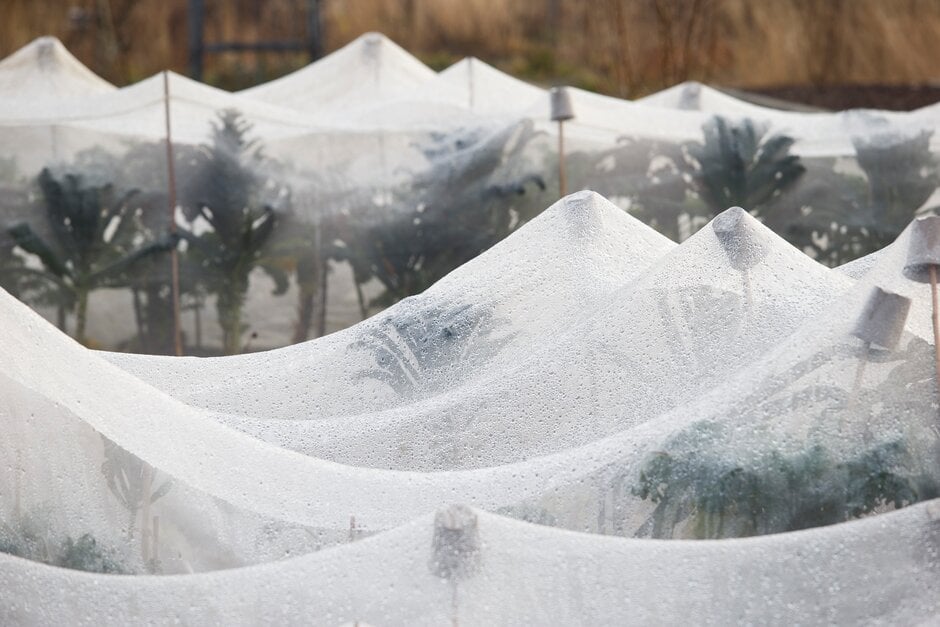
Pigeons and several species of insects like to eat calabrese. The easiest way to exclude them is to cover the crop with insect-proof mesh, supported on canes or hoops and pinned to the ground. For more details, see Common problems, below.
Harvesting
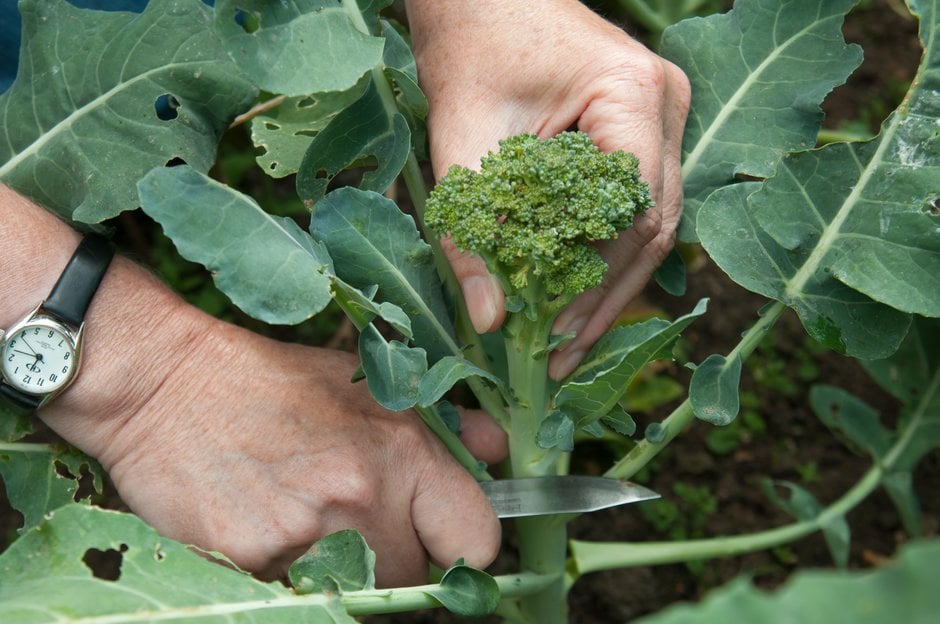
Calabrese is harvested in late summer and autumn. The main head is ready to cut when 10–15cm (4–6in) across, well formed but still in , before the flowers begin to open. Harvest promptly once ready, as the flowers can open quickly, especially in warm weather.
After you harvest the main head, further small heads will develop on side-shoots, which can be picked regularly over the following weeks. The young, tender leaves can also be eaten. Check plants every few days to ensure you harvest the new heads before the flowers open. Regular harvesting encourages plants to produce further small heads, extending the cropping season for up to a couple of months.
Problem Solving
Calabrese usually grows and crops well. But it may bolt in hot weather, meaning it starts to flower prematurely, before plants reach full size, leading to a smaller crop. Harvest these early clusters of buds as soon as you see them forming, before they rapidly open into flowers. Choose a bolt-resistant variety in warmer regions.
Calabrese is also vulnerable to several diseases that affect brassicas, and can be damaged by pigeons and certain insects – for information on how to deter them, see Common problems, below.
Common Problems


Cabbage caterpillars
Cabbages and other brassicas are a food source for the caterpillars of several species of moth and butterfly.

Cabbage root fly
The maggots of cabbage root fly eat the roots of cabbages and other brassicas, they can also tunnel into the roots of swedes, turnips and radish.


