Maintenance
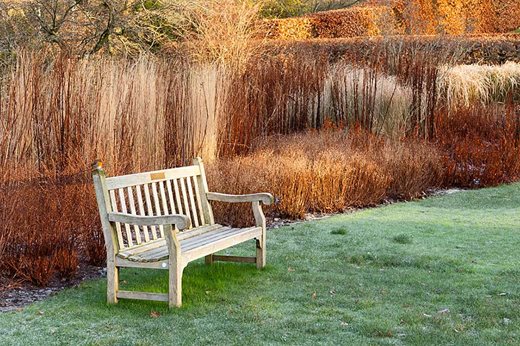 In dry spells, you can treat timber structures, including garden furniture, with wood preservative and stain. Do this in a well-ventilated space, wearing gloves and goggles. Make sure you use dedicated wood-preserving products – creosote, for example, is no longer legal.
Check and repair pergolas and arches if needed.
Wash out used pots using hot soapy water to reduce bacteria, fungal spores and pests.
Pipework and power
Now is a good time to have lights and electrical sockets installed in sheds, garages and outhouses, so that you can garden on wet winter days.
Install drainage in persistently waterlogged areas and water butts to capture and store winter rain.
If not already done, ensure any stand pipes and irrigation are drained to avoid damage from water freezing in them, and put insulation around outdoor taps to prevent freezing and to enable use throughout the winter.
Paths and projects
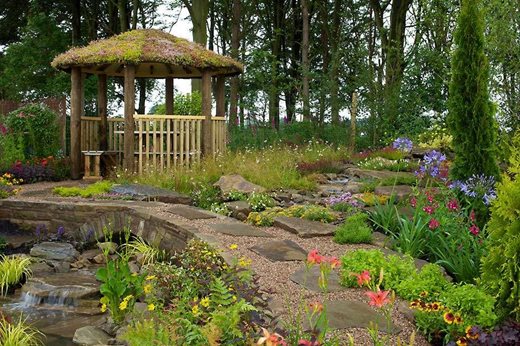 Get ahead of the spring rush and contact garden contractors about projects such as paving, fence building and pond digging.
Use a stiff-bristled brush to remove algae from paths if they start to become slippery.
Make a cold frame as a winter DIY project, as good cold frames are expensive to buy. To save even more money, look out for reclaimed timber and glass such as old windows or old greenhouse panels for the lids. A cold frame is a great place to raise young plants, especially if you don’t have a greenhouse.