Planting and moving
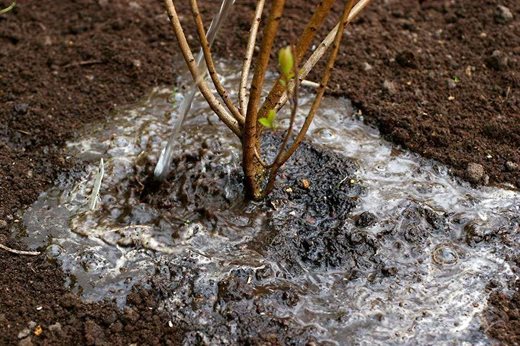 Bare-root deciduous hedging plants, trees and shrubs become available this month. Plant them promptly, before they dry out. The roots can be heeled into the soil for a short period if the planting ground is waterlogged or frozen. Bare root plants are more environmentally friendly – for example, they don’t come with plastic pots and are lighter to transport – and often establish better.
It is an ideal time to plant roses. Avoid planting in areas where roses were previously growing, otherwise new introductions may suffer from replant diseases (also called rose sickness).
You can still order and plant potted trees and shrubs for those not available bare root, such as evergreens and large semi-mature specimens. Plant when the ground is not waterlogged or frozen.
Protect newly planted trees, hedges and shrubs from wind and cold during cold snaps. A ‘dead hedge’ can work well for this, or a temporary re-used netting windbreak can be sufficient where there is no natural shelter. Straw, bracken, or something similar, held in place with chicken wire if needed, can be used to pack around deciduous plants and protect them from frost.
Transplant trees and shrubs growing in the wrong place. If they are more than a couple of years old, consider leaving them and planting new ones, as it will be hard to remove a large enough rootball for the plant to survive.
Pruning and training
 Pruning and renovation of many deciduous trees, shrubs and hedges can be carried out from now throughout the dormant season. Examples include beech, hazel and hornbeam. Some are best to leave until spring, including tender plants, evergreens, and Prunus species (e.g. ornamental cherries, plums and almonds) as these are vulnerable to silver leaf if pruned in the autumn or winter.
Cut back bush roses (hybrid tea, floribunda and modern shrub roses such as David Austin types) by a third if not done already, as reducing their height will prevent wind rock. These plants are generally shallow-rooted and can become loose in the soil if buffeted by strong winds. In February or March they can be fully pruned.
Rambling roses should be pruned now if not done already, as these are pruned earlier than climbing and shrub roses.
Shrubs normally pruned hard in the spring – such as Buddleja davidii, Cornus alba and Lavatera – can be cut back by half now to prevent wind rock.
Large trees can be difficult to prune. Take care not to damage the tree by tearing the bark when sawing off thicker branches. It may be best to consult a tree surgeon.
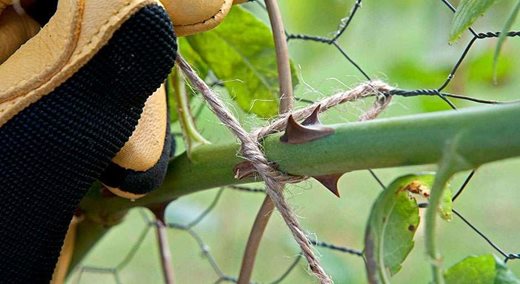
Tie wall shrubs and climbers onto their supports to protect them from wind damage. Stems growing away from the wall that can’t be bent into position can be pruned off.
Propagation
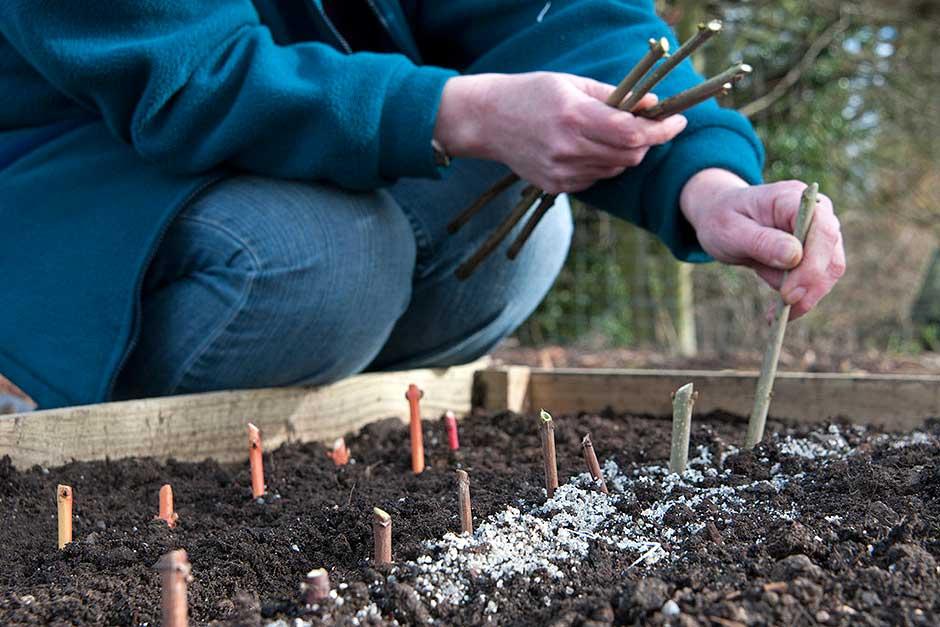 Take hardwood cuttings of ornamental shrubs such as Cornus, Euonymus, Forsythia, Hydrangea, Ilex and Salix.
Check hardwood cuttings taken last year. They may need planting out or potting on, and any diseased ones should be removed to prevent this spreading to other plants.
Soft and semi-ripe cuttings taken earlier this year should also be checked for disease and rot. Remove any dead material to prevent spread of disease.
Tree and shrub seeds and berries can still be harvested and sown, once they are ripe.
General maintenance
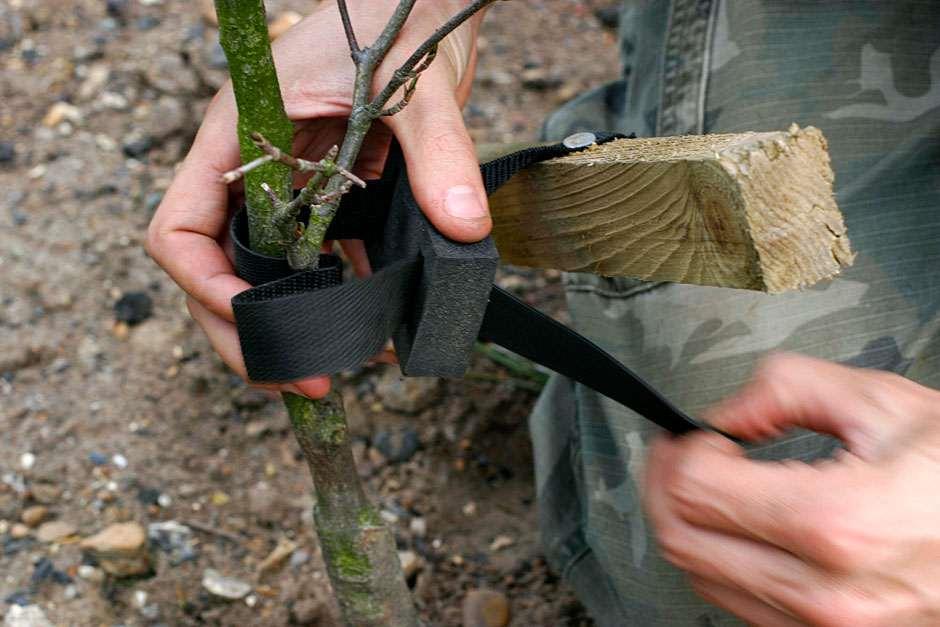 Check tree stakes and ties are secure and will withstand the winter weather. Loosen any ties that are strangling trunks or branches.
If there is snow in your area, then you may need to brush this off the branches of conifers. Heavy snowfall can splay branches and spoil the shape of the tree.
Place fallen leaves on the compost heap or into separate pens for rotting down into leafmould. Shredding them first with a shredder or mower will help them break down quicker. Check first for any wildlife that may be sheltering in the leaves.
Problems
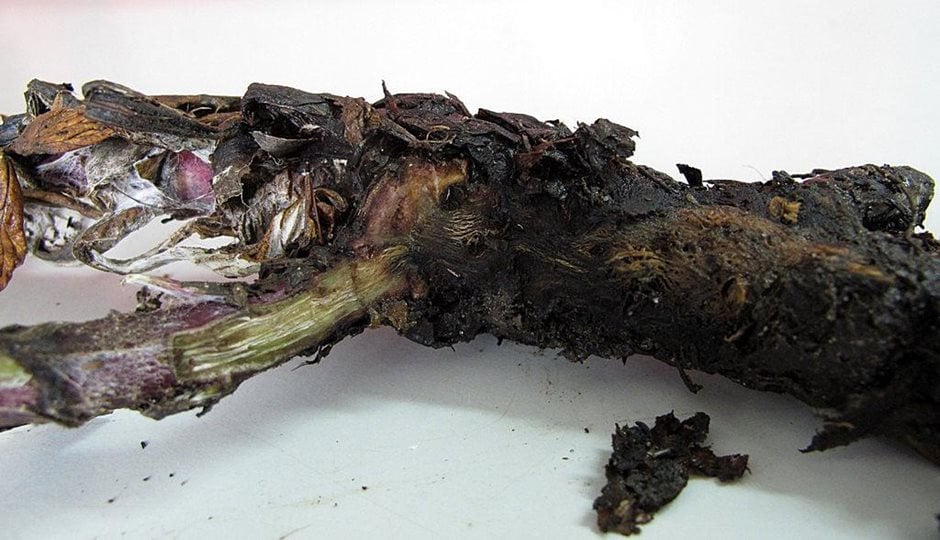 Phytophthora root rots can cause dieback on mature trees and shrubs. Wet winter weather and poorly drained soils are likely to encourage this problem on susceptible woody plants.
Garden hygiene helps to reduce disease reoccurence next year. Rake up any infected leaves and add to your council compost collection. Diseases such as black spot on roses, scab on apples and pears and quince leaf blight can all be reduced in this way.
Look out for holly leaf blight, which is rare, but can be spread in wet weather. Cut out affected areas and add to your council green waste collection.
Place biodegradable tree guards around any newly planted trees and shrubs to protect from deer, rabbit and squirrel damage.
Damage from bay suckers may still be evident, although the insects will have been and gone. Remove affected leaves if there are only a few, and look out for damage next spring, usually around May, to remove affected leaves promptly. Add these to your council green waste collection.
When pruning trees and shrubs, check branches for signs of disease. Small cankers and areas of dieback are best removed before they spread.
Fungi
 You may see toadstools at this time of year. Most are harmless saprophytic fungi, which live purely on dead material and pose no threat to garden plants. An exception is honey fungus toadstools, which usually appear around the base of affected trees, indicating that the plant needs to be removed.
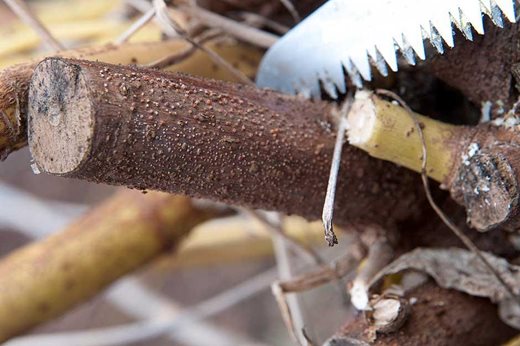
Coral spot disease is often noticed once the leaves have fallen from deciduous hedges, shrubs and trees. This is caused by poor ventilation from congestion, so cut out affected branches and prune to improve airflow.