Planting and moving
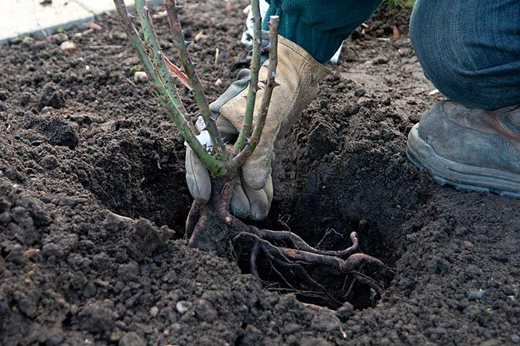 October is an ideal time for moving and planting trees, shrubs, roses and climbers, as well as for hedge planting.
Bare-root deciduous trees, shrubs, roses and hedging, as well as root-wrapped evergreens, become available towards the end of the month for planting between November and March, so prepare the ground for them now. They are cheaper than plants in containers so are cost-effective when large numbers are needed, are more environmentally friendly, and often establish better.
Propagation
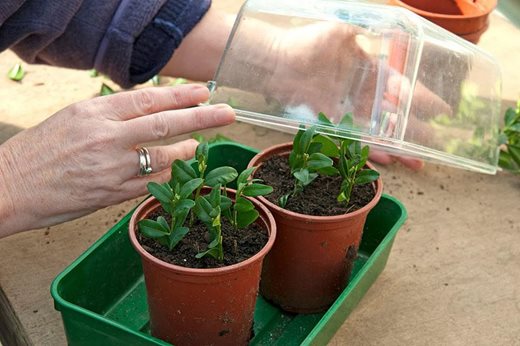 Take hardwood cuttings of plants such as roses, Cornus, Cotinus and Forsythia.
Check softwood and semi-ripe cuttings taken earlier in the season, which may need potting on if well rooted. Remove any dead leaves or cuttings that have rotted off.
Berries, fruits and seeds can be gathered from trees and shrubs, once ripe, for immediate sowing. This includes Crataegus (hawthorn), Sorbus (rowan), Morus (mulberry) and Laburnum.
General maintenance
 If the weather is dry, keep watering early-flowering shrubs such as camellias, rhododendrons and azaleas, so that flower buds form successfully for blooms next spring. Use stored rainwater wherever possible.
Check tree ties and stakes before winter gales blow them loose and cause damage. Ensure they are secure but not too tight or allowing the tree to rub on the stake in the wind.
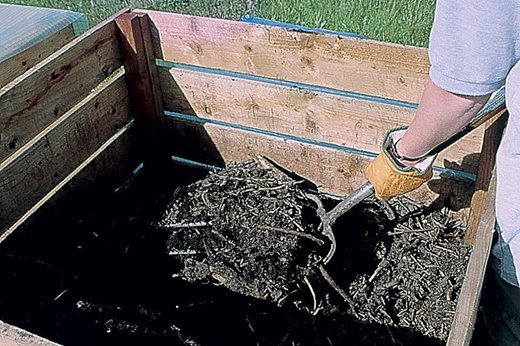
Collect up fallen leaves from the lawn and add to the compost heap, separate pile for leafmould, or spread on borders and under plants to improve the soil and provide wildlife habitat. Leaves that have already fallen onto borders can be left.
Problems
 Rake up any leaves affected by diseases such as rose black spot, quince leaf blight and apple and pear scab, to minimise reoccurence next year. Add them to your council green waste collection. Leaves affected by powdery mildews and rusts can be composted.
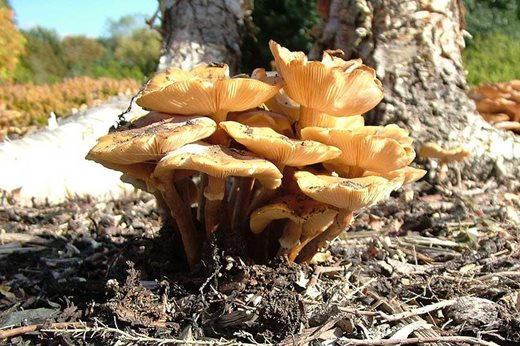
Look out for honey fungus toadstools this month, which indicate possible areas of infection. If the plants look healthy, there is unlikely to be cause for concern. The majority of toadstools appearing at this time of year are beneficial saprotrophic fungi, which live on dead material and pose no threat to garden plants.
When pruning, check branches for signs of disease. Small cankers and areas of dieback are best removed before they spread.