Chemical labels explained
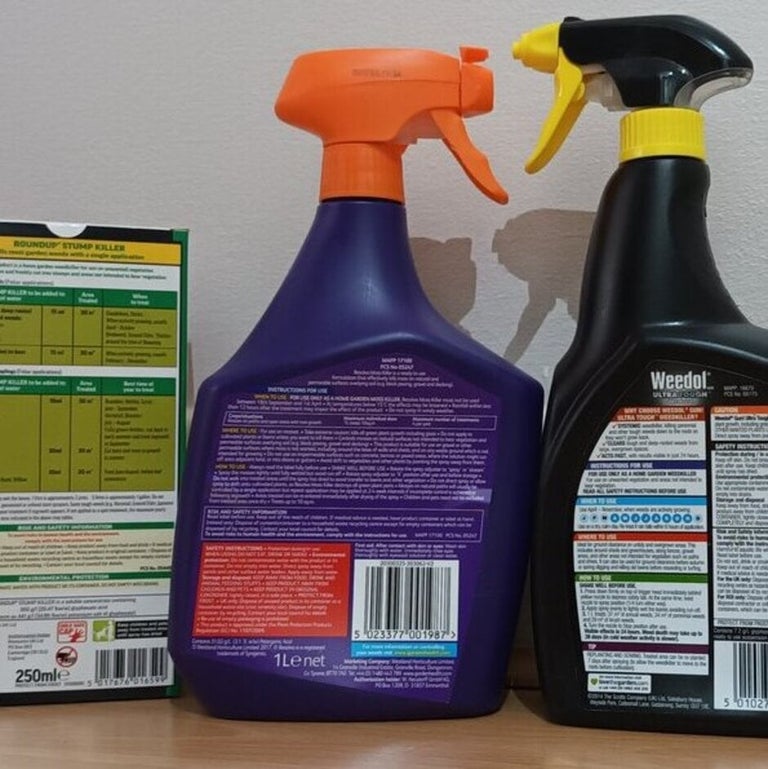
The labels on garden chemicals provide important information on when, where and how to use that product. Our handy guide helps you decipher this information so you can be sure to use them as safely as possible.
Common name - Pittosporum sucker or psyllid
Scientific name - Trioza vitreoradiata
Plants affected - Pittosporum
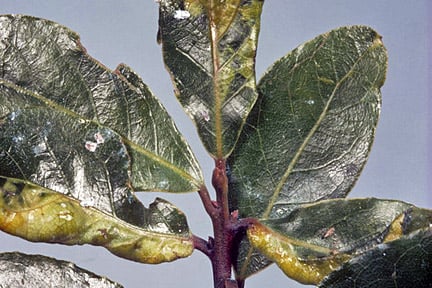
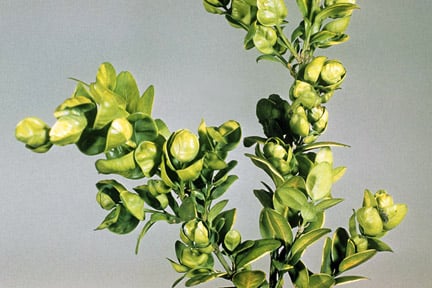
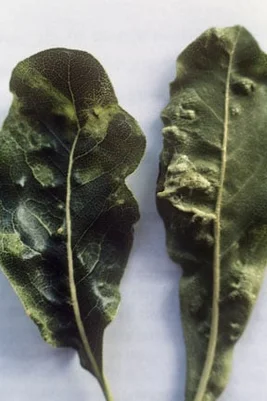
Main symptoms - Pale bulges and distortion on leaves
Most active - April-September

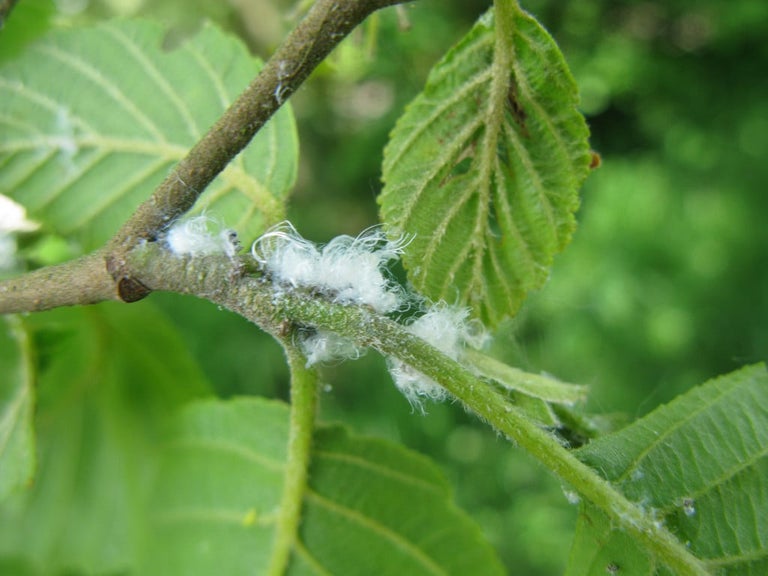
The psyllids or plant suckers are a group of sucking true bugs (Hemiptera). There are more than 40 species found in Britain. Many species produce a white waxy secretion during the immature (nymph) stages and some cause distortion and galling to host plants. Most however, do not cause any significant damage to garden plants. More information on Psyllids from Britain can be found at British Bugs.
Pittosporum feeds on sap from foliage of pittosporums during the spring and summer, this can result in distorted discoloured leaves. The plant can tolerate this damage.
Pittosporum leaves develop pale bulges and distorted growth. Young leaves are particularly prone to damage.
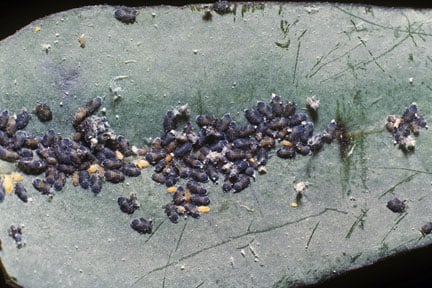
Adult pittosporum are winged pale green insects, about 4 mm in length, older individuals are a darker green. The nymphs are flattened and pale, almost white, and less mobile than the adults.
Pittosporum can affect the appearance of Pittosporum but is unlikely to cause a serious lack of vigour and so control is not necessary. Plant suckers can be a part the a healthy garden supports.
Originating from New Zealand, pittosporum became established in south west England in 1993 and it has now spread throughout southern England, is established in parts of Scotland and also occurs in Ireland.
The whitish green nymphs are extremely flat and, almost scale-like in appearance. The yellowish green adult insects have two pairs of wings which are held in a roof-like fashion over the insect’s abdomen when at rest and are usually 3-4 mm long. There are several generations during the summer with most damage occurring when new growth is developing.