Wildflowers for containers
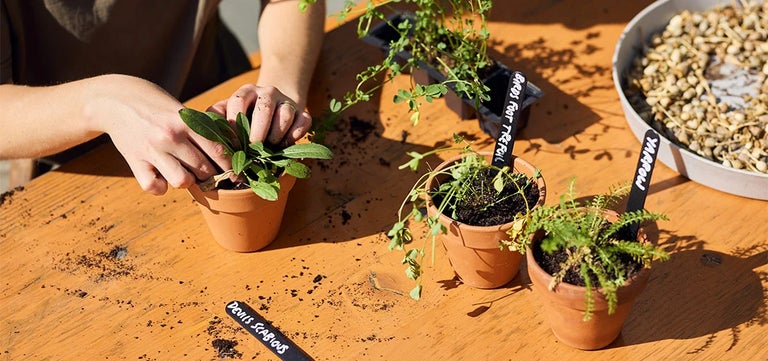
It’s easy to include wildflowers in your urban garden and many will thrive in pots, planters, hanging baskets and recycled containers

Many wildflowers are expert self-seeders and this can be a real asset to urban gardeners, where concrete is king and greenery is often sparse
In traditional gardens, you’ll often see prolific self-seeders rejected as troublemakers or ‘thugs’ for their tendency to take over the garden. However, in urban spaces – where concrete is king and greenery is often sparse – plants that really want to grow can be appreciated, harnessed and become a real asset to us as gardeners.
Many wildflowers are expert self-seeders, often growing naturally in our cities on roadsides, wasteland and old building rubble. It makes sense for them to grow well in our urban gardens too. Harvesting seed from these plants is not only fun and free. By growing these wildflowers and either letting them set seed naturally or harvesting the seed to plant yourself, you can also have a garden full of beautiful seed pods that provide seasonal interest right through the winter. There are other benefits too, as creating your own seed collection increases the likelihood that your plants will be more resilient to your local conditions.
The wild plants below are recommended by Liz Dalby-Webb, Head Gardener at Plant Co-operative. They are all simple to harvest and really easy to grow from seed – why not try giving some of them a go?

These impressively tall, architectural beauties will give any skyscraper a run for its money and are a fitting choice for any urban landscape. Following prickly purple blooms through summer, teasel goes on to look striking throughout the winter season and will produce many beautiful spiky seedheads with hundreds of seeds per head. Much loved by wildlife, pollinators come in abundance and finches visit for the seed. The plant structure of Dipsacus fullonumeven serves as drinking stations and as natural bug hotels for small creatures too.
Collect the dry seedheads in autumn and hang upside down in paper bags. Thick gloves are recommended as the seedheads are a little spiky! Any leftovers make for lovely indoor decorations or dried flower arrangements too. Teasel is really easy to grow from seed and since it’s a – meaning it flowers in its second year – it’s a good move to sow a new batch yearly.
Sow in spring or autumn, ideally direct where it’s intended to grow. This plant will thrive in a wide range of conditions but needs a bit of extra room for its long and prefers not to be moved around.

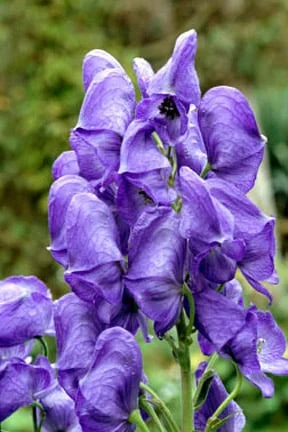
If you like a lucky dip, then save yourself a trip to the bingo – Aquilegia vulgaris is for you. If other Aquilegia varieties are around, they can freely, meaning their offspring might just turn out looking very different from the original parents. This could mean a change in flower colour or shape – anything goes. The fun is in the surprise.
These are short-lived perennials, so it’s a great idea to save seed yearly for sowing the following spring. Harvest the seedheads once the pods turn brown by cutting the stems and placing them upside down in paper bags. Let them dry out for a few weeks and then shake the pods onto paper to release the seeds.
"If other Aquilegia varieties are around, they can hybridise freely, meaning their offspring might have a different flower colour or shape. The fun is in the surprise."
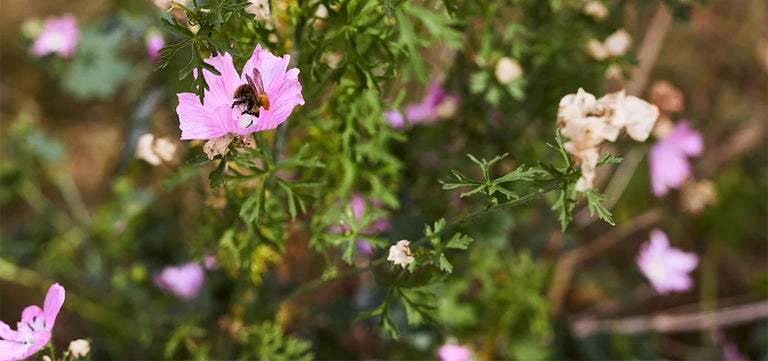
Often used as cut flowers, these beauties are easy to grow in sun or part shade and are also helpful to pollinators as they flower quite early in the season before most things get going, offering an early source.
They will grow well in pots, planters or any border and with a big reputation for bountiful self-seeding, if you have the room and prefer a low maintenance approach, then you can let them self-seed naturally by doing nothing at all.

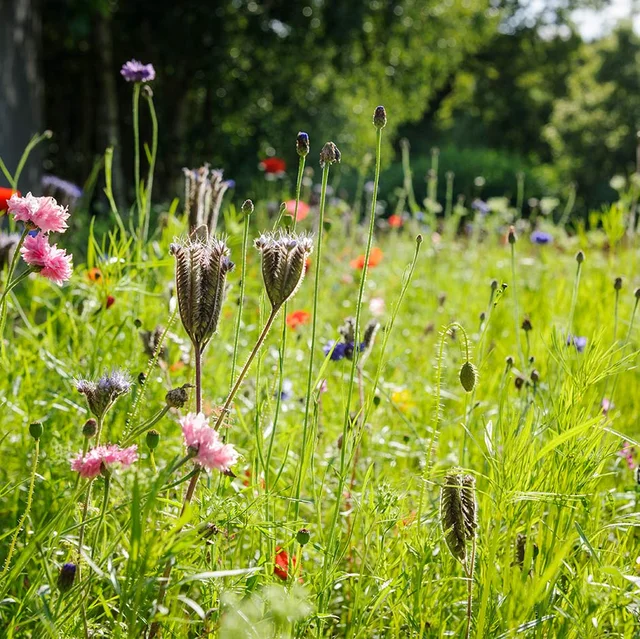
Often seen growing ‘wild’ in built up areas on roadside verges and on waste ground, poppies seem to have found a new home in urban areas. Although in decline due to changes in agricultural practices in their original farmland habitats, they seem quite happy to self-seed around cities and will grow just as easily in our own backyards too.
Sure to brighten up any dull concrete patio, yard or balcony, its scarlet, bowl-shaped blooms will last through summer creating a fiery annual display that can be recreated year after year by saving seed at the end of the season.
In autumn, dried-out pepper pots filled to the brim with seeds will appear; if they rattle when you give them a shake, they are ready for you to harvest. Cut the stems and store upside down in paper bags. Each seedhead will contain hundreds of tiny seeds, but we’d recommend harvesting a good handful of heads, because if you collect them too early, then the seed may not be viable for seed sowing the following year.
You can sow your harvested seed in autumn the same year or the following spring to then grow on in containers or borders in a sunny spot. Keep the process going year after year and why not try mixing poppies with other cornfield flowers, such as corncockles or cornflowers, to create a mini meadow and an even bigger burst of colour.
If you want to be doubly sure that your seed is ripe, tie organza bags over the seedheads and allow them to fully mature on the plant. Collect at the end of the season on a dry day.

Wild carrot is a known self-seeder and has a clever mechanism for getting around. After flowering, the seedheads will close in on themselves and this rounded shape allows them to blow around like a ball in the wind dispersing seed far and wide.
This umbellifer is a stunning addition to any garden and looks great paired with a variety of other flowers, but will also hold its own as the solo star of the show. It’s densely packed with seeds, so it’s definitely worth sharing a few seedheads with friends at the end of the season.
Delicate, white, lacey flowers will sway around through the summer attracting many pollinators and other beneficial insects and the structural seedheads that follow will stick around as an ornamental feature through the winter too.
Once the flowerheads turn inwards, wait for them to dry out and turn brown, then you are ready to harvest the seed. Cut heads and hang up in paper bags and leave to dry for about a month as larger seedheads like these are more likely to contain moisture and the seeds won’t store well long term if not dried out fully. When it’s completely dry, rub the seedheads between your fingers to release the seed and then separate from the chaff by sieving.
Approach with caution if you spot wild carrot in the wild on your next out of city hike as they have a few poisonous lookalikes, such as hemlock.

Forget-me-nots are commonly grown in gardens across the UK but are in fact true wild plants. They are quite short lived plants but are often mistaken for longer lived perennials, as they will return every year through seeding themselves.
These low growing plants look great in urban areas of paving, stone or gravel and offer a much needed contrast to lifeless path edges with clouds of blue flowers bursting up from early spring.
"Forget-me-nots are quite short lived plants but are often mistaken for longer lived perennials, as they will return every year through seeding themselves."
Originating from ancient woodlands, they prefer dappled shade and are also well suited to the underplanting of your potted trees and shrubs as long as you keep them well watered.
To harvest the seed, wait until the stem and pods dry and turn brown, cut the stems and shake the seeds out into paper bags. Alternatively, let your forget-me-nots self seed naturally in situ and then gently lift and transplant the into new locations in the garden. You can then raise them in pots or plant directly into the ground or beds where you’d like them to grow.
Forget-me-nots are really easy to grow from seed but a little patience is required, as they won’t flower until their second year.
About the author and Plant Co-operative
Liz Dalby-Webb is Head Gardener at Plant Co-operative, a Manchester-based urban gardening collective that specialises in transforming and managing public spaces, providing the opportunity to bring the community together through gardening.
They are passionate advocates for the often overlooked use of wildflowers in urban spaces. These plant recommendations come directly from their city-centre gardens, chosen for being resilient, easy to grow and invaluable for supporting native wildlife in our towns and cities.