Wildflowers for containers
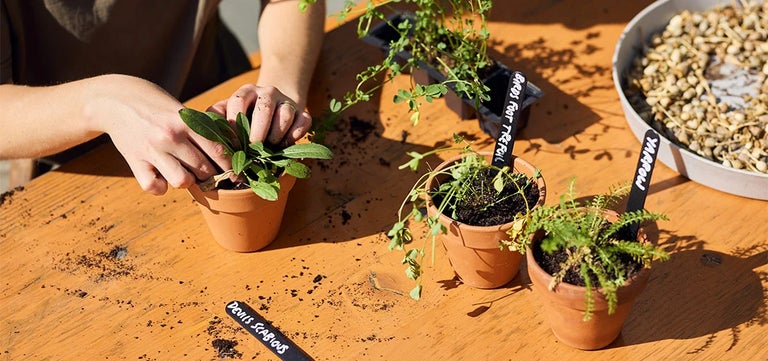
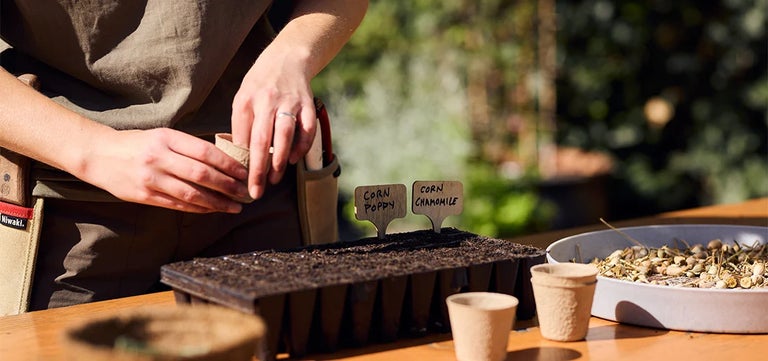
It’s easy to include wildflowers in your urban garden and many will thrive in pots, planters, hanging baskets and recycled containers

Including a few wildflowers in your urban space is guaranteed to attract a wide range of local insects
When you hear the word ‘ ’, chances are the image that comes to mind is a colourful meadow in a picturesque countryside setting rather than a hanging basket in an urban terrace garden. However, we believe these often-overlooked and beautiful plants offer a solution to many of the common challenges of gardening in a city.
As city dwellers faced with challenges such as less space to grow, we also have to work harder to support our local pollinators like bees, butterflies, hoverflies and other beneficial insects that are important in keeping our ecosystems healthy. Luckily for us, wildflowers cater to a wide range of tastes and even just including a few in your space is guaranteed to entice a wide range of insects to come and take a look.
Whether you’ve got a south facing glass balcony on the 18th-floor or a shady courtyard with space for just a handful of pots, there’ll be a wildflower out there suited to your needs. Having been native to these shores for thousands of years, they are often far more resilient and easier to look after than their ornamental alternatives, perfect for those of us living busy lives and prone to the occasional deviation from our watering regime.
Below are some easy-to-grow examples from Liz Dalby-Webb,Head Gardener at Plant Co-operative, to help get you started.

Immune to the city commute, Silene latifolia (white campion) can withstand the occasional trampling and will turn heads through the summer months. The clove-like scent of these streetwise plants is strongest around dusk, making these plants a lovely choice for a balcony or courtyard if you like to sit out on a summer evening, whilst also being irresistible to night flying moths that come and feed on its . It will also attract bees and butterflies in the daytime too.
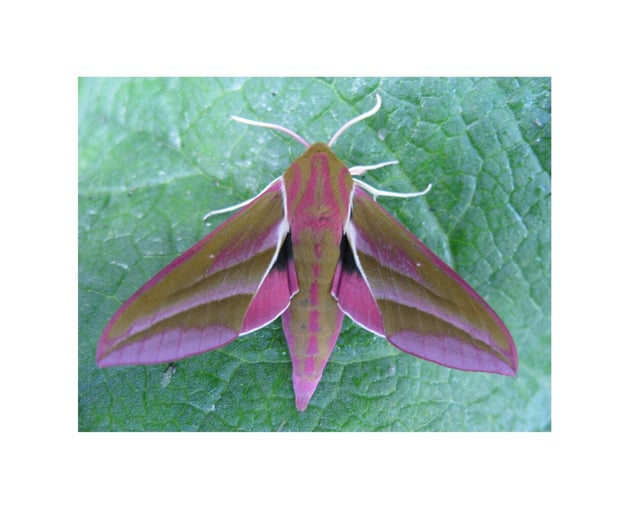
Look out for Silene latifolia’s main pollinator, the pretty Lychnis moth Hadena bicruris, commonly seen in cities and suburban areas.

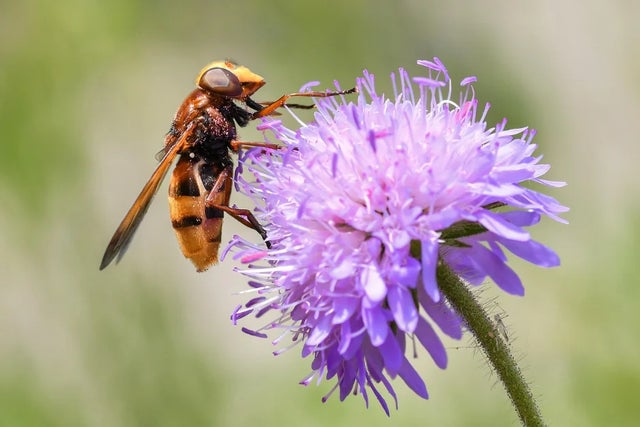
Achillea millefolium (common yarrow)is a great choice for attracting one of the garden’s best natural pest controllers, the hoverfly. These beautiful little insects need very open or flat-topped flowers to access nectar and pollen, as they dab their mouthparts like a sponge and cannot typically reach into long or tubular flowers.
Native to grassy meadows, yarrow grows comfortably in a mixed lawn or mini-pot meadow and also works really well in a border mixed with ornamentals. It’s an easy-to-grow, easy-to-maintain and is relatively flexible on soil type, as long as it doesn’t get too wet.

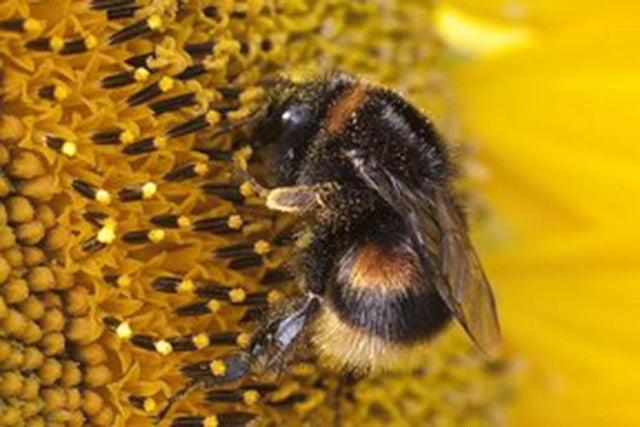
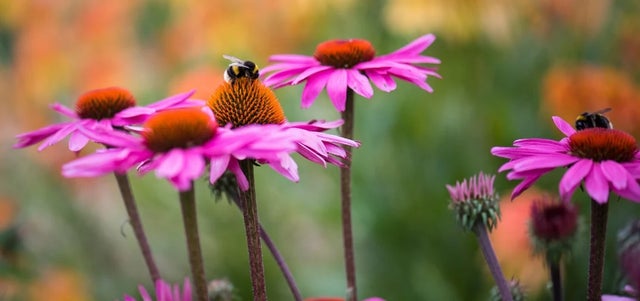
It’s no secret that bees are a big fan of Digitalis purpurea (common foxglove). A familiar sight in all-types of garden, there is no good reason to leave these plants out of urban spaces. Tall spires of large pink-purple, tubular flowers look fantastically architectural in city gardens and will attract masses of bees from afar. Happiest in part shade, these plants can be grown in pots or borders along a wall or building edge and can easily transform a bare courtyard into a colourful space buzzing with life.

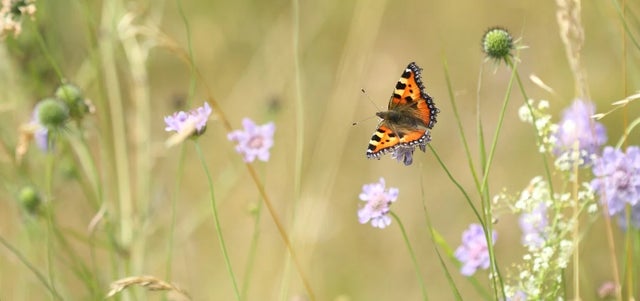
The glorious, purple, thistle-like flowers of Centaurea nigra (common knapweed) are a magnet for many types of butterflies as soon as they start to bloom in mid-summer. If you grow these beauties, then winged visitors to your patch might include meadow browns, common blues and marbled whites on the hunt for nectar – to name a few. These tough plants are at home in the city – they are very low maintenance and will grow pretty much anywhere, a good choice if you are struggling to grow other plants for pollinators in your urban garden.

Dry areas are common in urban spaces. Causes can vary from tall surrounding buildings that create rain shadows to heat-reflective glass windows or balcony walls that dry out the garden very quickly.
Echium vulgare (viper’s bugloss) is a top choice for pollinators in these dry spots. Originally native to sand dunes and dry grasslands, it can handle the urban heat. Once established it will become drought tolerant, so it’s a great choice for sustainability or for busy city goers with little time for a watering schedule. Nectar-packed, bright blue, funnel-shaped flowers pop up in summer, attracting an abundance of butterflies and many types of bee including buff-tailed and red-tailed bumblebees, red mason bees and honeybees.

Cities can also be very wet places. Heat and pollution, among other factors, can sometimes cause wetter weather in built-up urban areas. Not to worry, Silene flos-cuculi (ragged robin) is here to save the day. Native to wetlands, damp pastures and meadows, ragged robin is perfectly happy in these types of conditions and will attract bumblebees, honeybees and butterflies seeking nectar. The ragged, star-shaped rosy-pink flowers of this plant will brighten up any space from late spring – the perfect candidate for a mini-pond edge, and you might even attract an urban dragonfly.

Trifolium pratense (red clover) may be small in stature, but its impact on wildlife is not to be underestimated. The nectar rich flowers of clover are very much loved by pollinating insects and also serve as a caterpillar food plant too. Bees are particularly keen visitors, especially the long-tongued bumblebees such as the common carder bee and the shrill carder bee. Really easy to grow in any space, this little plant will also fix nitrogen, enhancing soil fertility. It can be grown as an ornamental, as in the veg garden, as part of a mini meadow or even just as groundcover between planting gaps in borders, creating a buzzing carpet of pink-red flowers throughout most of the year.

Geranium pratense (meadow cranesbill) is the ideal choice for a busy city dweller or a no-fuss or low-budget gardener looking to bring pollinators to an urban space. A really easy-to-grow showstopper, these perennial plants are happy in sun or shade and will flower for many months offering a long season of pollen and nectar for visiting bees, butterflies and moths. Expand the garden for free in spring, as they can be easily lifted and divided into more plants. If you’re feeling generous, then share with the neighbours and spread the word.

Share a feast with nature and grow Origanum vulgare (wild marjoram) in your urban herb garden or as a stand-alone plant for its ornamental features. This bushy sub-shrub will attract many bees and butterflies seeking its delicious nectar with its long clusters of tubular pink flowers, whilst simultaneously providing you with delicious aromatic Mediterranean flavours in the kitchen. More than happy in a pot on a sunny balcony, windowsill or by the back door for easy pickings, create a perfect harmony and share food with nature.
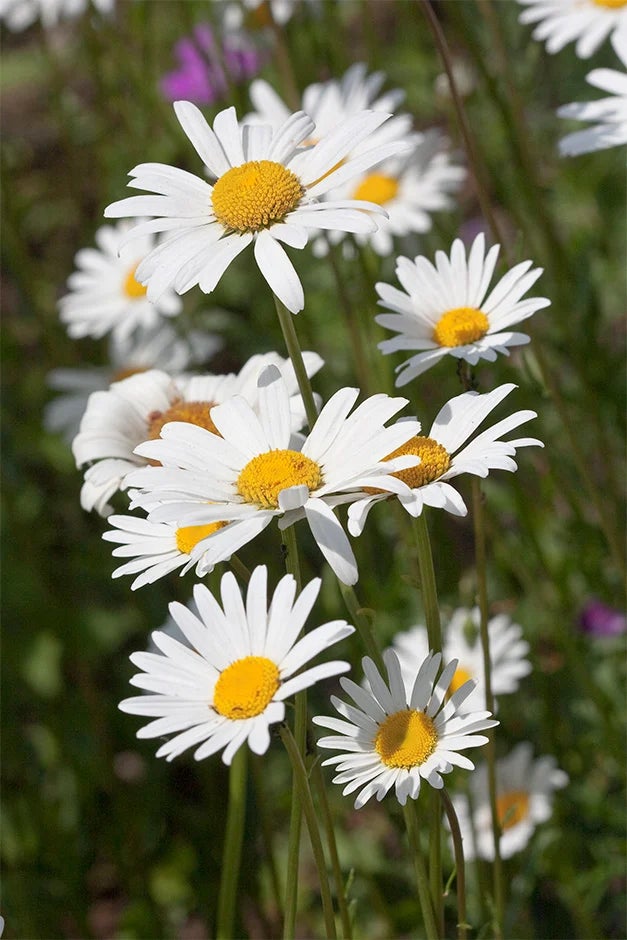
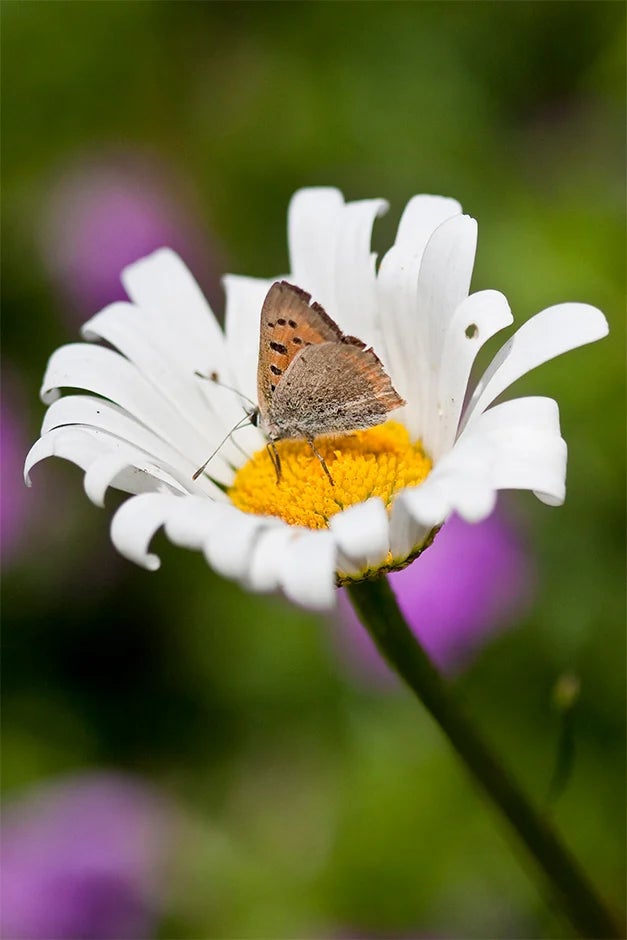
Commonly found on roadside verges and waste ground, this unlikely plant is also known as the moon flower as its white, daisy-like flowers glow bright in the moonlight. Leucanthemum vulgare (ox-eye daisy) shines bright day or night and will attract many different pollinators including bees, hoverflies, butterflies and beetles. These showstoppers will thrive in a wide range of conditions and also work really well as cut flowers. Cut back mid to late summer and you might get another flush, extending the season for later pollinators.
About the author and Plant Co-operative
Liz Dalby-Webb is Head Gardener at Plant Co-operative, a Manchester-based urban gardening collective that specialises in transforming and managing public spaces, providing the opportunity to bring the community together through gardening.
They are passionate advocates for the often overlooked use of wildflowers in urban spaces. These plant recommendations come directly from their city-centre gardens, chosen for being resilient, easy to grow and invaluable for supporting native wildlife in our towns and cities.