Wildflowers for urban pollinators
Including a few wildflowers in your urban space is guaranteed to attract a wide range of local insects

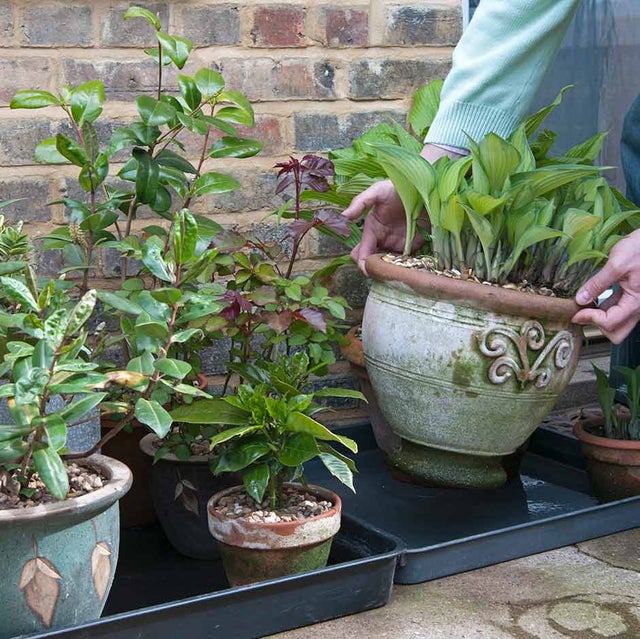
It’s easy to include wildflowers in your urban garden and many will thrive in pots, planters, hanging baskets and recycled containers
Often overlooked in smaller gardens in favour of more traditional ornamental plants, wildflowers are often just as beautiful, offer a huge variety of textures and colours and will adapt well to containers in varied urban conditions. They are also beneficial to wildlife, so it’s important to compliment cultivated ornamental plants with species.
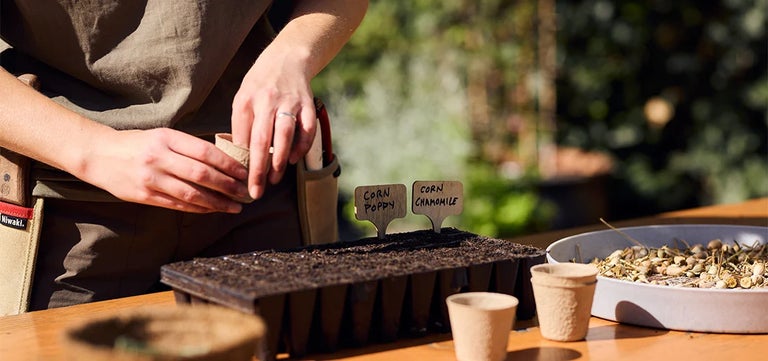
Most wildflowers can be grown from seed in spring and many can also be sown in autumn for an earlier display the following year. For an easy or last minute alternative, in case you miss the seed-sowing window, you can also buy ready-grown to pot up mid-season.
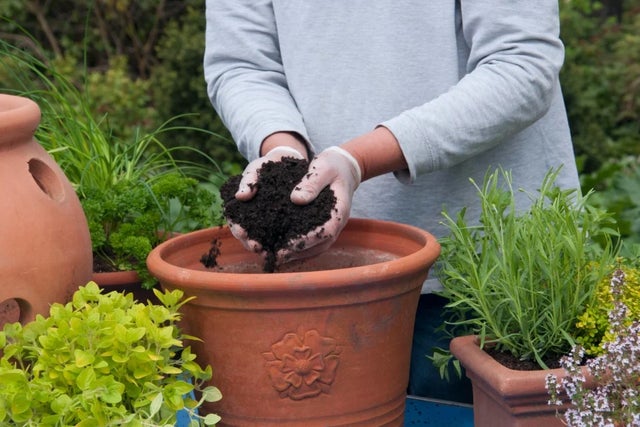
Make sure to choose plants relative to your pot size and use a free-draining . Wildflowers are typically low maintenance to care for once established and won’t need any special treatment beyond the usual container basics such as re-potting, watering and . They are also used to less fertile soils, which makes them less likely to need a feed than typical pot display plants.
The 10 wildflowers listed below, selected by Head Gardener at Plant Co-operative Liz Dalby-Webb, grow well in city centre gardens.

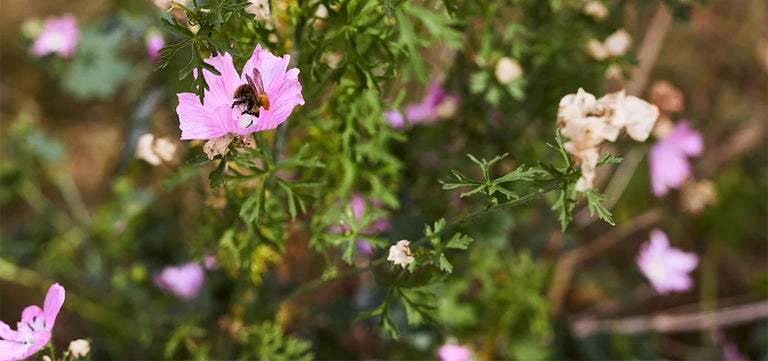
The delicate musky scent of Malva moschata becomes stronger in a small space and this makes it a great choice for a balcony or small courtyard garden. The fragrant, pale pink, bowl-like flowers will appear in abundance from mid-summer and will continue to bloom right through to autumn. Commonly found on roadsides and churchyards, this plant prefers dry places and a decent amount of sunshine. Its final height can vary but it can grow up to 1m tall, so you will need to grow it in a large pot of at least 30cm.

Much loved by bees and hoverflies, Anthriscus sylvestris is a tall, fast growing with white umbrella-like flowers (umbels) and delicate fern-like foliage. These beauties are typically seen growing wild along hedgerows, roadsides and woodland edges. Recreate this effect in an urban garden by placing pots around features or along walls and they will thrive, creating a dramatic flowering display from April to June. Although short-lived, it is very easy to harvest cow parsley seeds – just collect them when dry and brown and sow again the following spring.

There’s no doubt that Centaurea cyanus is a good choice for a pot display. It’s hardy, easy to grow from seed and will thrive in most urban spaces. Cornflowers are , which means they only live for one year. This also means they thrive to survive and will adapt to not-so-perfect conditions. In urban spaces, they will vary in size and shape depending on conditions, but they are usually worth giving a try in most spaces and their average height is 60cm. As they are hardy, they can be sown as early as autumn and from spring to early summer.
A must have plant for a mini-meadow pot display, mix with other cornfield annuals such as corncockle or field poppy for a stunning annual mix that will be buzzing with pollinators.

Named after its seed pods which look like birds feet, Lotus corniculatus – commonly known as bird’s foot trefoil – is a low-growing member of the pea family typically found wild in grassy places such as moorlands and coastal areas. It grows to around 35cm tall and has yellow and orange flowers which look like little slippers.
It’s a versatile plant and its creeping habit lends itself very well to container growing. It’s a great choice for container planting in pots, window baskets and hanging baskets as it flowers for a really long time, from spring through to autumn. Bees are also a huge fan of this plant – deadhead spent flowers regularly to prolong the flowering season.

Viola odorata is a low-growing perennial perfect for planting around the edge of pots or as native bedding in a hanging basket, window box or planter. These little beauties are sweet scented, with edible purple flowers and pretty heart-shaped leaves. They will flower from late winter until early spring, bringing seasonal interest and food for early pollinators in the quieter, colder months. Follow with Viola riviniana for a longer season –these relatives are unscented but will flower through to early summer keeping the season going a little longer.

An excellent choice for small space gardeners, Thymus serpyllum thrives in pots and troughs due to its compact size and mat-forming growth habit. It is an edible, evergreen, aromatic shrub which prefers dry, sunny conditions and well-drained soil and in the summer months it will become a dense carpet of pinkish-purple blooms, attracting bees and butterflies from afar.
Creeping thyme will also grow well in a hanging basket and is relatively drought tolerant once established. Try growing it as a living around other plants to keep moisture in – although it can take a while to get going as ground cover, it tends to spread quickly in containers.

A pretty addition to any garden, Campanula rotundifoliais very resilient to urban spaces. Naturally found in dry, exposed areas such as hill slopes and cliff faces, despite the delicate look, these tough plants will handle strong winds and fare well in either sun or part shade. These plants will grow happily in medium-sized pots or in a mixed planter, and from midsummer to early autumn they will produce nodding, blue, bell-shaped flowers atop tall slender stems. The whole plant is edible, so give the flowers a try in your salads. Save some for nature though, these are particularly loved by honeybees and bumblebees.

Veronica chamaedrys is a perennial creeping well suited to growing as a filler plant in containers or hanging baskets. Also known as ‘Cat’s Eyes’, it has sky blue flowers with white eyes and flowers from March to July. It attracts and provides for a broad range of bee species and spreads nicely without taking over. Unfussy and happy in sun or partial shade, once settled in speedwell is very low maintenance to care for and a steady choice to include in a container display.

For container planting or a hanging basket display it’s always a good move to include some trailing plants for a dramatic cascading effect. Cue, Galium verum. This beauty has a bad reputation for being a rampant spreader and taking over in traditional gardens, but if contained in a hanging basket, it can spill out freely, causing little trouble to its neighbours.
In summer it produces sweet, honey-scented golden yellow flowers and it is also a food plant for many moth species including the hummingbird hawk moth. Low maintenance once established, this plant requires little watering and is easy to grow from seed.

Brighten up shady corners with the cheerful pink flowers of Silene dioica. This low-maintenance perennial grows naturally in lightly shaded woodland and along hedgerows and will also thrive in containers in a partially shaded urban environment. Red campion begins flowering in late spring and continues through summer with regular visitors to pollinate, including bees, butterflies and hoverflies.
About the author and Plant Co-operative
Liz Dalby-Webb is Head Gardener at Plant Co-operative, a Manchester-based urban gardening collective that specialises in transforming and managing public spaces, providing the opportunity to bring the community together through gardening.
They are passionate advocates for the often overlooked use of wildflowers in urban spaces. These plant recommendations come directly from their city-centre gardens, chosen for being resilient, easy to grow and invaluable for supporting native wildlife in our towns and cities.