Getting Started
Marjoram is an aromatic sun-loving Mediterranean herb, ideal for herb gardens, borders and containers in full sun. Its leaves have a delicate, sweet flavour and are widely used in Greek and Italian cuisine, and its flowers are great for attracting pollinators.
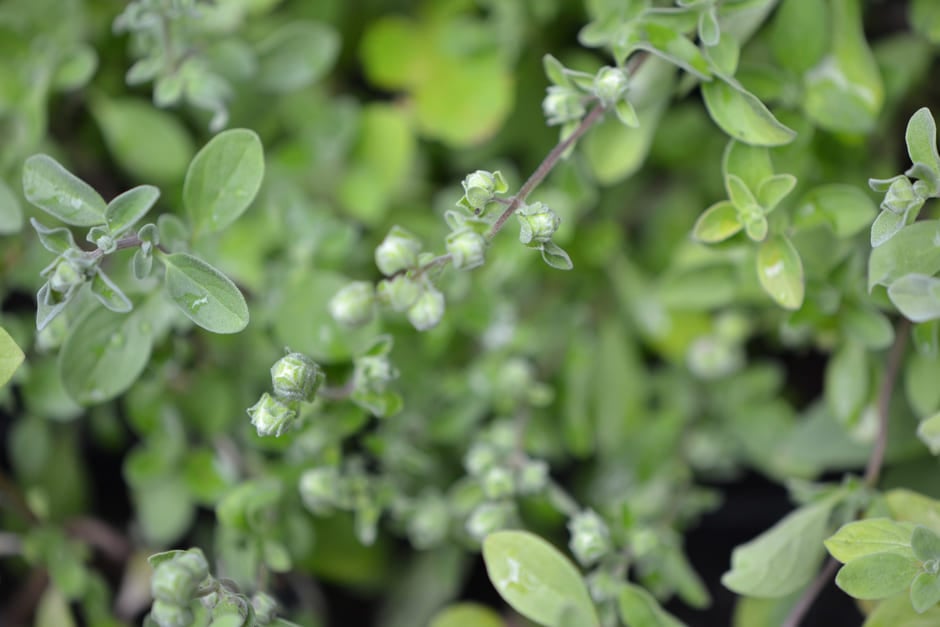
Marjoram is similar to oregano and the two common names are often confused or used interchangeably when referring to various species of Origanum. There's a strong case for considering Origanum majorana (sweet marjoram) to be the only true marjoram, but O. onites (pot marjoram) is often used as a substitute for O. majorana and is widely referred to as marjoram.Confusingly, one of the common names for the hardy UK O. vulgare is wild marjoram, but in cultivation and culinary contexts it's generally referred to as oregano.
Marjoram's leaves have a delicate, sweet flavour and are often used fresh, unlike the leaves of oregano, which are usually dried before use and have a more pungent, thyme-like aroma and flavour.
Jobs to do now
Trim off spent flowers
Harvest
Month by Month
Sow
Plant
Harvest


Choosing What To Grow
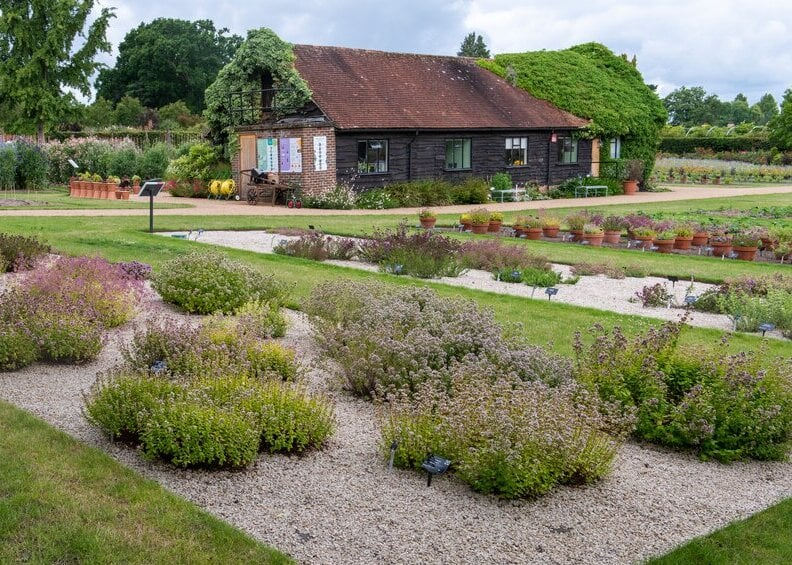
There are two main species and several varieties of marjoram to choose from, offering variations in flavour, plant size, leaf colour, flower colour and hardiness. Three popular marjorams are listed below, they are all sub-shrubs – with woody stems near the base and soft growth above.
Sweet marjoram (Origanum majorana) – isn't reliably hardy in the UK so is often grown as an annual or overwintered indoors. It may survive outside in very sheltered, warm locations with free-draining soil. Small, white flowers appear in summer. Soft, pale green leaves have a delicate, sweet flavour. Mature plants form mounds about 30cm (12in) tall and wide.
Pot marjoram (O. onites) – slightly hardier than sweet marjoram, and its green leaves have a stronger flavour. The summer flowers are white, sometimes with pinkish bracts (modified leaves) at the base of the flower. Height and spread of about 50cm (20in).
French marjoram (O. 'French') – a variety likely to contain sweet marjoram and wild marjoram in its parentage. Hardy in most UK gardens but has a spicier, stronger flavour than sweet marjoram. New leaves are a fresh, golden green. Reaches a height and spread of about 45cm (18in).
When choosing marjoram, look for those with an RHS Recommended: Award of Garden Merit (AGM), which shows that the species or variety performed well in trials –see our list AGM fruit, veg and herbs (135kB pdf) and our Recommended Varieties below. You’ll also find a wide range of herbs, including marjoram, in the RHS gardens, so do visit them for inspiration and growing tips.
What and where to buy
Marjoram is often bought as young plants from garden centres or online retailers in spring and summer. For specific varieties, try specialist herb nurseries. It’s well worth buying marjoram plants in person, so you can check their aroma before purchasing. Sweet marjoram and pot marjoram can also be grown from seed, which is widely available from seed retailers.
Recommended Varieties


Sowing
Sweet marjoram and pot marjoram seeds are widely available and are best sown indoors in spring, but seeds of named varieties may not be so easy to find. The main advantage of growing from seed is that you can produce lots of plants for the cost of just one seed packet.
Sowing indoors
Sow marjoram seeds indoors in spring into small pots or modular trays filled with moist peat-free . Scatter the seeds thinly on the surface, there is no need to cover the tiny seeds with . Then place in a or cover with a clear plastic bag. Seeds germinate well at around 20°C (68°F). should appear in one to three weeks.
Keep the seedlings in a warm, bright location. Water regularly but avoid overwatering, as seedlings are prone to fungal diseases such as damping off. When the seedlings have several leaves, move each one into an individual pot about 7.5cm (3in) in size. Use a such as peat-free John Innes No 2.
Planting
Sweet marjoram and pot marjoram are best planted in containers, so it’s easy to bring then indoors in autumn to protect them from winter cold and wet. Fill containers with a peat-free and mix in some horticultural grit (up to 25 per cent by volume) to improve drainage. Chose a container that is at least 15cm (6in) wide and deep for one young plant.
Seed-raised, newly bought or overwintered marjoram plants can be planted or moved outdoors in late spring or summer. Take care to harden off plants first, to acclimatise them to outdoor conditions. Choose a warm, sunny spot and if planting in the ground, ensure the soil is free-draining. Poor drainage will cause the roots to rot, so if your soil tends to get , grow marjoram in a container or raised bed where the drainage will be better. Marjoram forms a spreading clump, so position it at least 20cm (8in) from neighbouring plants.
Plant Care
Marjoram is easy to look after – it's drought tolerant once established and isn't a particularly hungry plant. Although if you want to keep plants from year to year, sweet marjoram, and often pot marjoram, will need to be moved indoors over winter.
Watering
Water newly planted marjoram in dry spells. Once established, marjoram shouldn’t need additional watering when growing in the ground. Plants in containers will need watering during dry spells as the can dry out quickly in hot, dry, sunny weather, but never let the compost get . For water-wise tips, see our guides below.
Feeding
Marjoram grows well in fairly poor, free-draining soil, so plants in the ground don't need any additional feeding. However, plants that have been growing in the same container for more than one year will benefit from a sprinkling of general purpose granular feed in late spring or early summer.
Cutting back
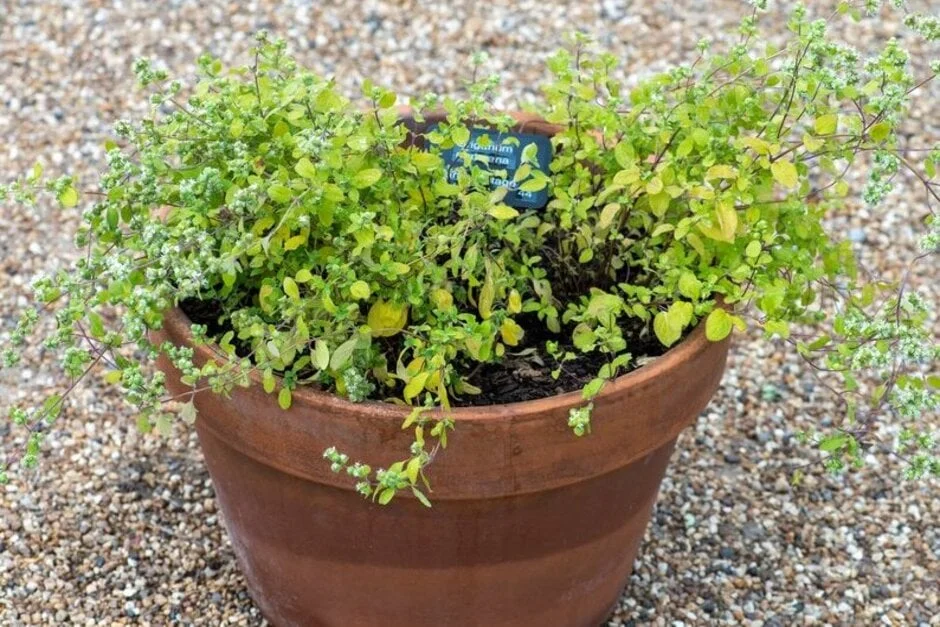
In late spring, trim to keep them compact and remove any dead or straggly stems. This will encourage a flush of new growth. Also cut back the flower stems once the blooms fade, to keep plants looking neat.
Winter protection
Marjoram is a Mediterranean herb and thrives on warmth and sunshine. Sweet marjoram isn't considered fully hardy and pot marjoram may suffer in colder regions, so it’s best to bring them indoors over winter – keep them on a sunny windowsill, in a conservatory or in a frost-free greenhouse. Some varieties can tolerate lower temperatures but winter wet may be a problem, so cover plants with a cloche or move potted plants into a sheltered spot, out of heavy rainfall.
Propagating
Marjoram can be grown from seed (see Sowing above) but it’s also easy to make new plants using the methods listed below:
- Layer plants in spring or autumn by pegging low stems into the soil to root. This often happens naturally, so check for rooted stems around the edge of the clump and pot them up
- Divide clumps of mat-forming plants in spring or soon after they have finished flowering in late summer/early autumn
- Softwood cuttings taken in summer from new growth
Harvesting
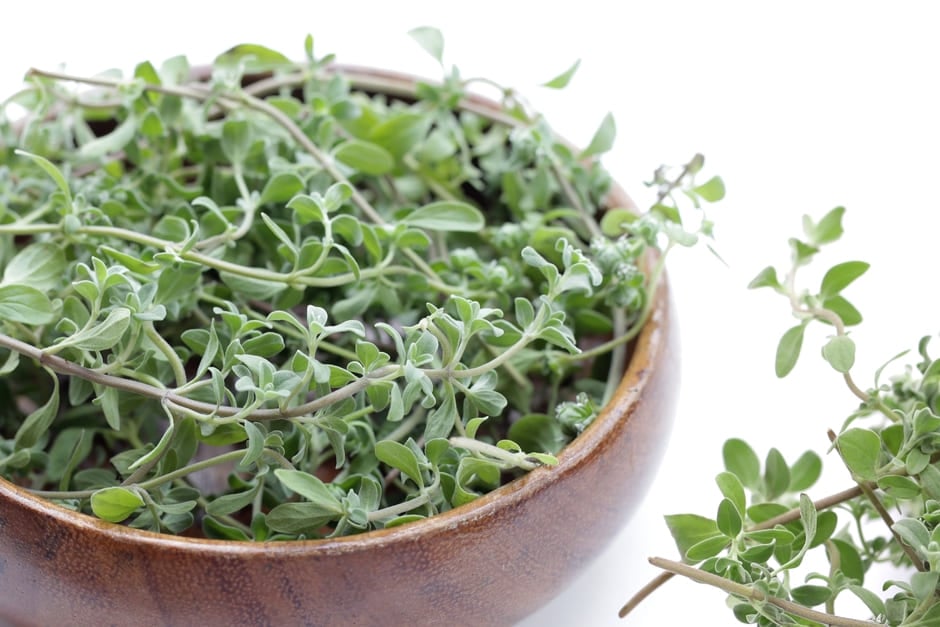
Harvest marjoram leaves as required – simply snip off a few shoots, then strip off the leaves. The flavour is best before the flowers open. The flowers are also edible and can be scattered in salads to add extra colour and flavour. New growth in spring, summer and early autumn will provide fresh leaves for harvesting. It may also be possible to keep marjoram plants productive over winter if they are moved indoors in autumn and given sufficient warmth and light.
Marjoram leaves are widely used in Greek and Italian cuisine. When used fresh, the leaves are usually added near the end of cooking to preserve their flavour. They can also be sprinkled on salads or infused in oil, vinegar and salad dressings, or used to make a refreshing tea.
Problem Solving
Marjoram plants are generally healthy and productive when grown in a warm, sunny location. Some aren’t fully hardy, so are best grown in a container that can be moved indoors over winter – see Winter protection above. The fungal disease mint rust can affect marjoram, and occasionally insects may feed on the leaves – see Common problems below for more details.
Common Problems


Sage and Ligurian leafhoppers
Sage and Ligurian leafhoppers can cause a coarse pale mottling on sage, rosemary, lavender and related plants in the spring and summer.
